DBSCAN-PCA-INFORMER-Based Droplet Motion Time Prediction Model for Digital Microfluidic Systems
Zhijie Luo, Bin Zhao, Wenjin Liu, Jianhua Zheng, Wenwen Chen

TL;DR
This paper introduces a new model combining DBSCAN, PCA, and INFORMER to predict droplet motion times in digital microfluidic systems, improving prediction accuracy and device health monitoring.
Contribution
The novel DBSCAN-PCA-INFORMER model significantly enhances prediction accuracy for droplet motion time in digital microfluidic systems.
Findings
The DBSCAN-PCA-INFORMER model achieves an R2 of 0.9864, showing excellent prediction accuracy.
It outperforms traditional LSTM and other models in predicting droplet motion time.
The model effectively identifies device health status and predicts failure times.
Abstract
In recent years, emerging digital microfluidic technology has shown great application potential in fields such as biology and medicine due to its simple structure, sample-saving properties, ease of integration, and wide range of manipulation. Currently, due to potential faults in chips during production and usage, as well as high safety requirements in their application domains, thorough testing of chips is essential. This study records data using a machine vision-based digital microfluidic driving control system. As chip usage frequency rises, device degradation introduces seasonal and trend patterns in droplet motion time data, complicating predictive modeling. This paper first employs the density-based spatial clustering of applications with noise (DBSCAN) clustering algorithm to analyze the droplet motion time data in digital microfluidic systems. Subsequently, principal component…
Genes, proteins, chemicals, diseases, species, mutations and cell lines named across the full text — each resolved to its canonical identifier and authoritative record.
Click any figure to enlarge with its caption.
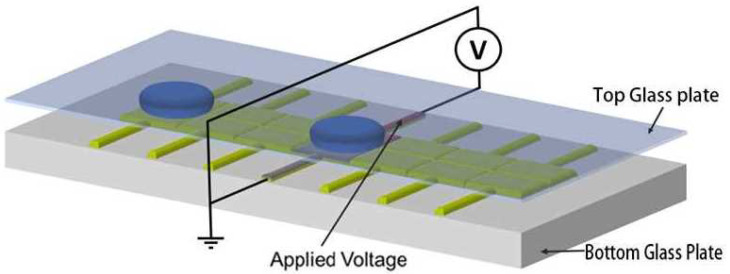 Figure 1
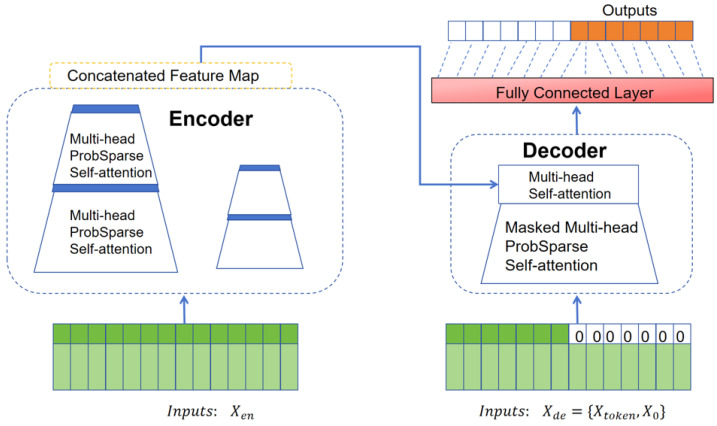 Figure 2
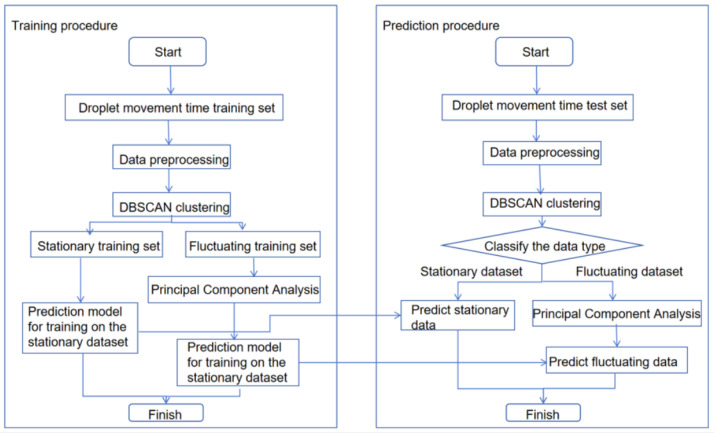 Figure 3
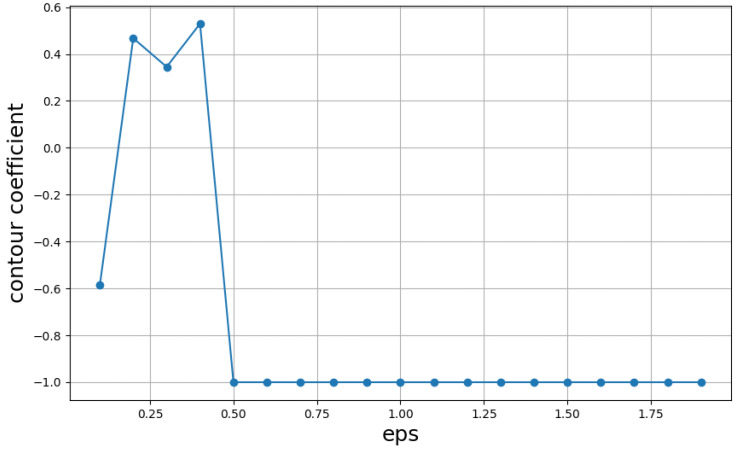 Figure 4
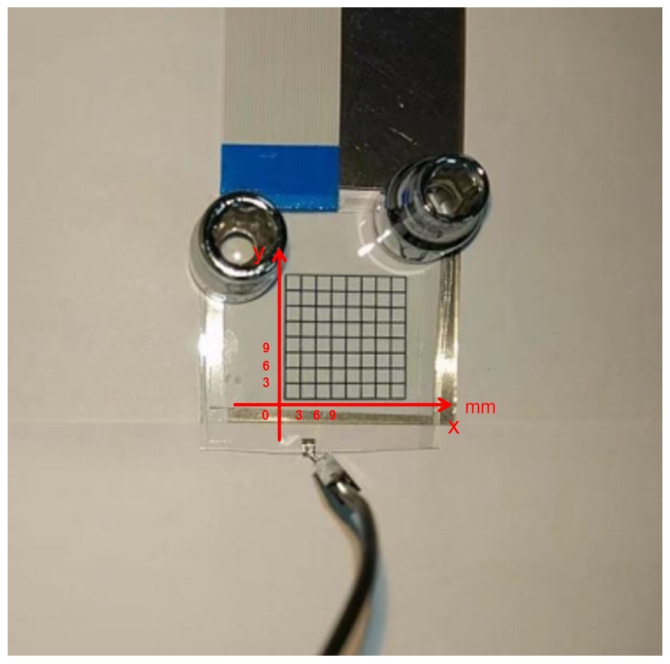 Figure 5
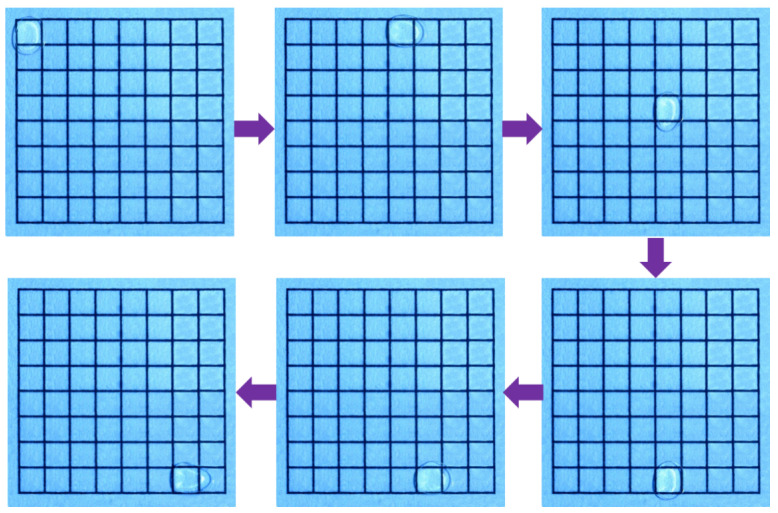 Figure 6
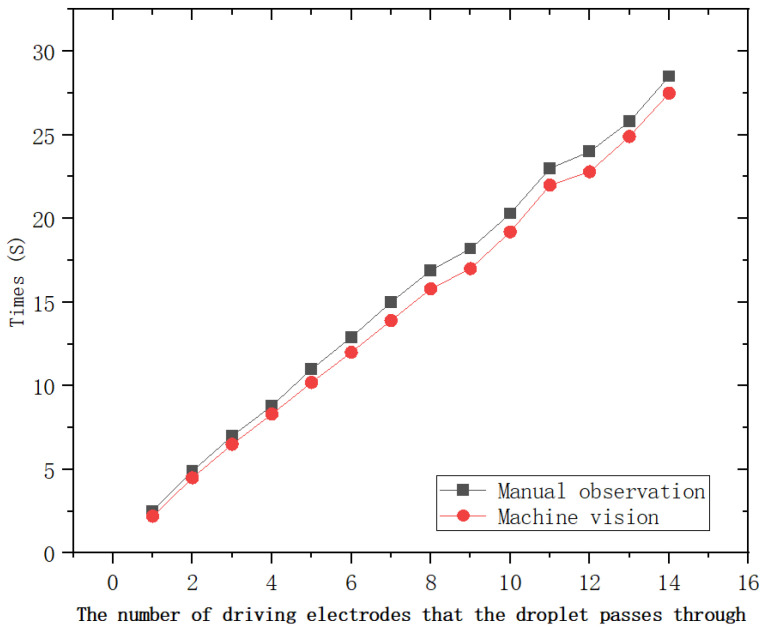 Figure 7
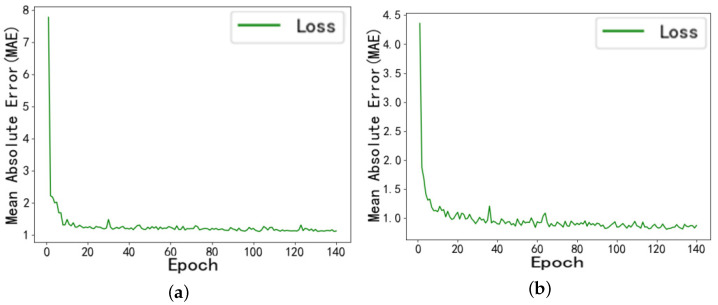 Figure 8
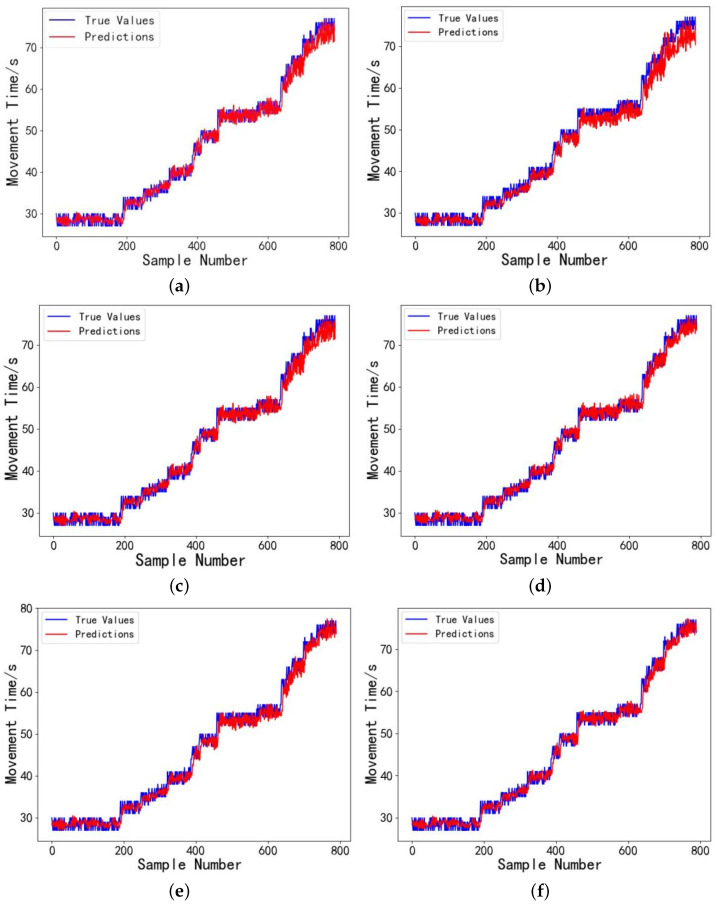 Figure 9
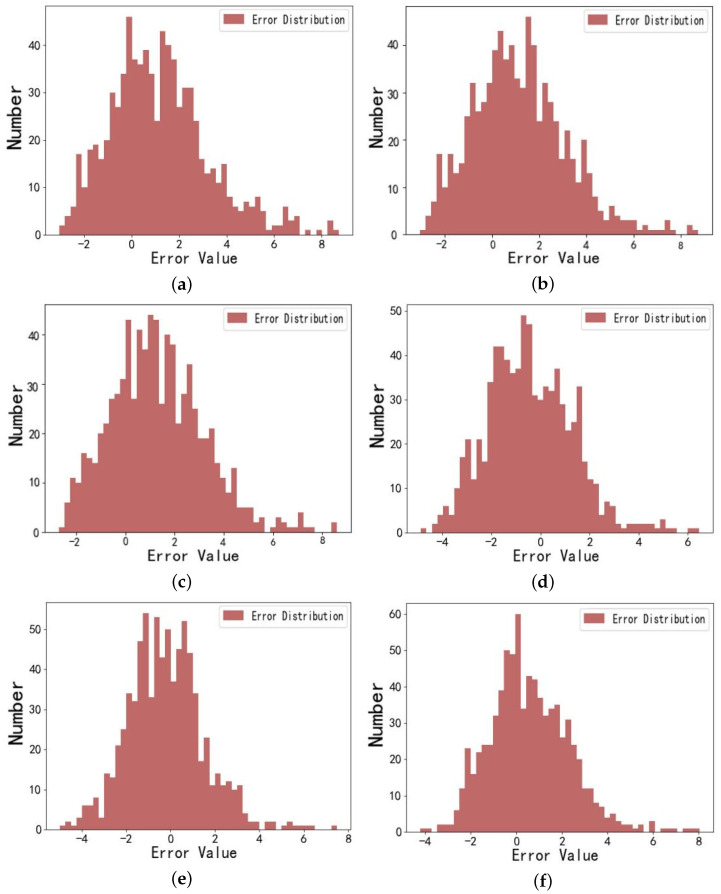 Figure 10
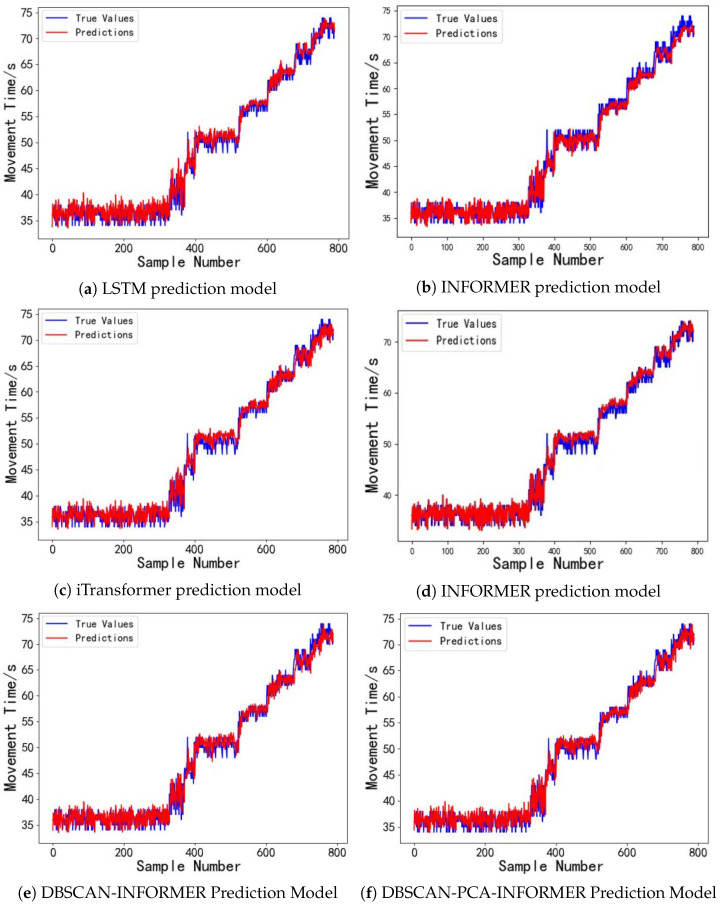 Figure 11
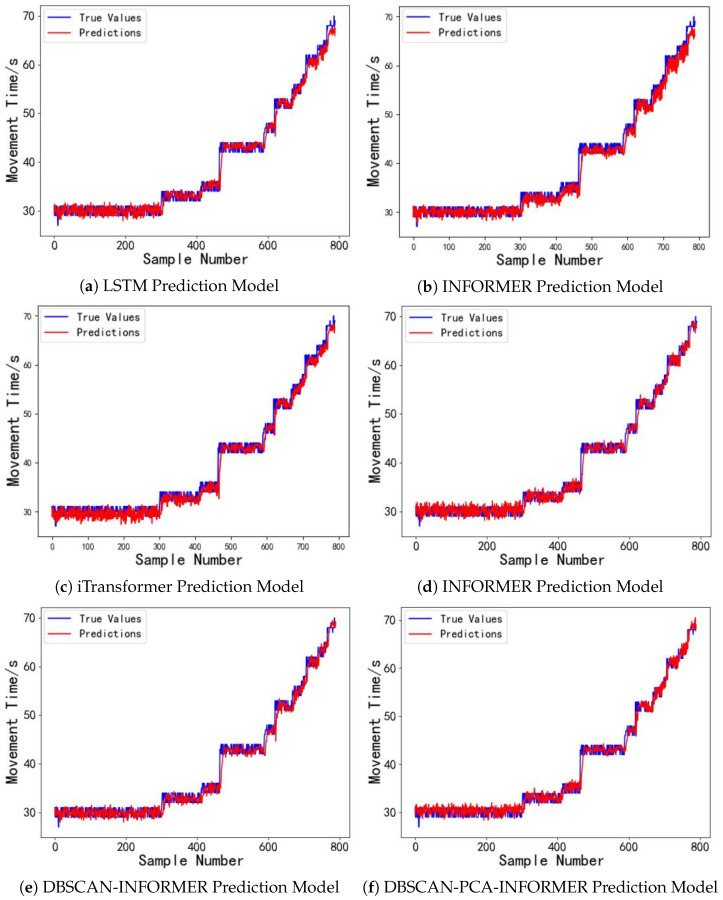 Figure 12
Peer Reviews
No public reviews on file for this paper yet. If you reviewed it on a platform where reviews are public (OpenReview, ICLR, NeurIPS, ICML), you can paste yours below so the community can read it here.
Videos
No videos yet. Explain this paper in a talk, walkthrough, or lecture? Add one.
Taxonomy
TopicsElectrowetting and Microfluidic Technologies · Innovative Microfluidic and Catalytic Techniques Innovation · Data Stream Mining Techniques