Enhanced Molybdenum Recovery Achieved by a Complex of Porous Material-Immobilized Surface-Engineered Yeast in Development of a Sustainable Biosorption Technology
Thiti Jittayasotorn, Kentaro Kojima, Audrey Stephanie, Kaho Nakamura, Hernando P. Bacosa, Kengo Kubota, Masanobu Kamitakahara, Chihiro Inoue, Mei-Fang Chien

TL;DR
This study shows that immobilizing surface-engineered yeast on polyurethane sponges improves molybdenum recovery, offering a sustainable and efficient method for industrial wastewater treatment.
Contribution
The novel use of polyurethane sponges for immobilizing surface-engineered yeast enhances molybdenum biosorption efficiency and scalability.
Findings
Polyurethane sponges immobilize 10 times more yeast cells than ceramic materials.
The yeast–sponge complex achieves 2.16 pg Mo per cell, matching free yeast cells in adsorption.
The method shows high efficiency, reusability, and potential for industrial wastewater treatment.
Abstract
Molybdenum (Mo) is a critical industrial metal valued for its corrosion resistance and strength-enhancing properties. However, increasing demand necessitates more efficient and sustainable recovery methods. Bio-recovery of Mo by biosorption is a promising resolution, especially by the use of surface-engineered microbes that express metal binding proteins on its cell surface. This study investigates the potential of Saccharomyces cerevisiae strain ScBp6, which displays a molybdate-binding protein (ModE) on its cell surface, immobilized on porous materials. Our findings reveal that polyurethane sponges (PS) significantly outperform ceramic materials in yeast immobilization, entrapping 1.76 × 10⁷ cells per sponge compared to 1.70 × 10⁶ cells per ceramic cube. Furthermore, the yeast–PS complex demonstrated superior Mo adsorption, reaching 2.16 pg Mo per yeast cell under 10 ppm Mo…
Genes, proteins, chemicals, diseases, species, mutations and cell lines named across the full text — each resolved to its canonical identifier and authoritative record.
Click any figure to enlarge with its caption.
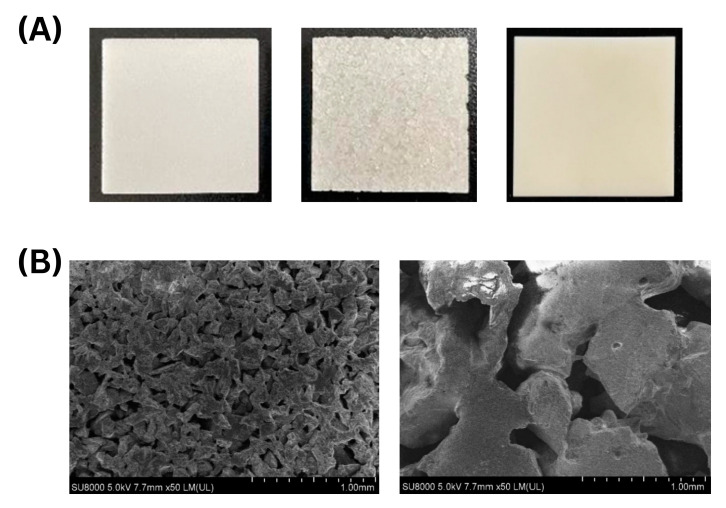 Figure 1
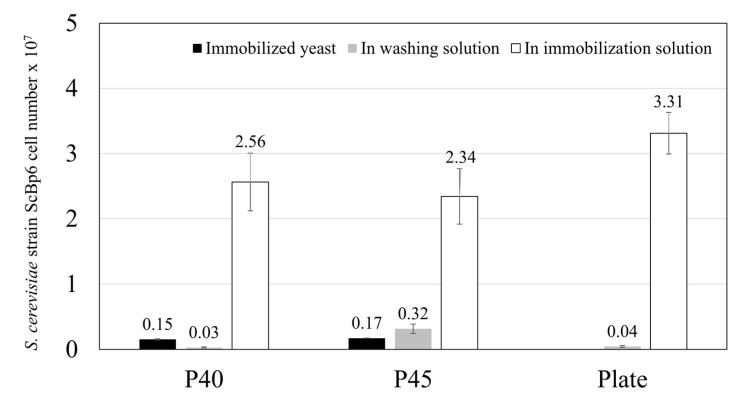 Figure 2
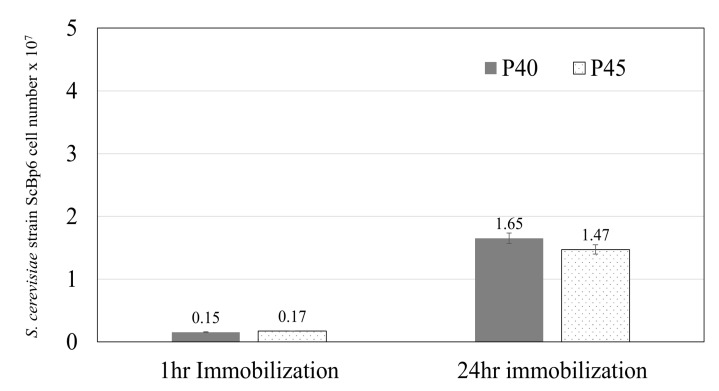 Figure 3
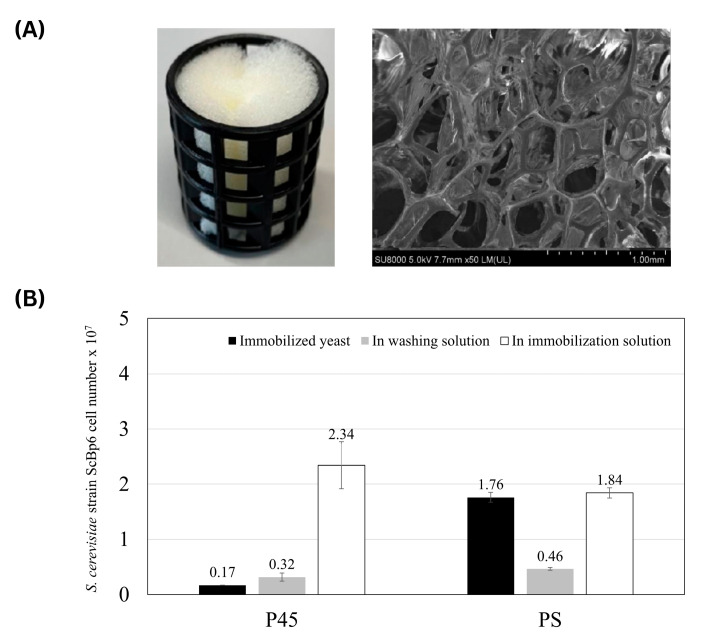 Figure 4
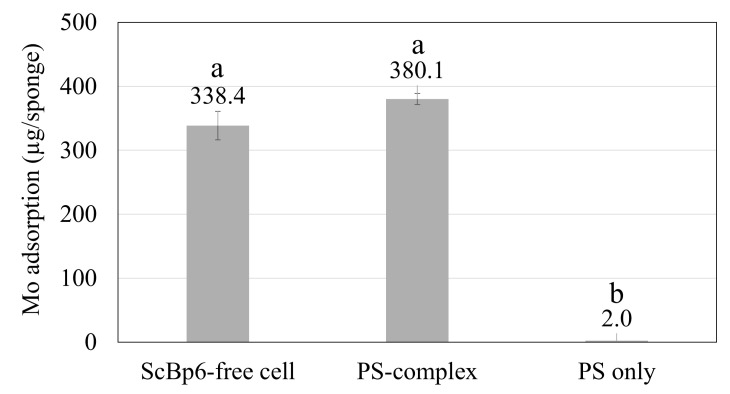 Figure 5
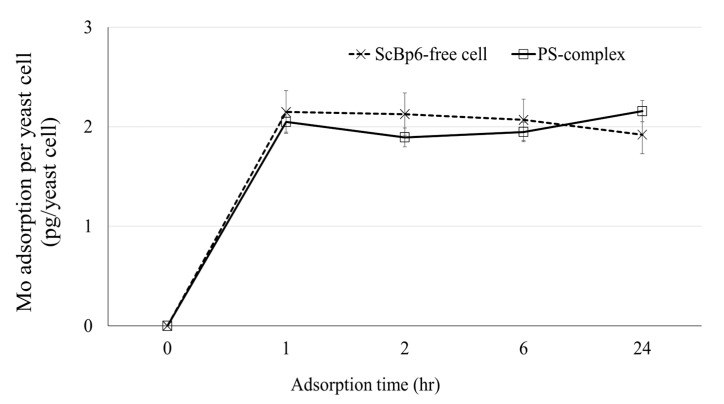 Figure 6
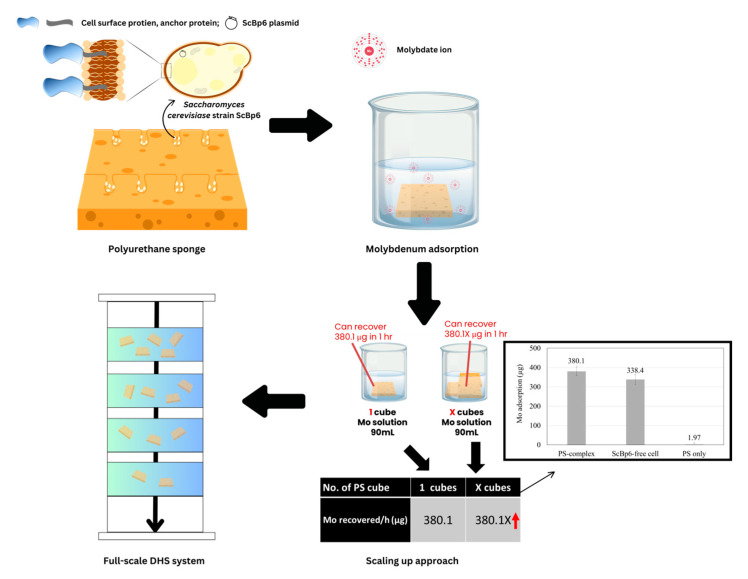 Figure 7
Peer Reviews
No public reviews on file for this paper yet. If you reviewed it on a platform where reviews are public (OpenReview, ICLR, NeurIPS, ICML), you can paste yours below so the community can read it here.
Videos
No videos yet. Explain this paper in a talk, walkthrough, or lecture? Add one.
Taxonomy
TopicsAdsorption and biosorption for pollutant removal · Microbial Community Ecology and Physiology