Relationship Between Level of Trimethylamine Oxide and the Risk of Recurrent Cardiovascular Events in Patients with Acute Myocardial Infarction
Wenjun Ji, Bin Zhang, Jiahui Liu, Kaiyin Li, Jia Jia, Fangfang Fan, Jie Jiang, Xingang Wang, Yan Zhang

TL;DR
High levels of trimethylamine oxide (TMAO) and choline are linked to higher risks of heart events in patients who had a heart attack.
Contribution
This study shows choline has better predictive power than TMAO for cardiovascular risk in acute myocardial infarction patients.
Findings
TMAO levels were associated with increased risk of MACE, cardiac death, and recurrent MI.
Choline showed stronger predictive power for all-cause mortality than TMAO.
A choline pathway independent of TMAO contributes to cardiovascular risk.
Abstract
Background: This study investigated the value of trimethylamine oxide (TMAO) and its precursors in secondary prevention for patients with acute myocardial infarction (AMI). Methods: We retrospectively enrolled patients diagnosed with AMI. The associations of TMAO and its precursors with endpoint events were estimated by Cox proportional hazards models. Results: During a median follow-up of 6.4 years, 319 (32.0%) major adverse cardiovascular event (MACE) occurred in the 996 patients enrolled. After adjusting for traditional risk factors, the risk of MACE, cardiac death, and recurrent MI increased by 28% (HR 1.28, 95% CI 1.10–1.49), 44% (HR 1.44, 95% CI 1.12–1.84), and 27% (HR 1.27, 95% CI 1.04–1.55), respectively, per one increment in ln-transformed TMAO. After adjustment for the levels of its precursors, the relationship between TMAO and MACE was still significant. Choline was…
Genes, proteins, chemicals, diseases, species, mutations and cell lines named across the full text — each resolved to its canonical identifier and authoritative record.
Click any figure to enlarge with its caption.
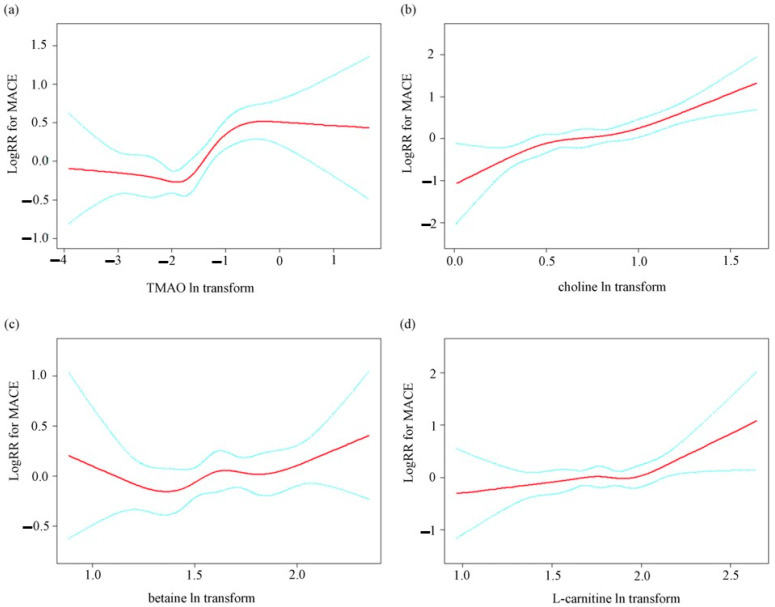 Figure 1
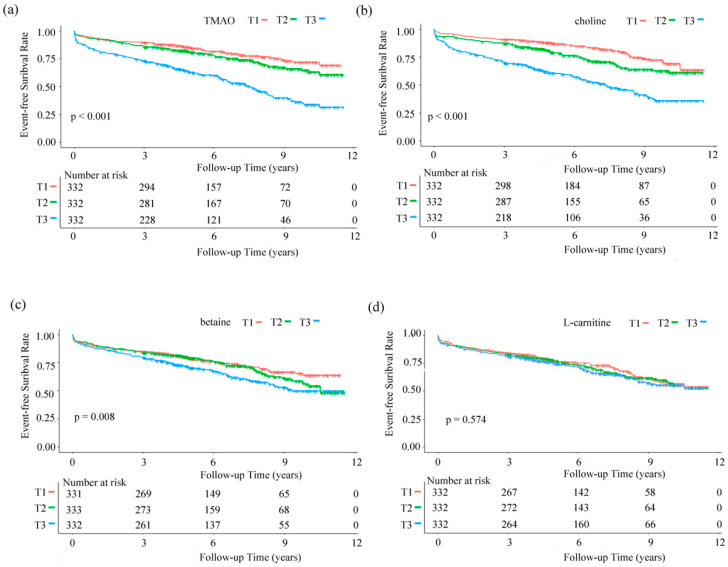 Figure 2
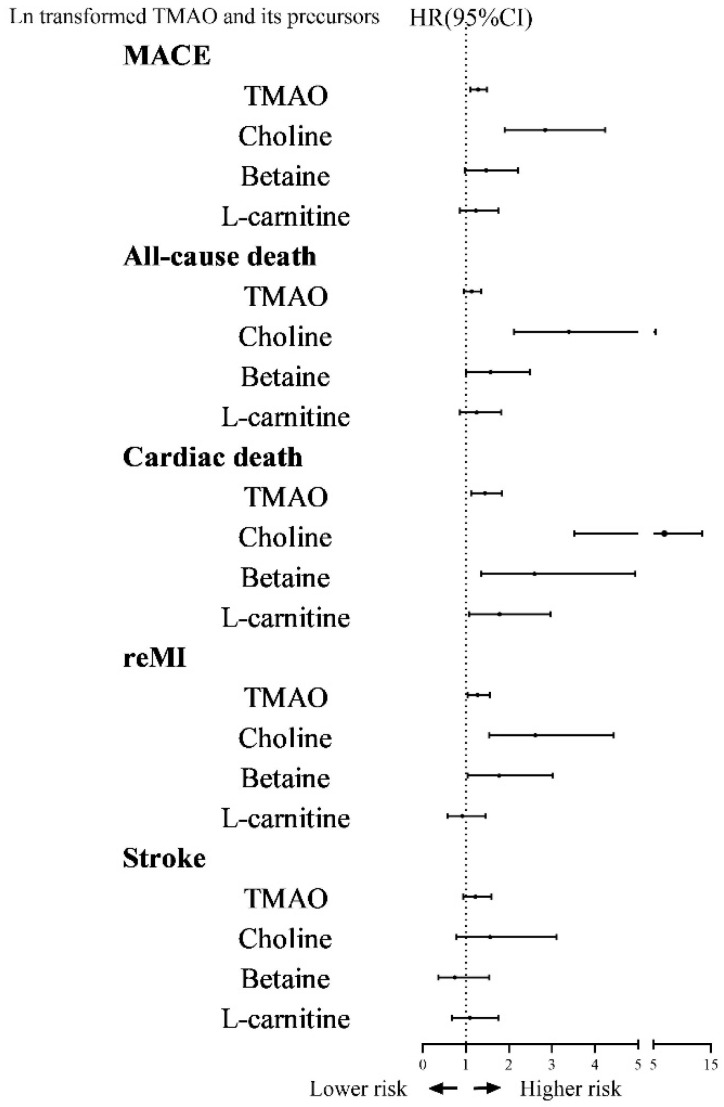 Figure 3
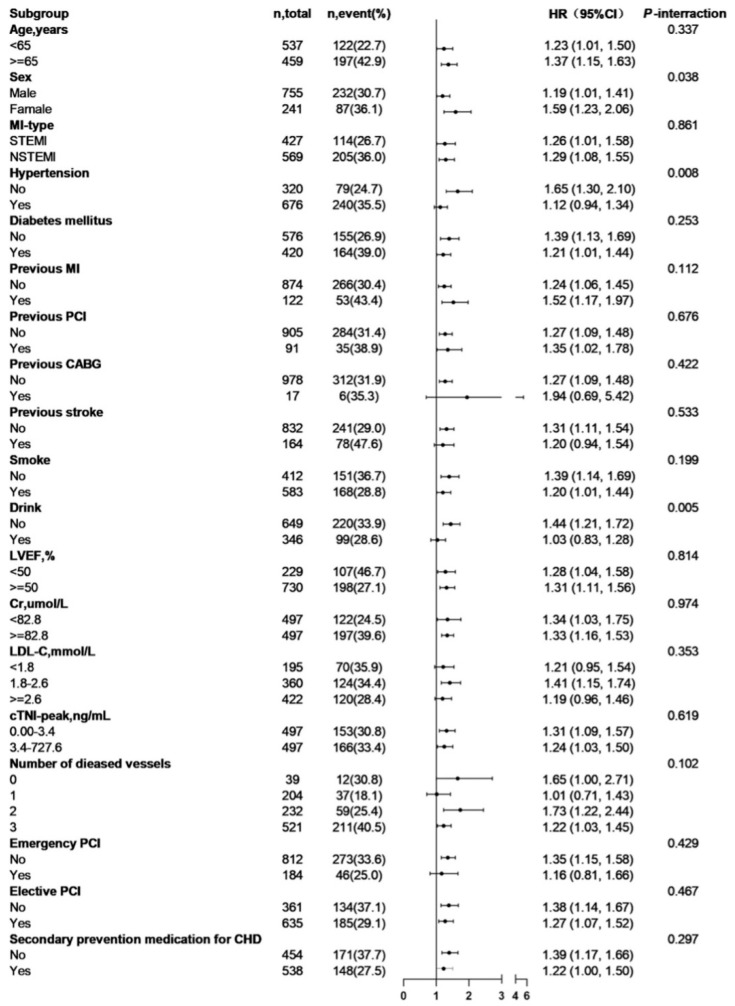 Figure 4
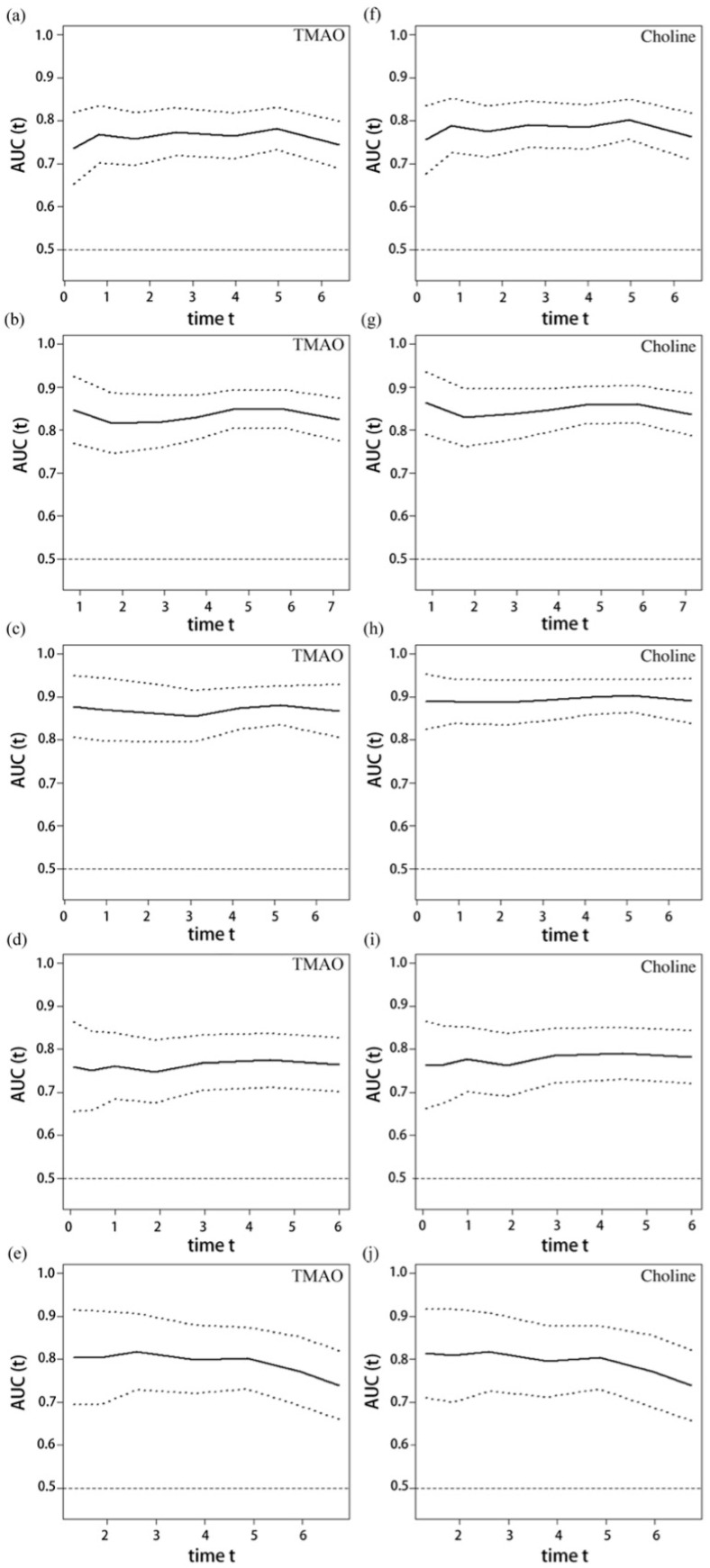 Figure 5
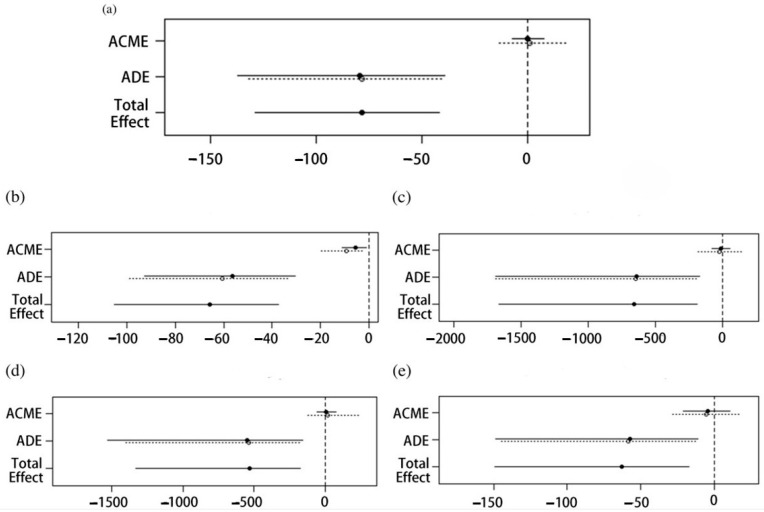 Figure 6
Peer Reviews
No public reviews on file for this paper yet. If you reviewed it on a platform where reviews are public (OpenReview, ICLR, NeurIPS, ICML), you can paste yours below so the community can read it here.
Videos
No videos yet. Explain this paper in a talk, walkthrough, or lecture? Add one.
Taxonomy
TopicsDiet and metabolism studies · Gut microbiota and health · Nutritional Studies and Diet