UV–Vis Detection of Thioacetamide: Balancing the Performances of a Mn(III)-Porphyrin, Gold Colloid, and Their Complex for Selecting the Most Sensitive Material
Camelia Epuran, Ion Fratilescu, Ionela Fringu, Anca Lascu, Liliana Halip, Mihaela Gherban, Eugenia Fagadar-Cosma

TL;DR
This study compares different materials for detecting thioacetamide, finding that a complex of a porphyrin and gold nanoparticles offers the highest sensitivity.
Contribution
The study introduces a novel complex of Mn(III)-porphyrin and gold nanoparticles for enhanced thioacetamide detection sensitivity.
Findings
Mn-3,4-diMeOPP detects thioacetamide in a linear range of 3.13 × 10⁻⁸ M–7.67 × 10⁻⁷ M.
The Mn-3,4-diMeOPP–AuNPs complex detects thioacetamide in a trace domain of 1.99 × 10⁻⁸ M–1.76 × 10⁻⁷ M.
The complex's detection mechanism involves electrostatic interactions between the porphyrin and thioacetamide.
Abstract
The optical detection of thioacetamide was investigated using a metalated porphyrin, Mn(III)-5,10,15,20-tetrakis-(3,4-dimethoxyphenyl)-21H,23H-porphyrin chloride (Mn-3,4-diMeOPP), a gold colloid solution (AuNPs), and a complex formed between them (Mn-3,4-diMeOPP–AuNPs) in order to select the most sensitive material and to achieve complementarity between methods. Mn-3,4-diMeOPP, AuNPs, and their complex were synthesized and characterized by means of UV–Vis, FT-IR spectrometry, and AFM investigations. It could be concluded that Mn-3,4-diMeOPP could detect/quantify thioacetamide (TAA) in the range 3.13 × 10⁻⁸ M–7.67 × 10⁻⁷ M in a linear fashion, with a 99.85% confidence coefficient. The gold colloidal particles alone could detect TAA in an extremely narrow concentration domain of 2–9.8 × 10⁻⁷ M, slightly complementary with that of Mn-3,4-diMeOPP. The complex between Mn-3,4-diMeOPP and gold…
Genes, proteins, chemicals, diseases, species, mutations and cell lines named across the full text — each resolved to its canonical identifier and authoritative record.
Click any figure to enlarge with its caption.
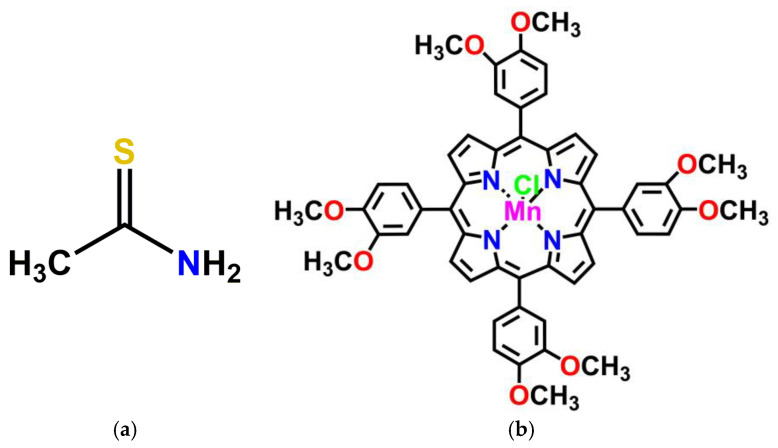 Figure 1
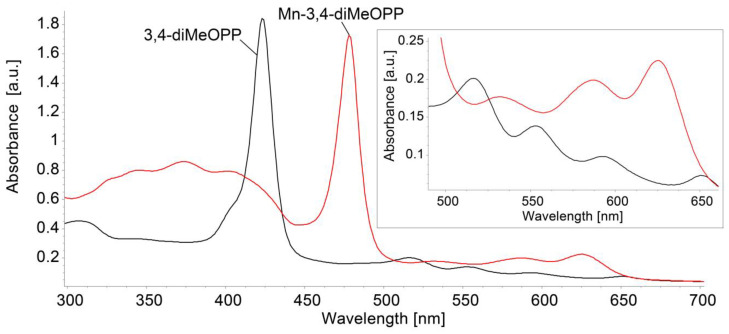 Figure 2
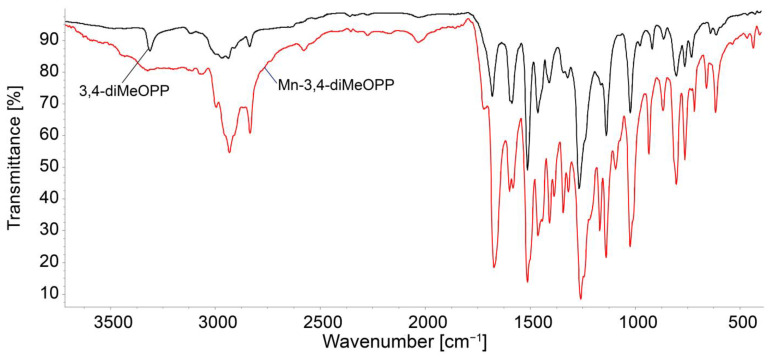 Figure 3
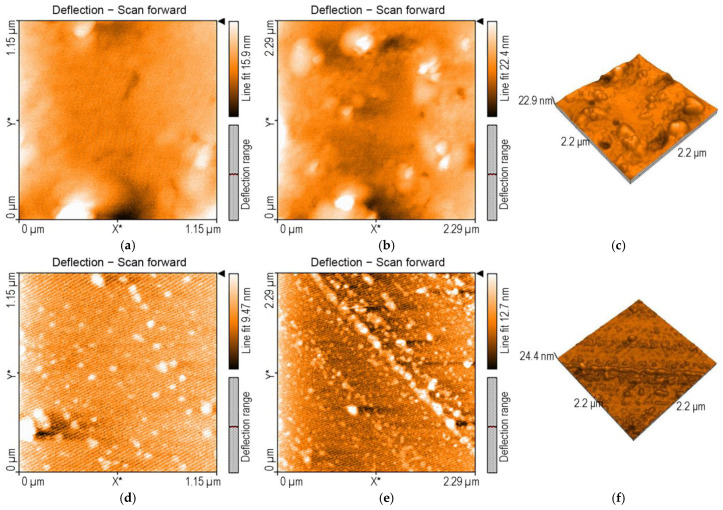 Figure 4
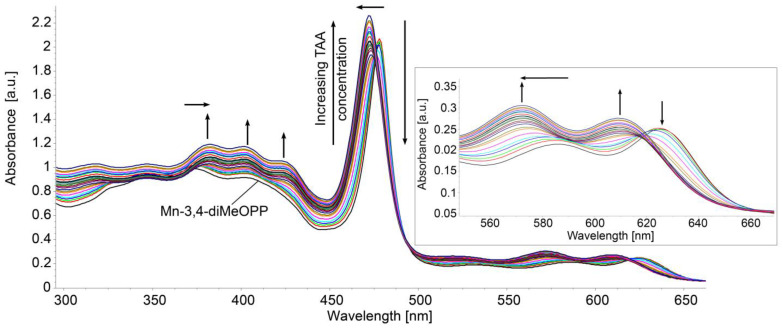 Figure 5
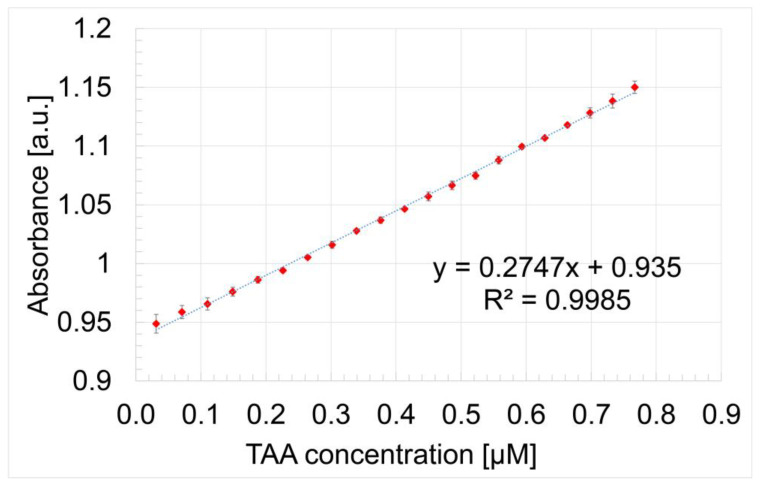 Figure 6
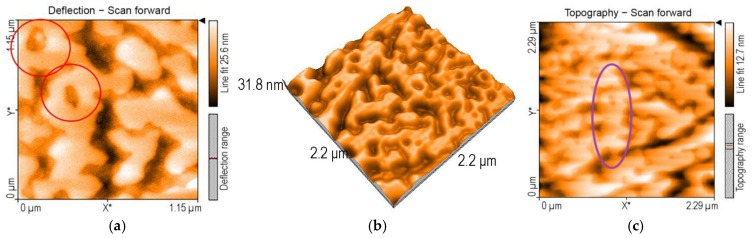 Figure 7
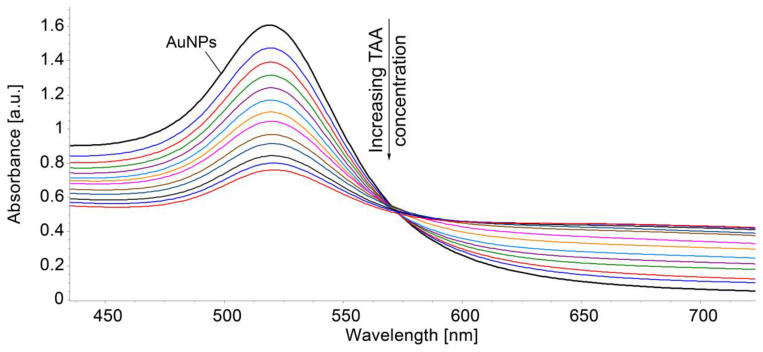 Figure 8
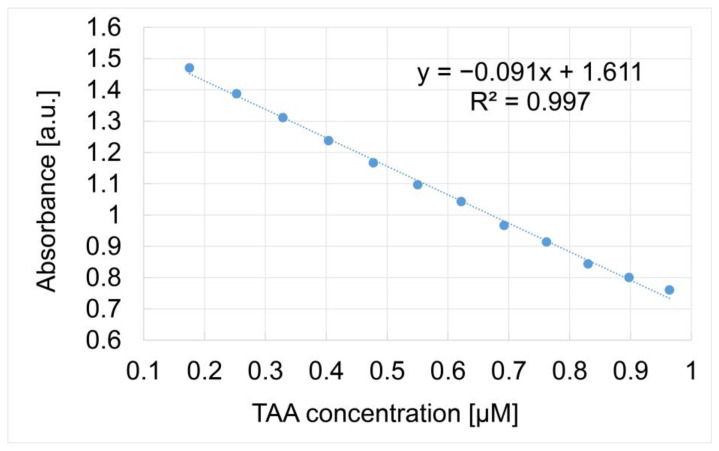 Figure 9
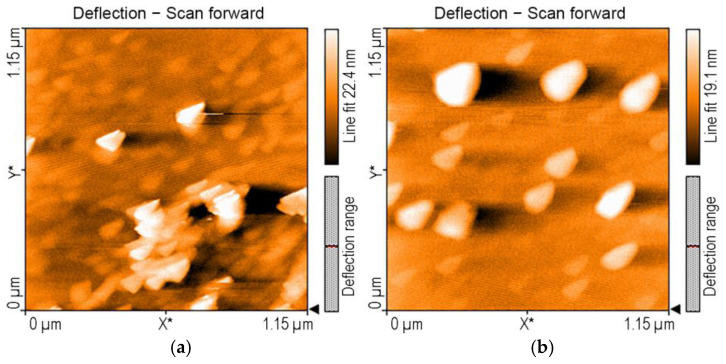 Figure 10
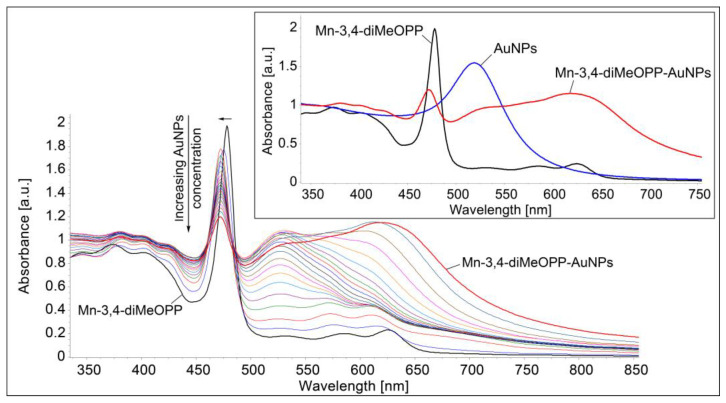 Figure 11
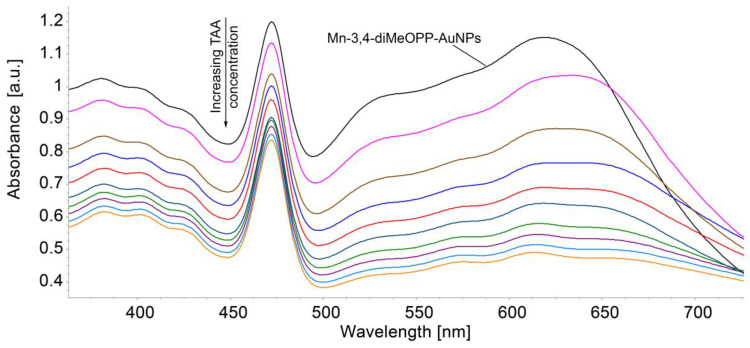 Figure 12
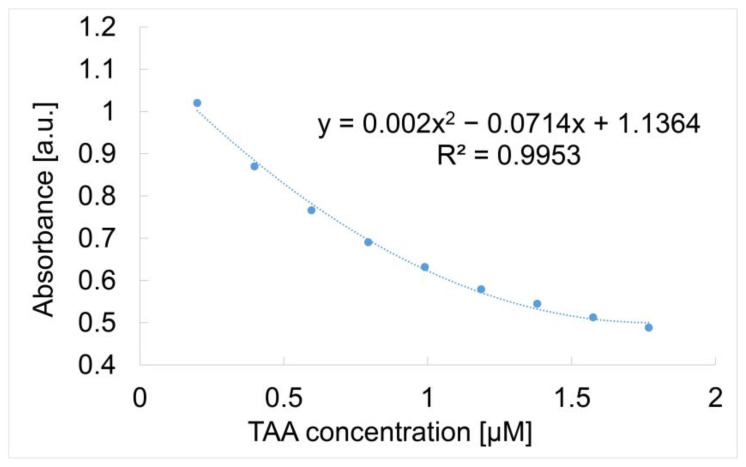 Figure 13
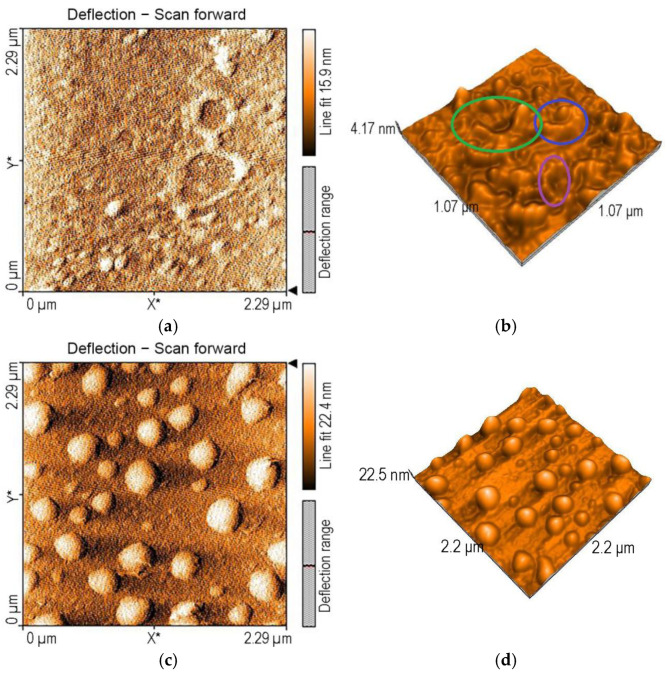 Figure 14
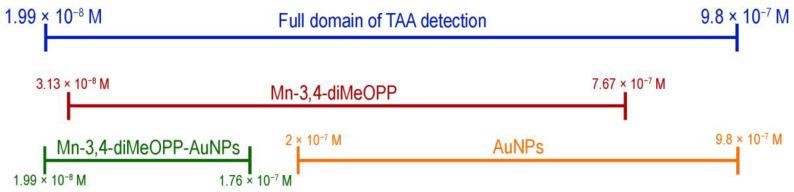 Figure 15
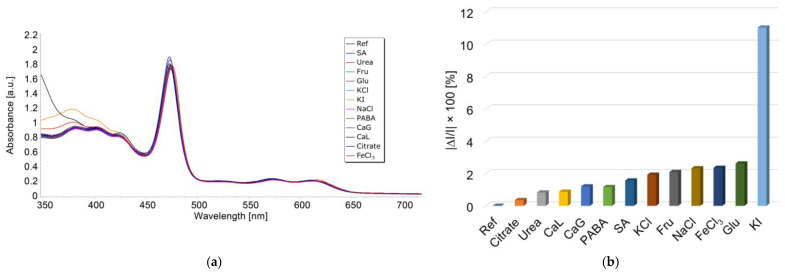 Figure 16
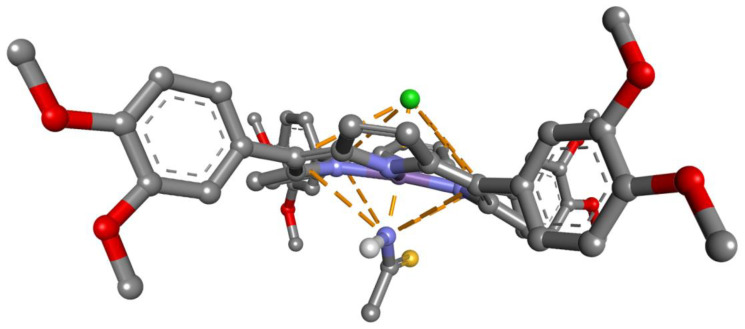 Figure 17
Peer Reviews
No public reviews on file for this paper yet. If you reviewed it on a platform where reviews are public (OpenReview, ICLR, NeurIPS, ICML), you can paste yours below so the community can read it here.
Videos
No videos yet. Explain this paper in a talk, walkthrough, or lecture? Add one.
Taxonomy
TopicsElectrochemical sensors and biosensors · Molecular Sensors and Ion Detection · Advanced Nanomaterials in Catalysis