Assessment of the Presence of Free-Living Amoebae in Soil Samples from the Northwest Region of Spain Using Culture and Molecular Assays
Patricia Pérez-Pérez, Iván Rodríguez-Escolar, Elizabeth Córdoba-Lanús, Angélica Domínguez-de-Barros, Omar García-Pérez, José E. Piñero, Rodrigo Morchón, Jacob Lorenzo-Morales

TL;DR
This study analyzed soil samples from Spain to identify free-living amoebae, finding Acanthamoeba and Vermamoeba as the most common, highlighting their environmental presence and public health relevance.
Contribution
The study provides the first detailed assessment of FLA diversity in Castilla y León soils using combined culture and molecular methods.
Findings
Acanthamoeba and Vermamoeba vermiformis were the most prevalent free-living amoebae in the soil samples.
Multiple FLA genera and species were identified, indicating high microbial biodiversity in the region.
The study establishes a foundation for future ecological and public health research on FLA in the area.
Abstract
Free-living amoebae (FLA) such as Acanthamoeba spp., Balamuthia mandrillaris, Naegleria fowleri, Sappinia spp., Vahlkampfia spp., and Vermamoeba vermiformis are naturally widespread in the environment, causing rare but fatal and debilitating infections in humans. In the present study, a total of 87 soil samples were collected from four provinces in the autonomous community of Castilla y León, Spain. These samples were collected in three different seasons during 2022–2023 (t1–t3) and were analysed by culture and molecular techniques (conventional PCR/sanger sequencing and qPCR). The obtained data revealed that the genus Acanthamoeba and the species Vermamoeba vermiformis were the most prevalent FLA. Furthermore, other genera/species of FLA were identified in the tested soil sources, suggesting a rich microbial biodiversity in Castilla y León soils. In addition, this study provides an…
Genes, proteins, chemicals, diseases, species, mutations and cell lines named across the full text — each resolved to its canonical identifier and authoritative record.
Click any figure to enlarge with its caption.
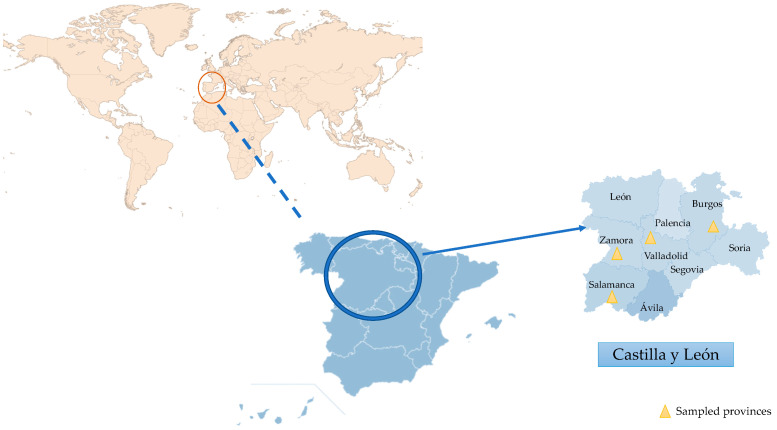 Figure 1
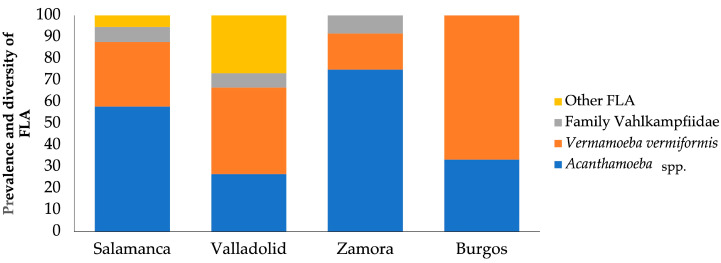 Figure 2
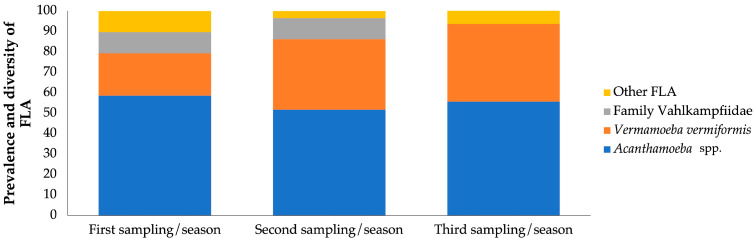 Figure 3
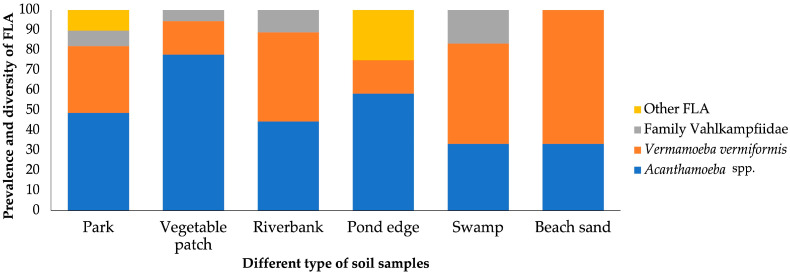 Figure 4
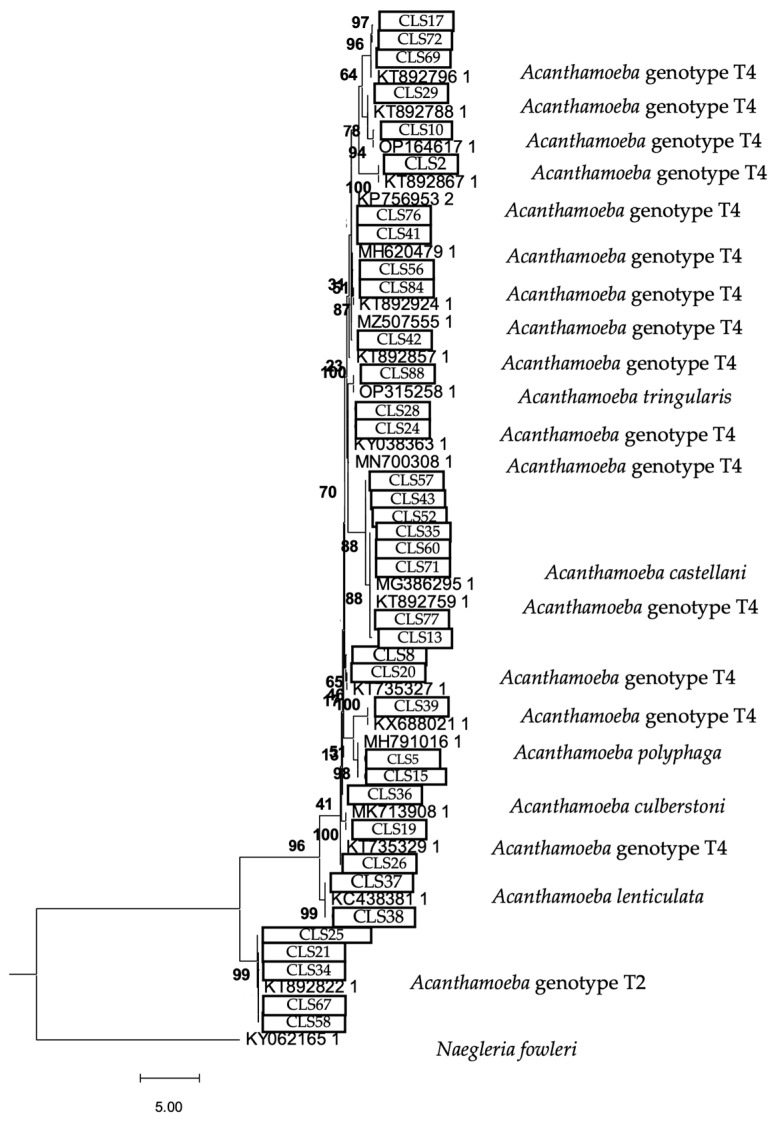 Figure 5
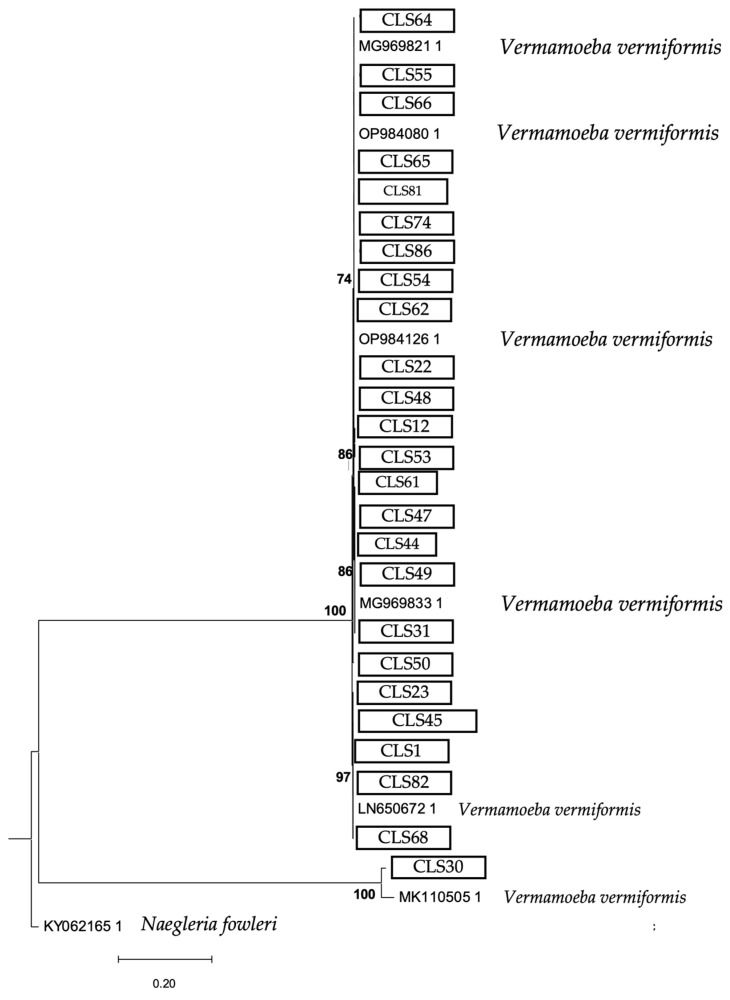 Figure 6
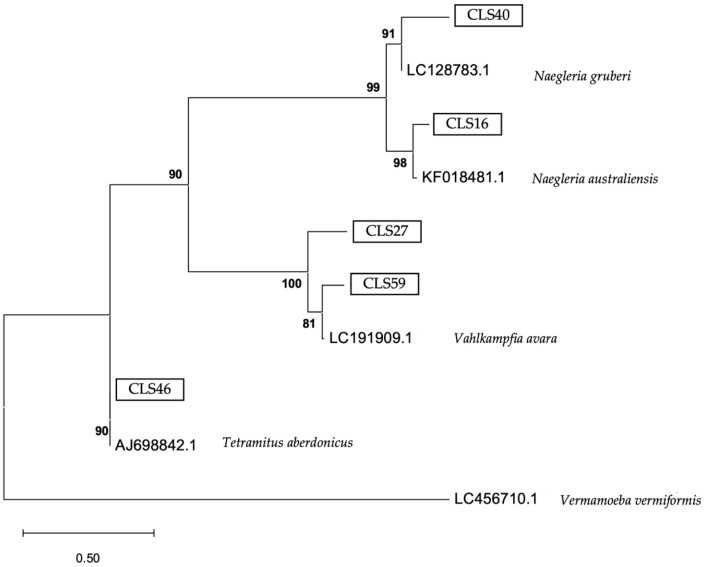 Figure 7
Peer Reviews
No public reviews on file for this paper yet. If you reviewed it on a platform where reviews are public (OpenReview, ICLR, NeurIPS, ICML), you can paste yours below so the community can read it here.
Videos
No videos yet. Explain this paper in a talk, walkthrough, or lecture? Add one.
Taxonomy
TopicsLegionella and Acanthamoeba research · Bacterial biofilms and quorum sensing