Interfacial Charge Transfer Mechanism and Output Characteristics of Identical-Material Triboelectric Nanogenerators
Lin-Xin Wu, Shi-Jia Ma, Meng-Jie Li, Xian-Lei Zhang, Gang Zheng, Zheng Liang, Ru Li, Hao Dong, Jun Zhang, Yun-Ze Long

TL;DR
This paper investigates how triboelectric signals interfere with piezoelectric measurements and proposes a new model and material solution to improve accuracy.
Contribution
The study reveals triboelectric charge transfer between identical materials and introduces a new electron transfer model and material (PP) for better piezoelectric measurement precision.
Findings
Triboelectric signals persist even with identical-material interfaces due to heterogeneous potential distribution.
A surface–tip electron cloud interaction model explains electron loss at material interfaces.
Polypropylene (PP) shows significantly lower triboelectric output, improving piezoelectric measurement accuracy.
Abstract
When testing the output of piezoelectric devices under different pressures, the friction between the pressure platform and the device causes a large amount of frictional electrical signals to be mixed in the output piezoelectric signal, seriously affecting the measurement accuracy of the piezoelectric signal. The current solution is to encapsulate the contact interface with identical materials to suppress triboelectric interference. However, this work has shown that even when contact separation is implemented at the interface of same media, triboelectric signals can still be generated. The heterogeneous potential distribution of the same material in contact separation has been discovered for the first time through the contact interface potential distribution, proving that charge transfer still exists between the same materials. Atomic force microscopy (AFM) was used to analyze the…
Genes, proteins, chemicals, diseases, species, mutations and cell lines named across the full text — each resolved to its canonical identifier and authoritative record.
Click any figure to enlarge with its caption.
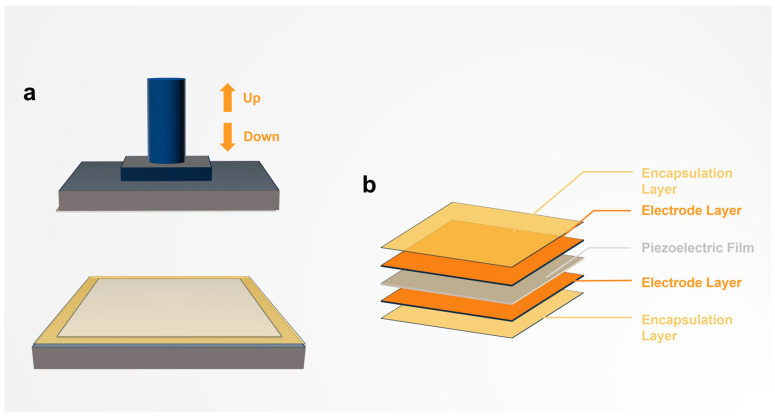 Figure 1
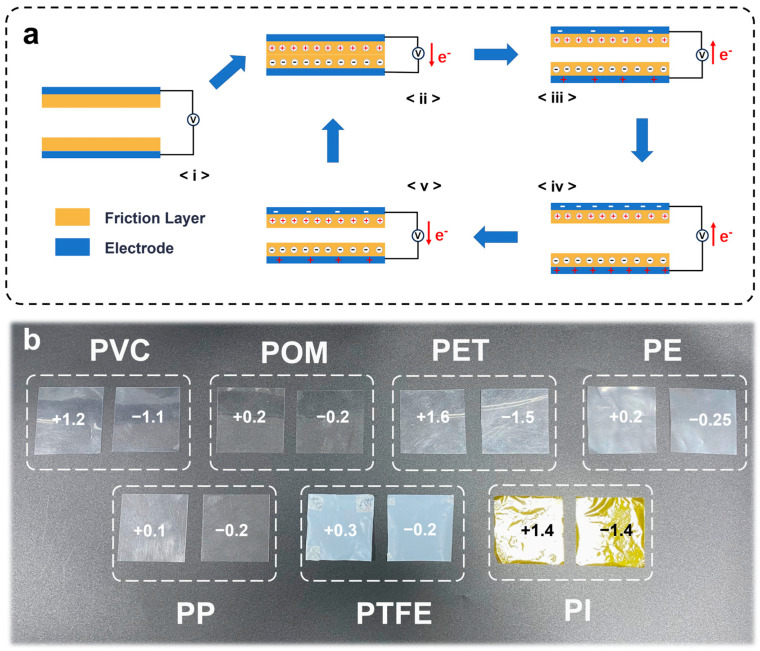 Figure 2
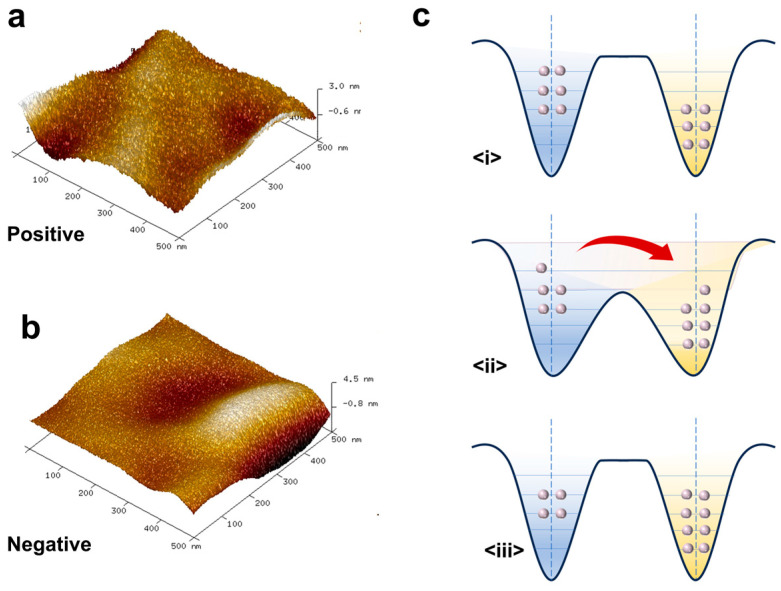 Figure 3
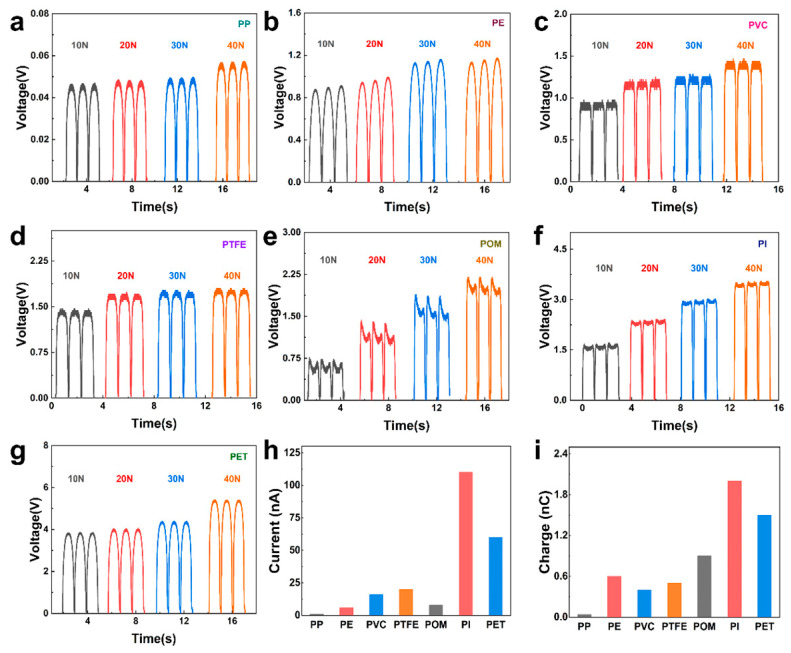 Figure 4
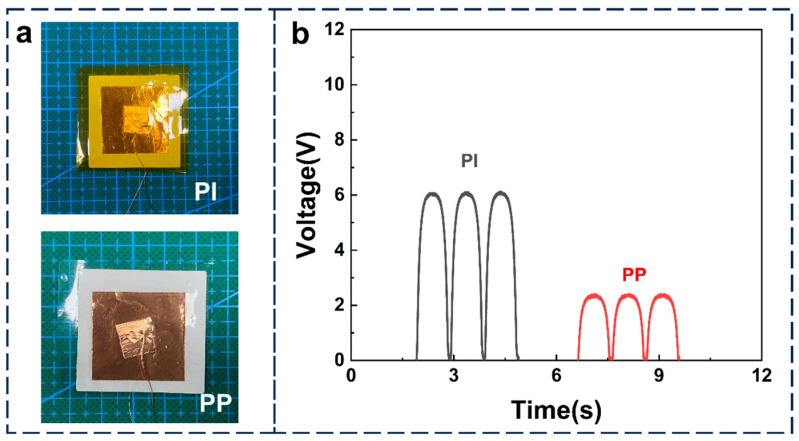 Figure 5
 Figure 6
Peer Reviews
No public reviews on file for this paper yet. If you reviewed it on a platform where reviews are public (OpenReview, ICLR, NeurIPS, ICML), you can paste yours below so the community can read it here.
Videos
No videos yet. Explain this paper in a talk, walkthrough, or lecture? Add one.
Taxonomy
TopicsAdvanced Sensor and Energy Harvesting Materials · Conducting polymers and applications · Tactile and Sensory Interactions