Characterization of Sex-Based Differences in Gut Microbiota That Correlate with Suppression of Lupus in Female BWF1 Mice
James W. Harder, Jing Ma, James Collins, Pascale Alard, Venkatakrishna R. Jala, Haribabu Bodduluri, Michele M. Kosiewicz

TL;DR
The study found that gut bacteria in male mice can protect female mice from lupus-like kidney disease, but this effect depends on the specific bacterial composition and environment.
Contribution
The study identifies specific gut bacterial populations associated with disease suppression in a lupus model and shows that these effects can be environment-dependent.
Findings
Male cecal transplants suppressed kidney disease in female mice during certain periods.
Bacteroides was high and Clostridium was low in protective periods, with a high Bacteroides/Clostridium ratio.
The protective effect of male microbiota was lost when mice were moved to a new facility but returned after two years.
Abstract
Systemic lupus erythematosus (SLE) is more prevalent in female mice and humans and is associated with microbiota dysbiosis. We analyzed the fecal microbiota composition in female and male NZBxNZWF1 (BWF1) mice, a model of SLE, using 16S RNA gene sequencing. Composition of gut microbiota differed between adult disease-prone female (pre-disease) and disease-resistant male mice. Transfer of male cecal contents by gavage into female mice suppressed kidney disease (decreased proteinuria) and improved survival. After our mouse colony was moved to a new barrier facility with similar housing, male cecal transplants failed to suppress disease in female recipients. After two years, the protective phenotype reemerged: male cecal transplants once again suppressed disease in female mice. We compared the gut microbiota composition in female and male BWF1 mice for the three different periods, during…
Genes, proteins, chemicals, diseases, species, mutations and cell lines named across the full text — each resolved to its canonical identifier and authoritative record.
Click any figure to enlarge with its caption.
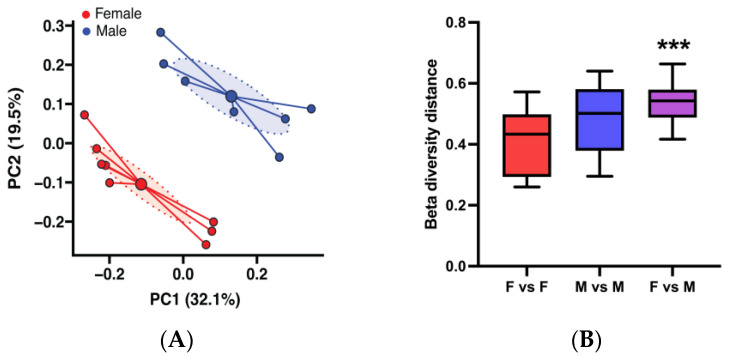 Figure 1
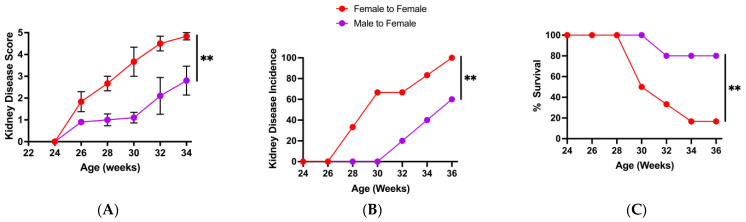 Figure 2
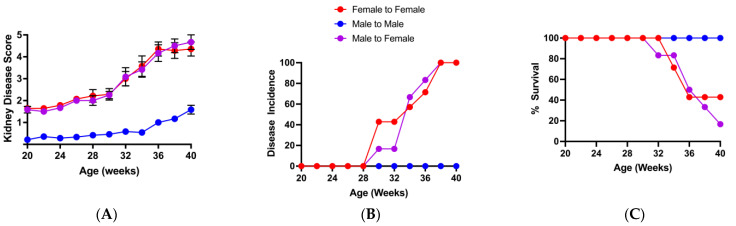 Figure 3
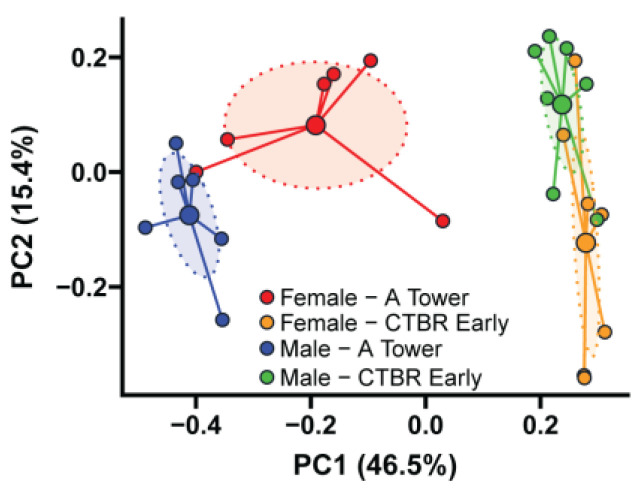 Figure 4
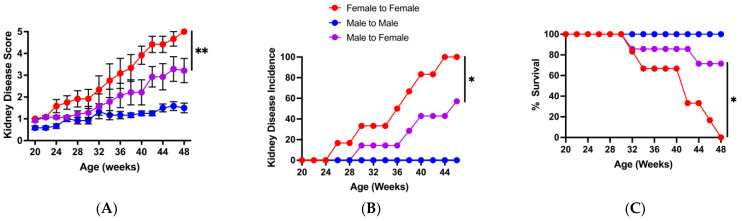 Figure 5
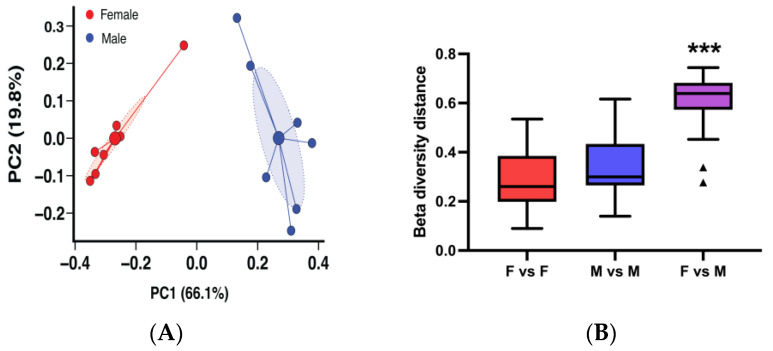 Figure 6
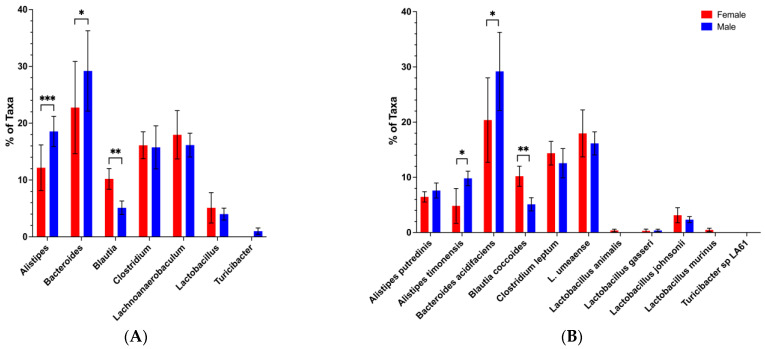 Figure 7
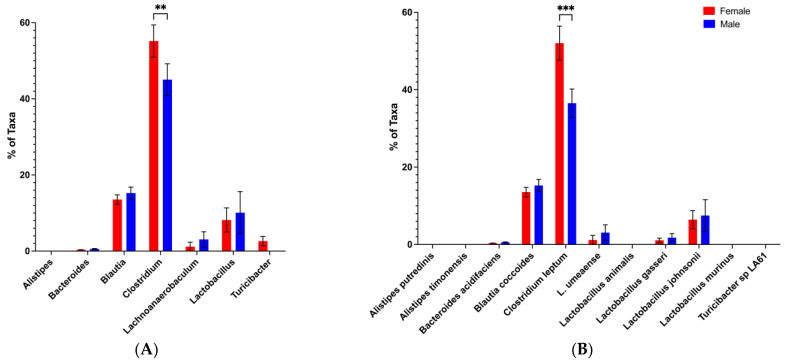 Figure 8
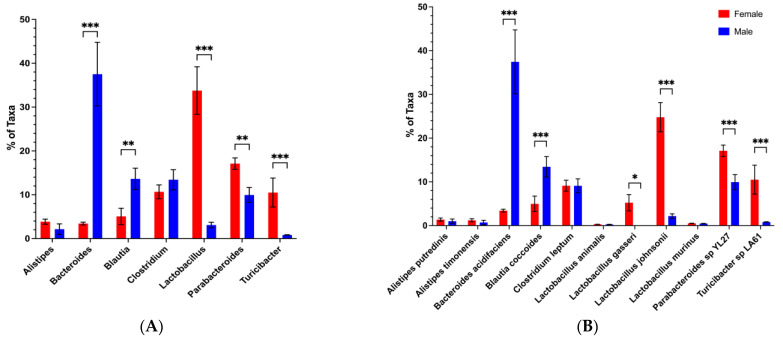 Figure 9
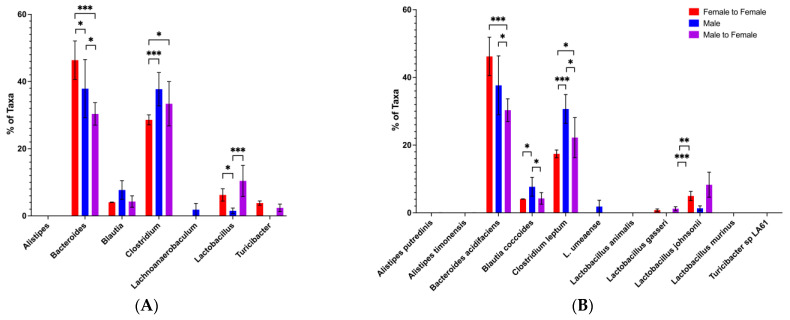 Figure 10
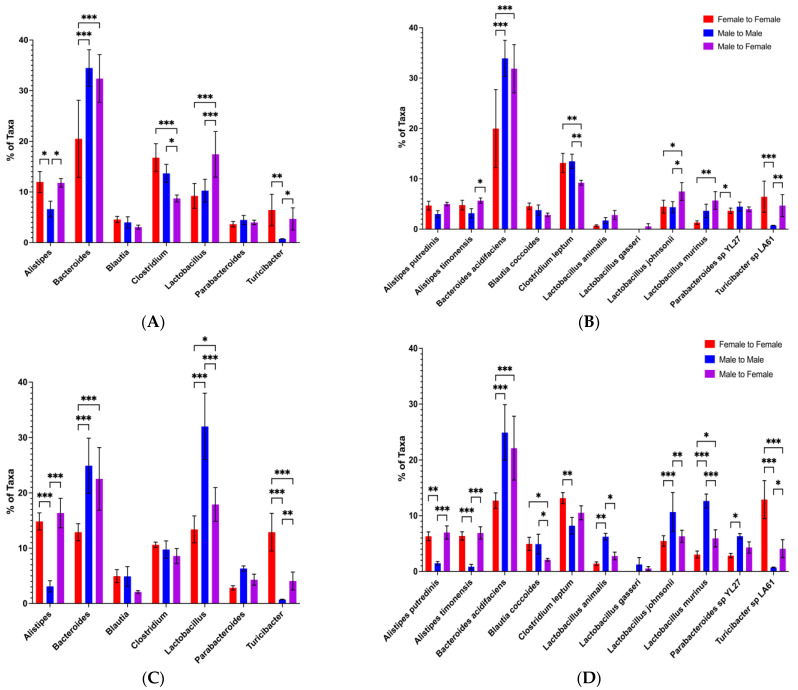 Figure 11
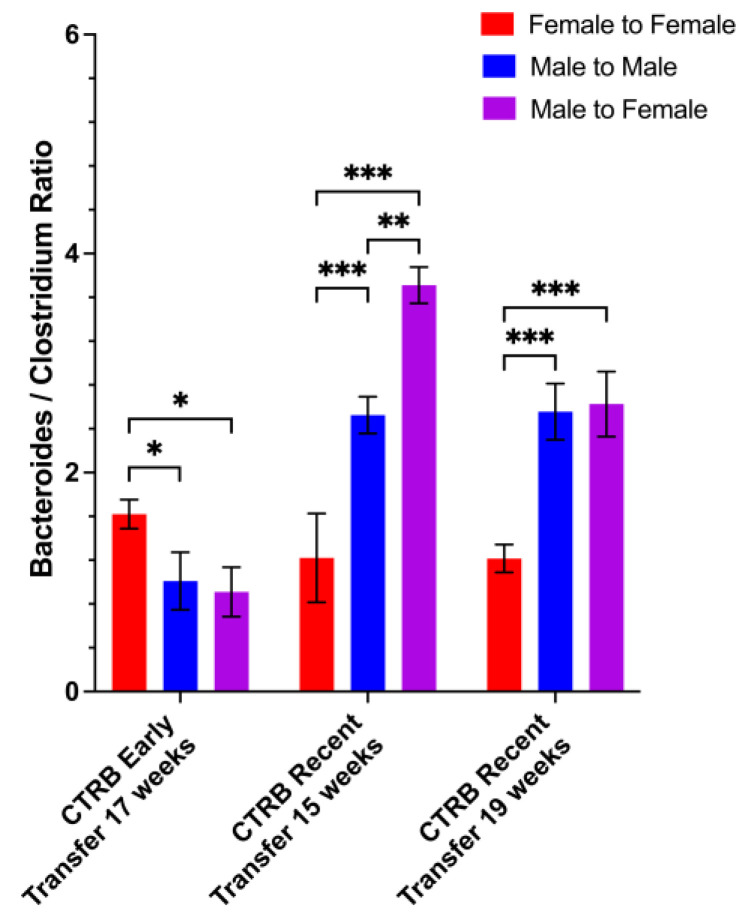 Figure 12
Peer Reviews
No public reviews on file for this paper yet. If you reviewed it on a platform where reviews are public (OpenReview, ICLR, NeurIPS, ICML), you can paste yours below so the community can read it here.
Videos
No videos yet. Explain this paper in a talk, walkthrough, or lecture? Add one.
Taxonomy
TopicsGut microbiota and health · Clostridium difficile and Clostridium perfringens research · Microscopic Colitis