Effects of Lower Limb Position and Peri-Hip Muscle Co-Contraction on the Efficiency of Voluntary Pelvic Floor Muscle (PFM) Contraction During PFM Exercises
Yoshinobu Sato, Yuki Miyake, Masaaki Nakajima

TL;DR
This study found that the supine kneeling position is best for pelvic floor muscle exercises, while engaging hip muscles reduces their effectiveness.
Contribution
The study identifies optimal lower limb positioning and the negative impact of hip muscle co-contraction on PFM exercise efficiency.
Findings
Supine kneeling position (Ex-B) significantly increased bladder base elevation compared to the standard supine position.
Adding hip abduction or adduction reduced PFM contraction efficiency compared to Ex-B.
Unnecessary peri-hip muscle engagement should be avoided to maximize PFM contraction efficiency.
Abstract
Pelvic floor muscle (PFM) exercises are essential for managing stress urinary incontinence (SUI), and various approaches, including differing lower limb positions and the use of assistive devices, have been proposed to enhance their effectiveness. This study aimed to evaluate how different lower limb positions and co-contraction of peri-hip muscles affect the efficiency of voluntary PFM contractions. Nineteen healthy female participants performed four types of PFM exercises: supine (Exercise A, Ex-A), supine kneeling (Exercise B,Ex-B), supine kneeling with hip abduction (Exercise C,Ex-C), and supine kneeling with hip adduction (Exercise D,Ex-D). Bladder base elevation, as an indicator of PFM contraction efficiency, was assessed using ultrasound. The results showed that the supine kneeling position (Ex-B) produced significantly greater bladder base elevation compared to the standard…
Genes, proteins, chemicals, diseases, species, mutations and cell lines named across the full text — each resolved to its canonical identifier and authoritative record.
Click any figure to enlarge with its caption.
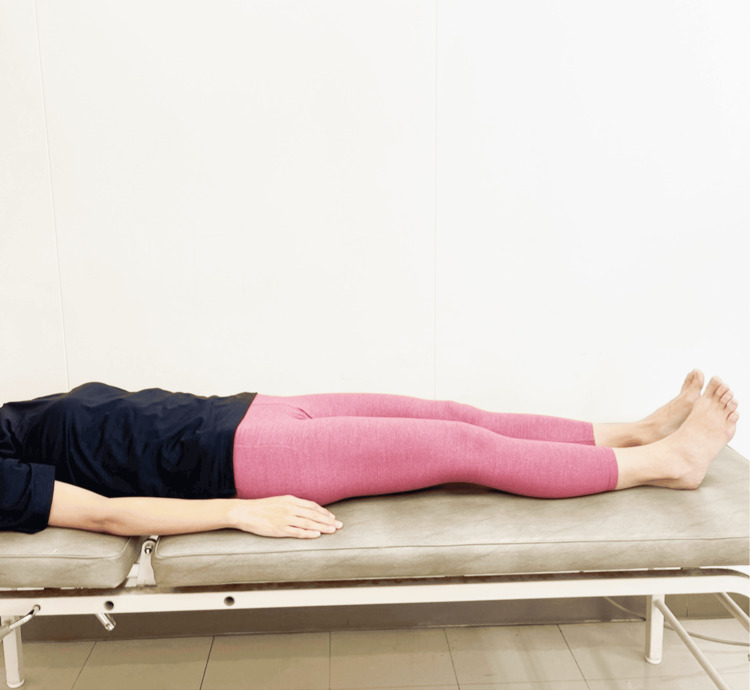 Figure 1
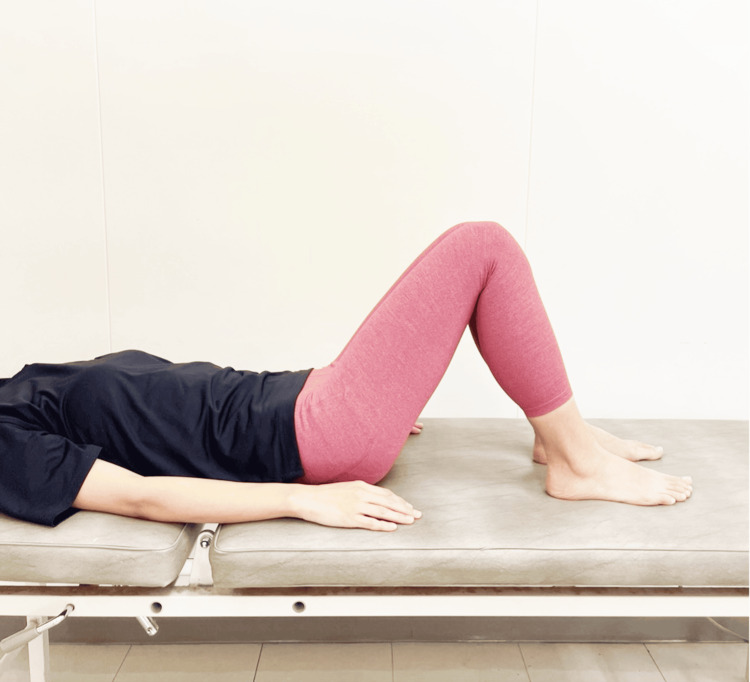 Figure 2
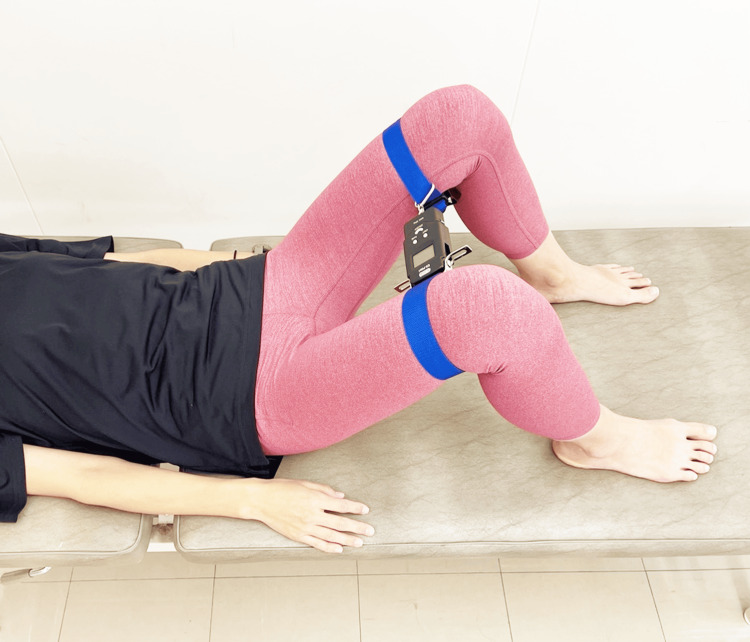 Figure 3
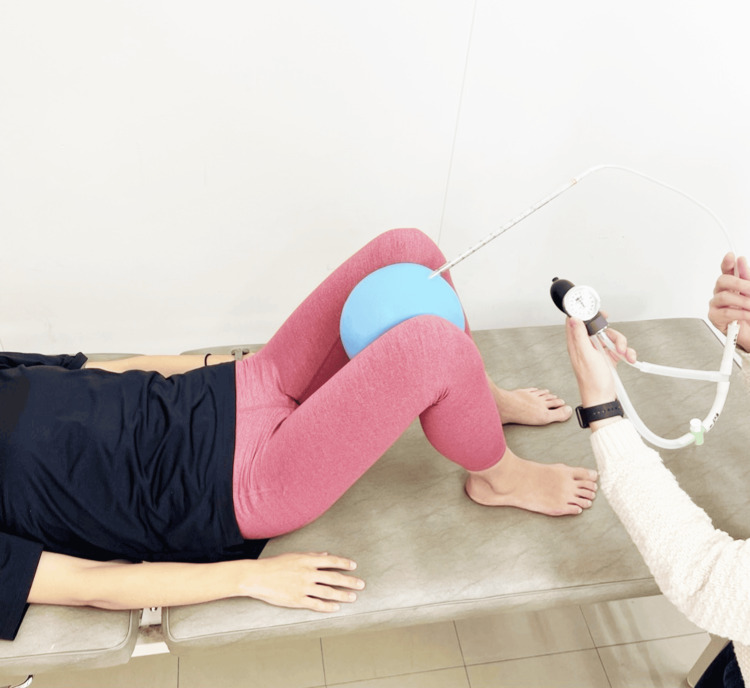 Figure 4
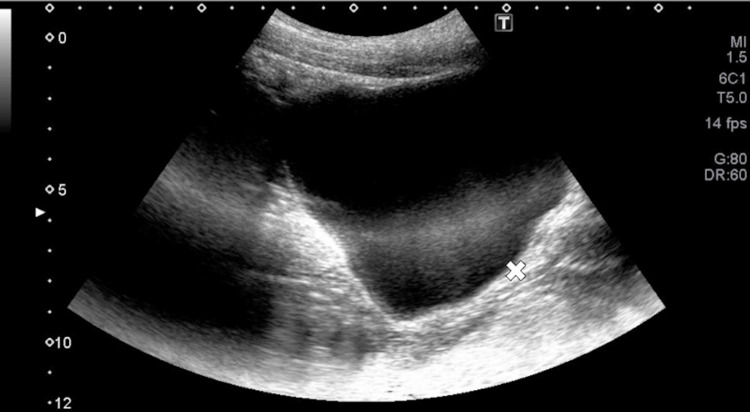 Figure 5
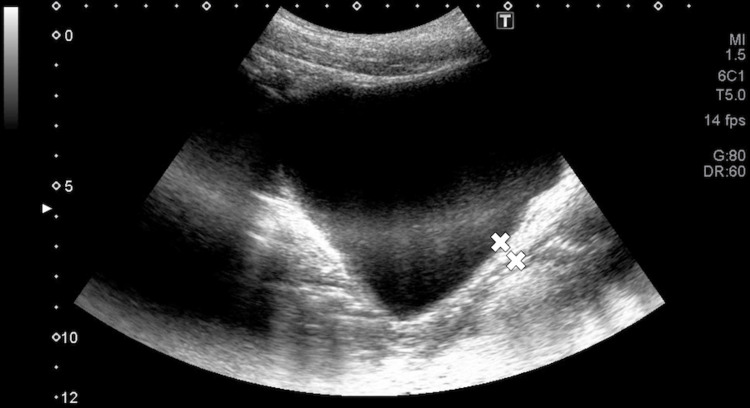 Figure 6
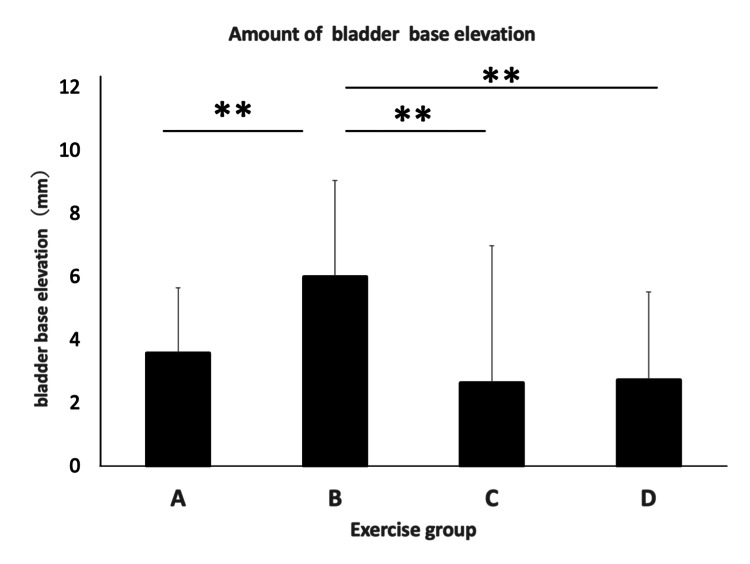 Figure 7
Peer Reviews
No public reviews on file for this paper yet. If you reviewed it on a platform where reviews are public (OpenReview, ICLR, NeurIPS, ICML), you can paste yours below so the community can read it here.
Videos
No videos yet. Explain this paper in a talk, walkthrough, or lecture? Add one.
Taxonomy
TopicsPelvic floor disorders treatments · Musculoskeletal pain and rehabilitation · Sports injuries and prevention