Probing the Interaction of Diester Internal Donors (ID) with AlEt3 on Ziegler-Natta Surfaces: A Comparison Between Binary (MgCl2/ID) and Ternary (MgCl2/ID/TiCl4) Formulations
Felicia Daniela Cannavacciuolo, Giuseppe Antinucci, Roberta Cipullo, Vincenzo Busico

TL;DR
This paper investigates how diester internal donors interact with AlEt3 in Ziegler-Natta catalysts, comparing binary and ternary formulations.
Contribution
The study reveals that diester extraction by AlEt3 is less in ternary formulations, depending on diester structure.
Findings
Ternary mixtures show lower ID extraction by AlEt3 compared to binary mixtures.
The extent of reduced extraction depends on the structural diversity of diester IDs.
Residual diester influences catalytic behavior even after partial extraction.
Abstract
Organic electron donors are essential components of Ziegler-Natta (ZN) catalysts to produce isotactic polypropylene. In particular, aromatic or aliphatic diesters are widely used as ‘Internal Donors’ (ID) in MgCl2/ID/TiCl4 precatalyst formulations. Diesters are reactive with AlEt3 (by far the most common ZN precatalyst activator) and are partly removed from the solid phase in the early stages of the polymerization process; this is detrimental for catalyst functioning, and a surrogate donor (‘External Donor’ (ED), usually an alkoxysilane) is added to the system to restore performance. Recent studies, however, demonstrated that even in cases where most of the diester is extracted by AlEt3, the active sites retain a ‘memory’ of it in several aspects of the catalytic behavior (such as, e.g., the average productivity and the polydispersity index of the polymer produced). Considering that the…
Genes, proteins, chemicals, diseases, species, mutations and cell lines named across the full text — each resolved to its canonical identifier and authoritative record.
Click any figure to enlarge with its caption.
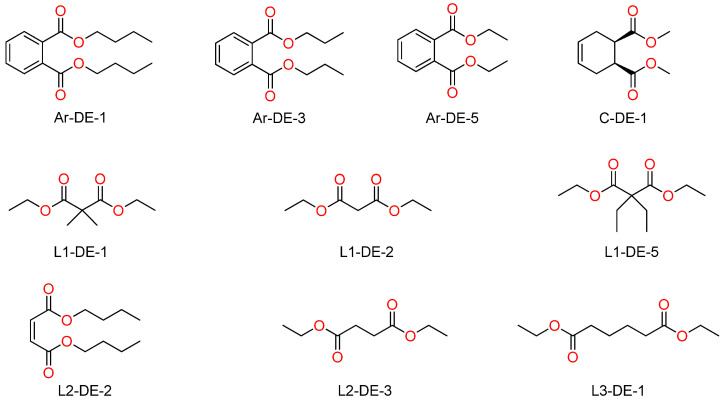 Figure 1
 Figure 2
 Figure 3
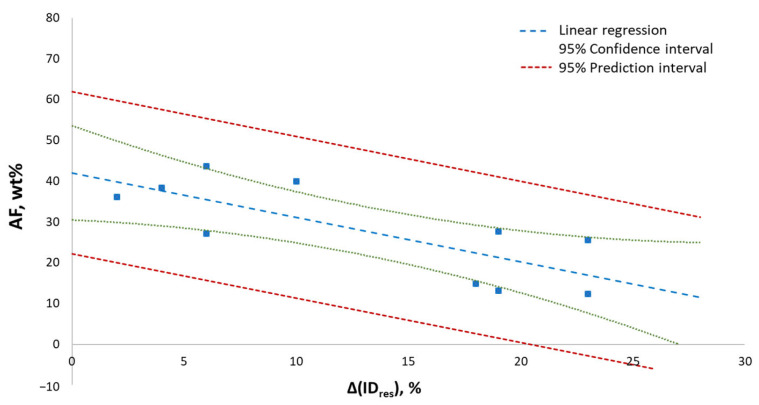 Figure 4
Peer Reviews
No public reviews on file for this paper yet. If you reviewed it on a platform where reviews are public (OpenReview, ICLR, NeurIPS, ICML), you can paste yours below so the community can read it here.
Videos
No videos yet. Explain this paper in a talk, walkthrough, or lecture? Add one.
Taxonomy
TopicsInorganic Chemistry and Materials · Ammonia Synthesis and Nitrogen Reduction · MXene and MAX Phase Materials