Preparation of g-C3N4/Co3O4/NS-CQDs Composite Materials and Their Application in the Detection of Hydrogen Peroxide and Glucose
Chang Feng, Yufeng Chen, Weie Wang, Yanan Niu, Xi Cao, Yuguang Lv

TL;DR
Scientists created a new composite material that can detect hydrogen peroxide and glucose more efficiently by combining g-C3N4 with NS-CQDs and Co3O4.
Contribution
The novel contribution is the development of a ternary composite with enhanced peroxidase activity for detecting H2O2 and glucose.
Findings
Co3O4 doping improves catalytic activity by providing more activation sites and accelerating electron transfer.
The composite detected hydrogen peroxide with a detection limit of 0.031 μM and glucose with a detection limit of 1.024 μM.
The highest activity was observed at 5% floral Co3O4 due to its hydroxyl-radical mechanism.
Abstract
g-C3N4, a biocompatible material, has prominent applications in biology and is ideal for nano-enzyme studies. Though reported as a peroxidase mimic, its activity remains low. This group combined N,S-doped carbon quantum dots (NS-CQDs) with g-C3N4 (7NSC-g), verifying its peroxidase-like activity. Based on this, a ternary composite of Co3O4 in different forms and 7NSC-g was developed to enhance peroxidase activity, to design a g-C3N4-based composite enzyme. Characterizations determined the composition and morphology. Colorimetry evaluated peroxidase activity, where the simulated enzyme catalyzes blue product formation from the TMB substrate in the presence of H2O2. UV-Vis spectrophotometry measured absorbance changes to determine target concentrations. The results show Co3O4 doping improves catalytic activity, with larger specific surface area providing more activation sites. The highest…
Genes, proteins, chemicals, diseases, species, mutations and cell lines named across the full text — each resolved to its canonical identifier and authoritative record.
Click any figure to enlarge with its caption.
 Figure 1
 Figure 2
 Figure 3
 Figure 4
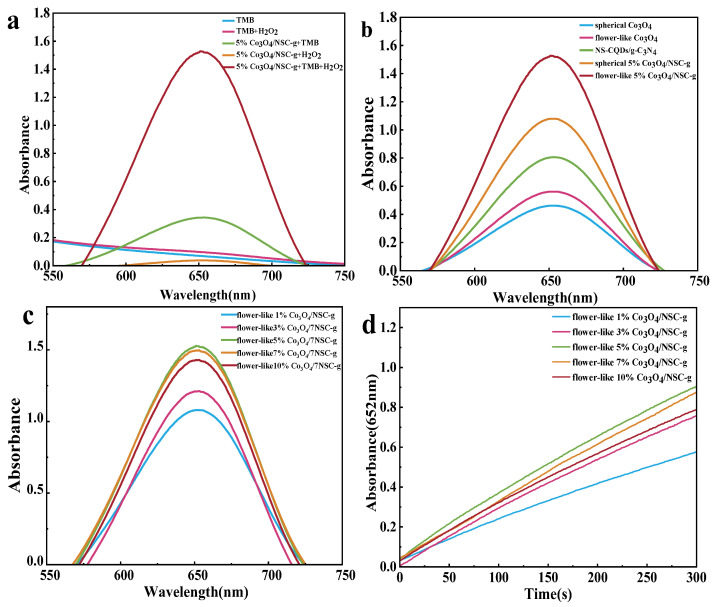 Figure 5
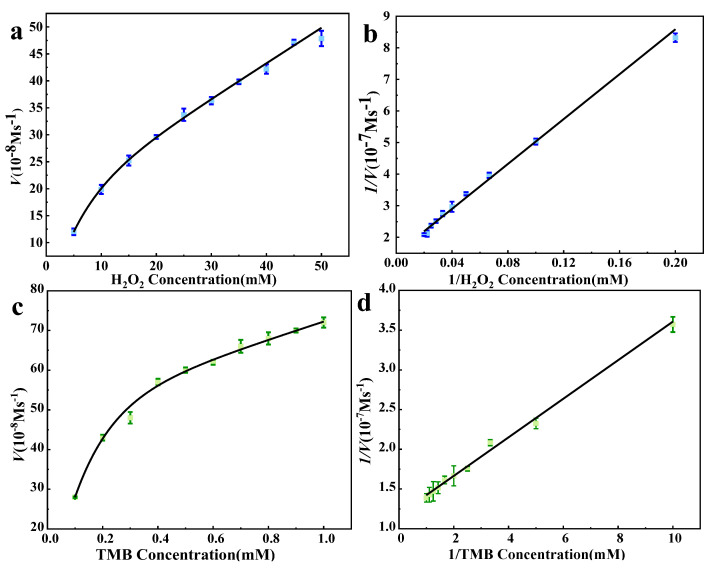 Figure 6
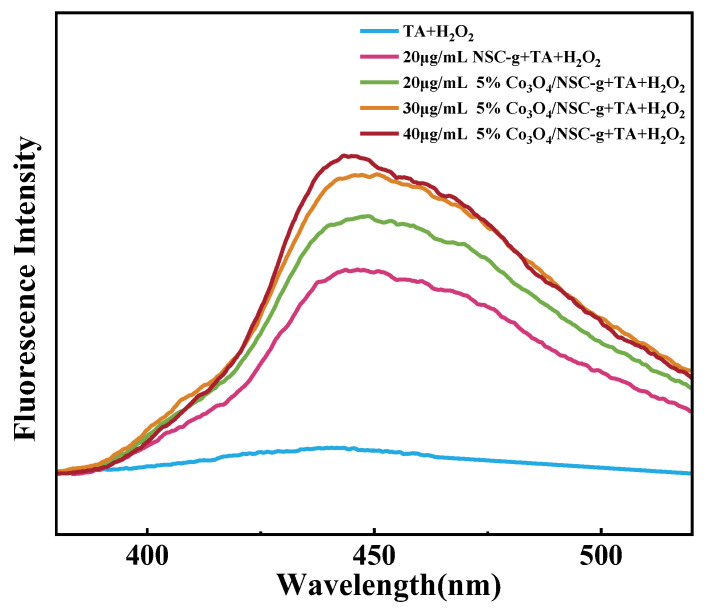 Figure 7
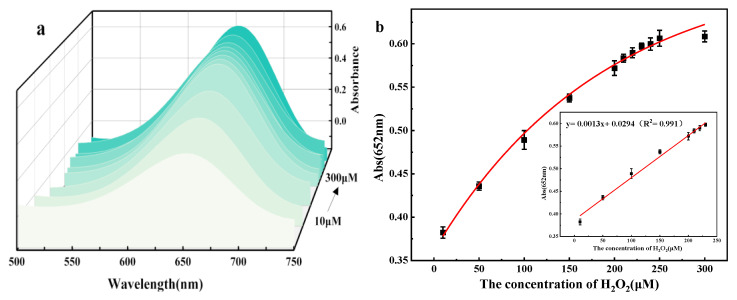 Figure 8
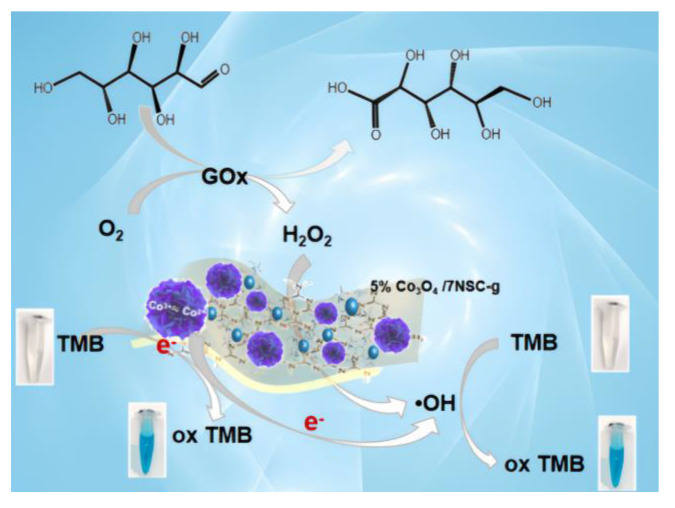 Figure 9
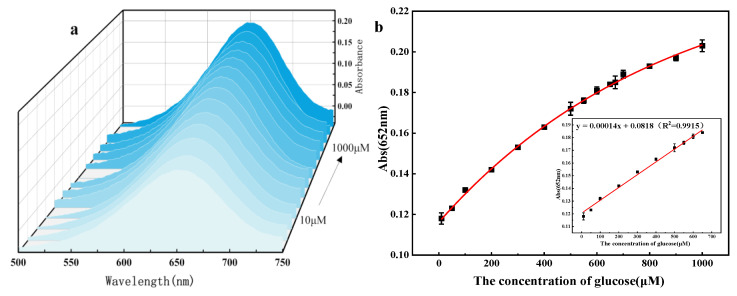 Figure 10
Peer Reviews
No public reviews on file for this paper yet. If you reviewed it on a platform where reviews are public (OpenReview, ICLR, NeurIPS, ICML), you can paste yours below so the community can read it here.
Videos
No videos yet. Explain this paper in a talk, walkthrough, or lecture? Add one.
Taxonomy
TopicsAdvanced Nanomaterials in Catalysis · Electrochemical sensors and biosensors · Advanced biosensing and bioanalysis techniques