Electrospun Bis(2,4,4-trimethylpentyl) Tetradecyltrihexylphosphinate/Polyacrylonitrile Nanofiber Membranes with Enhanced Benzene, Toluene, and Xylene Adsorption Performance and Regenerability
Changchang Wang, Xinrong Tao, Fengjen Chu

TL;DR
This paper introduces a new nanofiber membrane that effectively captures and removes harmful VOCs like benzene, toluene, and xylene from the air.
Contribution
The novel [P(14)666]TMPP/PAN nanofiber membrane shows significantly improved VOC adsorption and regenerability.
Findings
The membrane achieved maximum adsorption capacities of 1466.81, 569.14, and 456.29 mg/g for benzene, toluene, and xylene.
The membrane retained performance after four adsorption–desorption cycles.
The 80 wt% ionic liquid membrane showed 23.6-, 4.8-, and 8.4-fold enhancements over pristine PAN.
Abstract
Volatile organic compounds (VOCs) significantly contribute to atmospheric pollution and present considerable health hazards. This study involves the fabrication of a novel ionic liquid/polymer nanofiber membrane, [P(14)666]TMPP/PAN, using electrospinning, and its subsequent evaluation for adsorption performance concerning typical aromatic volatile organic compounds—benzene, toluene, and xylene. The membranes were methodically analysed utilising SEM, TGA, FTIR, and XRD techniques. Adsorption tests indicated that augmenting the [P(14)666]TMPP loading improved VOC uptake, with the 80 wt% ionic liquid membrane attaining maximum adsorption capacities of 1466.81, 569.14, and 456.29 mg/g for benzene, toluene, and xylene, respectively—signifying enhancements of 23.6-, 4.8-, and 8.4-fold compared to pristine PAN. Furthermore, regeneration studies validated consistent performance across four…
Genes, proteins, chemicals, diseases, species, mutations and cell lines named across the full text — each resolved to its canonical identifier and authoritative record.
Click any figure to enlarge with its caption.
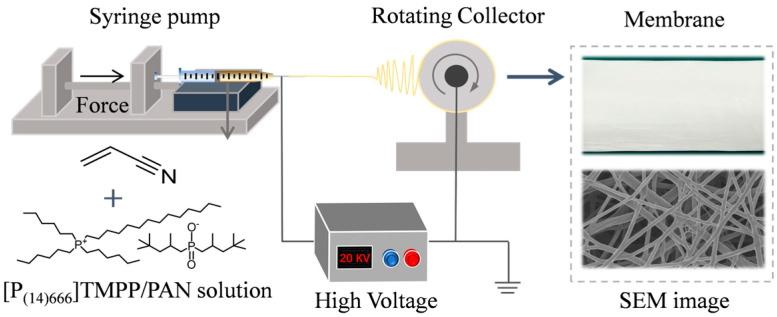 Figure 1
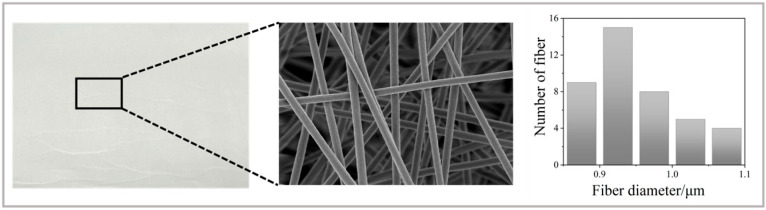 Figure 2
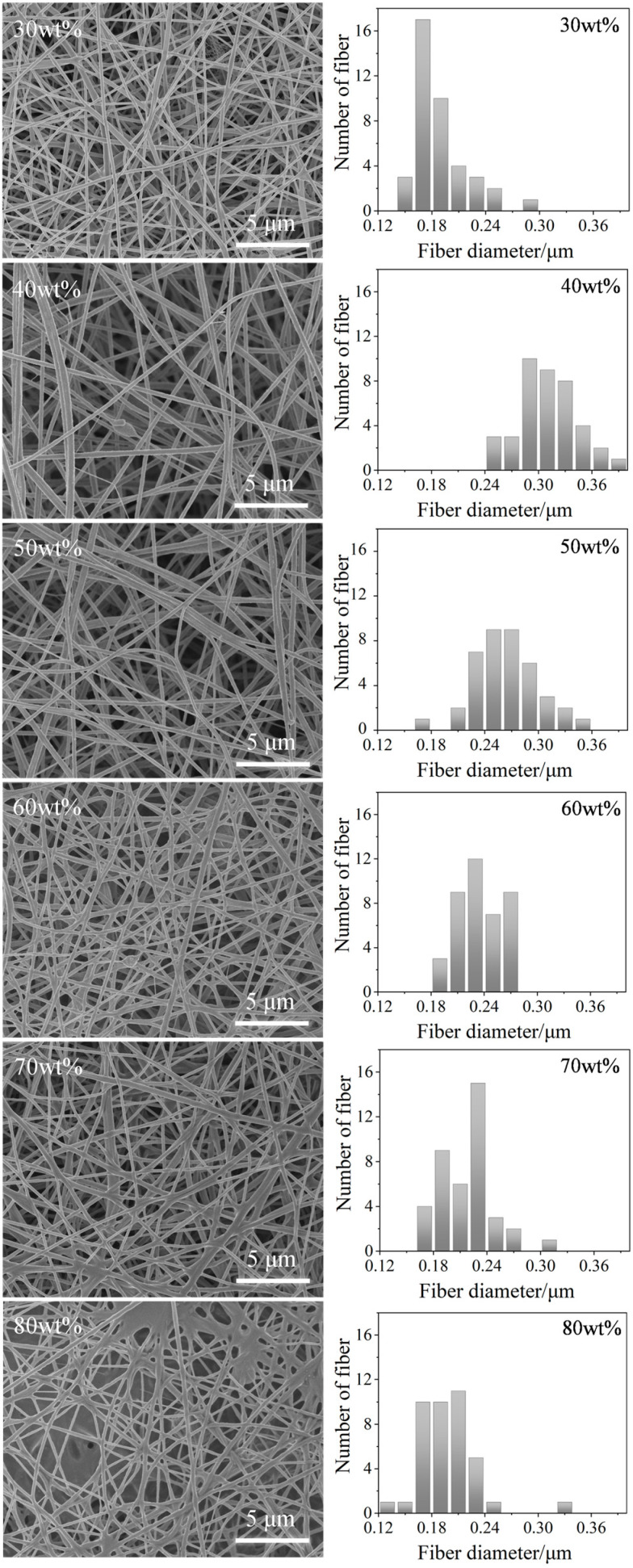 Figure 3
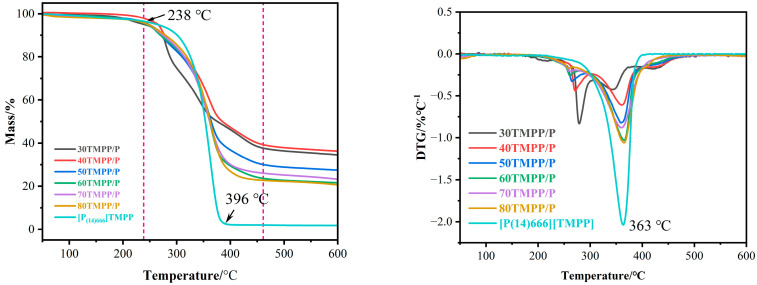 Figure 4
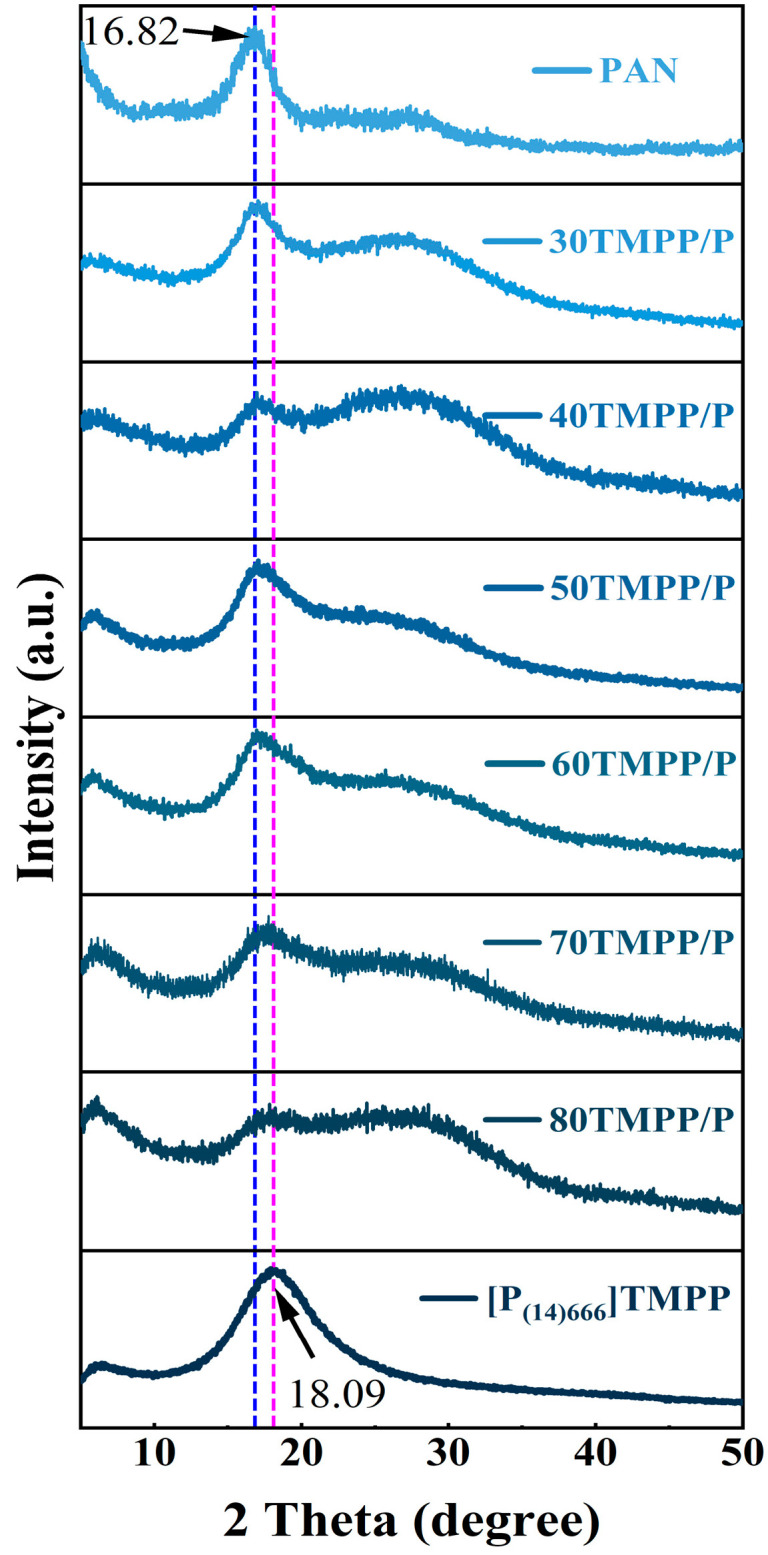 Figure 5
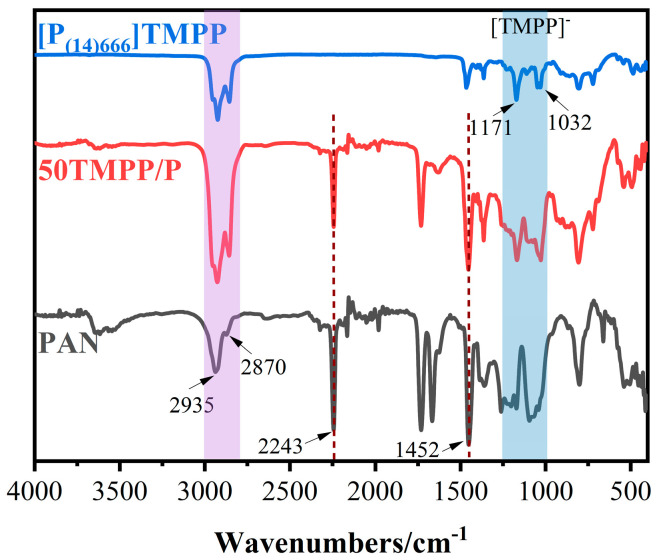 Figure 6
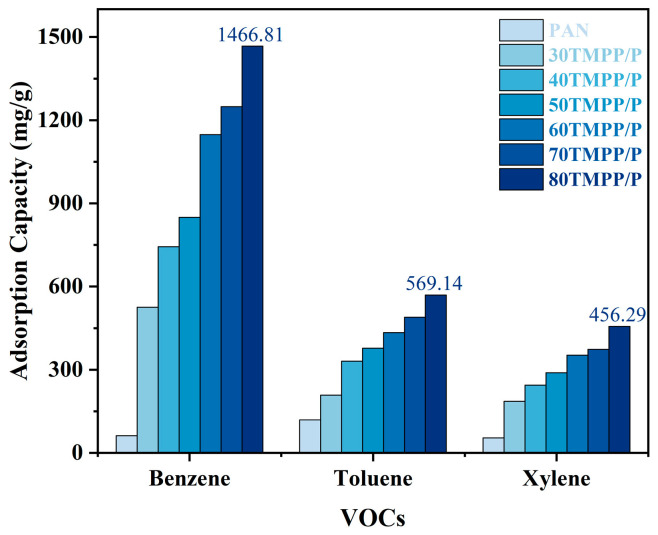 Figure 7
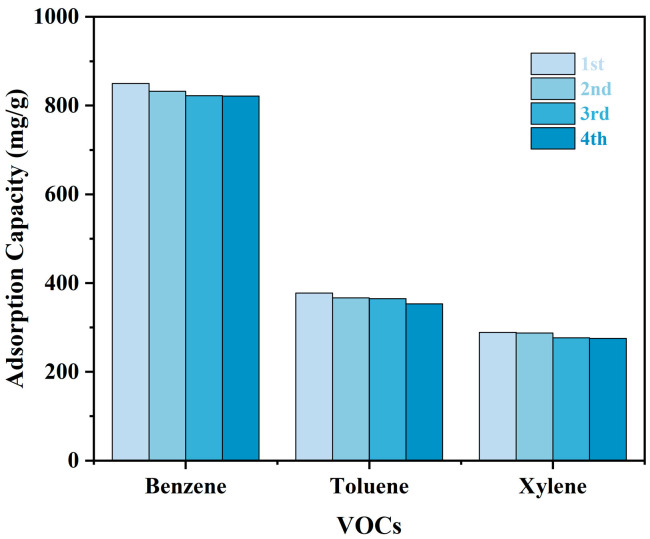 Figure 8
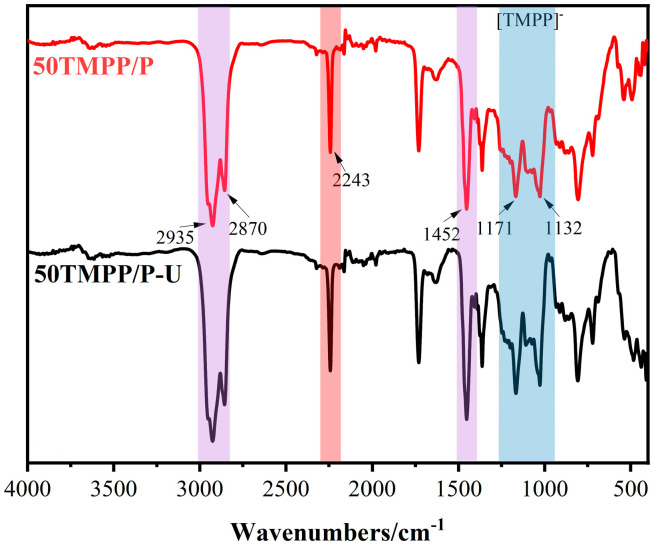 Figure 9
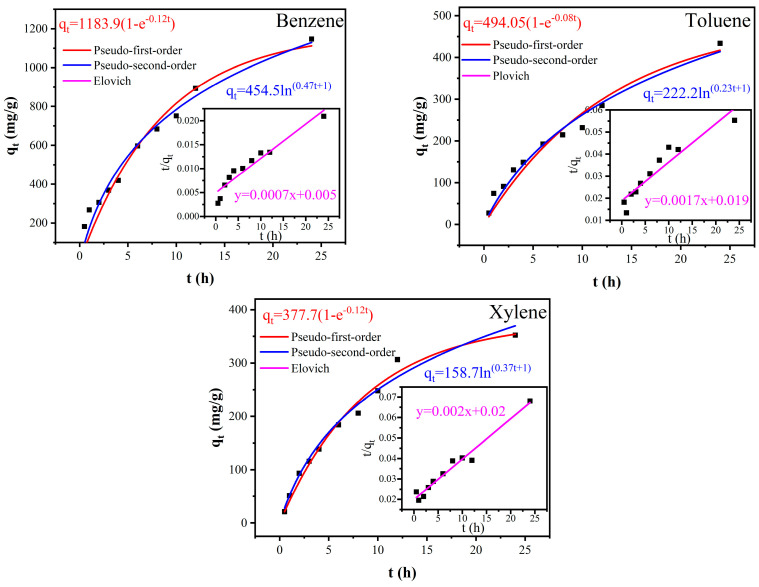 Figure 10
Peer Reviews
No public reviews on file for this paper yet. If you reviewed it on a platform where reviews are public (OpenReview, ICLR, NeurIPS, ICML), you can paste yours below so the community can read it here.
Videos
No videos yet. Explain this paper in a talk, walkthrough, or lecture? Add one.
Taxonomy
TopicsCatalytic Processes in Materials Science · Ionic liquids properties and applications · Supercapacitor Materials and Fabrication