Zinc Oxide Nanorod-Based Sensor for Precision Detection and Estimation of Residual Pesticides on Tea Leaves
Baharul Islam, Rakesh A. Afre, Sunandan Baruah, Diego Pugliese

TL;DR
A new sensor using zinc oxide nanorods can detect and measure pesticides on tea leaves, offering a fast and reliable way to ensure food safety.
Contribution
The novel use of ZnO nanorods enables precise, real-time detection of quinalphos and thiamethoxam pesticide residues on tea leaves.
Findings
The sensor shows high sensitivity and selectivity for detecting quinalphos and thiamethoxam pesticides.
The sensor exhibits a linear resistance–concentration relationship for quinalphos and a non-linear trend for thiamethoxam.
The sensor is reliable, reproducible, and suitable for on-site pesticide monitoring.
Abstract
This study presents the development of a zinc oxide (ZnO) nanorod-based sensor for the detection and quantification of residual pesticides commonly found in tea plantations, with a focus on quinalphos and thiamethoxam. Exploiting the unique electrical characteristics of ZnO nanorods, the sensor exhibits high sensitivity and selectivity in monitoring trace levels of pesticide residues. The detection mechanism relies on measurable changes in electrical resistance when the ZnO nanorod-coated electrodes interact with varying concentrations of the target pesticides. A performance evaluation was carried out using water samples spiked with different pesticide concentrations. The sensor displayed distinct response profiles for each compound: a linear resistance–concentration relationship for quinalphos and a non-linear, saturating trend for thiamethoxam, reflecting their differential…
Genes, proteins, chemicals, diseases, species, mutations and cell lines named across the full text — each resolved to its canonical identifier and authoritative record.
Click any figure to enlarge with its caption.
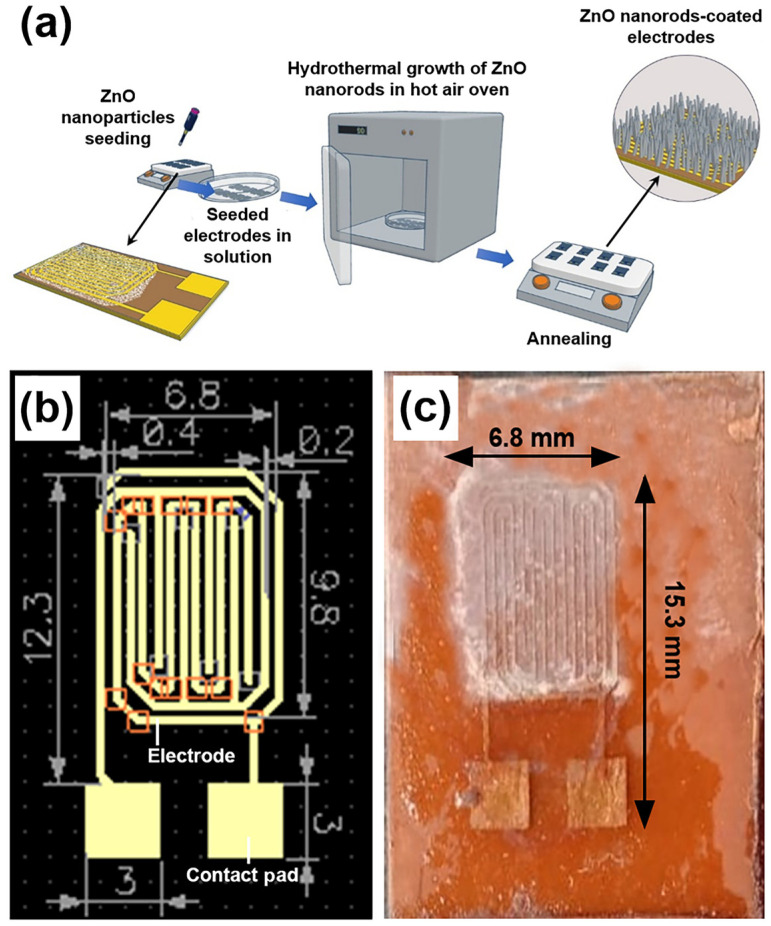 Figure 1
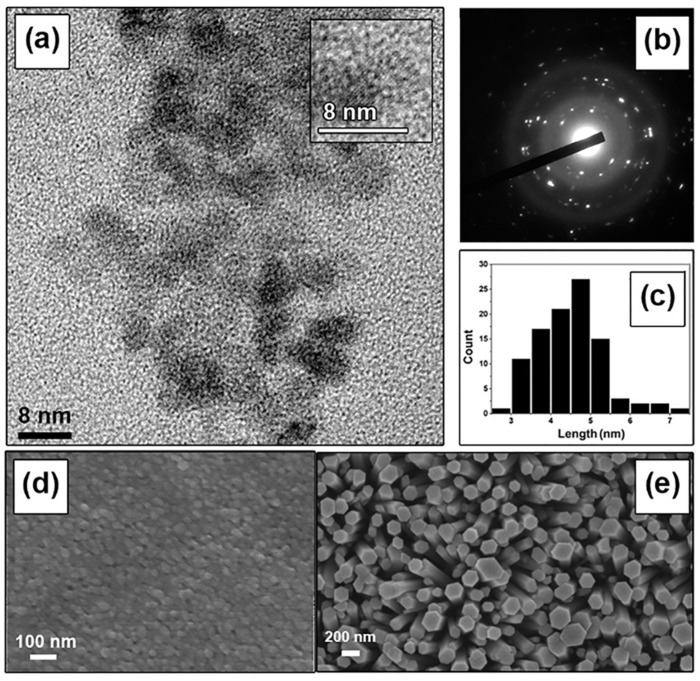 Figure 2
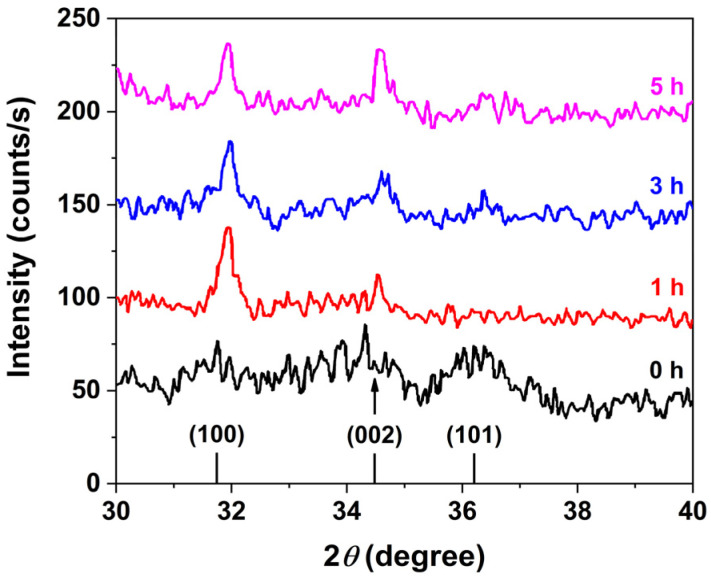 Figure 3
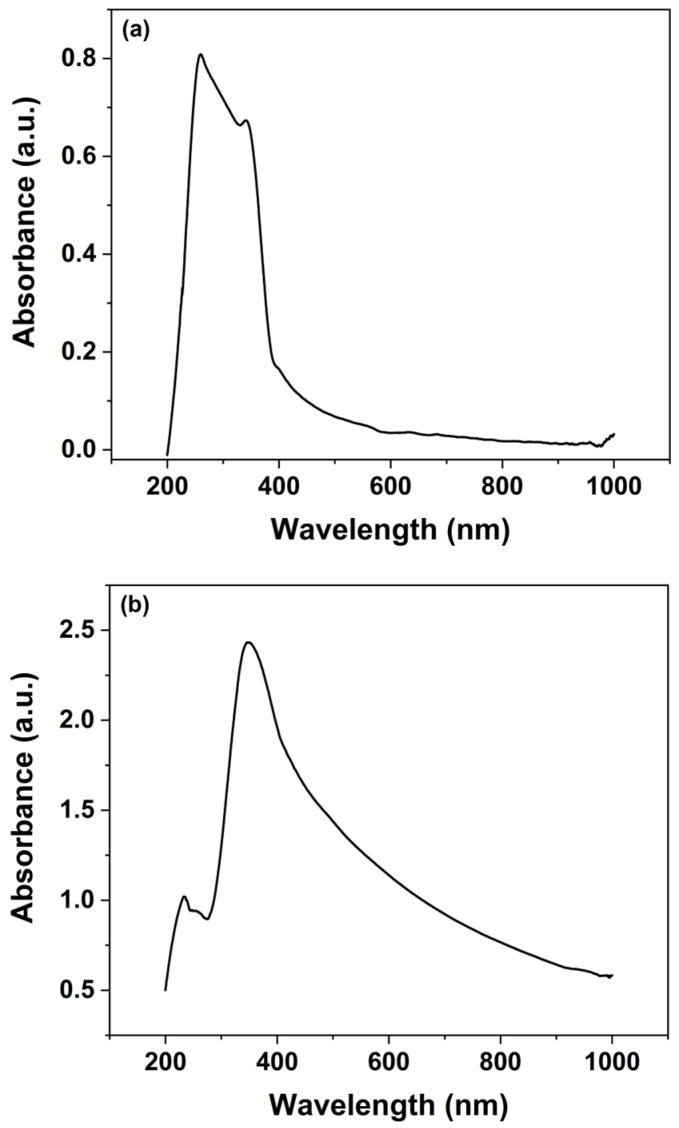 Figure 4
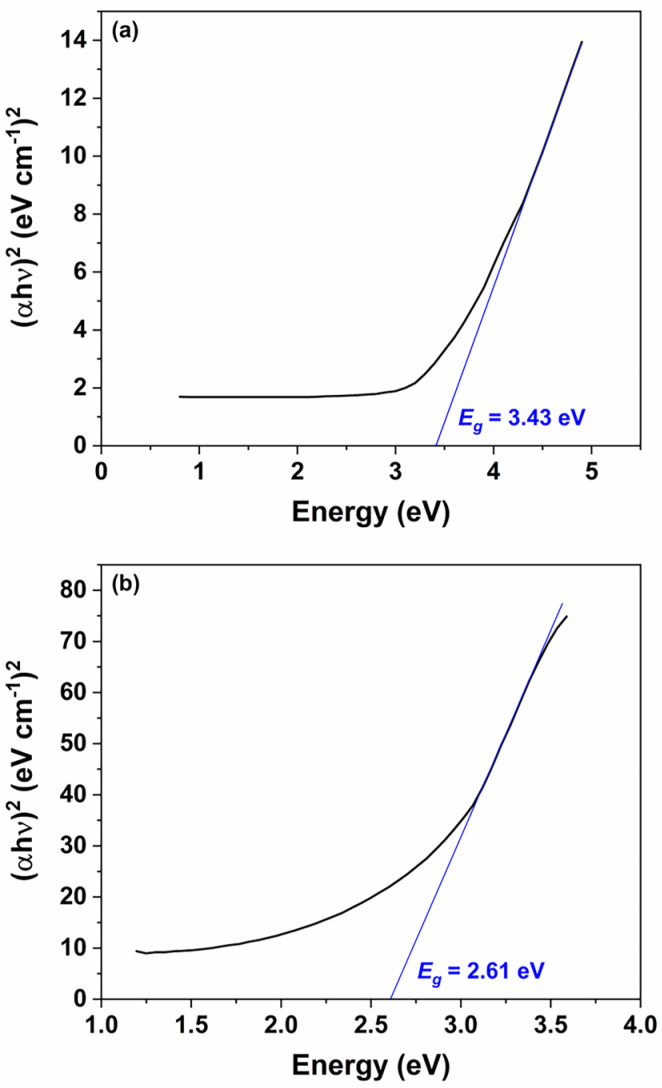 Figure 5
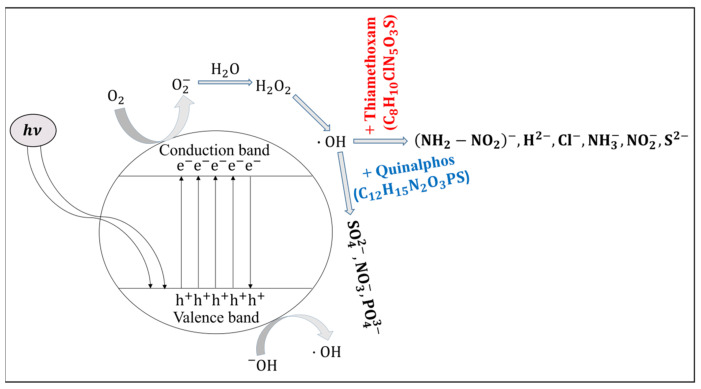 Figure 6
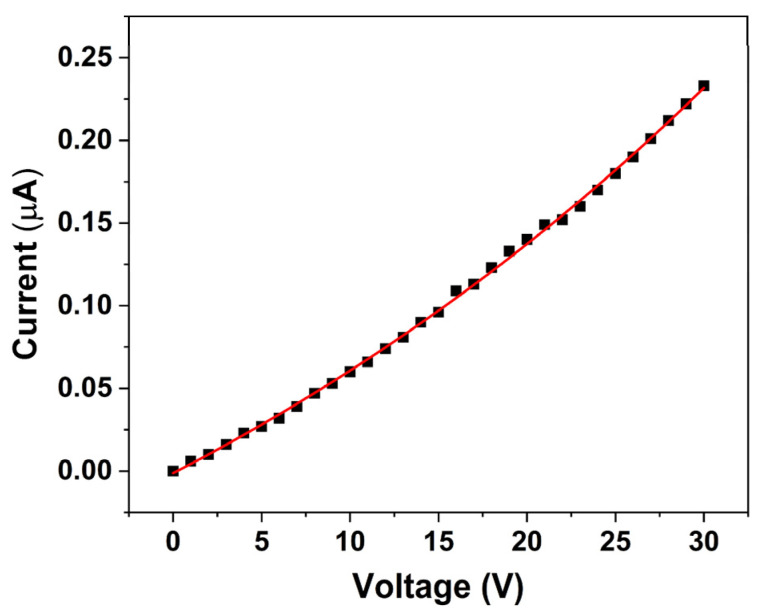 Figure 7
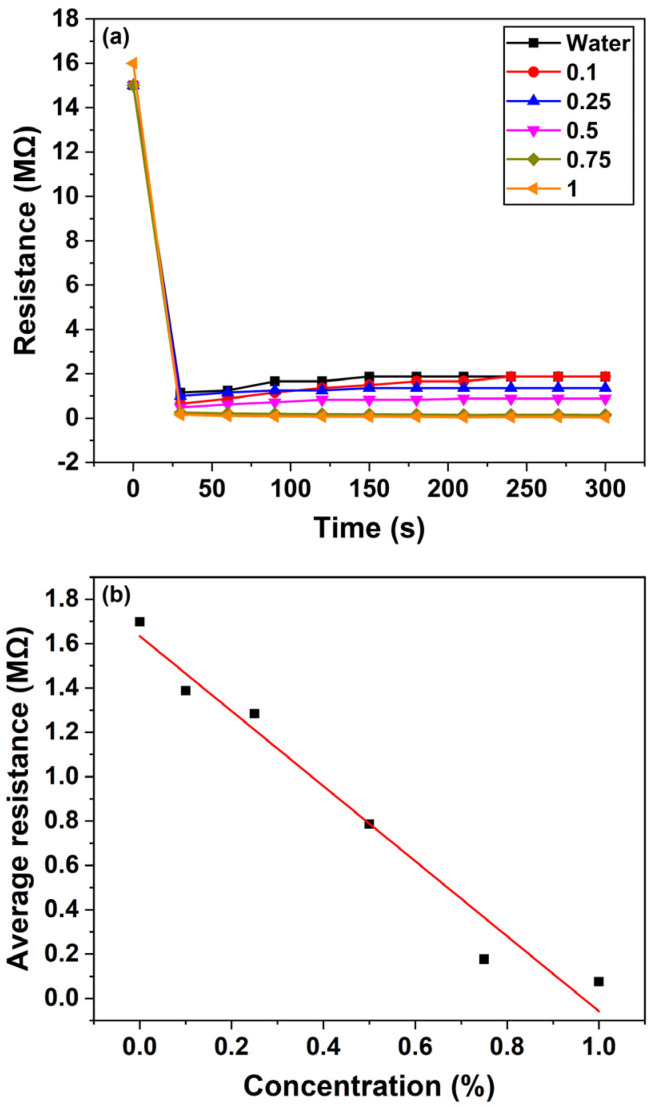 Figure 8
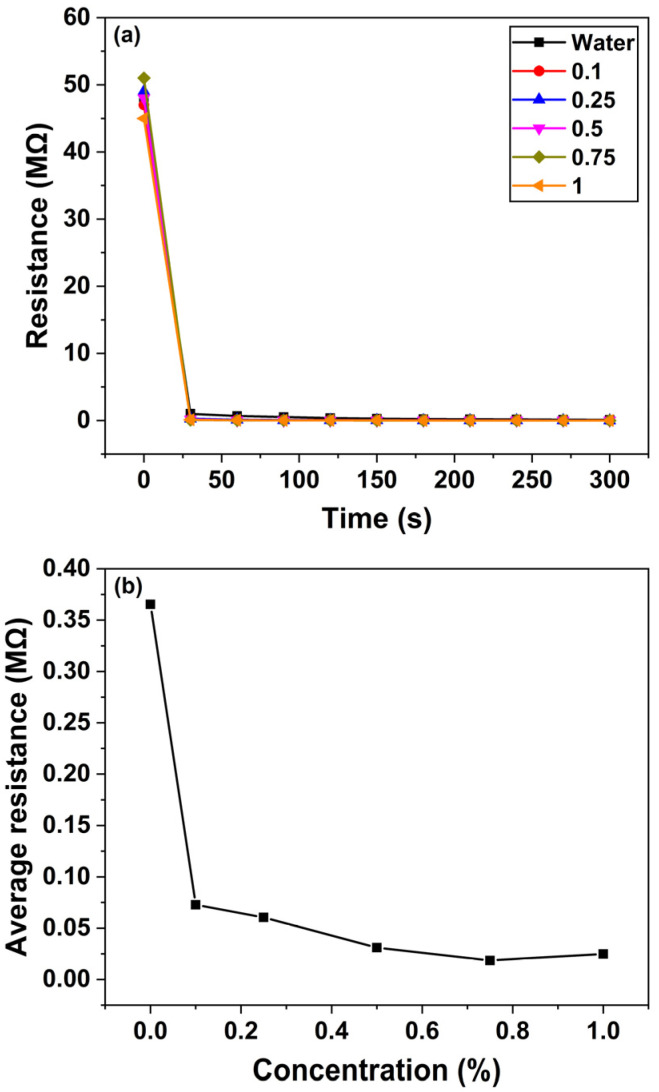 Figure 9
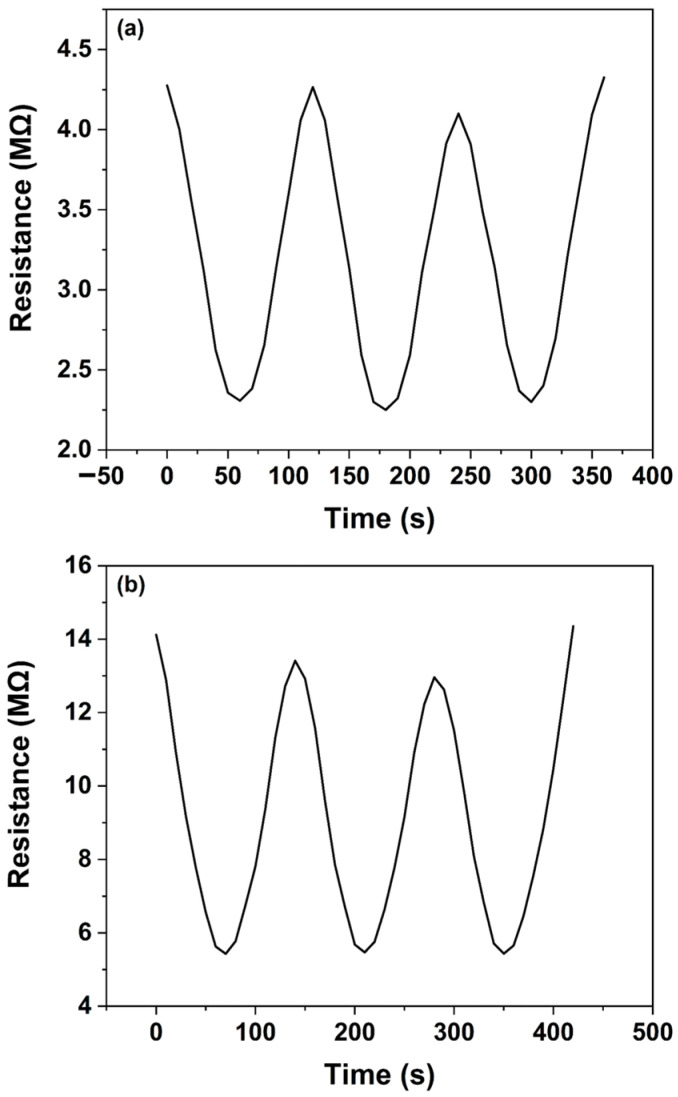 Figure 10
Peer Reviews
No public reviews on file for this paper yet. If you reviewed it on a platform where reviews are public (OpenReview, ICLR, NeurIPS, ICML), you can paste yours below so the community can read it here.
Videos
No videos yet. Explain this paper in a talk, walkthrough, or lecture? Add one.
Taxonomy
TopicsWater Quality Monitoring and Analysis · Analytical Chemistry and Sensors · Electrochemical sensors and biosensors