Microbicidal Activity of Extract Larrea tridentata (Sessé and Moc. ex DC.) Coville on Pseudomonas syringae Van Hall and Botrytis cinerea Pers
Diego Rivera-Escareño, Jorge Cadena-Iñiguez, Dalia Abigail García-Flores, Gerardo Loera-Alvarado, Lizeth Aguilar-Galaviz, María Azucena Ortega-Amaro

TL;DR
This study shows that an extract from Larrea tridentata can inhibit the growth of two harmful agricultural pathogens, Botrytis cinerea and Pseudomonas syringae.
Contribution
The study identifies Larrea tridentata as a potential source of microbicidal agents for agricultural use.
Findings
The extract inhibited Botrytis cinerea growth at 100 µg mL−1 and completely at 1000 and 2000 µg mL−1.
Pseudomonas syringae showed inhibition starting at 250 µg mL−1, increasing with higher concentrations.
Flavonoids like quercetin and apigenin are suggested to contribute to the microbicidal activity.
Abstract
Due to their secondary metabolite content, plant extracts are an alternative method for controlling pathogenic organisms in agriculture and post-harvest operations. Botrytis cinerea and Pseudomonas syringae are among the causative agents of diseases and losses in agricultural production. The species Larrea tridentata is abundant in the arid and semi-arid zones of Mexico and has no defined use; however, it contains secondary metabolites with microbicidal potential that could aid in biological control and enhance its harvest status. Growth inhibition (halo) of B. cinerea and P. syringae was evaluated by applying alcoholic extract of L. tridentata leaves at doses of 50, 100, 250, 500, 750, 1000, and 2000 µg mL−1 in vitro, using poisoned medium and potato dextrose agar for the fungus and the agar well method for the bacteria, in a completely randomized design with five replicates. The…
Genes, proteins, chemicals, diseases, species, mutations and cell lines named across the full text — each resolved to its canonical identifier and authoritative record.
Click any figure to enlarge with its caption.
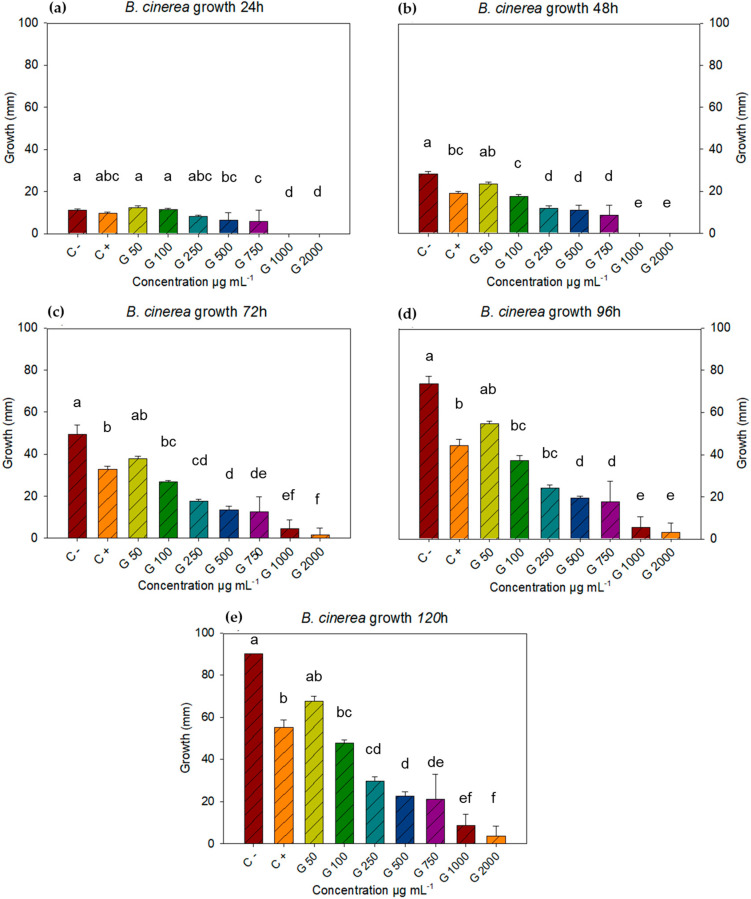 Figure 1
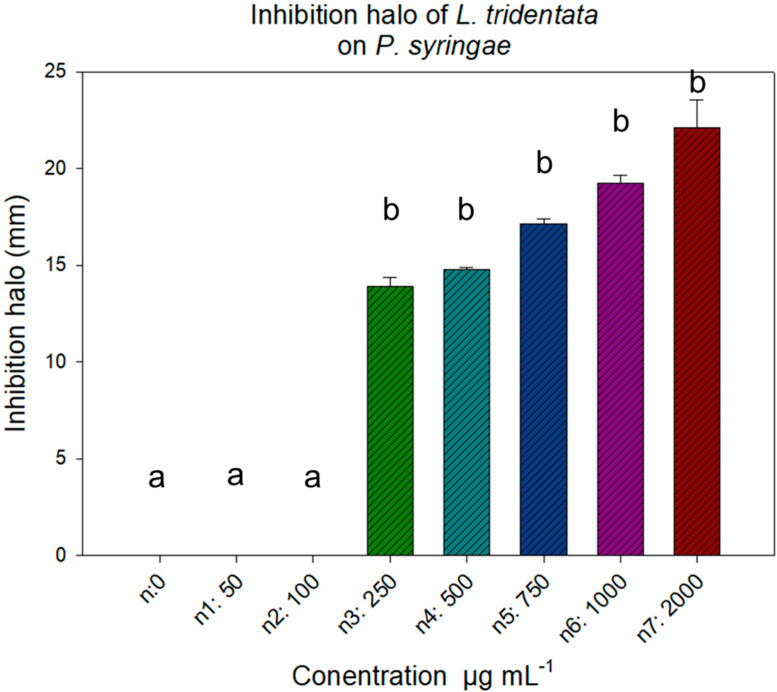 Figure 2
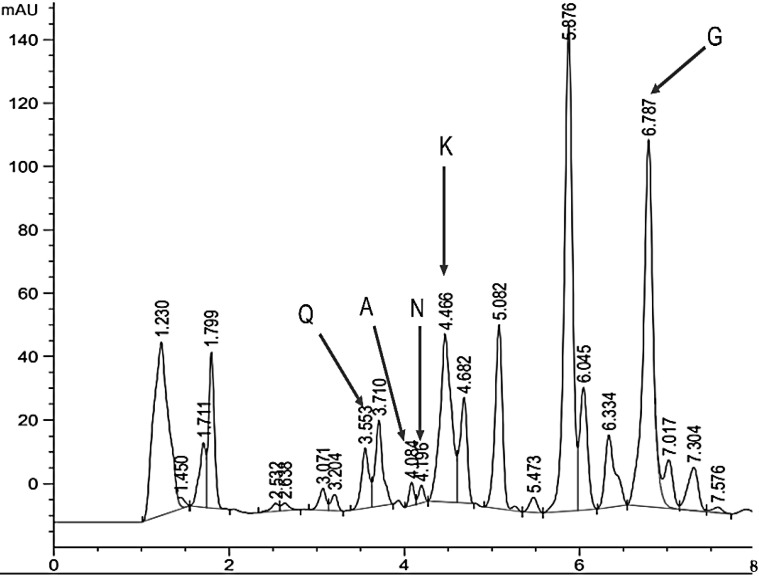 Figure 3
Peer Reviews
No public reviews on file for this paper yet. If you reviewed it on a platform where reviews are public (OpenReview, ICLR, NeurIPS, ICML), you can paste yours below so the community can read it here.
Videos
No videos yet. Explain this paper in a talk, walkthrough, or lecture? Add one.
Taxonomy
TopicsPlant-derived Lignans Synthesis and Bioactivity · Plant Parasitism and Resistance · Traditional and Medicinal Uses of Annonaceae