Application of Inertial Microfluidics for Isolation and Removal of Round Spermatids from a Spermatogenic Cell Sample to Assist In-Vitro Human Spermatogenesis
Sabin Nepal, Joey Casalini, Alex Jafek, Bruce Gale

TL;DR
This study shows that inertial microfluidics can efficiently isolate round spermatids, improving in-vitro spermatogenesis for treating male infertility.
Contribution
A custom microfluidic device was developed to achieve higher purity in spermatid isolation compared to existing methods.
Findings
A custom spiral microfluidic device achieved 86% purity in spermatid isolation in a single pass.
The device outperformed STA-PUT, which only achieved 38% purity.
The custom device avoided clogging issues seen in commercial alternatives.
Abstract
In-vitro spermatogenesis holds great potential in addressing male infertility, yet one of the main challenges is separating round spermatids from other germ cells in spermatogonial stem cell cultures. STA-PUT, a method based on velocity sedimentation, has been extensively tested for this application. Though somewhat effective, it requires bulky, expensive equipment and significant time. In contrast, the method of inertial microfluidics offers a compact, cost-effective, and faster alternative. In this study, we designed, fabricated, and tested a microfluidic spiral channel for isolating round spermatids and purifying spermatogenic cells. A commercially available spiral device close to the calculated specifications was tested for rapid prototyping, achieving 79% purity for non-spermatid cells in a single pass, with ability to achieve higher purity through repeated passes. However, the…
Genes, proteins, chemicals, diseases, species, mutations and cell lines named across the full text — each resolved to its canonical identifier and authoritative record.
Click any figure to enlarge with its caption.
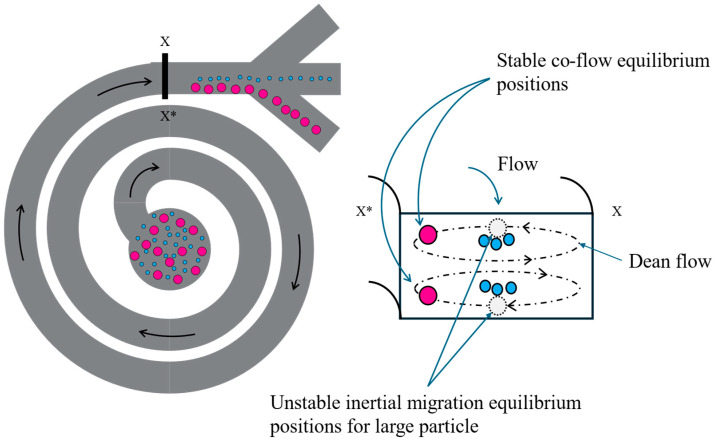 Figure 1
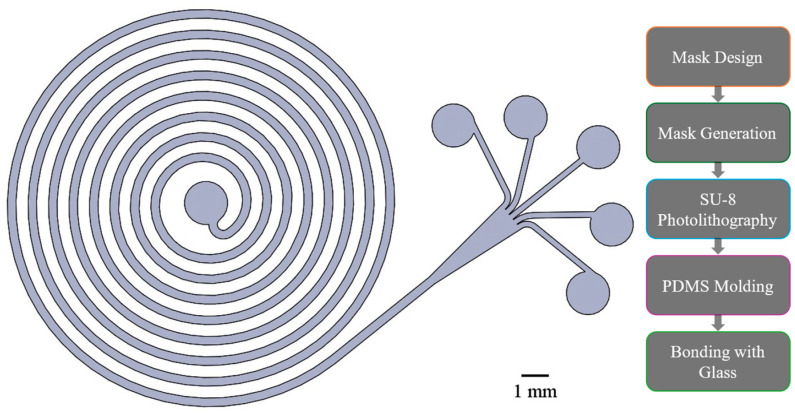 Figure 2
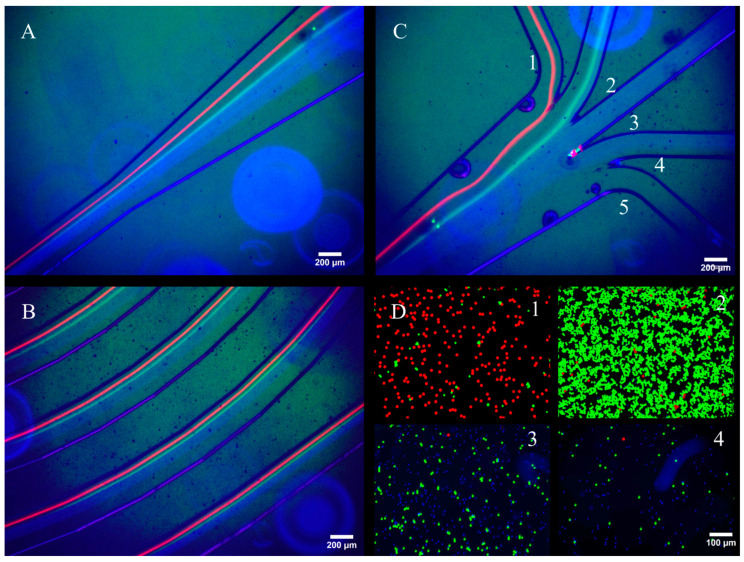 Figure 3
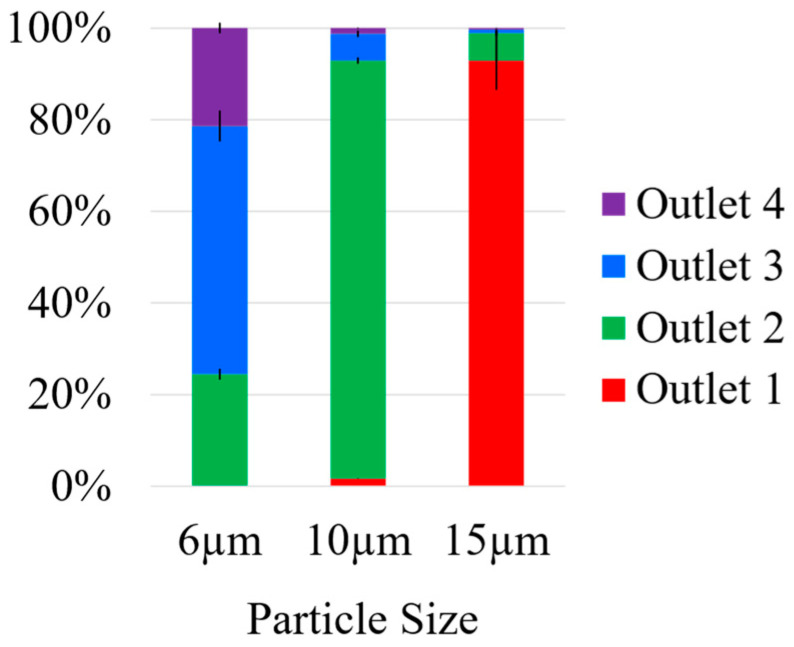 Figure 4
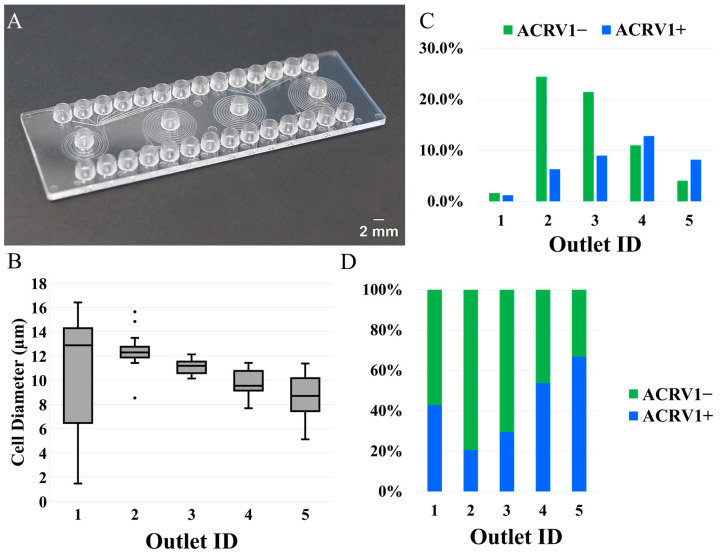 Figure 5
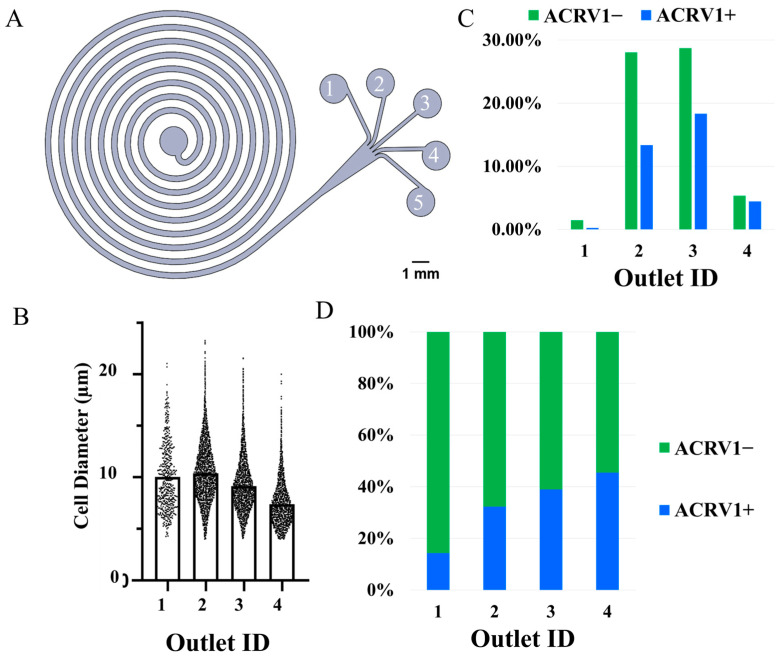 Figure 6
Peer Reviews
No public reviews on file for this paper yet. If you reviewed it on a platform where reviews are public (OpenReview, ICLR, NeurIPS, ICML), you can paste yours below so the community can read it here.
Videos
No videos yet. Explain this paper in a talk, walkthrough, or lecture? Add one.
Taxonomy
TopicsMicrofluidic and Bio-sensing Technologies · Magnetic and Electromagnetic Effects · 3D Printing in Biomedical Research