Particle and Cell Separation in Deterministic Lateral Displacement Arrays with Inverse L-Shaped Pillars
Hao Jiang, Fengyang Zhang, Zhou Fan, Chundong Zhang, Zunmin Zhang

TL;DR
This paper studies how inverse L-shaped pillars in microfluidic devices can separate particles and cells more efficiently, based on their size and deformability.
Contribution
The study introduces inverse L-shaped pillars in DLD arrays and shows they reduce critical separation size and act as deformability sensors.
Findings
Inverse L-shaped pillars allow for a smaller critical separation size compared to circular pillars.
These pillars induce stiffness-dependent cell trajectory bifurcation, enabling sorting by deformability.
A predictive formula for critical separation size was developed through simulations.
Abstract
Deterministic lateral displacement (DLD) has emerged as a powerful microfluidic technique for label-free particle separation with high resolution. Although recent innovations in pillar geometry have broadened its biomedical applications, the fundamental mechanisms dictating flow behavior and separation efficiency remain not fully understood. In this study, we conducted dissipative particle dynamics simulations to systematically investigate the separation of rigid spherical particles and red blood cells (RBCs) in DLD arrays with inverse L-shaped pillars. The simulations established a predictive formula for the critical separation size in such devices and demonstrated that inverse L-shaped pillars enabled a reduced critical separation size compared with conventional circular pillars. Additionally, we revealed that the inverse L-shaped pillars could act as deformability sensors, promoting…
Genes, proteins, chemicals, diseases, species, mutations and cell lines named across the full text — each resolved to its canonical identifier and authoritative record.
Click any figure to enlarge with its caption.
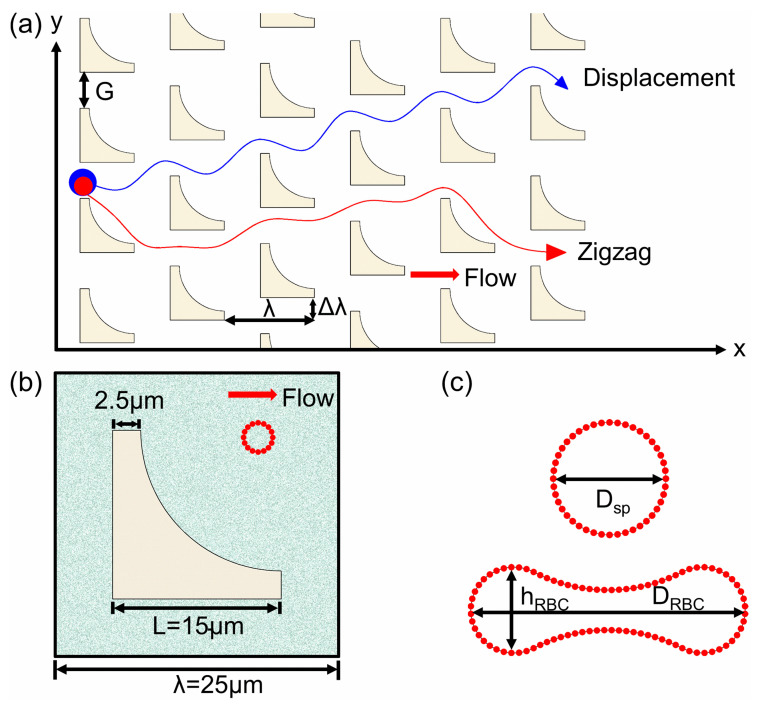 Figure 1
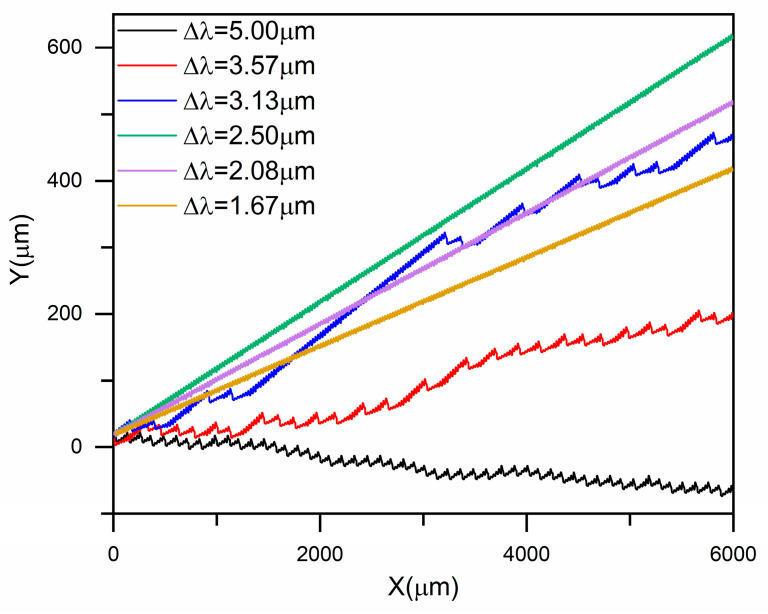 Figure 2
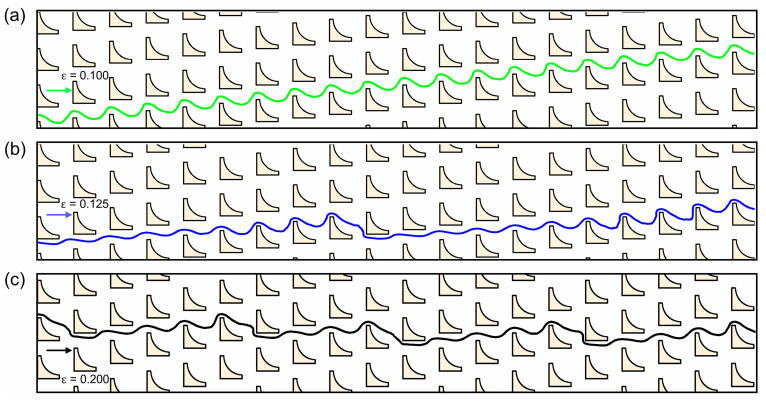 Figure 3
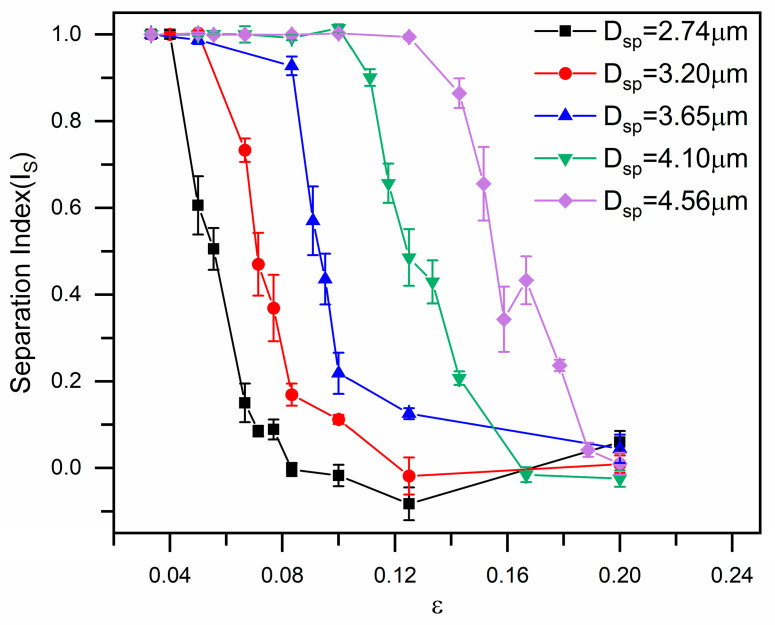 Figure 4
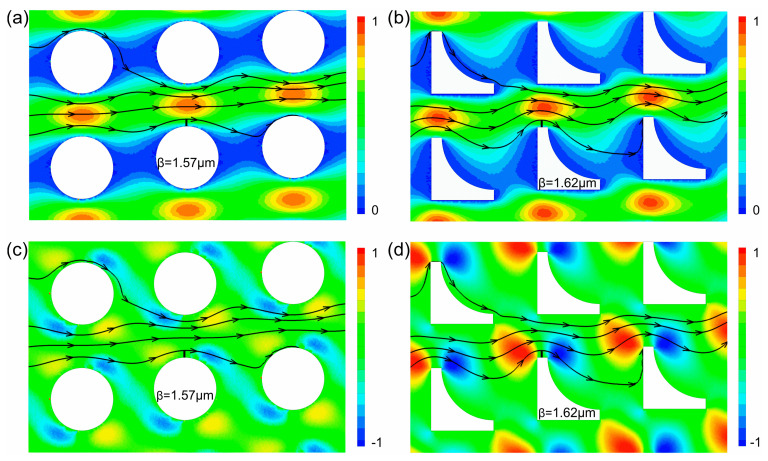 Figure 5
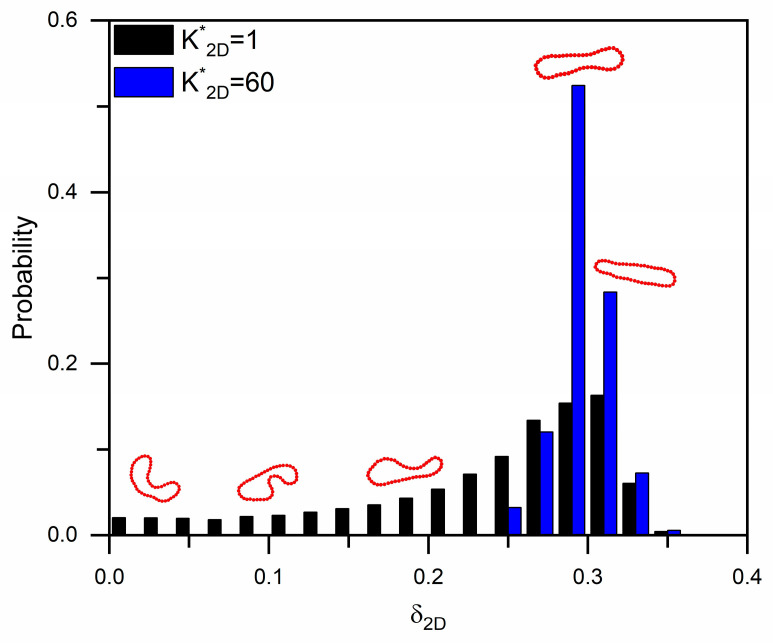 Figure 6
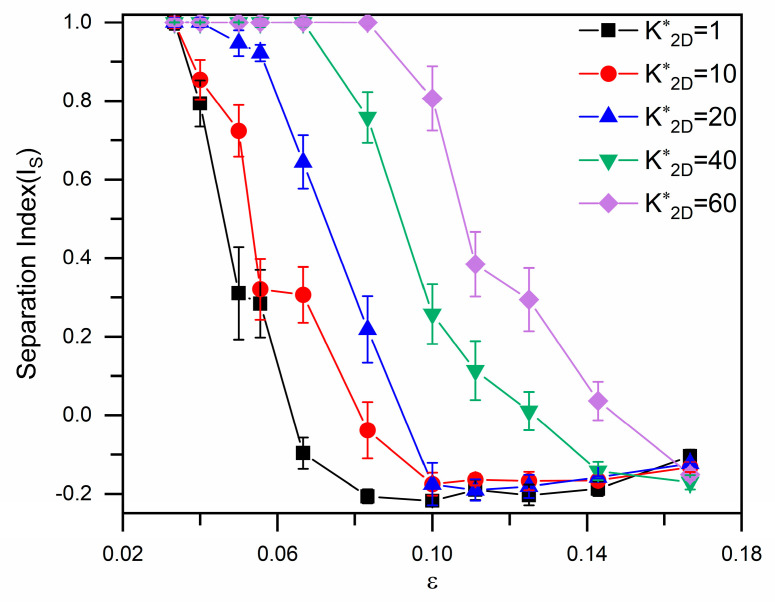 Figure 7
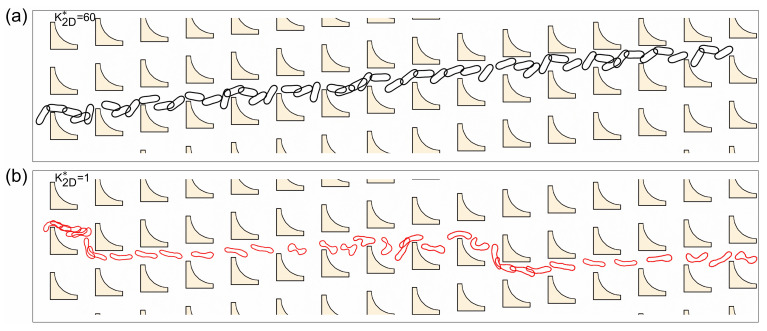 Figure 8
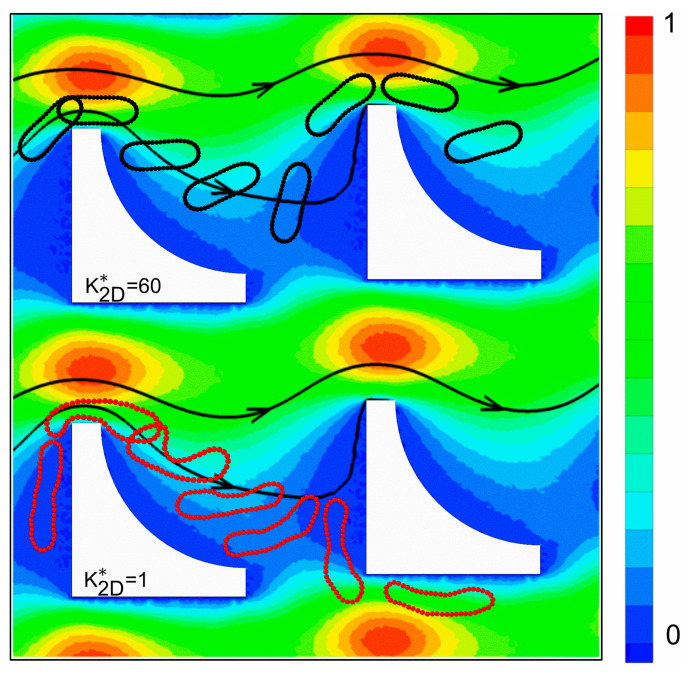 Figure 9
Peer Reviews
No public reviews on file for this paper yet. If you reviewed it on a platform where reviews are public (OpenReview, ICLR, NeurIPS, ICML), you can paste yours below so the community can read it here.
Videos
No videos yet. Explain this paper in a talk, walkthrough, or lecture? Add one.
Taxonomy
TopicsMicrofluidic and Bio-sensing Technologies · Electrostatics and Colloid Interactions · Microfluidic and Capillary Electrophoresis Applications