Exogenous Ketone Supplementation Enhances the Anti-Epileptic Effect of Levetiracetam in Wistar Albino Glaxo/Rijswijk Rats
Enikő Rauch, Csilla Ari, Dominic P. D’Agostino, Zsolt Kovács

TL;DR
Exogenous ketones combined with levetiracetam reduce epileptic activity in rats more effectively than either treatment alone.
Contribution
This study shows that exogenous ketone supplementation enhances the anti-epileptic effect of levetiracetam in a rat model.
Findings
Levetiracetam and ketone ester/salt food alone reduced spike-wave discharges in WAG/Rij rats.
Combining levetiracetam with ketone ester/salt food further enhanced the anti-absence epileptic effect.
Ketone supplementation increased blood R-beta-hydroxybutyrate levels without affecting blood glucose.
Abstract
Background: It has been demonstrated that levetiracetam can decrease absence epileptic activity in both human patients and different types of animal models of absence epilepsy, such as the genetically absence epileptic Wistar Albino Glaxo/Rijswijk (WAG/Rij) rat. It was also suggested previously that exogenous ketone supplements (EKSs)-evoked ketosis not only decreases the number of spike-wave discharges (SWDs) but also enhances the anti-absence epileptic effect of pyrimidine nucleoside uridine in WAG/Rij rats. These findings suggest that EKSs may enhance the efficacy of clinically used anti-epileptic drugs, such as levetiracetam. Methods: We investigated the effect of not only levetiracetam (intraperitoneal/i.p. 200 mg/kg) alone and KEKS supplemented food (containing 10% ketone ester/KE and 10% ketone salt/KS in a normal rat chow) alone, but also the combination of levetiracetam and…
Genes, proteins, chemicals, diseases, species, mutations and cell lines named across the full text — each resolved to its canonical identifier and authoritative record.
Click any figure to enlarge with its caption.
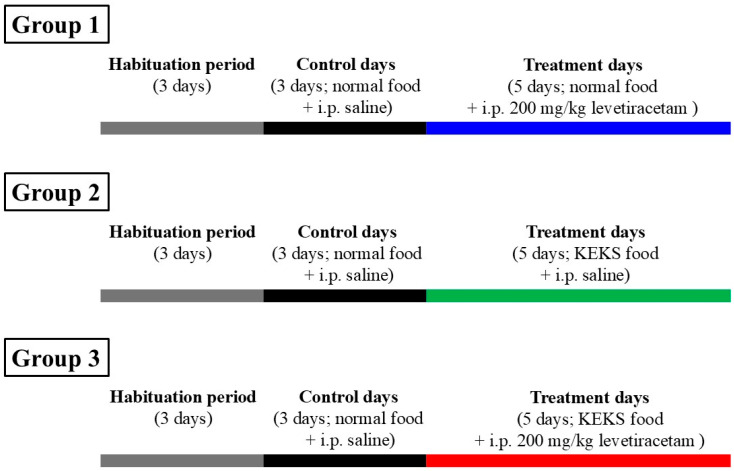 Figure 1
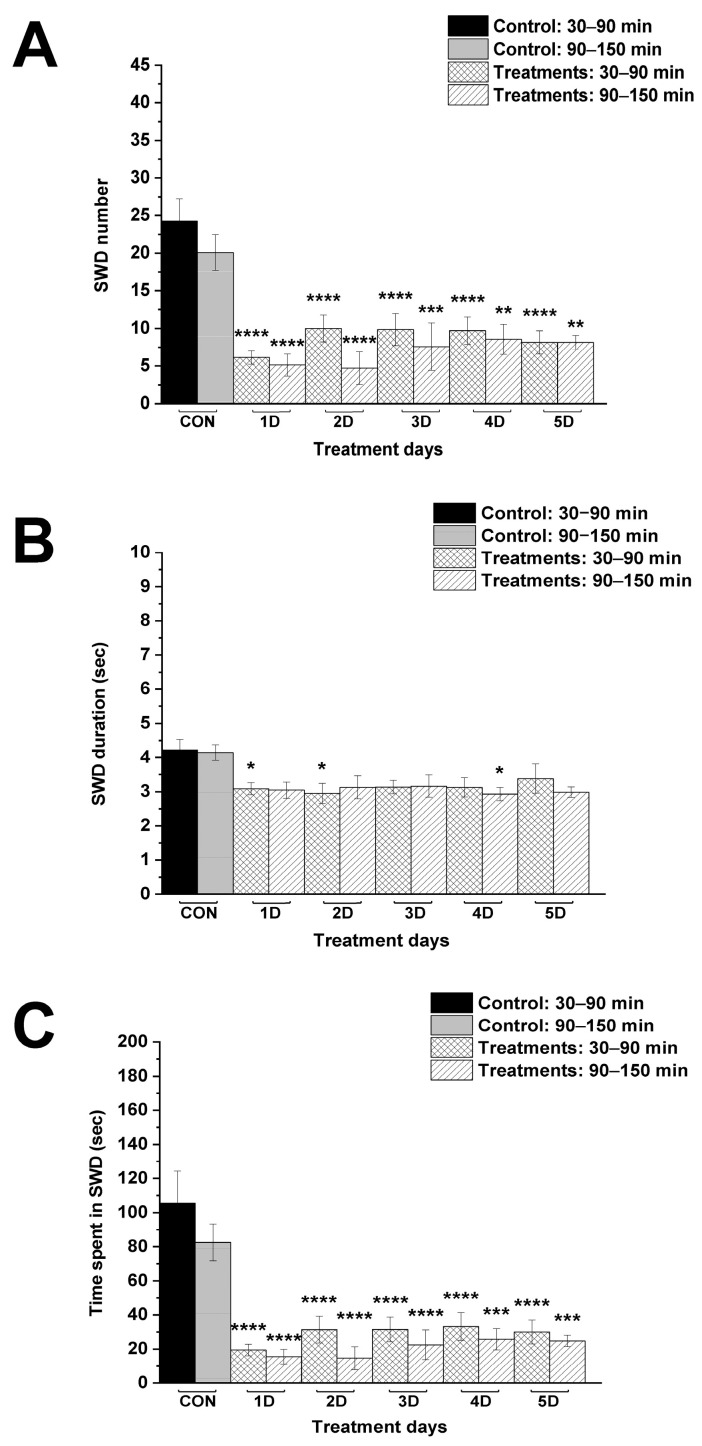 Figure 2
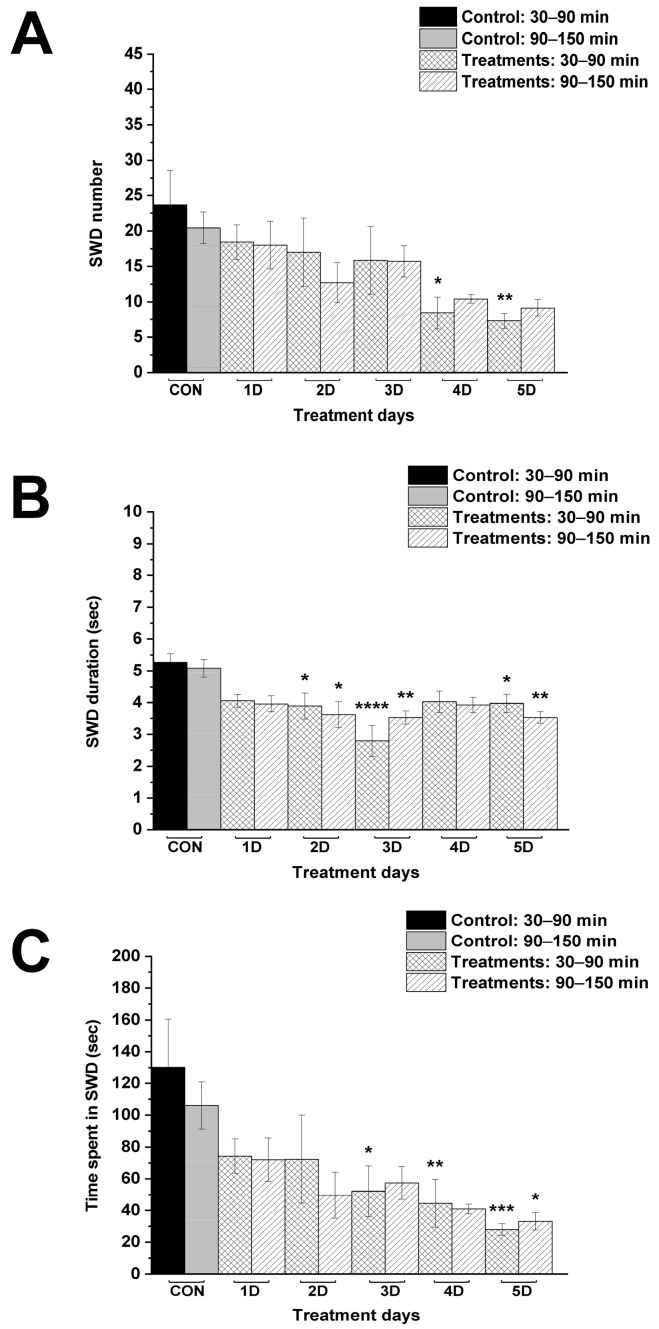 Figure 3
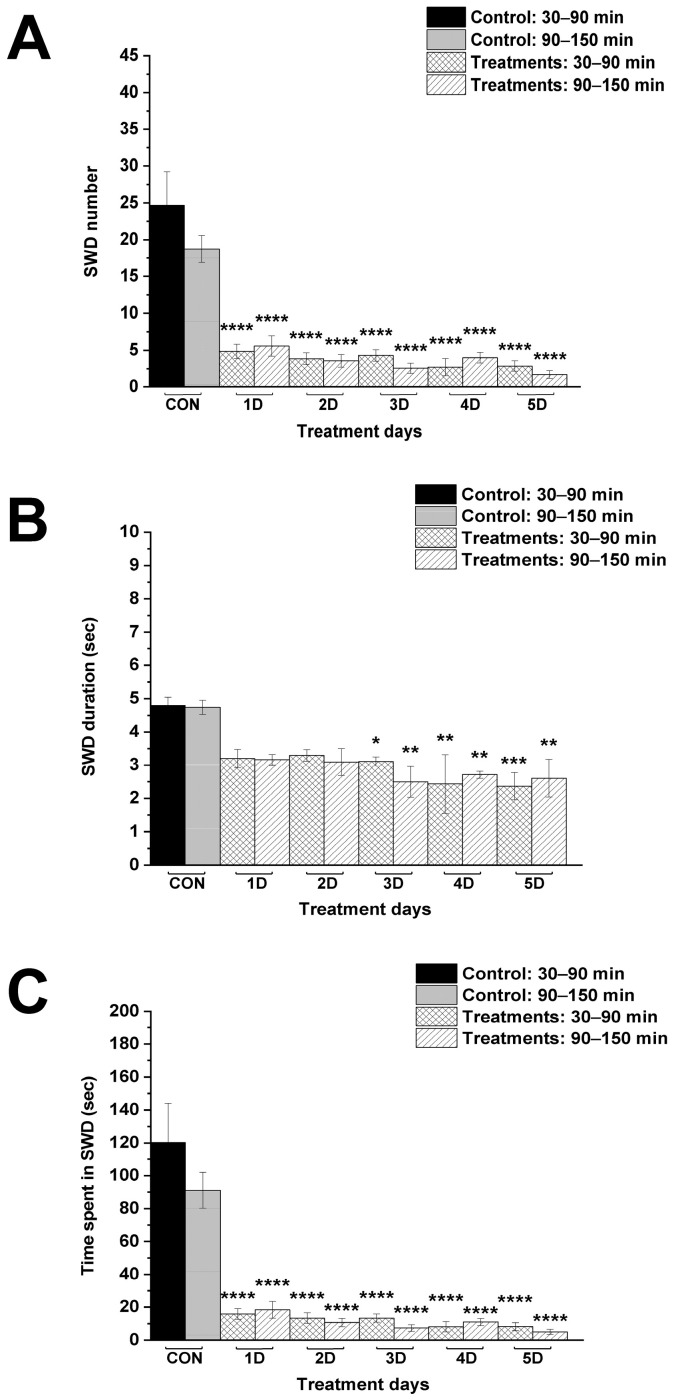 Figure 4
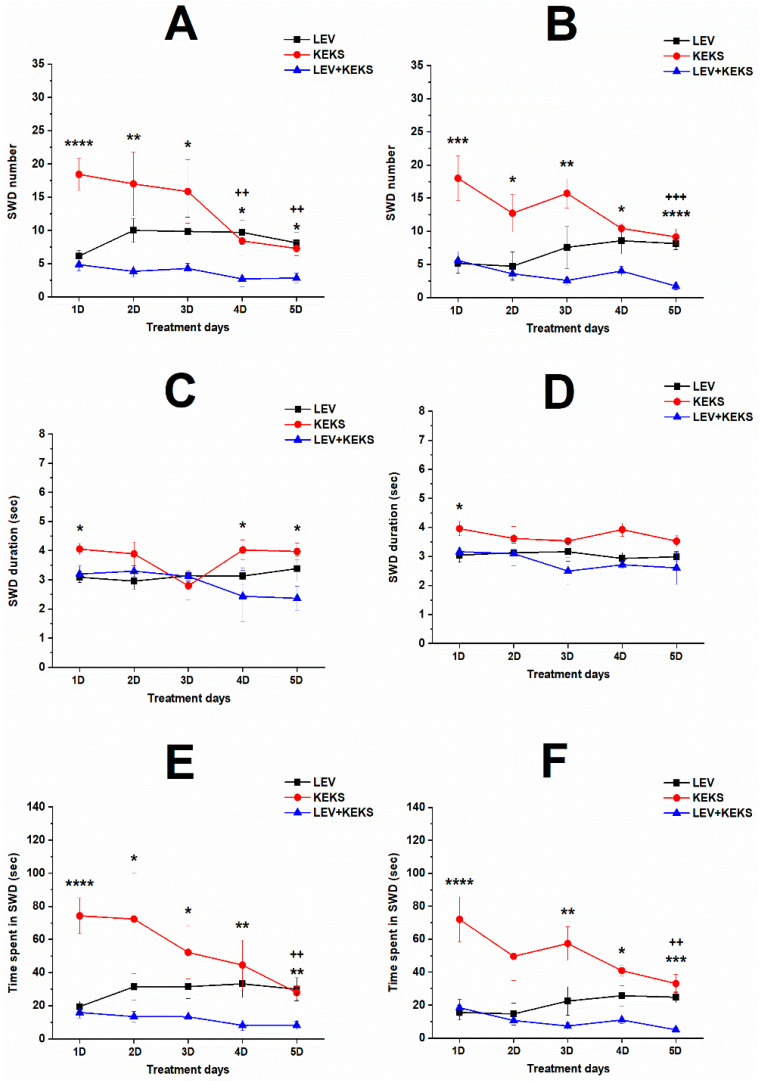 Figure 5
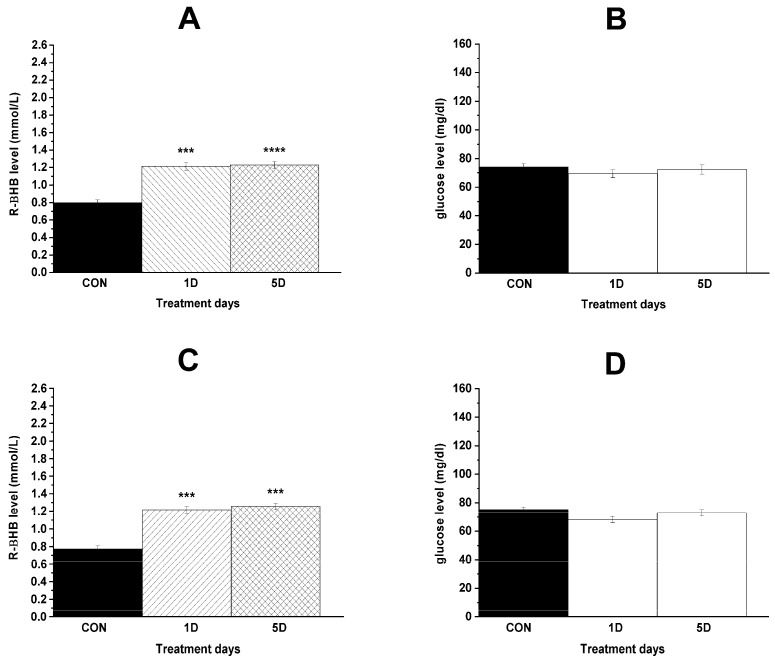 Figure 6
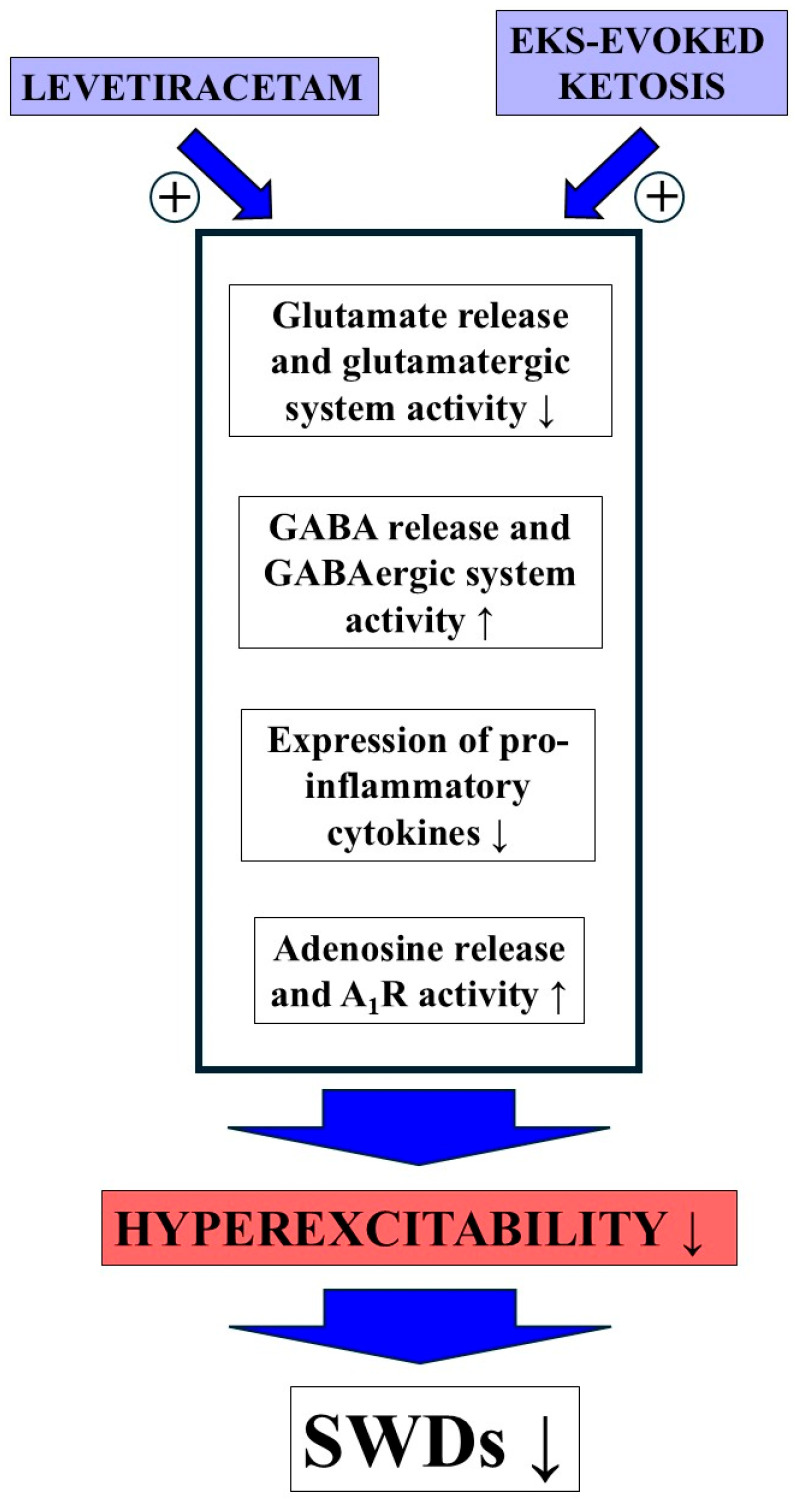 Figure 7
Peer Reviews
No public reviews on file for this paper yet. If you reviewed it on a platform where reviews are public (OpenReview, ICLR, NeurIPS, ICML), you can paste yours below so the community can read it here.
Videos
No videos yet. Explain this paper in a talk, walkthrough, or lecture? Add one.
Taxonomy
TopicsDiet and metabolism studies · Metabolism and Genetic Disorders · Diet, Metabolism, and Disease