Hypoglycemic, Antioxidant Activities, and Probiotic Characteristics of Lacticaseibacillus rhamnosus LBUX2302 Isolated from Stool Samples of Neonates
Pedro A. Reyes-Castillo, Ana Laura Esquivel-Campos, Edgar Torres-Maravilla, Eduardo Zúñiga-León, Felipe Mendoza-Pérez, Rosa González-Vázquez, María Guadalupe Córdova-Espinoza, María Angélica Gutiérrez-Nava, Raquel González-Vázquez, Lino Mayorga-Reyes

TL;DR
A new Lacticaseibacillus rhamnosus strain from newborns shows hypoglycemic and antioxidant properties, making it a potential probiotic for health applications.
Contribution
A novel L. rhamnosus strain with hypoglycemic and antioxidant activities is isolated and characterized for probiotic potential.
Findings
L. rhamnosus LBUX2302 showed high survival rates under acidic conditions and resistance to certain antibiotics.
The strain exhibited significant inhibition of α-amylase and α-glucosidase enzymes and strong antioxidant activity.
It demonstrated adhesion to multiple cell lines and extracellular bile salt hydrolase activity, indicating probiotic potential.
Abstract
Lacticaseibacillus species have shown potential in managing hyperglycemia, hypercholesterolemia, and oxidative stress, depending on the strain and species. This study aimed to isolate a novel Lacticaseibacillus rhamnosus strain from healthy newborns and assess its hypoglycemic and antioxidative activity, along with other probiotic properties. A non-hemolytic L. rhamnosus LBUX2302 was isolated, and it exhibited survival rates of 2.7%, 22%, and 27.5% at pH 2, 3, and 5 for 120 min. It metabolized various carbon sources and showed resistance to gentamicin, dicloxacillin, and penicillin; coaggregated with Salmonella typhi ATCC14028, Staphylococcus aureus STCC6538, and Escherichia coli O157:H7. L. rhamnosus LBUX2302 showed hydrophobicity, autoaggregation, and adhesion to HaCat, HeLa, MCF-7, SK-LU-1, and SW620 cell lines. It also exhibited extracellular activity of bile salt hydrolase.…
Genes, proteins, chemicals, diseases, species, mutations and cell lines named across the full text — each resolved to its canonical identifier and authoritative record.
Click any figure to enlarge with its caption.
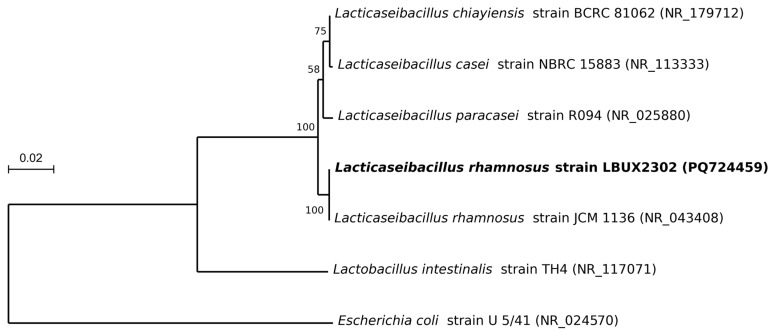 Figure 1
 Figure 2
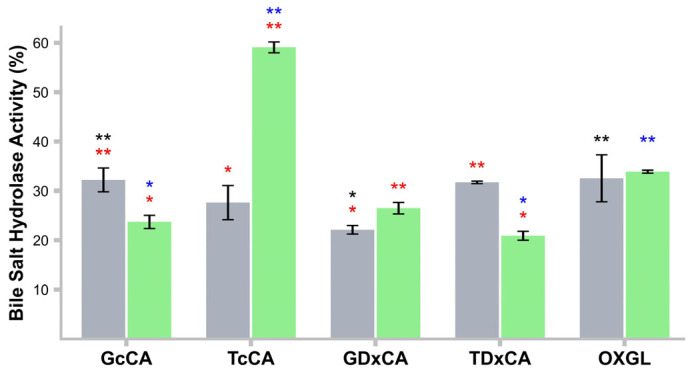 Figure 3
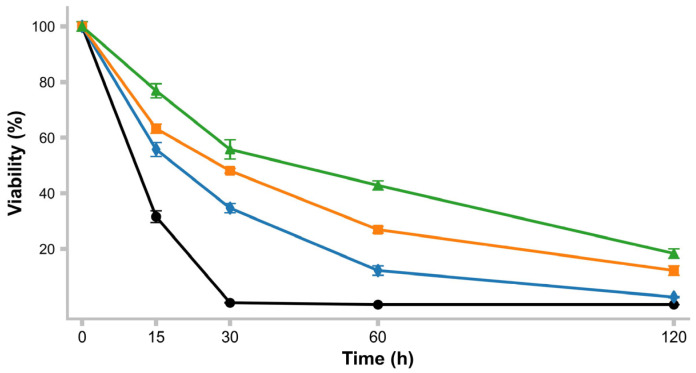 Figure 4
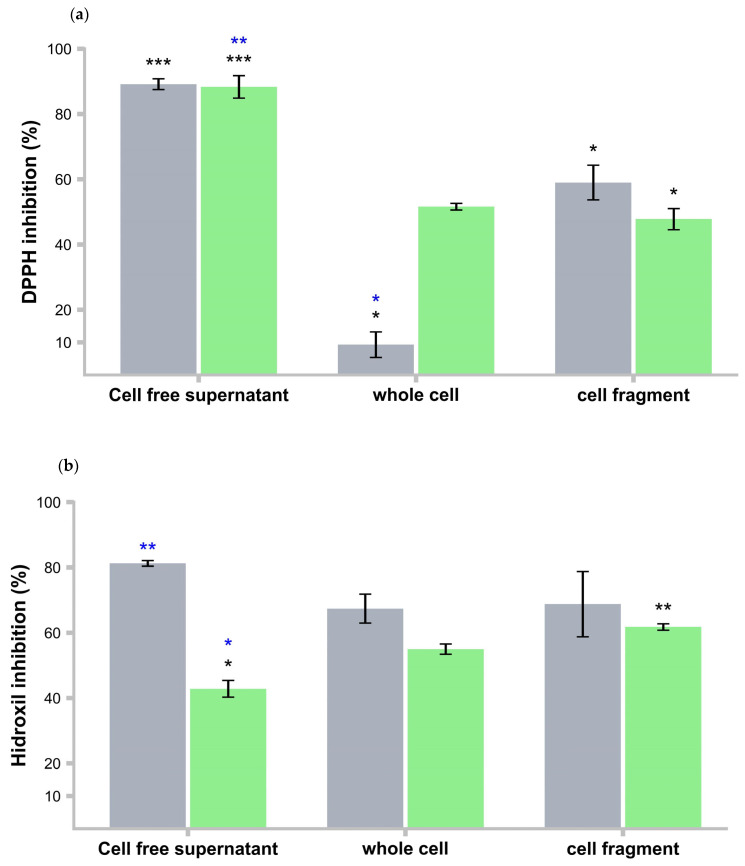 Figure 5
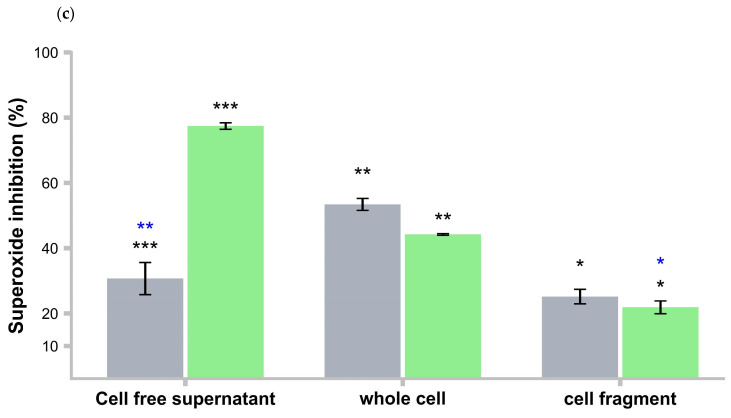 Figure 6
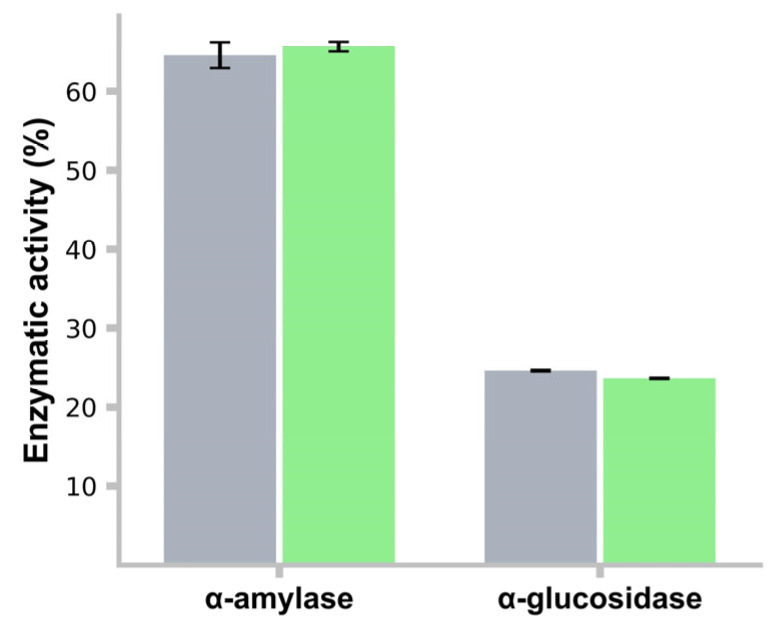 Figure 7
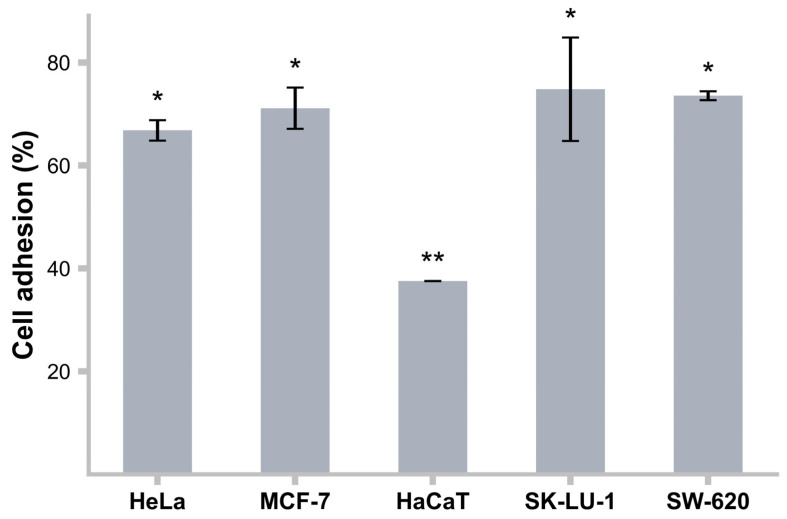 Figure 8
Peer Reviews
No public reviews on file for this paper yet. If you reviewed it on a platform where reviews are public (OpenReview, ICLR, NeurIPS, ICML), you can paste yours below so the community can read it here.
Videos
No videos yet. Explain this paper in a talk, walkthrough, or lecture? Add one.
Taxonomy
TopicsProbiotics and Fermented Foods · Microbial Metabolites in Food Biotechnology · Infant Nutrition and Health