The Evaluation of Degree of Monomer Conversion, Biaxial Flexural Strength, and Surface Mineral Precipitation of Orthodontic Adhesive Containing Sr-Bioactive Glass Nanoparticles, Calcium Phosphate, and Andrographolide
Wirinrat Chaichana, Supachai Chanachai, Kanlaya Insee, Sutiwa Benjakul, Parichart Naruphontjirakul, Piyaphong Panpisut, Woranuch Chetpakdeechit

TL;DR
This study evaluates new orthodontic adhesives with added bioactive ingredients to assess their performance compared to commercial products.
Contribution
The study introduces experimental orthodontic adhesives with Sr-bioactive glass, calcium phosphate, and andrographolide, assessing their conversion and mechanical properties.
Findings
Transbond XT showed higher monomer conversion and biaxial flexural strength than experimental adhesives.
Experimental adhesives with low additive concentrations had comparable flexural modulus to Transbond XT.
All experimental materials met ISO standards despite lower performance than commercial products.
Abstract
This study examined the degree of monomer conversion (DC) and mechanical properties of experimental orthodontic adhesives containing monocalcium phosphate monohydrate (MCPM), Sr-bioactive glass (Sr-BAG) nanoparticles, and andrographolide. Experimental adhesives were prepared with a 4:1 powder-to-liquid ratio, containing methacrylate monomers with varying formulations of glass fillers and additives. DC was measured using ATR-FTIR (n = 5) with and without bracket placement under two curing protocols: conventional LED (1200 mW/cm2, 20 s) and high-intensity LED (3200 mW/cm2, 3 s). The biaxial flexural strength and modulus were tested after 4-week water immersion (n = 8). Transbond XT was used as the commercial comparison. Transbond XT exhibited higher DC (33–38%) than the experimental materials. Conventional LED curing produced higher DC than high-intensity LED, while bracket placement…
Genes, proteins, chemicals, diseases, species, mutations and cell lines named across the full text — each resolved to its canonical identifier and authoritative record.
Click any figure to enlarge with its caption.
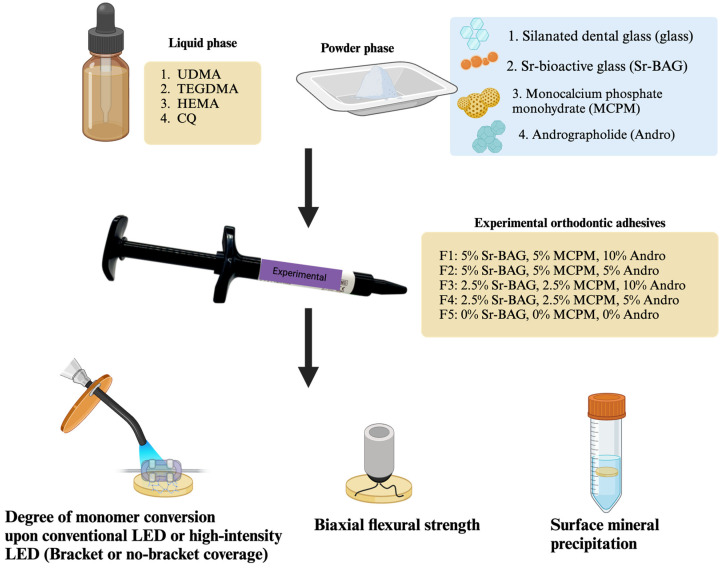 Figure 1
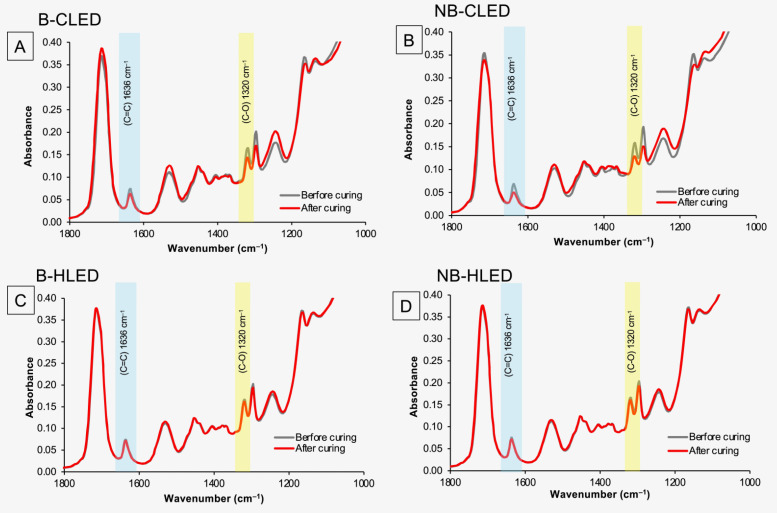 Figure 2
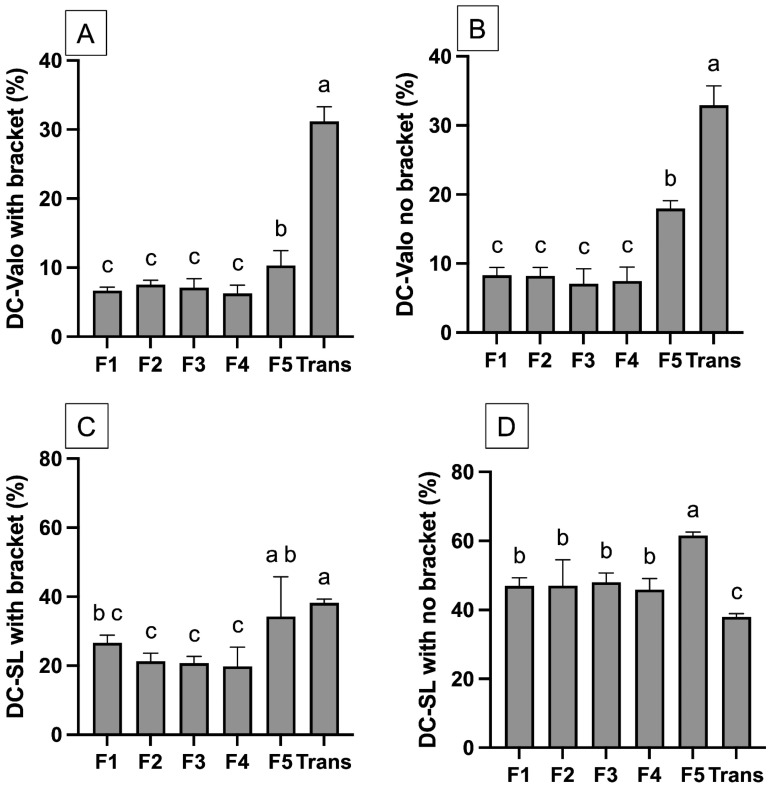 Figure 3
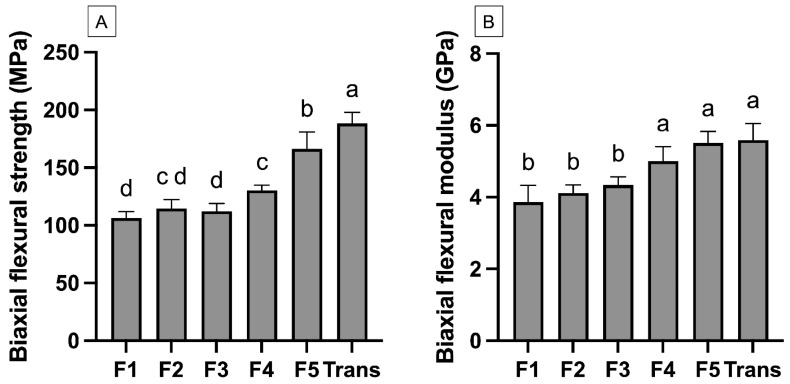 Figure 4
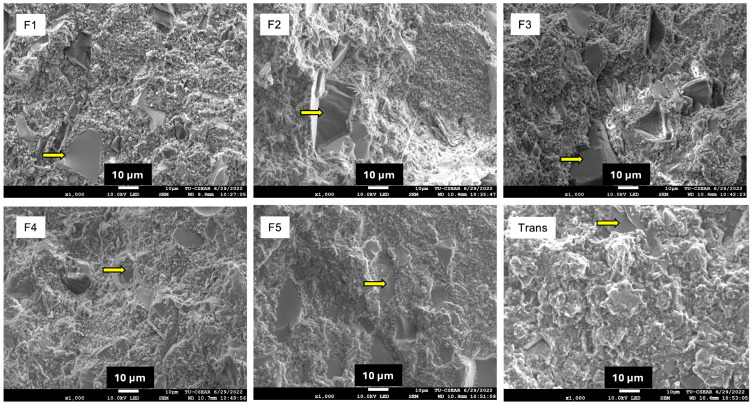 Figure 5
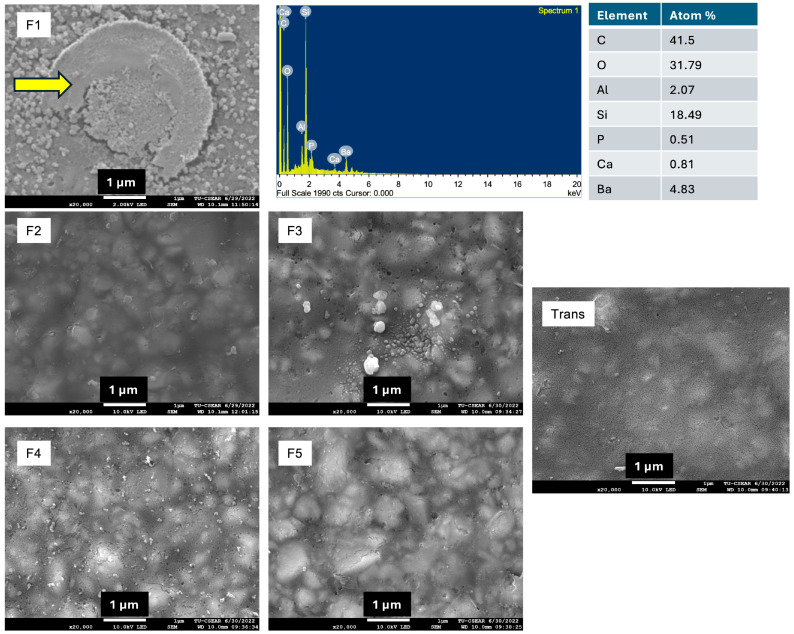 Figure 6
Peer Reviews
No public reviews on file for this paper yet. If you reviewed it on a platform where reviews are public (OpenReview, ICLR, NeurIPS, ICML), you can paste yours below so the community can read it here.
Videos
No videos yet. Explain this paper in a talk, walkthrough, or lecture? Add one.
Taxonomy
TopicsDental materials and restorations · Orthodontics and Dentofacial Orthopedics · Bone Tissue Engineering Materials