Effect of Accelerated Degradation on the Dimensions and Mechanical Performance of 3D-Printed PLA Parts Using Different Filament Manufacturing Techniques
Laura Castanon-Jano, Mario Lozano-Corona, Elena Blanco-Fernandez

TL;DR
This study examines how different types of 3D-printed PLA degrade under harsh conditions, finding that unmodified commercial PLA is most suitable for concrete formwork.
Contribution
The study introduces a comparison of four PLA types under accelerated degradation conditions relevant to concrete formwork applications.
Findings
Exposure to an alkaline medium at 50 °C is more aggressive than UV radiation for PLA degradation.
Adding metal powder reduces PLA strength by 65% after 7 days, making it unsuitable for formwork.
Unmodified commercial PLA performs best, with behavior similar to lab-extruded PLA.
Abstract
Polymer 3D printing is popular due to its accessibility and low material waste. While commonly used in prototyping and medical applications, its potential for molds in complex concrete geometries, such as heritage reproductions or artificial reefs, remains underexplored. These applications require resistance to degradation from UV exposure, rain, and highly alkaline concrete (pH~13). This study evaluates the accelerated degradation of 3D-printed PLA specimens. Four PLA types were tested: virgin PLA extruded in the lab, commercial PLA, PLA with 50% metal powder, and PLA with encapsulated metal powder. Rectangular specimens were printed and tested under flexural loads following ISO-167 standards. Initially, their performance was assessed without exposure. Then, half of the specimens underwent UV and rain simulation, while the rest were immersed in an alkaline solution (pH 13, 50 °C).…
Genes, proteins, chemicals, diseases, species, mutations and cell lines named across the full text — each resolved to its canonical identifier and authoritative record.
Click any figure to enlarge with its caption.
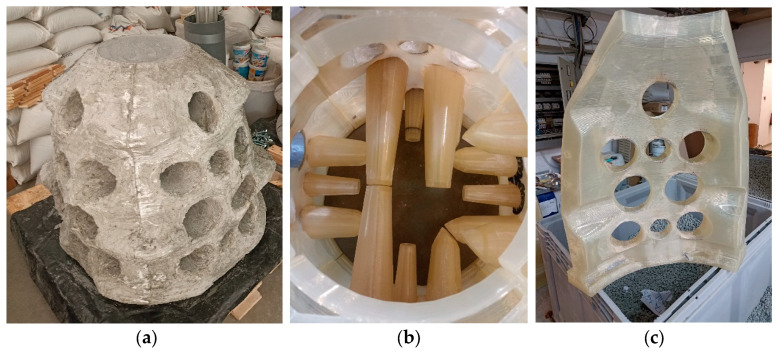 Figure 1
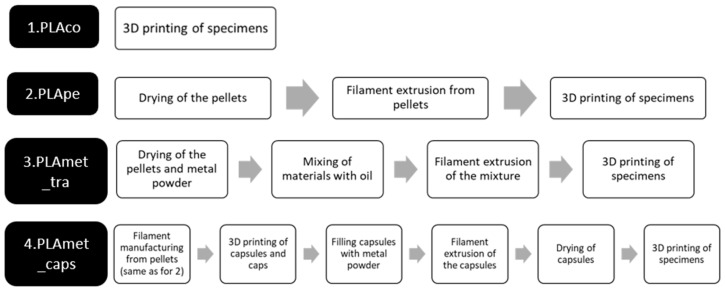 Figure 2
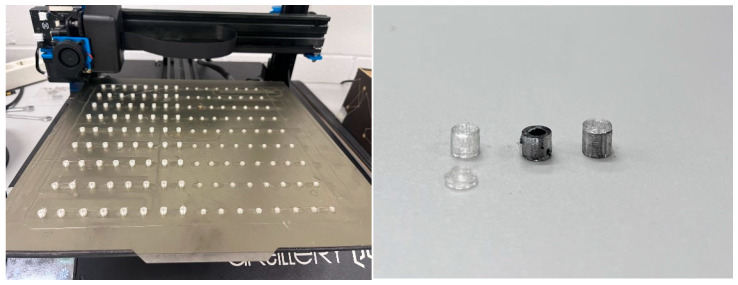 Figure 3
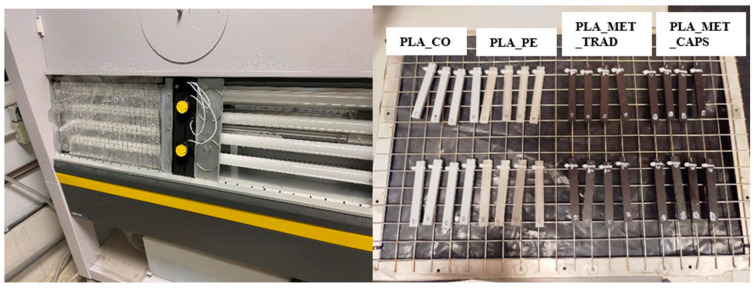 Figure 4
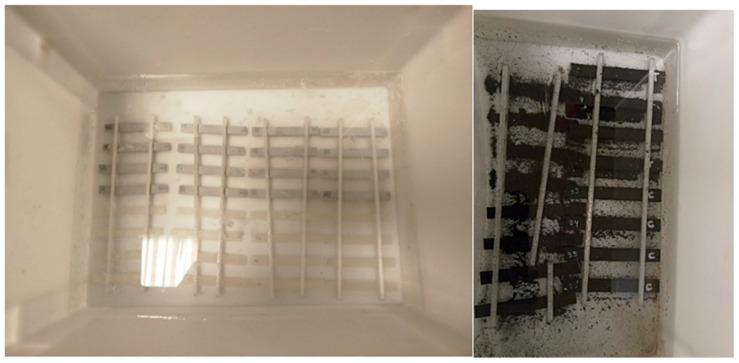 Figure 5
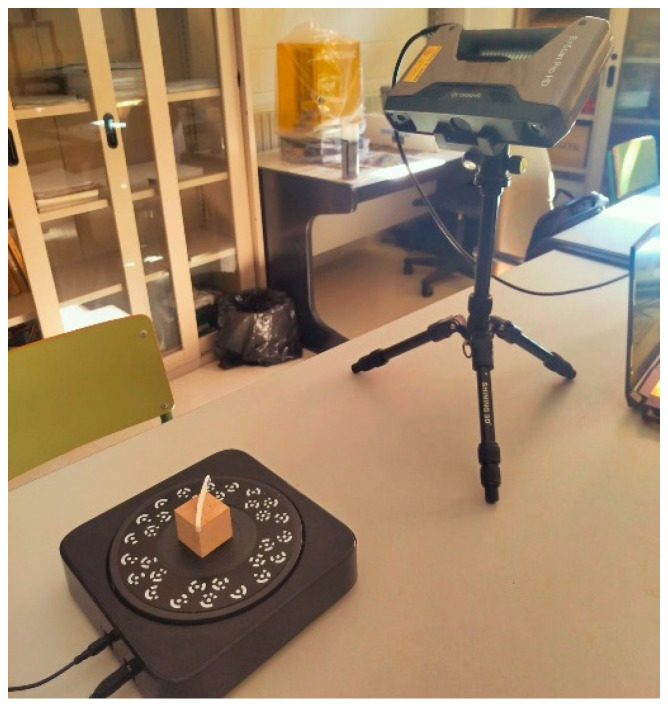 Figure 6
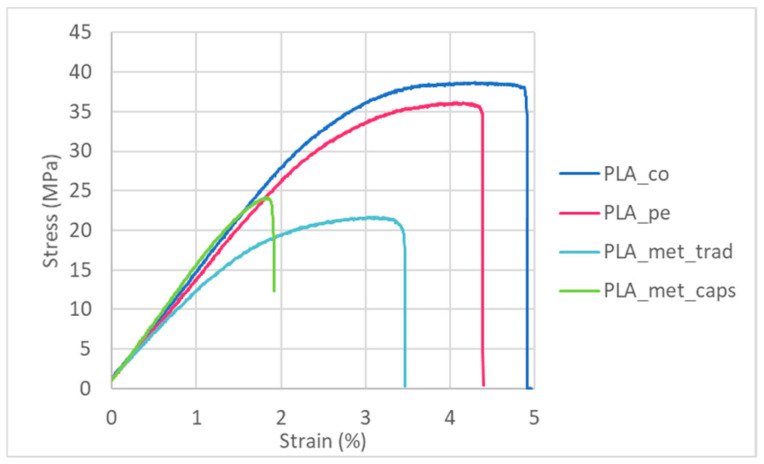 Figure 7
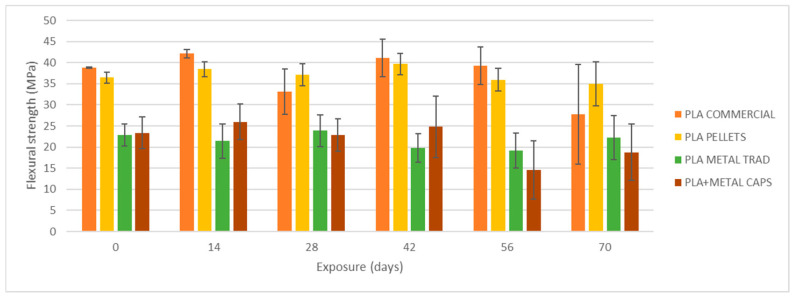 Figure 8
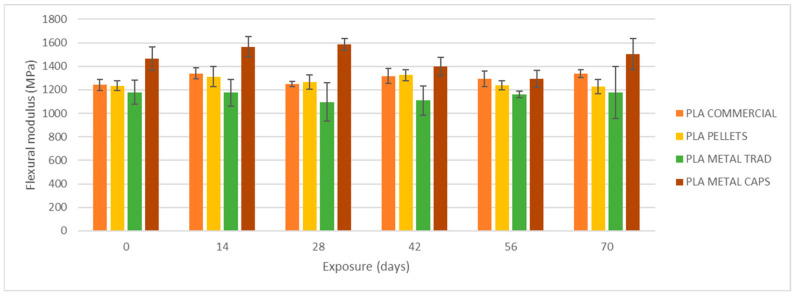 Figure 9
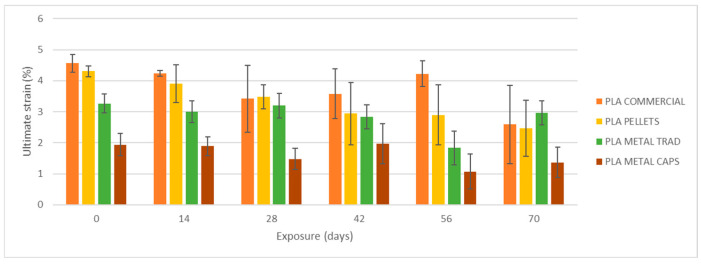 Figure 10
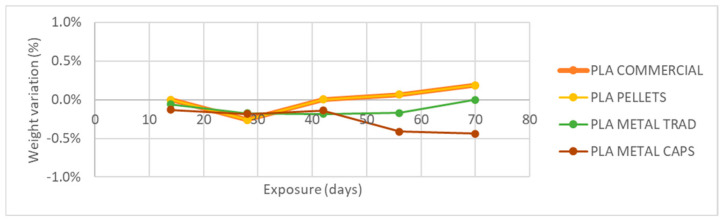 Figure 11
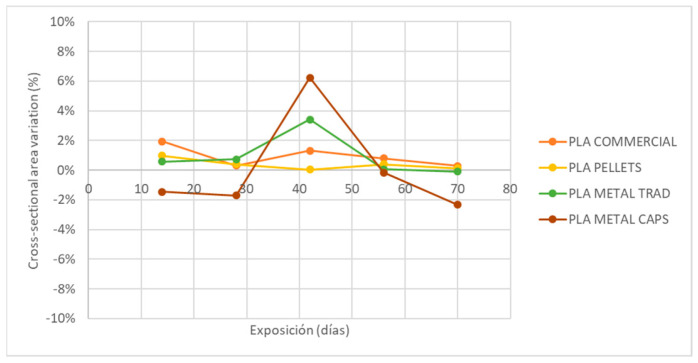 Figure 12
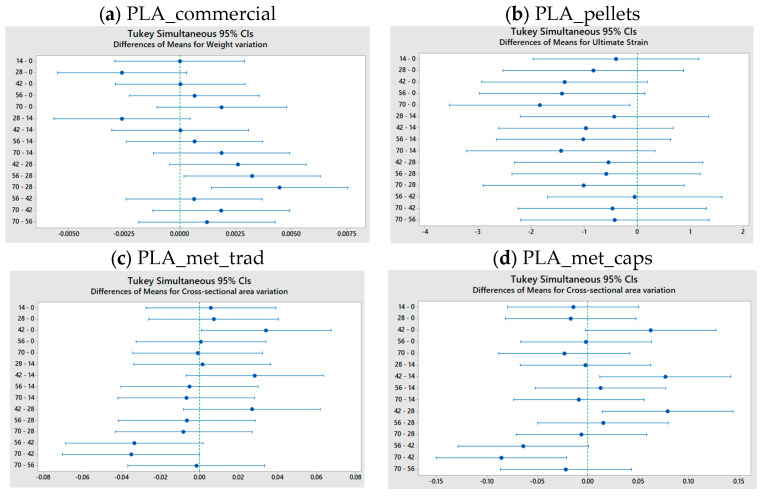 Figure 13
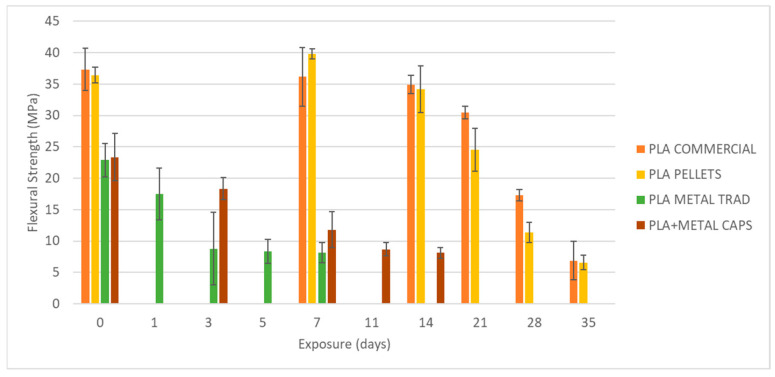 Figure 14
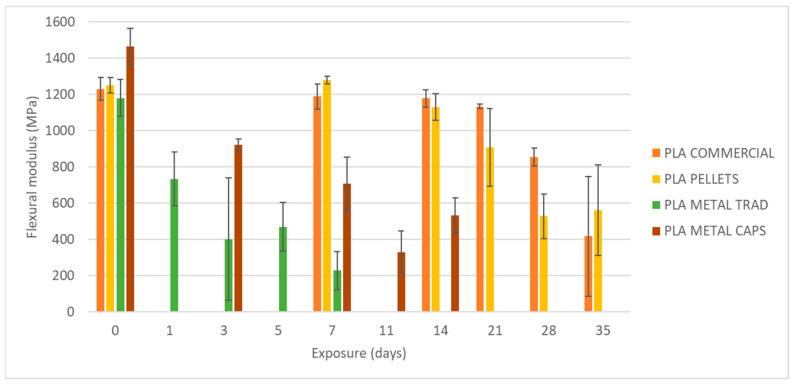 Figure 15
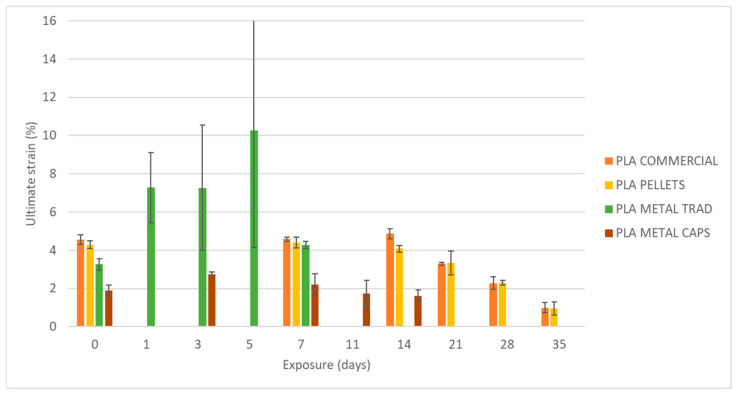 Figure 16
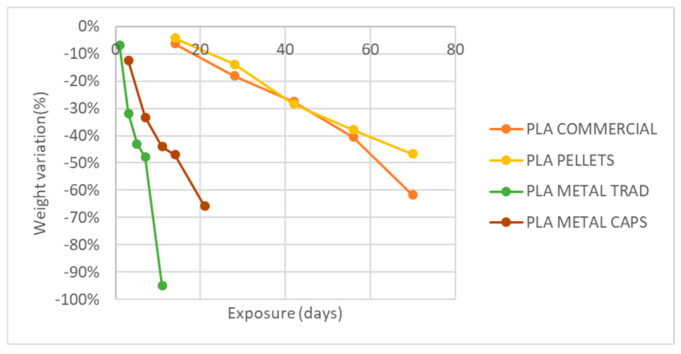 Figure 17
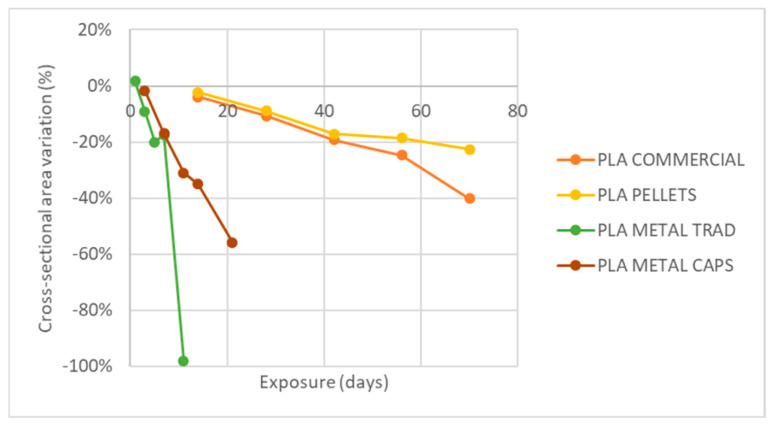 Figure 18
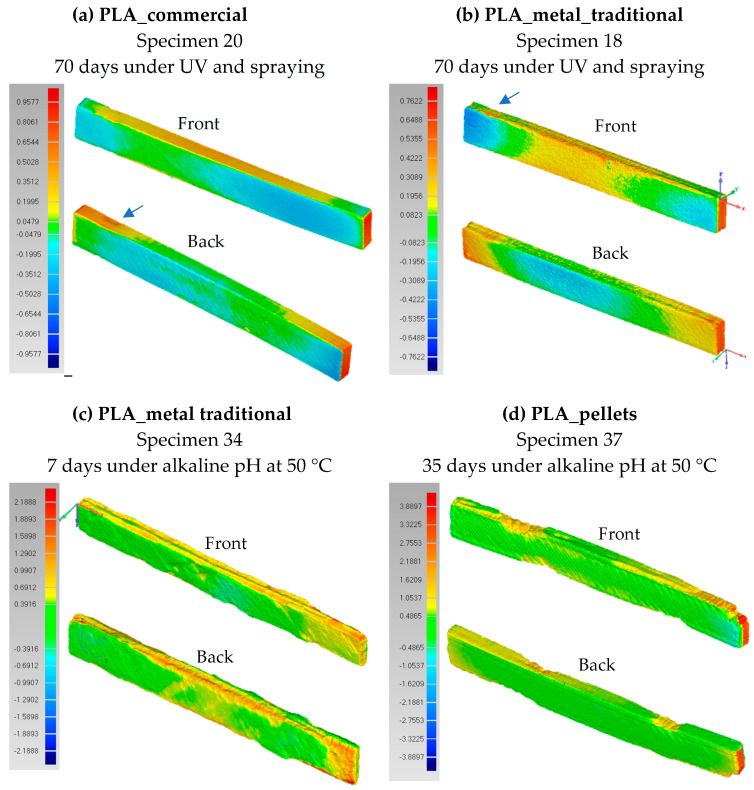 Figure 19
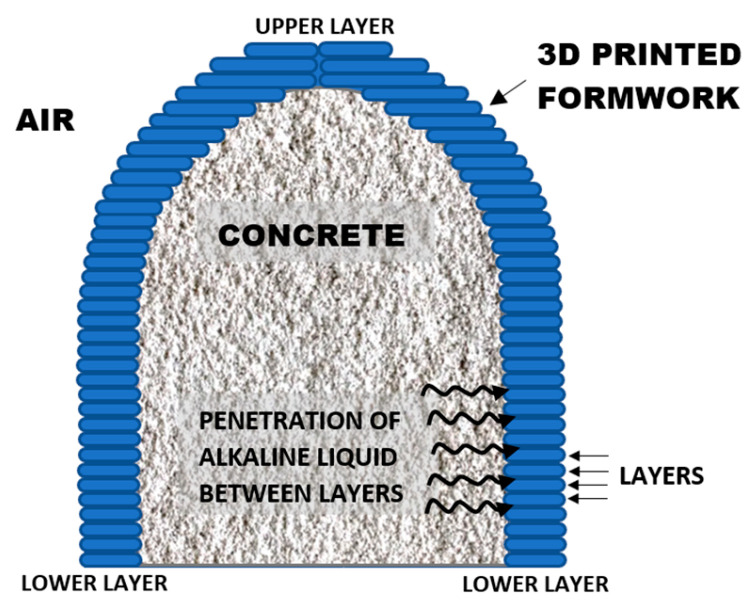 Figure 20
Peer Reviews
No public reviews on file for this paper yet. If you reviewed it on a platform where reviews are public (OpenReview, ICLR, NeurIPS, ICML), you can paste yours below so the community can read it here.
Videos
No videos yet. Explain this paper in a talk, walkthrough, or lecture? Add one.
Taxonomy
TopicsInnovations in Concrete and Construction Materials · Additive Manufacturing and 3D Printing Technologies · Bone Tissue Engineering Materials