Tensile Strength Estimation of UHPFRC Based on Predicted Cracking Location Using Deep Learning
Xin Luo, Takashi Matsumoto

TL;DR
This paper presents a deep learning method to estimate the tensile strength of UHPFRC by predicting where cracks will form based on fiber characteristics.
Contribution
A novel deep learning approach using YOLOv11 to predict cracking locations and estimate tensile strength in UHPFRC.
Findings
The deep learning model achieved a mean Average Precision ([email protected]) of 0.87 in predicting defective fiber distribution regions.
Strain-hardening specimens showed an average experiment-estimation error of 5.72% and a theory-estimation error of 3.34%.
Strain-softening specimens had significantly higher errors, with 43.09% experiment-estimation and 15.73% theory-estimation errors.
Abstract
Ultra-high-performance fiber-reinforced concrete (UHPFRC) exhibits exceptional tensile properties, but its tensile strength is highly dependent on fiber distribution, orientation, and count, making accurate strength estimation challenging. This study introduces a novel approach in which tensile strength estimation is achieved by analyzing fiber characteristics at predicted cracking locations using deep learning. Using X-ray computed tomography (CT) and image analysis techniques, the fiber orientation factor (μ0) and average efficiency factor ((μ1)−) were determined at predicted cracking locations. A deep learning model (YOLOv11) was trained to identify regions with a defective distribution, achieving a mean Average Precision ([email protected]) of 0.87, demonstrating its high reliability in predicting cracking locations. The overall cracking location prediction success rate was 73% for…
Genes, proteins, chemicals, diseases, species, mutations and cell lines named across the full text — each resolved to its canonical identifier and authoritative record.
Click any figure to enlarge with its caption.
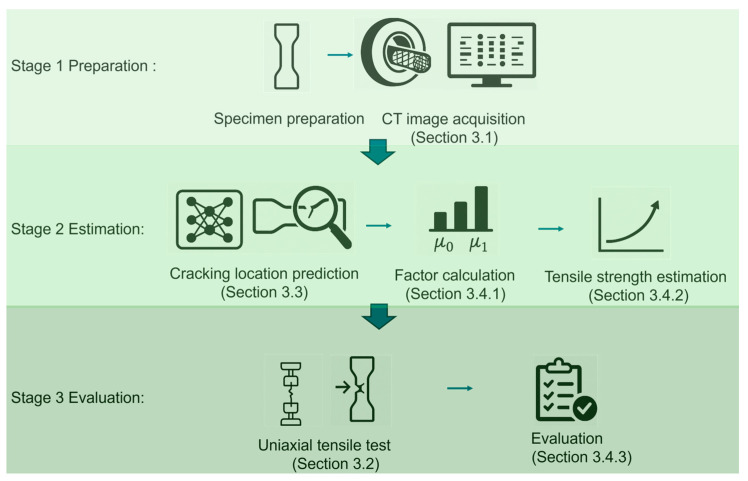 Figure 1
 Figure 2
 Figure 3
 Figure 4
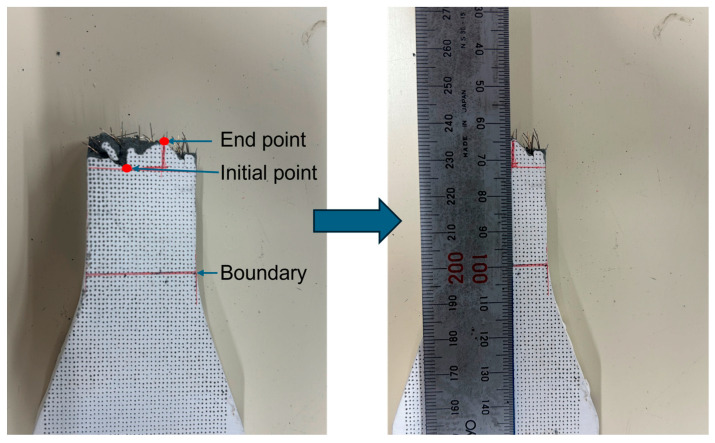 Figure 5
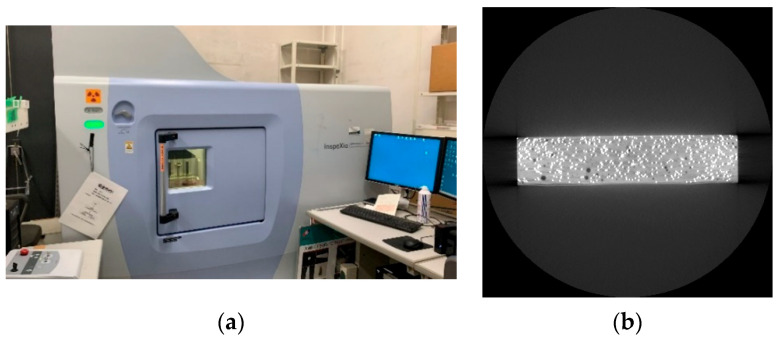 Figure 6
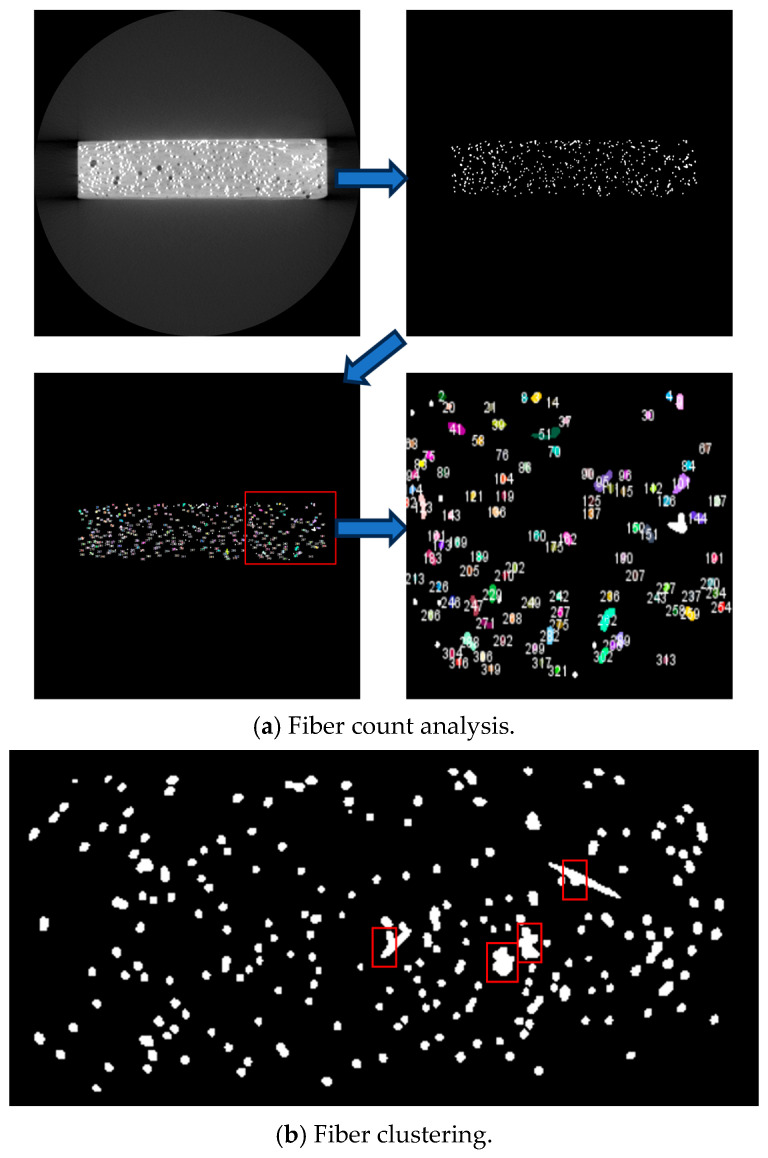 Figure 7
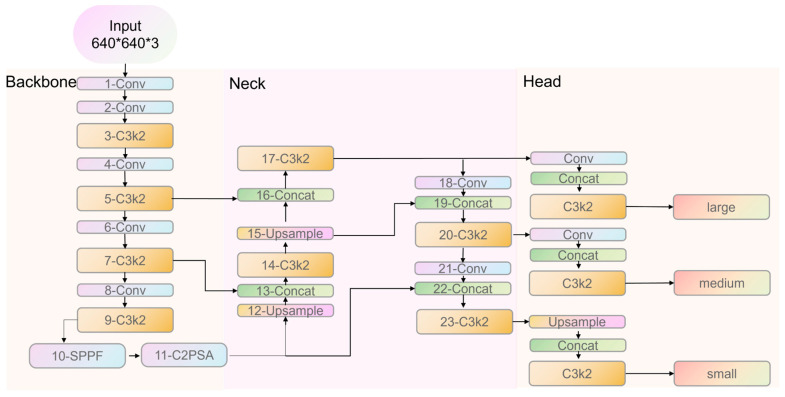 Figure 8
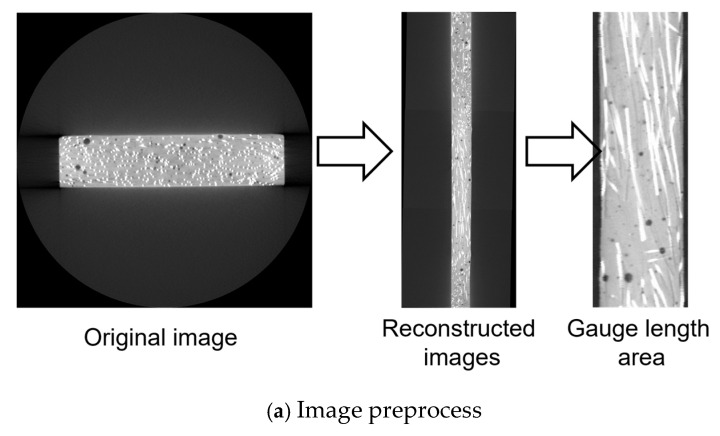 Figure 9
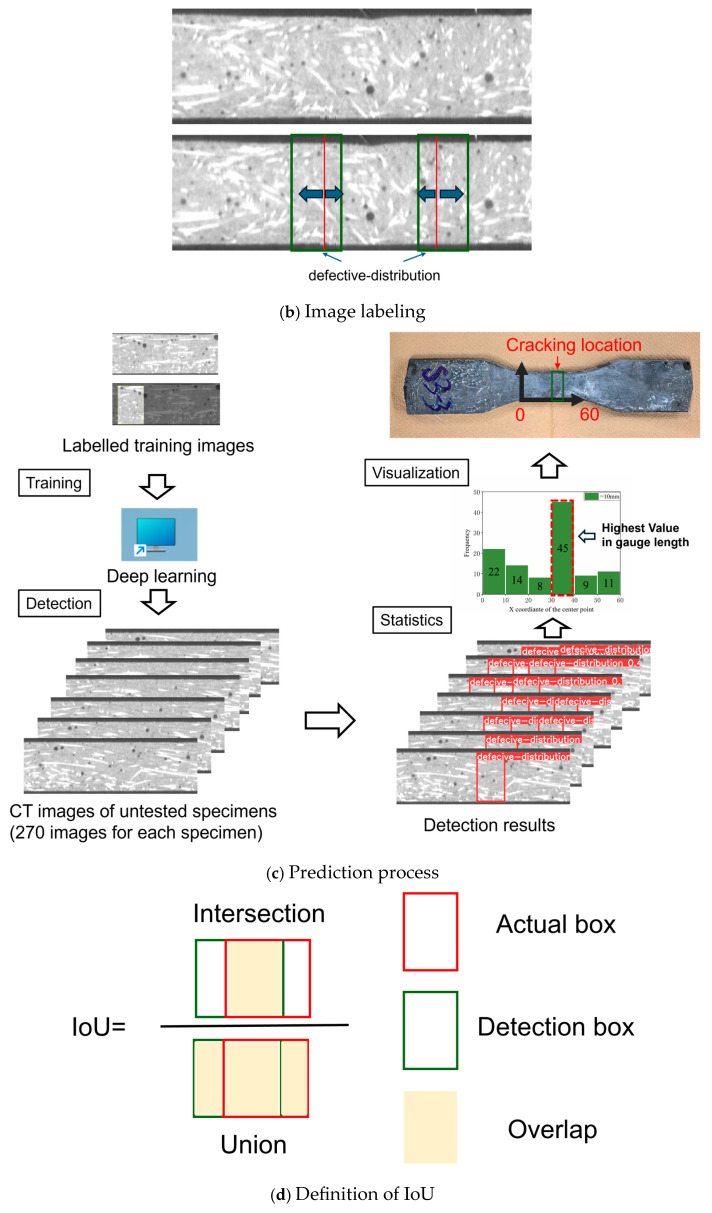 Figure 10
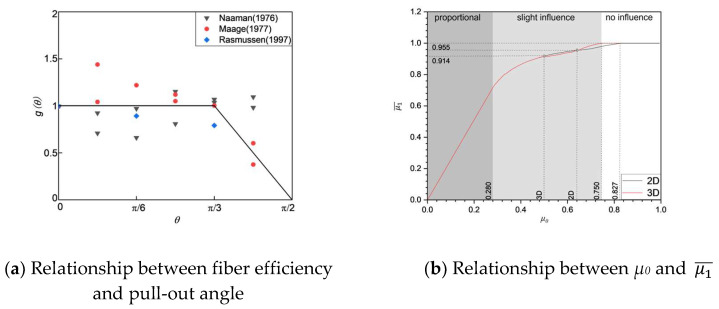 Figure 11
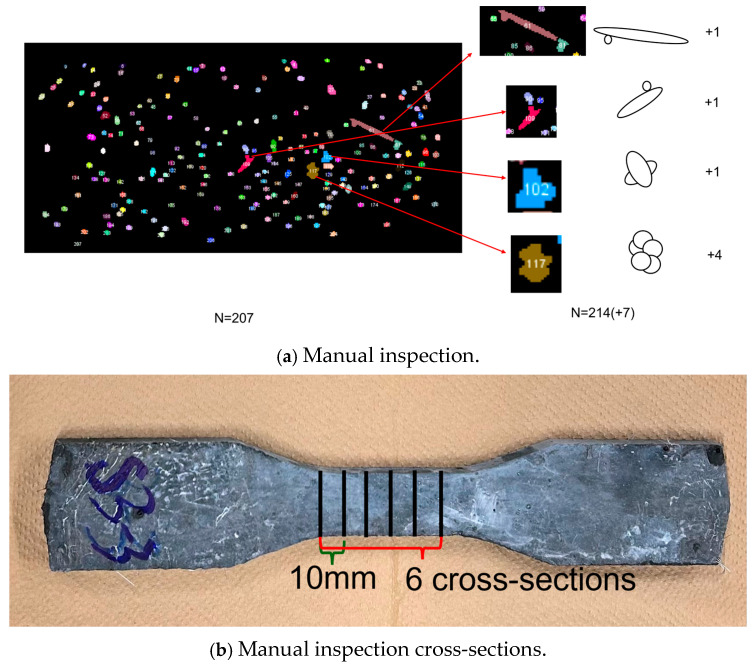 Figure 12
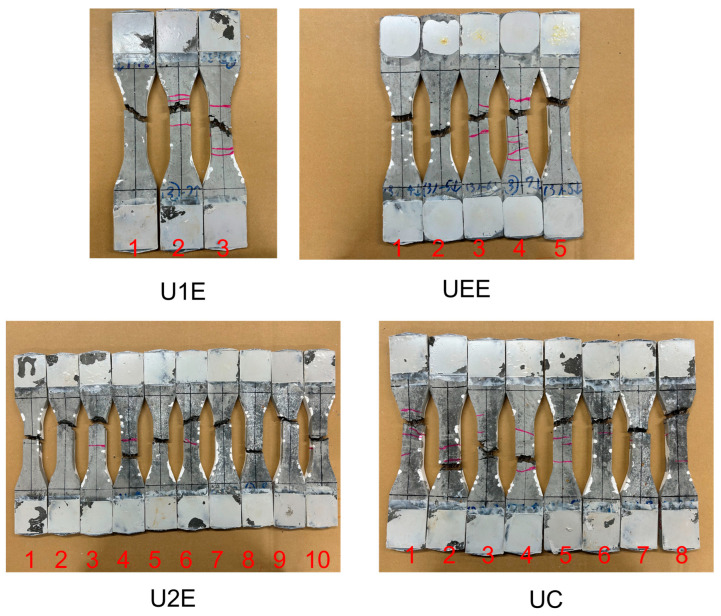 Figure 13
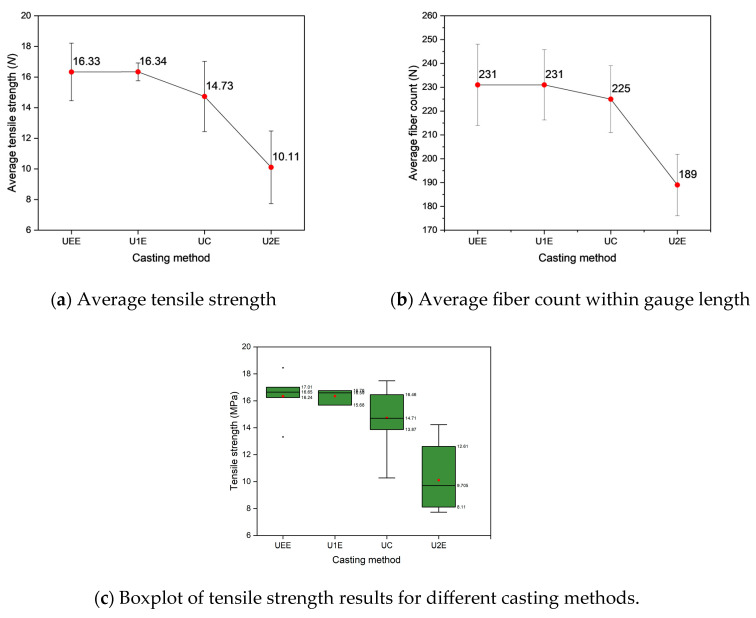 Figure 14
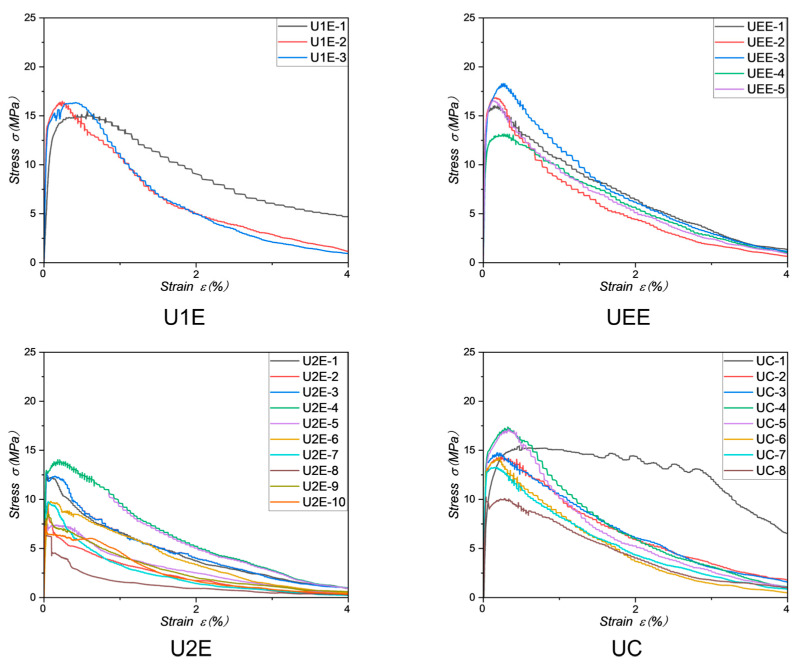 Figure 15
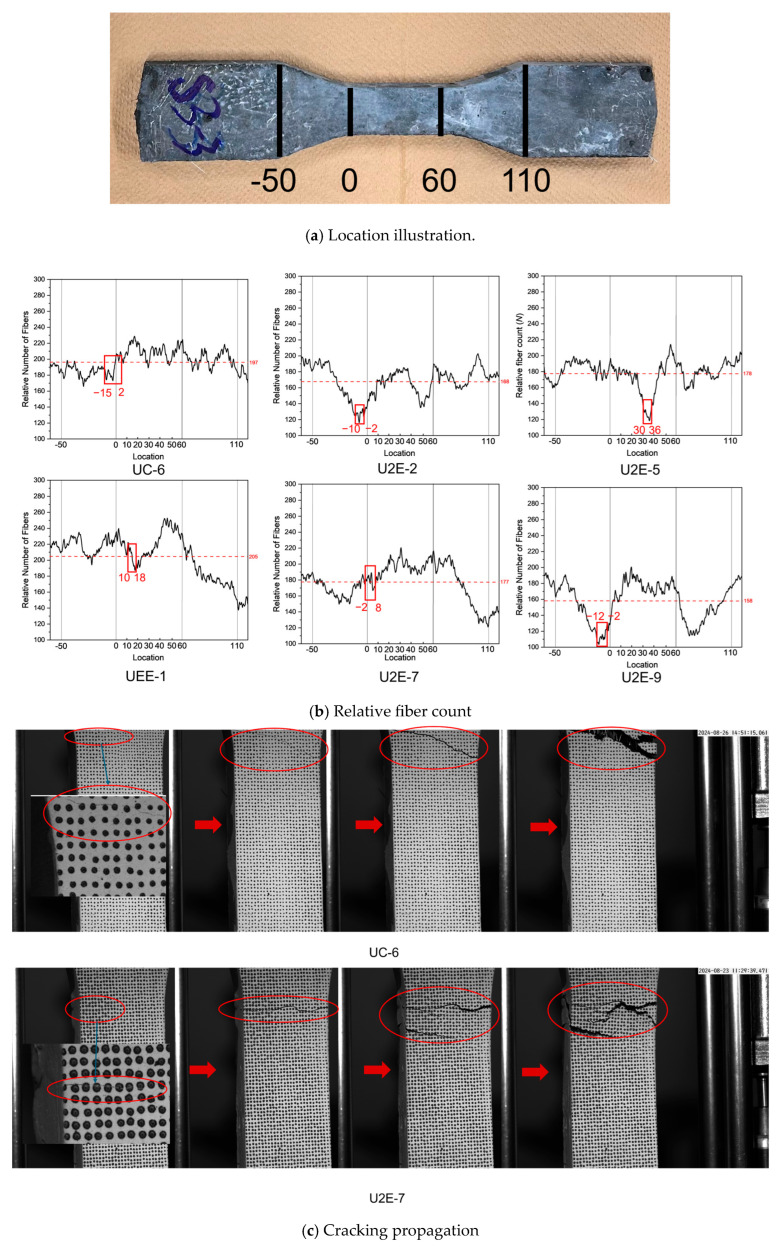 Figure 16
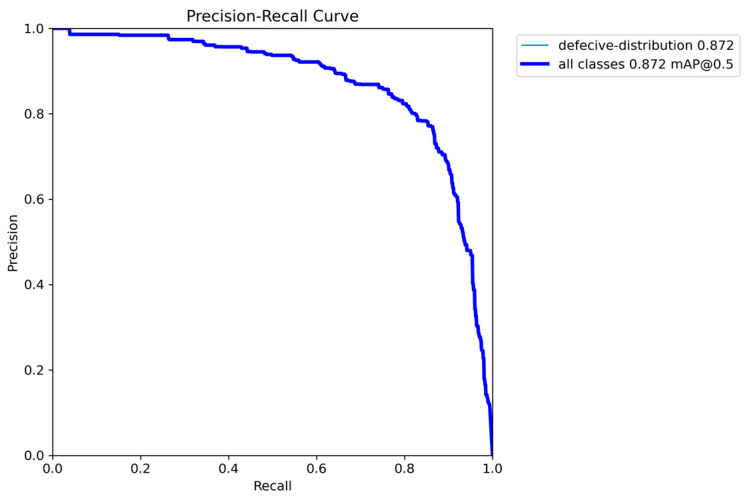 Figure 17
 Figure 18
 Figure 19
 Figure 20
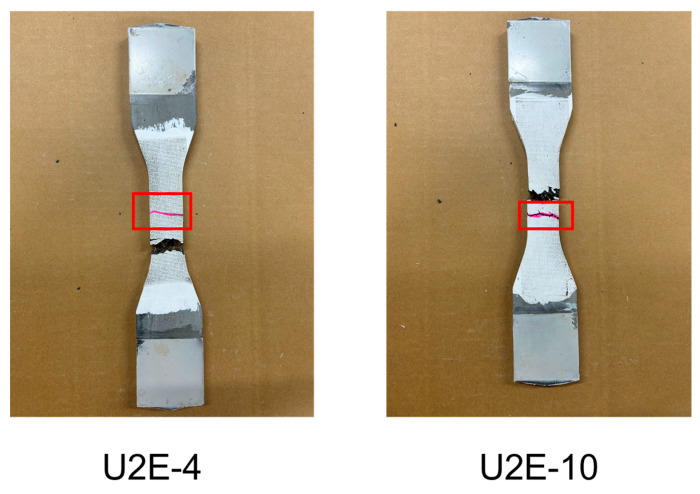 Figure 21
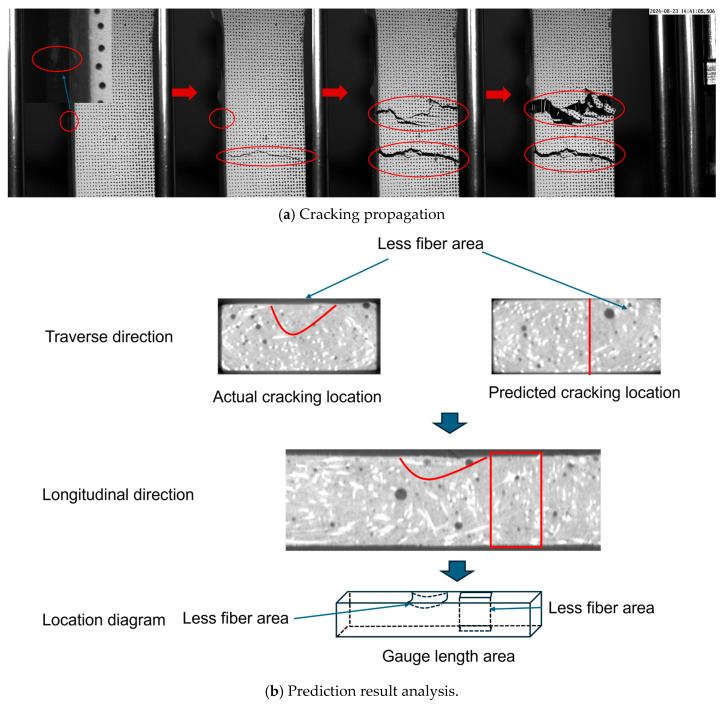 Figure 22
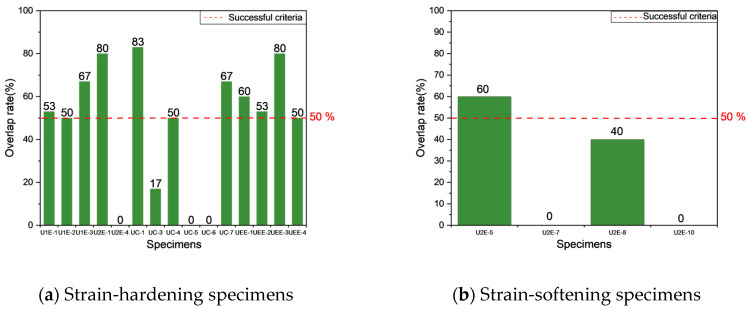 Figure 23
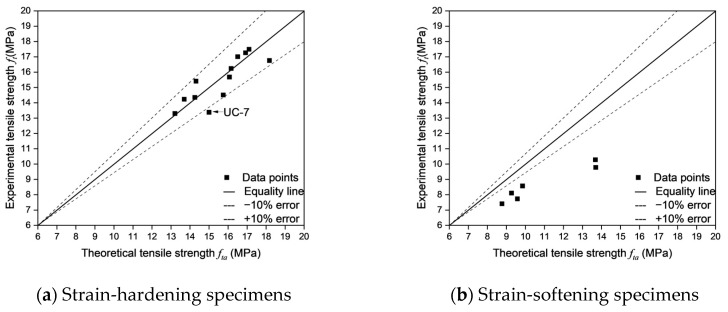 Figure 24
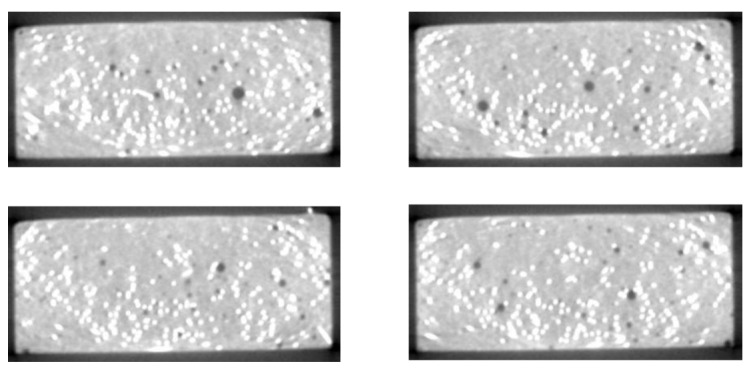 Figure 25
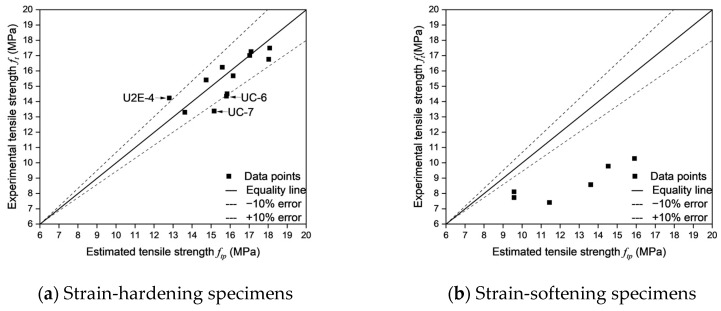 Figure 26
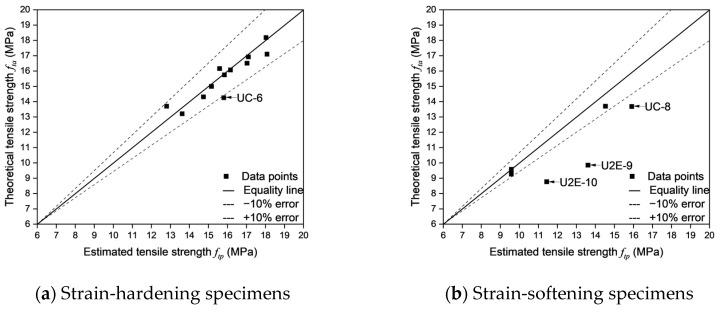 Figure 27
Peer Reviews
No public reviews on file for this paper yet. If you reviewed it on a platform where reviews are public (OpenReview, ICLR, NeurIPS, ICML), you can paste yours below so the community can read it here.
Videos
No videos yet. Explain this paper in a talk, walkthrough, or lecture? Add one.
Taxonomy
TopicsInnovative concrete reinforcement materials · Infrastructure Maintenance and Monitoring · Structural Behavior of Reinforced Concrete