Optimal Localization of the Foramen Ovale for Transseptal Puncture Using the Vertebral Body Units
Dong Hoon Kang, Sung Eun Park, Jong Woo Kim, Seong Ho Moon, Ho Jeong Cha, Jong Hwa Ahn, Joung Hun Byun

TL;DR
This study identifies a cost-effective method to locate the foramen ovale on chest X-rays using vertebral body units to guide transseptal punctures.
Contribution
The study introduces a novel, cost-effective approach using vertebral body units on CT scout views to guide transseptal punctures.
Findings
The mean vertebral body units from the carina to the foramen ovale were 3.0 ± 0.3.
Factors like sex, BMI, age, and medical conditions significantly correlate with the foramen ovale position.
The method may serve as a radiologic guide for transseptal punctures in various clinical settings.
Abstract
Background and Objectives: Although transesophageal or intracardiac echocardiography and radiofrequency needles are employed to guide transseptal puncture, their routine utilization is associated with substantial expense. No reports have analyzed the use of the foramen ovale position to effectively guide transseptal punctures on chest X-rays or computed tomography scout views, which are more cost-effective approaches to safely and effectively guide the procedure. We aimed to find the foramen ovale position on chest computed tomography scout views to effectively guide percutaneous transseptal punctures. Materials and Methods: The study population included 31 patients treated with extracorporeal membrane oxygenation (ECMO) for cardiogenic shock, 32 patients diagnosed with atrial fibrillation (AF) who underwent MDCT, and 197 patients who underwent MDCT for non-cardiac conditions. Vertebral…
Genes, proteins, chemicals, diseases, species, mutations and cell lines named across the full text — each resolved to its canonical identifier and authoritative record.
Click any figure to enlarge with its caption.
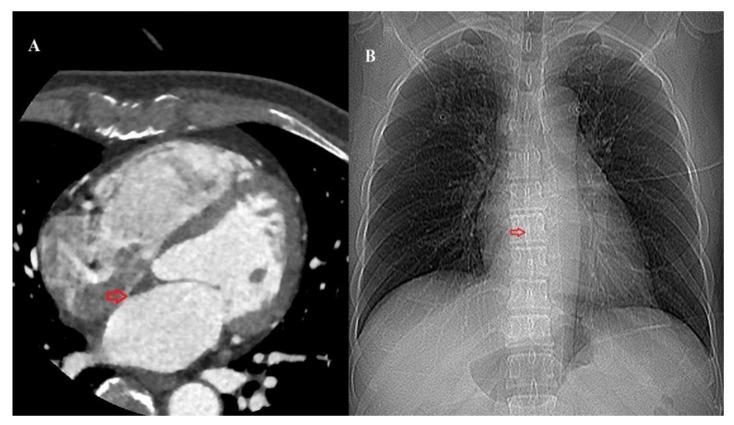 Figure 1
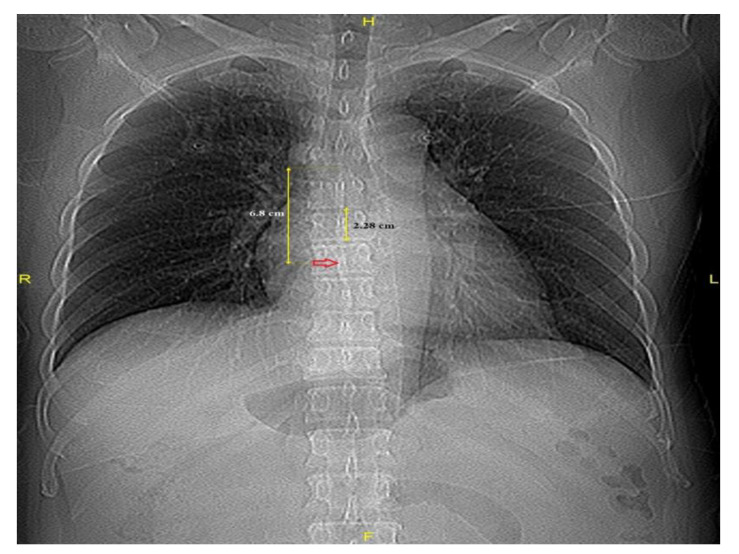 Figure 2
Peer Reviews
No public reviews on file for this paper yet. If you reviewed it on a platform where reviews are public (OpenReview, ICLR, NeurIPS, ICML), you can paste yours below so the community can read it here.
Videos
No videos yet. Explain this paper in a talk, walkthrough, or lecture? Add one.
Taxonomy
TopicsSpinal Fractures and Fixation Techniques · Traumatic Brain Injury and Neurovascular Disturbances · Cerebrospinal fluid and hydrocephalus