Current Methods in Synovial Fluid Microbiota Characterization: A Systematic Review
Elena Bardi, Daniele D’Arrigo, Chiara Pozzi, Andrea Gatti, Luca Bertolino, Alberto Favaro, Maria Rescigno, Tommaso Bonanzinga

TL;DR
This review examines methods used to study microbes in joint fluid, highlighting the need for standardized techniques to better understand arthritis.
Contribution
The paper systematically reviews methodological approaches and identifies critical gaps in synovial fluid microbiota research.
Findings
Nine studies used sequencing to detect bacterial DNA in synovial fluid.
Methodological inconsistencies limit the comparability of results across studies.
Standardized protocols are needed to improve reproducibility and relevance.
Abstract
Evidence suggests that a cross-talk between the gut microbiota and joint health exists in a paradigm known as the gut–joint axis. Recent studies have also reported the presence of microorganisms potentially involved in the pathogenesis and progression of arthritis in synovial joints, previously believed to be sterile. This systematic review describes in detail the methodologies employed to characterize the microbiota in human synovial fluid (SF). A literature search was conducted in PubMed, Embase, and Web of Science up to 5 February 2025. Nine studies aimed to characterize the SF microbiome using next-generation sequencing or polymerase chain reaction. Eight studies detected bacterial DNA in SF. However, significant heterogeneity and incomplete reporting in methodologies, including sample collection and preparation, contamination management, DNA extraction and amplification, sequencing…
Genes, proteins, chemicals, diseases, species, mutations and cell lines named across the full text — each resolved to its canonical identifier and authoritative record.
Click any figure to enlarge with its caption.
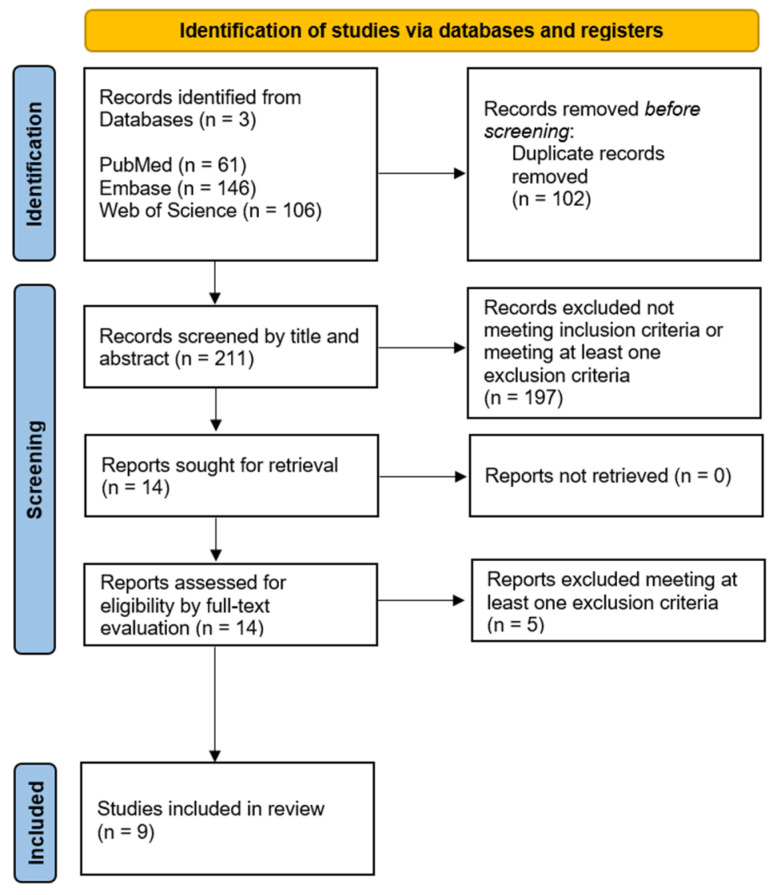 Figure 1
- —Ministero della Salute
Peer Reviews
No public reviews on file for this paper yet. If you reviewed it on a platform where reviews are public (OpenReview, ICLR, NeurIPS, ICML), you can paste yours below so the community can read it here.
Videos
No videos yet. Explain this paper in a talk, walkthrough, or lecture? Add one.
Taxonomy
TopicsOrthopaedic implants and arthroplasty · Intramuscular injections and effects · Diagnosis and Treatment of Venous Diseases
1. Introduction
Osteoarthritis (OA) is a degenerative disease affecting the cartilage, synovium, ligaments, and subchondral bone. As part of the disease process, synovial fluid (SF), which lubricates and nourishes the joint, is involved in OA pathogenesis and is used to identify biomarkers that are useful for diagnosis.
As estimated by the 2021 Global Burden of Diseases Study (GBD), OA is the most prevalent form of arthritis worldwide, affecting 7.6% of the population [1]. Including symptoms such as pain, stiffness, limited range of motion, and swelling, OA affects the mobility and the quality of life of patients [2]. Considering its high incidence and the severity of its consequences, OA represents one of the leading causes of disability among the elderly and a significant economic burden on healthcare systems [3,4]. Given the growing aging population and rising rate of obesity, the GBD forecasted an increase in OA prevalence by 48.6 to 95.1% between 2021 and 2050, making it an increasingly significant medical, social, and economic burden [1].
In an effort to avoid or at least postpone surgery, further in-depth analysis of pathogenesis is fundamental to find triggers for OA, implement strategies to prevent or delay disease progression, and improve treatment outcomes. OA is indeed recognized to involve not only mechanical processes but also local and systemic inflammatory responses [5,6], as well as metabolic factors [7,8]. In this context, with the advent of next-generation sequencing (NGS), researchers have shown increasing interest in the microbiota as a potential agent influencing inflammatory responses and the progression of OA. This cross-talk between the gut and joint microbiota is referred to as the gut–joint axis [9].
Dysbiosis of the gut microbiota is associated with increased levels of lipopolysaccharides (LPS) and pro-inflammatory factors [10], along with changes in the categories and components of short-chain fatty acids, which play a fundamental role in modulating gut permeability [11]. A weakening of the gut epithelial barrier allows inflammatory factors and bacterial components to leak into the bloodstream and trigger immune response and systemic inflammation, thus accelerating OA [11,12]. Furthermore, Huang et al. observed that increased levels of LPS in SF are positively associated with osteophyte severity, a reduced gap in the knee joint space, macrophage activation, and damage-associated molecular patterns [13].
Even though understanding the gut–joint axis brings insights into OA pathogenesis and potential alternative treatments, the gut microbiota might not be the only microbial player in joint health. In fact, different research groups detected the presence of a native microbiota inside the osteoarthritic joint, an environment previously thought to be sterile [14,15,16,17,18,19]. Proteobacteria, Actinobacteria, Firmicutes, Fusobacteria, and Bacteroidetes were the most common phyla identified. Moreover, the Proteobacteria phylum was more prevalent in OA knees compared to non-OA knees [20]. Despite the potential significance of these findings, trials investigating the presence of intra-articular microbiota exhibit great heterogeneity in terms of variation in sample sizes, sample collection methods, participant characteristics, possible contamination management, sequencing technique, and data analysis, limiting their impact and comparability [20,21,22].
A deeper understanding of the joint’s microbiota could shed further light on OA pathogenesis and positively affect its prevention, diagnosis, and management. With this end in mind, the purpose of this systematic review is to offer a comprehensive and detailed description of the methodologies employed to characterize the microbiota in native human SF, highlighting best practices to advance research in the field.
2. Materials and Methods
2.1. Database Search
This systematic review was conducted in accordance with the guidelines outlined by the Preferred Reporting Items for Systematic Reviews and Meta-Analysis (PRISMA), without a dedicated review protocol, and was not registered [23]. A scoping search was performed to identify the most appropriate keywords and determine the extent of the topic. Subsequently, a database search was conducted in PubMed, Embase, and Web of Science up to 5 February 2025, using the following query: (microbiota OR microbiome OR microflora) AND (synovial fluid OR synovia).
2.2. Study Selection Process
The inclusion criteria defined for conducting the screening process were as follows: (1) studies including characterization of the microbiota (in terms of bacteria species identification) (2) in the SF (3) of human joints (4) written in English. SF was chosen as the sample to investigate because it encompasses the entire joint environment and is commonly used in diagnostic procedures to identify biomarkers. The excluding criteria were as follows: (1) reviews and meta-analysis, case reports, opinions, conference abstracts, presentations, and editorials; (2) animal or in vitro assays; (3) studies having the main focus on infections; (4) studies targeting specific bacteria; (5) articles for which text was not available to the authors; and (6) articles written in a language other than English.
The database search outputs were imported into Rayyan (Cambridge, MA, USA) to facilitate duplicate removal and screening. After duplicate removal, two independent observers screened the titles and abstracts of the retrieved records and selected the relevant ones according to the inclusion and exclusion criteria listed above. The full text of the remaining articles was then screened following the same criteria. Finally, the reference lists of the selected articles were inspected to include as many studies as possible. Discrepancies between reviewers were resolved by discussion and consensus throughout the screening process. A senior investigator approved the results.
2.3. Data Extraction and Synthesis
Two reviewers examined the full text of the selected articles to collect the following pieces of information:
- sample collection, handling, and processing;
- DNA extraction method;
- library preparation (targeted regions, amplification, and contaminant control);
- sequencing technology;
- bioinformatics pipeline (quality filtering and denoising algorithms, clustering and classification, and quality control);
- downstream analyses (i.e., microbial diversity or others).
3. Results
3.1. Database Search and Study Selection
The database search resulted in 313 records, of which 102 were duplicates and were removed. The titles and abstracts of the remaining 211 articles were screened, leading to the full-text inspection of 14 articles, of which 9 were ultimately included in the present review (Figure 1).
3.2. Data Extraction
Table 1 provides an overview of the studies included in the review, summarizing the study’s objective, population, investigation, and main results from microbiome analysis.
The participants enrolled were OA patients in six studies, rheumatoid arthritis (RA) patients in three, spondyloarthritis (SpA) patients in one, patients with prosthetic joint infection (PJI) in one, and patients with prosthesis aseptic failure in one. Healthy donors were included in four studies. Samples were collected before arthrotomy but after skin incision for OA, revision for PJI or aseptic failure, and during therapeutic aspiration for RA. Overall, microbiome sequencing of SF samples was performed on 743 participants. Of these, 293 (39.4%) were affected by OA, 397 (54.4%) by RA, and 3 (0.4%) by SpA, 12 (1.6%) were undergoing revision for PJI, 14 (1.9%) were undergoing revision for aseptic failure, and 24 (3.2%) were healthy. Of the nine studies included, eight detected microorganisms in SF, while one obtained negative results [27].
Methodological details for investigating the microbiota of knee intra-articular SF, including sample collection and processing, DNA extraction, library preparation, sequencing technology, the bioinformatics pipeline, and analyses conducted are summarized in Table 2.
All the studies aimed at characterizing the microbial community, with three also investigating the fungal community [16,18,26]. Of the nine studies, seven performed NGS [14,15,16,17,18,25,26], while two relied on either a broad-band or real-time polymerase chain reaction (PCR) alone [24,27]. Primers used for PCR amplification targeted the 16S rRNA hypervariable regions. One study alone specifically targeted Firmicutes, Bacteroidetes, Proteobacteria (delta and gamma), and Actinobacteria, and the 16s rRNA region was used as denominator for the quantification of the phyla [24]. Among the studies targeting the hypervariable regions of the 16s rRNA gene, four targeted V1–V2, one targeted V2–V3 [15], and one targeted V4 [26]. Three studies did not specify the specific regions targeted [18,24,27], while two provided the exact primer sequences [14,24]. In all the three studies characterizing the fungal community, the primers used for PCR amplification targeted the ITS region [16,18,26].
SF was collected using aseptic technique from the knee in eight studies and from the hip in one study [17]. One remaining study provided a general description without specifying the joint from which the sample was collected or the procedure [27]. The amount of SF collected, which was reported by five of the nine studies considered, varied between 1 and 5 mL. The collected samples were stored at −80 °C in one study [26], or at −135 °C without heparin or hyaluronidase in two studies [14,25]. Only one reported the shipment at ambient temperature, as requested by the receiving lab facility [18].
All studies but one performed DNA extraction prior to PCR. Seven of them specified the kit used for extraction (all except one [18]), and three specified conducting mechanical lysis (or homogenization) before extraction [14,15,25]. One study skipped the extraction step to minimize laboratory-related contaminants [26].
Each study described PCR with a very different level of detail. Eight studies reported strategies for the management of contaminants, which mainly consisted in analyzing controls in parallel with SF samples to recognize contaminants introduced during sample collection, DNA extraction and PCR, and generic laboratory procedures.
Of the seven studies performing sequencing, three used Illumina MiSeq [15,16,26], two used Ilumina HiSeq [14,25], one used IonTorrent PGM4 [18], and one used both IonTorrent PGM4 and Illumina MiSeq [17].
The bioinformatics pipeline varied greatly in terms of both reporting and techniques between the seven studies employing NGS. QIIME was reported as the software package employed to carry out the processing and analysis of three of them [14,25,26]. The FLASH method was mentioned as the tool used to merge paired-end reads from sequencing by two [14,25]. Filtering was explicitly mentioned by four and included quality filtering and chimera removal, employing de novo chimera detection with UCHIME in three [14,16,25]. All studies clustered sequences into operational taxonomic units (OTUs), and three of them reported using an open-reference approach, which consists in a reference-based clustering against a database followed by a de novo approach [14,25,26]. The database against which OTUs clustering and/or taxonomic classification was conducted was specified in four studies and included GreeneGene, SILVA, NIH/Gen-bank, and ITS [14,18,25,26]. Two studies reported removal of commonly recognized contaminants OTUs, contaminants identified by control, OTUs considered as “no-hit”, and OTUs classified below a certain relative abundance [15,17]. Three studies also reported conducting a rarefaction procedure before diversity analysis [14,15,26].
Microbial diversity analysis included reporting the relative abundance for all the studies that successfully identified microorganisms. Three studies reported alpha-diversity calculated as the exponent of Shannon diversity (Hill1), or the Shannon index [14,17,24]. Among these, one also reported beta-diversity, evaluated as the Bray–Curtis dissimilarity [17]. Principal coordinates analysis (PCoA), either not specified or based on the Bray–Curtis dissimilarity matrix, or unweighted and weighted UniFrac distances, was instead conducted in three studies [14,17,26]. Among these, one also conducted prediction of functional composition with PICRUSt using KEGG pathways [14].
4. Discussion
The present review aimed to describe current methods of microbiome characterization for intra-articular SF as described in the literature. Overall, our review led to the selection of nine original research papers, with differing methodological approaches. Seven of these studies performed 16S rRNA amplicon sequencing on high-throughput NGS platforms IonTorrent and the more recent Illumina to characterize the entire bacterial and fungal microbiota. One study employed species-specific PCR to detect Firmicutes, Bacteroidetes, Proteobacteria, and Actinobacteria, which had previously been reported in intra-articular environments [24], and another employed broad-band PCR [27]. The choice of different methodological approaches was coherent with the specific purpose of the investigation, with studies implementing PCR in virtue of the method’s high specificity for detecting known sequences, especially in the presence of low abundance targets and NGS for analyzing large and complex unknown microbiomes in virtue of the enhanced sensitivity. Noteworthy is that none of the studies reviewed used shotgun metagenomics, which consists in sequencing the entire DNA avoiding primer-related bias altogether and features the advantages of a more comprehensive search and discrimination at the species level. However, this third-generation method is still not widely used or recommended for samples with a low bacterial load. The low microbial DNA content requires extremely deep sequencing to provide reliable results due to the high abundance of host genomic DNA. Additionally, from a computational perspective, this approach would demand significant processing effort and cost.
The comparison among the studies using NGS evidenced a preference for primers targeting the 16S rRNA gene hypervariable V1–V2 region [14,16,17,25] over V2–V3 [15] or V4 region [26]. Several authors suggest that the use of one subset over another can affect the accuracy and resolution of bacterial identification, resulting in under- or over-representation of specific taxa based on the regions chosen [28,29,30]. The choice of the hypervariable region also affects compatibility with reference databases, influencing the accuracy of taxonomic assignments [30]. One way to address the challenge of selecting the most suitable hypervariable region is to analyze the entire V1–V9 region simultaneously. This approach not only enhances the accuracy of taxonomic classification but also provides a more comprehensive representation of microbial diversity, reduces potential biases associated with single-region selection, and improves the resolution for detecting both abundant and rare taxa. Additionally, using the full V1–V9 region can enhance comparability across studies and better capture phylogenetic relationships.
While the description of platforms and targeted hypervariable regions was equally reported across most studies, the description of technical aspects relevant to the replication and interpretation of the study findings was more heterogeneous in terms of the level of detail, likely reflecting the novelty of this field of investigation and the lack of specific reporting guidelines for these types of studies. In recent years, several resources, including the International Human Microbiome Standards (IHMS) and the Strengthening The Organization and Reporting of Microbiome Studies (STORMS) guidelines and checklist, have provided guidance on key items to be reported in microbiome studies, the variability of which can potentially introduce relevant bias to NGS data [28,31,32,33]. According to these, relevant details that should be reported include information on patient population and environmental exposure/geographical origin, sample collection and processing, DNA extraction methods and kits, contamination mitigation and quality control, data cleaning, human DNA depletion, batch effects, and minimum input for detection and accessory analyses [28,33].
With specific reference to the initial phase of sample collection, handling, and processing, best practices are that the working conditions, operators, and equipment remain consistent throughout, since any source of variability could affect the NGS data analysis [28,33]. In our review, all studies had contamination prevention and control protocols in place. Most studies mentioned national or facility-specific protocols providing details on disinfection procedures, aseptic techniques, or handling in sterile environments. Torchia et al. carried out environmental sampling by collecting sterile water samples from a container in the operating room at different time points to detect environmental contaminants upon sample collection [18]. Two studies placed an open PBS tube in the operating room during the procedure [14,25]. Moreover, all studies mentioned the run of negative controls throughout the sequencing process, with few studies providing details on the rate of running negative controls and further processing for DNA quantification in negative samples [16,24,26].
In terms of the amount of sample collected, this consisted of at least 1 mL across all studies. Indeed, it is acknowledged that inadequate amounts of samples increase the risk of false negatives and false positives as well as fail to capture microbial diversity. Moreover, it may lead to under-sequencing, overfitting in statistical models, and the missed detection of rare variants that are not adequately represented. In general, the choice of the amount of sample is based on the purpose of the study and the depth of coverage required, as well as cost restraints.
Other aspects that need to be considered include the technological upgrade over time of the NGS platforms used. Although the outputs of IonTorrent and the more recent Illumina have been acknowledged as comparable [17], so far, no studies have compared the sensitivity and specificity of these platforms in the detection of joint microbiome. The issue of technical changes over time is also discussed by Borsinger et al., who reported discrepancies in microbial detection via NGS compared to their previous work [16,18]. The authors highlighted that the manufacturer had utilized a different extraction method in the two studies, making direct comparison of the incidence of NGS positivity challenging.
Finally, bioinformatics analysis can introduce a considerable degree of bias during several steps. In the first step, low-quality sequences are filtered out, the remaining sequences are joined, and chimeras are identified and removed. This step was demonstrated to affect the detection of low-abundance organisms [33]. Even though such bias might not be particularly relevant for some scenarios, it might be problematic when SF is concerned, since the human joints were previously believed to be sterile and culture approaches usually show negative results, possibly due to a low abundance. A trade-off between the quantity of included low-quality reads and sensitivity for detecting low-abundance organisms should be sought [30].
Sequences can then be either clustered into OTUs or corrected by means of denoising algorithms and then assigned to amplicon sequence variants (ASVs). All the studies included in the review mentioned OTU clustering, which is more computationally efficient with respect to ASV identification, simplifies the analysis when fine resolution is not needed, and facilitates comparison with previous work. However, OTU clustering has been proven to overestimate microbial diversity and richness [34]. On the other hand, ASVs’ higher resolution allows distinguishing between similar species, and the algorithms employed guarantee a higher reproducibility and comparability of results. The use of rarefaction prior to diversity metric computations could provide more robust/concordant results between ASV- and OTU-based approaches [34]. However, only three of the seven studies performing NGS reported applying rarefaction analysis.
The quality and completeness of the reference database against which OTUs clustering and taxonomic assignment are made (SILVA, GreenGenes, NIH/Gen-bank, or ITS) is of paramount importance in determining the accuracy of microbiota characterization. In particular, the SILVA and RDP databases were found to have superior performances with respect to GRD, LTP, and GreenGenes at the genus level [30]. Despite this, not all studies specified the database against which this process was carried out, nor the alignment algorithm or the identity threshold employed. Given the importance of the choice of database for the accuracy of the results, the database used for taxonomic classification and the algorithm employed for alignment should be clearly reported.
Once the bioinformatics processing is complete, a good microbiota analysis generally starts by calculating relative abundances. This is followed by alpha- and beta-diversity analyses, which describe the community within a sample or between different sample groups. Alpha-diversity was computed in three of the studies included [14,17,24], while beta-diversity was analyzed in two of these studies plus one [14,17,26]. Normally, beta-diversity includes PCoA to visualize and interpret the differences in community composition between samples by reducing high-dimensional data projecting it into a lower-dimensional space. In this case, bias can be introduced by the choice of the diversity metric employed, since different metrics express slightly different diversity characteristics and can affect the power of the analysis [35].
Two of the studies conducting microbial diversity analysis employed the Shannon index as the metric to express alpha-diversity, while one employed Hill1, computed as the exponent of the Shannon diversity [17]. The Shannon index is a measure of entropy and considers both the presence and the abundance of each taxa, combining richness and evenness. Hill1 instead converts the Shannon index into a number of species, making it more intuitive to interpret. Concerning beta-diversity, one study employed UniFrac distances [14], while the other two employed Bray–Curtis dissimilarity [17,26]. The first takes into account the phylogenetic tree, representing evolutionary relationships, and the distances between community members. Unweighted UniFrac considers only the presence or absence of taxa, while weighted UniFrac also considers differences in abundance. Bray–Curtis dissimilarity, on the other hand, measures the compositional dissimilarity between two samples based on species count and does not include phylogenetic relationships. Shannon’s and Bray–Curtis metrics are reported to be the most used in the literature, possibly because of their higher sensitivity to observe differences between groups that require smaller sample sizes [35].
Finally, statistical analysis such as differential abundance can be conducted to obtain information not only about communities but also about individual taxa that are significantly different between groups. Functional prediction can be additional, but not essential [14].
5. Conclusions
The presence of a microbial community in native human joints is a recent concept challenging the dogma of the sterility of the synovial environment. Further research is necessary to provide evidence to sustain this concept and deepen the understanding of potential correlations with joint health, aiming to identify specific treatments targeting the microbiota. Currently, microbiota analysis in synovial fluid presents significant heterogeneity in both the methodologies used and the reporting of the results. This heterogeneity spans from sample collection procedures to DNA extraction and amplification, sequencing, bioinformatics pipeline, and microbial diversity analysis, introducing considerable bias. Such bias not only limits the impact of the results but also prevents comparisons across studies. Adhering to the standard operating procedures identified by the IHMS and reporting checklists like STORMS are crucial to mitigate bias and to foster meaningful progress in this field.
The reference list from the paper itself. Each links out to its DOI / PubMed record.
- 1Steinmetz J.D. Culbreth G.T. Haile L.M. Rafferty Q. Lo J. Fukutaki K.G. Cruz J.A. Smith A.E. Vollset S.E. Brooks P.M. Global, Regional, and National Burden of Osteoarthritis, 1990–2020 and Projections to 2050: A Systematic Analysis for the Global Burden of Disease Study 2021 Lancet Rheumatol.20235 e 508e 52210.1016/S 2665-9913(23)00163-737675071 PMC 10477960 · doi ↗ · pubmed ↗
- 2Losina E. Walensky R.P. Reichmann W.M. Holt H.L. Gerlovin H. Solomon D.H. Jordan J.M. Hunter D.J. Suter L.G. Weinstein A.M. Impact of Obesity and Knee Osteoarthritis on Morbidity and Mortality in Older Americans Ann. Intern. Med.201115421722610.7326/0003-4819-154-4-201102150-0000121320937 PMC 3260464 · doi ↗ · pubmed ↗
- 3Puig-Junoy J. Ruiz Zamora A. Socio-Economic Costs of Osteoarthritis: A Systematic Review of Cost-of-Illness Studies Semin. Arthritis Rheum.20154453154110.1016/j.semarthrit.2014.10.01225511476 · doi ↗ · pubmed ↗
- 4Hunter D.J. Schofield D. Callander E. The Individual and Socioeconomic Impact of Osteoarthritis Nat. Rev. Rheumatol.20141043744110.1038/nrrheum.2014.4424662640 · doi ↗ · pubmed ↗
- 5Ayral X. Pickering E.H. Woodworth T.G. Mackillop N. Dougados M. Synovitis: A Potential Predictive Factor of Structural Progression of Medial Tibiofemoral Knee Osteoarthritis—Results of a 1 Year Longitudinal Arthroscopic Study in 422 Patients Osteoarthr. Cartil.20051336136710.1016/j.joca.2005.01.00515882559 · doi ↗ · pubmed ↗
- 6De Roover A. Escribano-Núñez A. Monteagudo S. Lories R. Fundamentals of Osteoarthritis: Inflammatory Mediators in Osteoarthritis Osteoarthr. Cartil.2023311303131110.1016/j.joca.2023.06.00537353140 · doi ↗ · pubmed ↗
- 7Dahaghin S. Bierma-Zeinstra S.M.A. Koes B.W. Hazes J.M.W. Pols H.A.P. Do Metabolic Factors Add to the Effect of Overweight on Hand Osteoarthritis? The Rotterdam Study Ann. Rheum. Dis.20076691692010.1136/ard.2005.04572417314121 PMC 1955104 · doi ↗ · pubmed ↗
- 8Courties A. Berenbaum F. Sellam J. The Phenotypic Approach to Osteoarthritis: A Look at Metabolic Syndrome-Associated Osteoarthritis Jt. Bone Spine 20198672573010.1016/j.jbspin.2018.12.00530584921 · doi ↗ · pubmed ↗