Status and Best Management Practices of Potato Early Dying Disease in New Brunswick, Canada
Khalil I. Al-Mughrabi, Rene Poirier, Salah Eddin Khabbaz

TL;DR
This study investigates potato early dying disease in New Brunswick, finding high levels of pathogens and nematodes, and identifies effective management practices like fumigation and specific fungicides.
Contribution
The study provides field-scale evidence on the efficacy of fumigation and specific disease management products for controlling potato early dying disease in New Brunswick.
Findings
Root lesion nematodes and Verticillium dahliae were found at high levels in nearly all tested potato fields.
Fumigation with Chloropicrin significantly reduced both nematode and Verticillium populations.
Velum and Aprovia were effective in reducing nematode and Verticillium populations, with combinations showing the best results.
Abstract
Yield reduction due to potato early dying (PED) in severely affected fields can exceed 50%. The aim of this research was to determine the incidence and abundance of Verticillium dahliae, V. albo-atrum, and nematode propagules in soil samples collected from the major potato cultivation areas in New Brunswick, Canada; identify and quantify the density of Verticillium microsclerotia in the soil using both soil plating and molecular methods to better understand the specific pathogens present and to assess the efficacy of various management measures on PED; assess the effectiveness of fungicides and nematicides and soil amendments in managing PED; and perform a field-scale evaluation of the effectiveness of fumigation to manage PED. This research has highlighted that the populations of root lesion nematodes, which were present in every field tested, were at much higher populations than…
Genes, proteins, chemicals, diseases, species, mutations and cell lines named across the full text — each resolved to its canonical identifier and authoritative record.
Click any figure to enlarge with its caption.
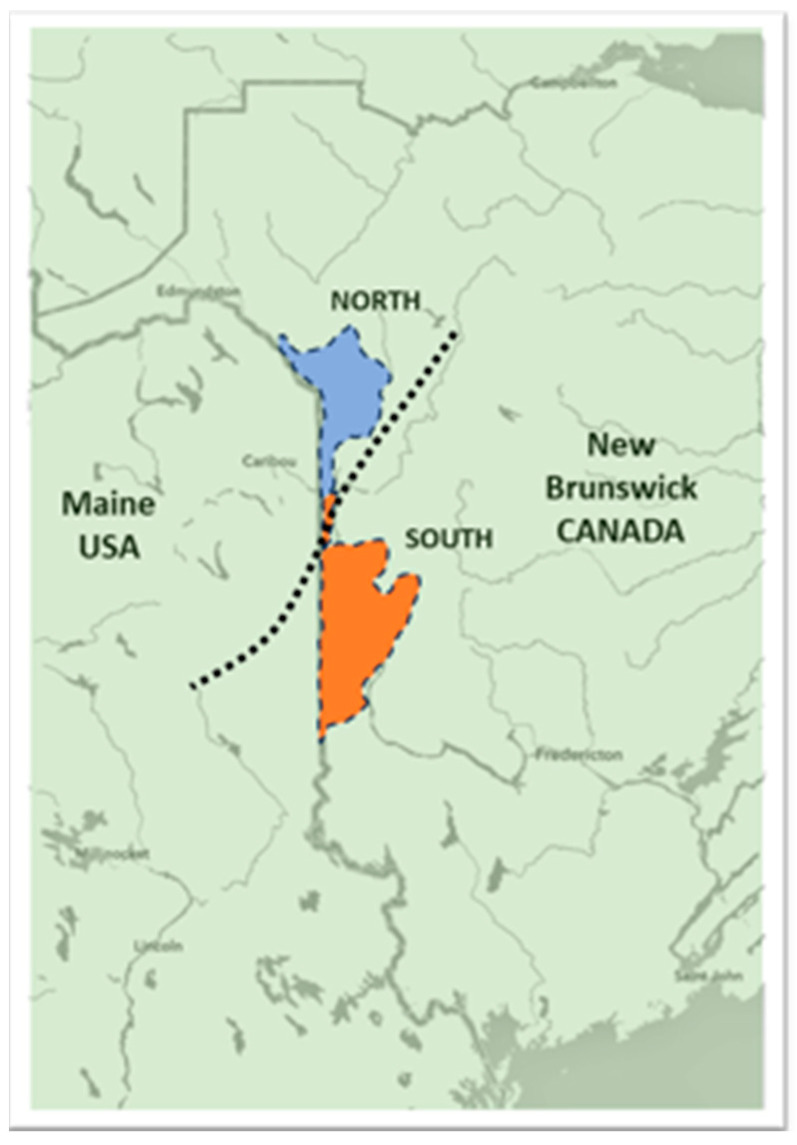 Figure 1
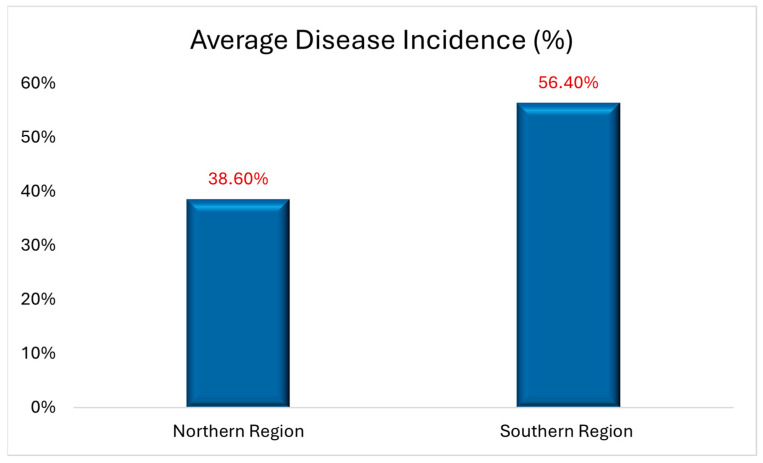 Figure 2
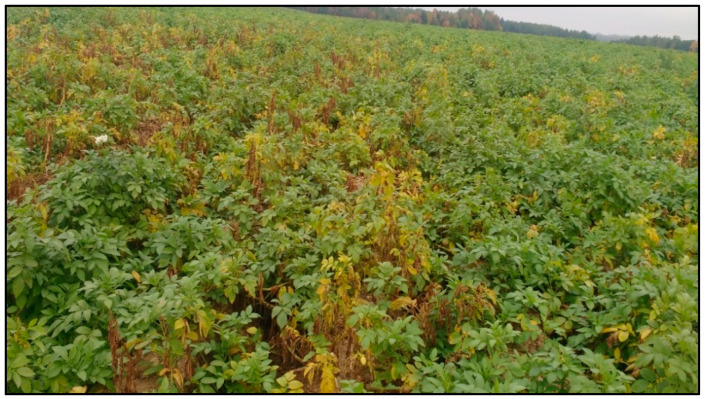 Figure 3
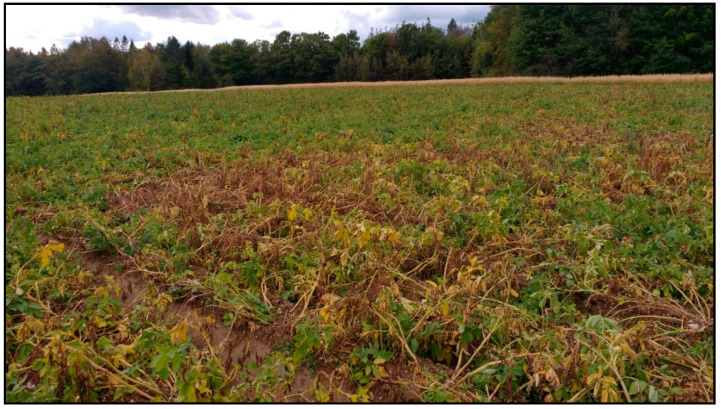 Figure 4
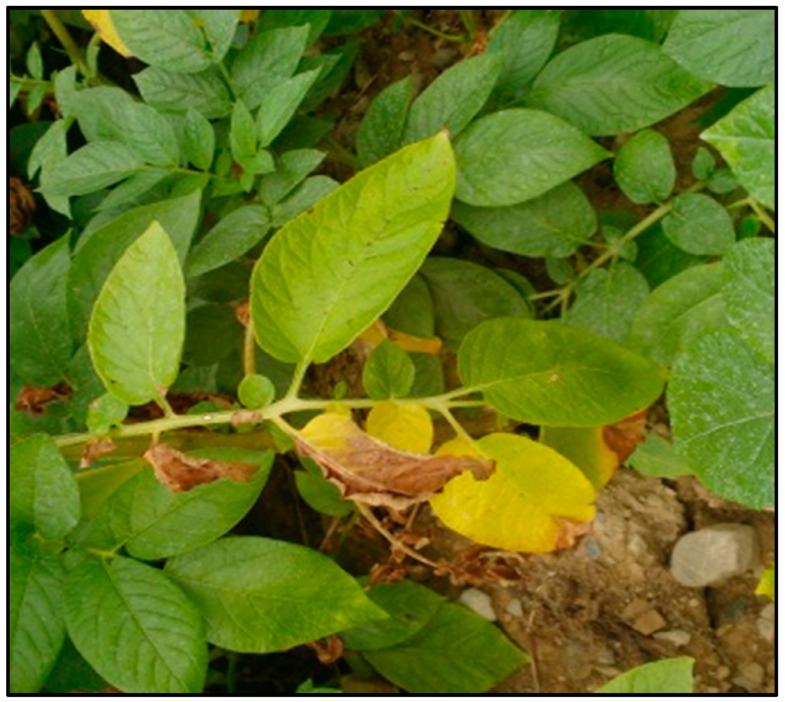 Figure 5
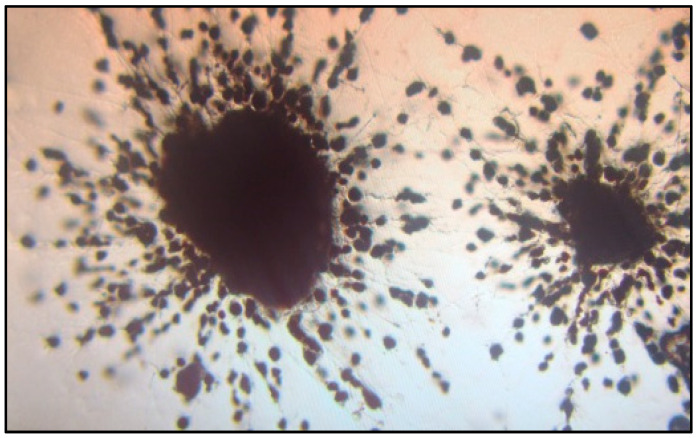 Figure 6
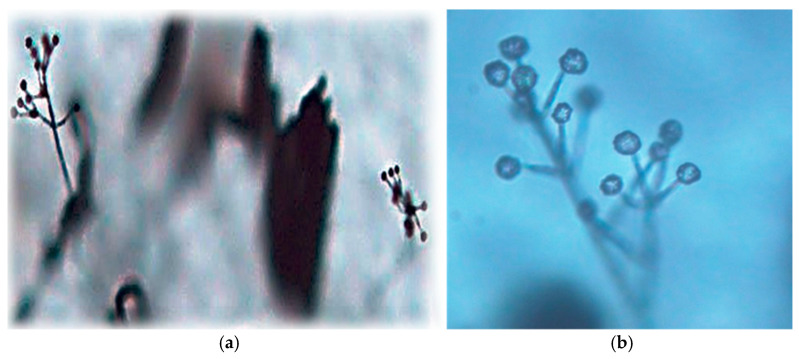 Figure 7
- —Canada/New Brunswick Canadian Agricultural Partnership (CAP) program
- —Canadian Horticultural Council
Peer Reviews
No public reviews on file for this paper yet. If you reviewed it on a platform where reviews are public (OpenReview, ICLR, NeurIPS, ICML), you can paste yours below so the community can read it here.
Videos
No videos yet. Explain this paper in a talk, walkthrough, or lecture? Add one.
Taxonomy
TopicsNematode management and characterization studies · Plant Pathogens and Fungal Diseases · Plant Disease Resistance and Genetics
1. Introduction
Potato early dying (PED) is also known as early die, early maturity wilt, and Verticillium wilt [1]. Verticillium wilt is most important in temperate regions, occurs less frequently in the subtropics, and is rare in tropical regions of the world [2,3,4,5]. This disease is endemic in many fields with a long history of potato (Solanum tuberosum L.) production. PED results in premature vine senescence and can reduce potato tuber yield by 30% or higher. In North America, yield reduction in severely affected fields can exceed 50% [1,6,7]. The disease is caused by either Verticillium dahliae Kleb. or V. albo-atrum Reinke and Berthold, which are pathogenic to potatoes and have been reported to occur in Canada [8,9,10,11]. Both species invade xylem elements, disrupt water transport in plants, and cause vascular wilt in a variety of hosts. Verticillium species are soil-borne fungi that can survive in the soil as resting structures, agglomerates of thick-walled clumps of melanized cells called microsclerotia (MS), without a host for at least 14 years [4,12,13]. MS density is one of the factors affecting disease incidence and severity [13,14,15,16]. Synergistic interactions of the main causal agent of PED (V. dahliae) and/or other pathogenic fungi (V. albo-atrum, Colletotrichum coccodes (Wallr.) Hughes) and the root-lesion nematode (Pratylenchus penetrans (Cobb) Chitwood and Oteifa) have been shown to severely increase PED incidence and to reduce yield [17,18,19]. The PED disease is characterized by a general decline of plants 4 to 6 weeks earlier than normal maturity. The disease first appears as interveinal chlorosis on the leaves of individual or groups of plants scattered among healthy-appearing plants. Wilting and necrosis then follow and progress acropetally from the stem base. The symptoms observed are an uneven chlorosis of the lower leaves, flagging, unilateral leaf wilting, or death. Stems eventually become necrotic and senesce prematurely and may remain upright. A tan vascular discoloration may occur near the stem base [20,21,22,23]. Vascular browning may develop in the tubers of some cultivars [24,25]. Plants across an entire field could die over a several-week period.
Management of the Verticillium wilt pathogens is very difficult due to its wide host range and the production of MS that can persist in the soil for several years [7,26,27]. Several studies have shown promising results of the effect of organic soil amendments, including animal and green manures, disease-suppressive crop rotations, bio-fumigation with mustards, and chemical fumigation with metam sodium and Chloropicrin in managing Verticillium wilt [28,29,30,31,32,33,34,35]. While effective, chemical fumigation represents a significant cost for growers and may also adversely affect soil health; it is also a practice that is scrutinized by the public and consumers. Fumigation represents a practice increasingly considered to be non-sustainable, although it significantly increases tuber yield and gives the economic control or suppression of Verticillium severity. Consequently, it is necessary to consider alternatives to chemical fumigation for the management of PED [7,32,36,37].
New disease management products have become available. The fungicide Aprovia is registered in Canada for the management of soil-borne diseases of potatoes, including Verticillium wilt. The nematicide Velum Prime is registered for the management of nematodes, including the root lesion nematode. Limited assessment of these products has been performed in Atlantic Canada (AC). A promising option for the management of PED, especially where P. penetrans is present, including AC, is bio-fumigation using cruciferous crop residues such as high glucosinolate mustard varieties, marigolds, and pearl millet, all of which have shown good potential to reduce nematodes [33,34,35,38]. Practices to manage PED may have a strong influence on soil health. In addition, the severity of PED symptoms may be reduced in healthy soils despite elevated pathogen populations. For example, in Manitoba, soils with high organic matter content may not show PED symptoms and yield reduction despite the very high levels of V. dahliae in the soil (>200 CFU/g). There is a poor understanding of how management practices of PED influence soil biological communities and indices of soil health. Particularly, chemical fumigation is known to reduce beneficial microbial communities and aggravate diseases in subsequent potato crops. In our most severely affected PED soils, a combination of chemical fumigation to reduce Verticillium and nematode pressure followed by soil health building (e.g., compost, green manures) is a promising and practical option to increase yield and avoid dependency on fumigation. The aim of this study was to (1) determine the incidence and abundance of V. dahliae, V. albo-atrum, and nematode propagules in soil samples collected from the major potato cultivation areas in NB; (2) identify and quantify the density of Verticillium MS in the soil using plating and molecular methods (PCR and RT-qPCR) that can assist in better understanding the specific pathogens and assessing the effect of various management measures on PED; (3) assess the effectiveness of registered fungicides and nematicides and soil amendments in managing PED in commercial potato fields in NB; and (4) perform a field-scale evaluation of the effectiveness of fumigation to manage PED in commercial potato fields in NB.
2. Materials and Methods
2.1. Soil Survey for Verticillium Species and Nematodes in NB Potato Fields
A field survey was conducted to investigate the nature and severity of PED in commercial potato fields in NB. Seventy-one (71) fields were soil-sampled in the fall of 2017 after the potato crop was harvested. Fields were located in the northern and southern parts of the potato belt (Figure 1), representing a range of soils and cropping systems. Soil samples were used to identify, determine, and quantify V. dahliae and V. albo-atrum species. This assessment was performed at the Potato Development Centre in Wicklow, NB, using plate count technique (CFU/g soil) and at the Agricultural Certification Services Inc. in Fredericton, NB, using RT-qPCR (cell/g soil). Pathogenic nematode identification to genus level and counts (# of nematodes/kg of wet soil) were conducted at the Agriculture and Food Laboratory of the University of Guelph in Guelph, Ontario.
Soil samples were collected from 0 to 30 cm depth in each field using a soil core probe (2.5 cm diameter) (Jeanoko, Shenzhen, China). The top 2–5 cm of soil was discarded, and the rest was placed in a clean plastic pail and thoroughly mixed. Multiple subsamples were collected following a zigzag pattern at each site to ensure an accurate representation of Verticillium spp. and nematode distribution. The number of subsamples collected was dependent on field size (1 sample per 3 m). Approximately 2 kg of soil was obtained from each field, divided into two labeled and sealed soil sampling bags, and maintained at 4 °C until sample analyses were conducted. Half of each soil sample was stored in a refrigerator (5–6 °C) until shipping to the Agriculture and Food Laboratory at the University of Guelph for nematode identification and counts. These samples, in accordance with the University of Guelph soil sampling protocol, were not dried or sifted prior to shipping. The other half of each sample was allowed to air dry for 1–2 weeks at room temperature until the soil was dry enough to be sifted through a sieve (250 µm) (Uline, Toronto, ON, Canada). Sifted soil (10 g) from each sample was transferred into a labeled 20 mL plastic vial and shipped to Agricultural Certification Services Inc. for molecular analyses. The rest of each soil sample was analyzed at the Wicklow potato pathology laboratory for Verticillium count. The same soil sample protocol was also used for analyzing the soil samples collected before planting and after harvest (spring and fall, 2017) to evaluate various disease management products against nematodes and Verticillium [2,39].
2.2. Nematode Extraction and Quantification
Nematodes were extracted from 71 composite oil samples representing 71 fields in NB using the Baermann pan method. Specifically, mixed soil (50 g) was placed onto facial tissue (preferably 1-ply) and situated on a mesh layer within a pan. Distilled water was added until a thin layer of water formed at the bottom of the pan. The pan was then placed inside a plastic bag and left undisturbed at room temperature for one week to allow the nematodes to migrate through the tissue. Following the one-week period, water collected in the pan was poured into test tubes where nematodes were allowed to settle for a minimum of three hours. After nematodes had settled at the bottom of the test tube, overlying water was removed, and the nematode-containing water was poured into a Plexiglass counting dish (University of Guelph, Guelph, ON, Canada). Using a dissecting microscope (Carl Zeiss AG, Baden-Württemberg, Germany), nematodes were then counted and identified [40].
2.3. Plate Counts
All soil samples were processed within 1–2 weeks of receipt. A thin layer of soil was spread onto a piece of paper, and any lumps were broken up. Prior to plating onto Sorensen’s NP-10 Media (Millipore Sigma Canada Ltd., Oakville, ON, Canada), the soil was air dried at room temperature (25 °C) for 2–4 weeks (depending on soil moisture content) to kill conidia and mycelial fragments of V. dahlia [41]. The soil was gently passed through a #10 mesh sieve (2 mm) (Uline, Toronto, ON, Canada) to remove any stones or plant debris. A 10 g of thoroughly mixed soil sample was stored in a small zip-closure bag at 4 °C to use in soil plating as described below.
2.3.1. Suspension Solution
A suspension solution was prepared a minimum of one day prior to plating the soil samples. This solution helps in suspending the soil particles in the flask. One flask was used per soil sample. A 0.1 g of Bacto agar (Millipore Sigma Canada Ltd., Oakville, ON, Canada) was added to 100 mL of deionized water in a 250 mL Erlenmeyer flask and then shaken gently. The top of the flask was covered with aluminum foil, and the flask was then autoclaved for 15 min at 121 °C. All flasks were shaken gently after they were autoclaved to avoid agar solidification. All flasks were allowed to cool overnight or longer and then stored at room temperature [41].
2.3.2. Sorenson’s NP-10 Semi-Selective Medium
To favor the growth of V. dahliae, a semi-selective carbon source, such as pectate (polygalacturonic acid) that can only be metabolized by a few other fungi, was added to the agar medium. In addition, Tergitol NP-10 (NPX) (Millipore Sigma Canada Ltd., Oakville, ON, Canada) was used to restrict fungal colony size. Antibiotics were used to prevent bacterial growth [42,43].
2.3.3. Plating Soil
A 10 g soil sample was added to a flask containing 250 mL of water agar and was then agitated on a platform shaker at 50–60 rpm for 2 min. A 1 mL aliquot from the middle of the suspension was taken using a sterilized pipette tip after cutting 3–5 mm to widen the orifice to allow larger soil particles to be delivered onto the surface of a Petri dish containing Sorenson’s NP-10 media. Ten plates per soil sample were used. Under a sterile laminar hood, a 1 mL aliquot was spread as evenly as possible using a sterilized plastic spreader. Plates were covered half to three-quarters with their lids until the water evaporated and the surface of the plate was dry. Ten plates for each soil sample were wrapped together in plastic wrap and then incubated upside down in the dark (to avoid chlortetracycline becoming fungistatic) at room temperature for 3 weeks [41].
2.3.4. Colony Identification and Count
After 3 weeks of incubation, each plate was run under a very gentle stream of cold water. A gloved finger was used to gently rub the surface of the plate to eliminate and remove any surface mycelia and soil particles. The excess water was then drained. The entire surface of each plate was scanned under a dissecting microscope, and the developed colonies of Verticillium containing newly formed MS were counted. Colonies generally appear as black lines of MS radiating from a central point below the surface of the agar. Absence of yellow pigment or short conidia and the presence of microsclerotia are the morphological characters of V. dahliae as described by Inderbitzin et al. [4]. The inoculum level was expressed as the number of colony-forming units (CFUs) per gram (weight or volume) of soil, which is equal to the sum of colonies (MS) on the ten plates.
2.4. Pathogen and Nematode Identification
Soil samples were used to identify Verticillium species present in soil. Identification of Verticillium spp. was performed at the Potato Pathology Laboratory in Wicklow, NB, using traditional methods and at the Agricultural Certification Services Inc. in Fredericton, NB, using conventional PCR and sequencing techniques.
Pure cultures of V. dahliae and V. albo-atrum were grown on potato dextrose agar or Sorenson’s NP-10 semi-selective media. Genomic DNA from each culture (positive control) was extracted using E.Z.N.A.^®^ Fungal DNA Mini kit (Omega Bio-tek Inc., Norcross, GA, USA), and extracted DNA was dissolved in elution buffer solution (100 µL) and then stored at −20 °C until needed. PCR was conducted on unknown fungal cultures using the general fungal primers ITS1 and ITS4 [44]. A 25 µL solution consisting of 2.5 µL 2X Maxima Hot Start PCR Master Mix (Thermo Fisher Scientific, Waltham, MA, USA), 2.5 µL of 0.001 g/mL bovine serum albumin, 2 mM of magnesium chloride, 0.2 mM of dNTPs, 500 nM each of forward and reverse primer, and 0.1 µL/reaction of Maxima Hot Start taq (5U/µL) (Thermo Fisher Scientific, Waltham, MA, USA). The PCR program consisted of an initial denaturation cycle (94 °C, 3 min), followed by a denaturation, annealing, and extension cycle (94 °C for 30 s, 55 °C for 30 s, and 72 °C for 1.5 min) for 30 cycles, and finishing with a final extension period of 72 °C for 10 min. PCRs were conducted in an Eppendorf Mastercycler^®^ Nexus (Eppendorf, Mississauga, ON, Canada). PCR products were visualized on a 1.2% agarose gel to confirm the presence of the product. PCR products from V. dahliae, V. albo-atrum, and unknown cultures run with the ITS primers were purified using the QIAquick PCR Purification kit (Qiagen, Hilden, Germany). Purified products were quantified and assessed for purity on an Eppendorf BioPhotometer (Eppendorf, Mississauga, ON, Canada). All products were sent for sequencing along with their corresponding forward primer (Df, AaF, or ITS1; for the unknowns, ITS4 was also sent as the reverse) to the Centre for Applied Genomics (TCAG) (Toronto, ON, Canada). Results were compared to sequences available in GenBank using the Basic Local Alignment Search Tool (BLAST) of the Nucleotide Sequence Database (National Center for Biotechnology Information (NCBI), Bethesda, MD, USA) and species identity were confirmed.
Soil samples were also used to identify the species of nematodes within the genus of root-lesion nematodes. Standardized nematode morphometric techniques were used to identify Pratylenchus species at the Agriculture and Food Laboratory of the University of Guelph, Guelph, ON, Canada.
2.5. Verticillium Species Identification and Quantification Using RT-qPCR
Verticillium dahliae was detected in soil samples using RT-qPCR. DNeasy PowerSoil^®^ DNA Isolation Kits (Qiagen, Valencia, CA, USA) were used to extract DNA from each dried and sieved soil sample (250 mg). Three subsamples from each soil sample were extracted. Extracted DNA was dissolved in an elution buffer solution (100 µL) and stored at −20 °C. RT-qPCR was conducted using specific forward and reverse primers (not revealed for publication), targeting the elongation factor 1-alpha region of V. dahliae. A 20 µL solution consisting of 10 µL 2X Ssofast EvaGreen Supermix (Bio-Rad Laboratories, Mississauga, ON, Canada)), 2 µL of 0.001g/mL bovine serum albumin, species-specific primers of 400 nM forward and reverse [45], and template DNA (2 µL) was used to conduct an RT-qPCR. Reactions were run using the qTOWER3 real-time PCR system (Analytik Jena, Jena, Germany). The PCR program consisted of an initial denaturation cycle (98 °C, 2 min) followed by 45 cycles of denaturation (98 °C. 5 s) and species-specific annealing (10, 64 °C), extension (1 min, 72 °C). A melting curve analysis was conducted at the end of the program (60–95 °C) to confirm the absence of primer dimers and non-specific amplification products. The qPCRsoft (v. 3.2; Analytik Jena, Germany) was used to perform the assay sensitivity, measurements, and melting curve. Fungal genomic DNA was extracted from pure cultures using the E.Z.N.A.^®^ fungal DNA mini kit (Omega Bio-tek Inc., Norcross, GA, USA) and serially diluted (1:5, 5 ng/µL, 8 dilutions) to determine amplification efficiency and the standard curve. The comparative cycle threshold (CT) method was used to quantify pathogen DNA in each sample. Results were exported into Microsoft Excel where the standards were plotted (log of template concentration against CT values) and unknown amounts calculated through the generated curve equation. Three replicate reactions were conducted to assess the standard graph and sensitivity test. All ‘unknown’ samples were run in duplicate, and a positive soil control and no-template control (PCR grade water) were included on each 96-well plate. The amount of DNA corresponding to one V. dahliae cell was estimated at 36.5 fg/genome [46,47]. Results from RT-qPCR were used for pathogen identification and quantification (number of V. dahliae cells/g soil).
2.6. Evaluation of Chemical Fumigation (Chloropicrin)
Eight potato fields were randomly selected to assess the efficacy of chemical fumigation with Chloropicrin in managing PED pathogens. Chloropicrin was applied to the soil at the recommended rate of 55 L/ha in the fall as a conventional treatment. Each field was soil sampled before and after 3 weeks of fumigation. Soil samples were used to identify, determine, and quantify V. dahliae and V. albo-atrum to species level using plate count technique (CFU/g soil) at the Potato Development Centre, Wicklow, NB; RT-qPCR testing for V. dahliae (cell/g soil) was conducted at Agricultural Certification Services Inc., Fredericton, NB; and pathogenic nematode extraction and identification to genus level and counts (# of nematodes/kg of soil) using Baermann pan method were conducted at the Agriculture and Food Laboratory of the University of Guelph, Guelph, Ontario, as described earlier. The soil in the area from where samples were collected is silty clay loam to silty loam with >20% clay. Cation exchange capacity (CEC) in the region is 13 to 19 while the pH is maintained close to 6. Organic matter % ranged from 3.5 to 6%. Average air temperature during the months of May, June, July, August, and September were 10.9, 16.3, 18.7, 17.8, and 16.4 °C, respectively, with a total average of 16.0 °C. Total precipitation for the same months was 133.4, 68.8, 37.8, 38.0, and 57.2 mm, respectively, with a grand total of 335.2 mm.
2.7. Evaluation of Various Disease Control Products Against Nematodes and Verticillium spp.
A field-scale plot trial was conducted to test the efficacy of various products against Verticillium and root lesion nematode in a commercial field with a known history of PED. The field plot trial was laid out in a randomized block design (RBD) in the spring of 2017–2018 (see Section 2.6 for soil properties, precipitation, temperature, etc.). Soil samples were collected from all plots twice during the growing season: (1) 2 weeks after the potato crop was planted; and (2) at harvest. Soil samples were used for the identification, determination, and quantification of Verticillium, and pathogenic nematodes as described earlier. Nine treatments were applied pre-planting or at planting, and each treatment was replicated four times (4 strips). The treatments included the following:
- Control: No fungicide or nematicide applied.
- Aprovia: A fungicide applied in-furrow at the recommended rate for control of Verticillium wilt (0.625 L/ha; 100 L water/ha).
- Velum: A nematicide applied in-furrow at the recommended rate for control of pathogenic nematodes (4.5 mL/100m row; 100 L water/ha).
- Velum + Aprovia (Treatments #2 + #3) combined.
- Mustgrow: An “oriental mustard seed meal” that is surface applied and incorporated in the soil (1680.5 kg/ha).
- Senator PSPT: A “seed piece treatment” registered for the control of Verticillium wilt (500 g/100 kg of cut seed).
- Vapam: Soil fumigant for control of pathogenic nematodes applied in-furrow a minimum of 5 days prior to planting (487.5 L/ha).
- Ammonium-lignosulfonate: Applied as a soil amendment 14 days prior to planting, mixed with water applied directly to the soil (6 T/ha).
- Nimitz: Fast-acting contact nematicide for controlling root-knot and root lesion nematodes in fruiting vegetables. Applied in-furrow 7 days before planting at a depth of 15–20 cm (6 L/ha; 200 L water/ha).
Data were log transformed (log [x + 1]) before analysis. Due to similarities of data, the effects of treatments were examined by pooling data from two seasons. Statistical analyses were carried out, and field experiment data were subjected to analysis of variance (ANOVA) using the Statistix 9.0 software (Analytical Software, Tallahassee, FL, USA). If significant, a least significant difference was used as a mean separation test. Tuber yield, size distribution, and quality were assessed according to processing potato contracts. All differences are reported at p ≤ 0.05.
2.8. Field Visual Disease Assessment of Potato Early Dying (PED)
Twenty potato fields were visually assessed for Verticillium wilt disease severity based on PED symptoms. Disease incidence (number of plants exhibiting early dying symptoms out of 100 plants assessed per field) was assessed per potato field. Visual assessment was conducted by walking across the potato field following a ‘V’ pattern. For each 10 steps walked, a potato plant was assessed for Verticillium wilt symptoms, and disease incidence was calculated per field [48]. In addition, 10 potato plants suspected of Verticillium wilt infection were collected per field, and the stem parts were cultured and tested for the presence of Verticillium. Stems were placed in 1.5–1.7% calcium hypochlorite solution for 2 min, then in sterile distilled water for 2 min, and then on sterilized filter paper. Tissues were cut into 0.2–0.5 cm pieces using sterile scalpel and tweezers and then transferred onto NP-10 media. Plates were incubated for 1–2 weeks at room temperature before they were examined for the presence of Verticillium MS under a dissecting microscope. Verticillium cultures were purified, identified, and sequenced using conventional PCR.
3. Results
3.1. Plant and Soil Survey for Verticillium Species and Nematodes in NB Potato Fields
Disease incidence assessments of PED based on visual wilt symptoms (100 plants/field) were made in 20 NB potato fields (10 in the northern zone and 10 in the southern zone of the potato growing regions of NB) where severe early dying symptoms were observed in September 2017. Results revealed higher disease incidence (56.4%) in fields in the south compared to those in the north (38.6%) (Figure 2, Figure 3 and Figure 4). All potato plants collected from PED-suspected fields tested positive for V. dahliae (Figure 5). V. dahliae was identified in all collected potato plants (100% occurrence in each of the 20 fields) with 98–99% sequence similarity to the deposited sequences in NCBI-GeneBank. These results confirmed that V. dahliae is the main contributor to the early dying symptoms.
A survey of 71 commercial potato fields was conducted in NB in the fall of 2017 to determine the presence of V. dahliae and nematodes. The survey of the incidence and pathogen/nematode abundance was carried out using plate counts, RT-qPCR, and nematode identification and counts. High levels of Verticillium wilt pathogens and root-lesion nematodes were detected in many fields. Approximately 77.5% of the surveyed fields tested positive for Verticillium spp. microsclerotia (Figure 6 and Figure 7), with a maximum number of 66 CFU/g of soil (Table 1). Approximately 42% of the fields had 2–13 CFU/g soil, and 5.6% of the fields had >30 CFU/g when quantified using the plate count method. The economic damage threshold level for V. dahliae alone and in the presence of nematodes is 5–30 and 2–13 CFU/g of soil, respectively, as previously reported [1]. RT-qPCR analysis of DNA extracted from 71 field soil samples revealed that the incidence of V. dahliae in NB was high with an uneven distribution. Analysis of the 71 composite soil samples also confirmed positive results for V. dahliae and wide distribution in NB fields, occurring with a high frequency (100% incidence) in 68 fields cultivated with potatoes. There were only three soil samples from which no V. dahliae DNA was detected. The abundance of V. dahliae varied largely in 68 field soil samples c and ranged from 261 to 27,471 cell/g soil. The heaviest infestation was recorded in the parish of Grand Falls, field #NV2017-022, with an average of 27,471.4 V. dahliae cells/g of soil (Table 1).
Five nematode genera, namely, root lesion nematode (Pratylenchus spp.), pin nematode (Paratylenchus spp.), spiral nematode (Helicotylenchus spp.), root knot nematode (Meloidogyne spp.), or stunt nematode (Tylenchorhynchus spp.), were identified in soils from NB fields in 2017 (Table 1). The economic damage threshold level for root lesion nematodes is 1000/kg of soil for susceptible cultivars such as “Superior” and 2000/kg of soil for all other cultivars ( (https://cropipm.omafra.gov.on.ca/en-ca/crops/potatoes/diseases/17daf253-bd84-486b-a2b3-7a40a93044c0?iid=0c956cd4-cfc5-4561-8518-7a6efc21df32, accessed on 30 March 2025).
Results indicated that 90.2% of the fields were above the 1000/kg soil economic damage threshold for root lesion nematode and 63.4% above the 2000/kg soil economic damage threshold with a maximum number of root lesion nematodes of 14,240/kg soil. Data in Table 2 illustrate the total number of soil samples collected from both northern (26 samples) and the southern (45 samples) regions of the potato belt area of NB containing all five nematode species. All 71 soil samples collected in 2017 from both regions contained root lesion nematode (Pratylenchus spp.) and pin (Paratylenchus spp.). A small number of soil samples had other parasitic nematodes, such as root knot (Meloidogyne spp.), stunt (Tylenchorhynchus spp.), and spiral (Helicotylenchus spp.) nematodes (Table 2).
3.2. Effect of Fumigation with Chloropicrin on Root Lesion Nematode and Verticillium dahliae Population Density in Soil of New Brunswick Fields in the Fall of 2017
Eight potato fields were randomly selected in 2017 to assess the efficacy of chemical fumigation (Chloropicrin) in managing potato early dying disease. In comparison with non-fumigated fields, fumigation with Chloropicrin had a greater effect on reducing the population density of the root lesion, pin, root-knot, and spiral nematodes. Five fields showed more than 90% reduction in root lesion nematode. A maximum reduction in root lesion nematode was recorded in field #2 (99%), and the lowest reduction was in field #3 (34%) compared to the same fields when tested before fumigation (Table 3). In addition, fumigation with Chloropicrin had a greater effect on reducing the population density of Verticillium spp. (CFU/g soil) in soil samples collected from fumigated fields compared to before fumigation. Four fields showed a 100% reduction in Verticillium spp. (CFU/g soil), and four fields showed moderate reduction ranging from 50% to 90% (CFU/g soil) (Table 3). Fumigation with Chloropicrin showed greater effectiveness in controlling V. dahliae in the fumigated field soil samples compared to non-fumigated samples. Seven fumigated field soil samples showed the highest reduction in the population density of V. dahliae ranging from 80 to 91% (cells/g of soil). Only field #3 showed less effect on the population density of V. dahliae with 37.9% (cell/g of soil), as illustrated in Table 3.
3.3. Evaluation of Various Disease Control Products Against Nematodes and Verticillium (Field Plot Trial)
Various disease control products such as Aprovia (fungicide registered for the management of Verticillium), Velum (nematicide), Mustgrow (mustard seed meal), Senator PSPT (seed piece treatment fungicide), Vapam (nematicide, fumigant), Nimitz (contact nematicide), and ammonium-lignosulfonate (soil amendment) were used to manage potato early dying and to test their efficacy against root lesion nematode and Verticillium population density under field conditions in 2017–2018. Results (Table 4) indicated a variation in the effectiveness of the different disease control products against root lesion nematode and Verticillium population density compared to the untreated control. Treatments with the nematicide Velum, Velum + Aprovia, Vapam, and ammonium-lignosulfonate had greater effects on reducing the population density of the root lesion nematode (66.67%, 40.5%, 25.0%, and 32.7%, respectively) compared to the untreated control and other products (Table 4). The efficacy of various disease control products against Verticillium spp. (CFU/g soil) under field conditions is illustrated in Table 5. Most of the treatments caused a reduction in Verticillium spp. counts (CFU/g soil), which ranged from 16.1% to 73.2% compared to the untreated control. The fungicide Aprovia applied in-furrow at the recommended rate for the management of Verticillium wilt significantly reduced Verticillium spp. CFU/g soil by 73.3% compared to other products and the untreated control. Treatments with Senator PSPT and Nimitz had no effect on Verticillium population density (Table 5). All treatments except that with Nimitz showed efficacy in reducing V. dahliae content (cell#/g soil). The combination of Velum + Aprovia and the application of ammonium-lignosulfonate significantly reduced V. dahliae by 190.95% and 274.24%, respectively, compared to the untreated control and other products (Table 6). All tested products increased potato marketable yield by 27.38–97.74% compared to the untreated control (Table 7).
4. Discussion
Potato early dying (PED) disease complex causes loss in vigor during mid to late summer, followed by premature vine senescence, resulting in mild to severe tuber yield losses and consequently significant crop yield reduction by more than 50% [1,23,47,49,50]. Fungal wilt pathogens such as Verticillium dahliae and V. albo-atrum are considered the main causal agents of PED disease, and they exhibit different levels of aggressiveness [49,51]. The fungus can overwinter in infected tubers and plant debris. It can spread from one part of the field to another by runoff water, cultivation, and machinery such as harvesters. Soil parasitic nematodes [52], such as root-lesion nematode (Pratylenchus penetrans), is also an important factor contributing to the PED disease incidence and yield loss. The co-infection of potato by both V. dahliae and the root lesion nematode can greatly increase the severity of the disease.
Our soil survey was designed to study the distribution and levels of nematodes and Verticillium pathogens in commercial fields cultivated with potatoes in NB, Canada, in 2017. Results illustrated the presence of five soil parasitic nematodes, particularly root lesion nematode (Pratylenchus spp.), in all 71 fields. More than 77% of the surveyed fields had Verticillium spp. when quantified using the plate count method, and 96% of the surveyed fields had V. dahliae when quantified using an RT-qPCR technique with an uneven distribution in the various locations of NB. Our results were similar to those reported by other researchers [27,45,53,54] who reported the presence of V. dahliae in all potato-growing regions of Canada. Root-lesion nematode (P. penetrans) was detected in central Canada, the Maritimes, and British Columbia. Our results demonstrated that more than 90% of the fields under study in NB were above the economic damage threshold of 1000/kg soil for root lesion nematode (https://cropipm.omafra.gov.on.ca/en-ca/crops/potatoes/diseases/17daf253-bd84-486b-a2b3-7a40a93044c0?iid=0c956cd4-cfc5-4561-8518-7a6efc21df32 (accessed on 30 March 2025) with a maximum number of 14,240/kg of soil. This is evidence of a much greater issue associated with potato early dying than previously thought, so there is a need to better address this issue in future studies. These results are comparable with the outcomes of several investigations conducted in Canada and other countries [7,9,10,11,23,24,25,26,45,51,55,56]. Verticillium wilt, a soil-borne disease of potato, is difficult to control due to the longevity of microsclerotia, broad host range, and the fact that none of the potato cultivars are completely resistant or tolerant to V. dahliae; therefore, control strategies of Verticillium wilt in Canada are generally limited to a combination of chemical and cultural practices such as crop rotations and the use of resistant cultivars. As a result, an adequate PED disease management strategy should consider the integration of different potential protection options, including soil fumigation with metam sodium (Vapam) or Chloropicrin, alone or in combination with other chemicals [7,35,57,58]. PED management tactics should be aimed at preventing the elevation of Verticillium wilt inoculum in soil. Chemical fumigants are very effective in killing the root lesion nematode. However, a reduction in Verticillium soil levels is more difficult to achieve. Fumigation with Chloropicrin had a greater effect on reducing the population density of the root lesion nematode by 99%; Verticillium spp. by 100% (CFU/g soil); and V. dahliae by up to 91% (cells of V. dahliae/g soil) in soil samples collected after fumigation compared to those collected from the same fields before fumigation. The reduced effectiveness of fumigation with Chloropicrin in field # 3 may be due to several factors, such as a lower application rate compared to maximum rates used in potato growing regions in Canada, low concentration of active ingredient used compared to other commercial formulations, dry soil conditions at the time of application, water content in the soil, survival of the pathogen deeper in the soil, and weather factors, etc. However, our results showed a similar trend to other studies [7,57,58,59].
Chemical fumigation is an effective method to manage PED. Effective chemical fumigation represents a significant input cost for growers. It may also adversely affect soil health. Consequently, it is necessary to consider alternatives to chemical fumigation for managing PED. Therefore, host resistance is the best means of controlling PED [60,61]. We studied the efficacy of alternative products to fumigation against nematodes and Verticillium using a field with known high levels of both Verticillium and root lesion nematode in 2016. Treatments with Velum, Vapam, Velum + Aprovia, and ammonium-lignosulfonate had greater effects on reducing the population density of the root lesion nematode compared to other products. Most of the treatments showed a good reduction in Verticillium spp. counts (CFU/g soil) compared to the untreated control. The fungicide Aprovia was highly effective in reducing V. dahliae CFU/g of soil in treated soil by 73.3% compared to other products and the untreated control. The combination of Velum + Aprovia and the application of ammonium-lignosulfonate significantly reduced V. dahliae by 190.95% and 274.24%, respectively, compared to other products. All disease management products increased potato marketable yield by 27.38–97.74%. Historically, potato yields in New Brunswick tend to be lower than Western Canada and USA, as we do not rely on irrigation due to topography limitations. Our results agree with other studies. Kirkegaard et al. [62] used cruciferous crop residues as biofumigants to manage PED. Mustard reduced soil-borne diseases of potatoes more than other rotation crops [28,63]. In Eastern Canada, high glucosinolate mustard varieties were used as biofumigants to manage PED [64]. Biofumigation has been shown to reduce nematode populations in potato fields [65,66]. Brassica green manure [67] and crop rotation are well known to reduce disease pressure and increase potato yields. Marigolds [47] and pearl millet [63,68] have shown good potential to reduce the impact of PED on potatoes. Our study revealed that the management practices of PED using the fungicide Aprovia and nematicide Velum and a combination of both Velum + Aprovia had the greatest effect in reducing the population density of the root lesion nematode and V. dahliae in soil.
5. Conclusions
The results of this study suggest that root lesion nematode and V. dahliae have a ubiquitous distribution in the fields cultivated with potatoes in NB and are consistent with similar studies carried out in Nova Scotia [54,56] and Prince Edward Island [45]. The co-infection of potato by both V. dahliae and the root lesion nematode can greatly increase the severity of PED. Fumigation with Chloropicrin significantly managed PED by reducing the levels of root lesion nematode and Verticillium in all fumigated fields. The management practices of PED using the fungicide Aprovia and nematicide Velum and a combination of both Velum + Aprovia had the greatest effect in reducing the population density of the root lesion nematode and Verticillium dahliae in soils of commercial potato fields in New Brunswick.
For future research, the authors invite scholars to perform similar province-specific studies focusing on the impact of climate change on the population density of Pratylenchus penetrans and Verticillium species and their impact on PED symptoms and potato marketable yield. Testing alternative management approaches and returns on investment studies are also advised. Such academic contributions can help achieve better management of PED.
The reference list from the paper itself. Each links out to its DOI / PubMed record.
- 1Powelson M.L. Rowe R.C. Biology and management of early dying of potatoes Annu. Rev. Phytopathol.19933111112610.1146/annurev.py.31.090193.00055118643764 · doi ↗ · pubmed ↗
- 2Arseneault T. Lafond-Lapalme J. Gonzalez C.E.Q. Jordan K.S. Yevtushenko D. Barrett R. Mimee B. A Genome Resource for 192 Verticillium dahliae Isolates Infecting Potatoes Across Canada Phyto Frontiers 2023375377510.1094/PHYTOFR-03-23-0041-A · doi ↗
- 3Hawksworth D.L. Talboys P.W. Verticillium dahliae. [Descriptions of Pathogenic Fungi and Bacteria]Commonwealth Mycological Institute Kew, UK 1970 Volume 26Sheet-256
- 4Inderbitzin P. Bostock R.M. Davis R.M. Usami T. Platt H.W. Subbarao K.V. Phylogenetics and taxonomy of the fungal vascular wilt pathogen Verticillium, with the descriptions of five new species P Lo S ONE 20116 e 2834110.1371/journal.pone.002834122174791 PMC 3233568 · doi ↗ · pubmed ↗
- 5Li K. Determining Effects of Management Practices on Potato Early Dying and Soil Microbiome and Assessing Risk of Fungicide Resistance in Verticillium dahliae Master’s Thesis The University of Maine Orono, ME, USA 2021 Available online: https://digitalcommons.library.umaine.edu/etd/3403(accessed on 30 March 2025)
- 6Davis J.R. Huisman O.C. Everson D.O. Schneider A.T. Verticillium wilt of potato: A model of key factors related to disease severity and tuber yield in Southeastern Idaho Am. J. Potato Res.20017829130010.1007/BF 02875694 · doi ↗
- 7Rowe R.C. Powelson M.L. Potato early dying: Management challenges in a changing production environment Plant Dis.2002861184119310.1094/PDIS.2002.86.11.118430818465 · doi ↗ · pubmed ↗
- 8Robertson C. Management Strategies for Potato Early Dying Complex in Southern Alberta Master’s Thesis University of Lethbridge Lethbridge, AB, Canada 2020