Live surgical broadcasts: a scoping review
Essam Rama, Vikas Khanduja

Abstract
Genes, proteins, chemicals, diseases, species, mutations and cell lines named across the full text — each resolved to its canonical identifier and authoritative record.
Click any figure to enlarge with its caption.
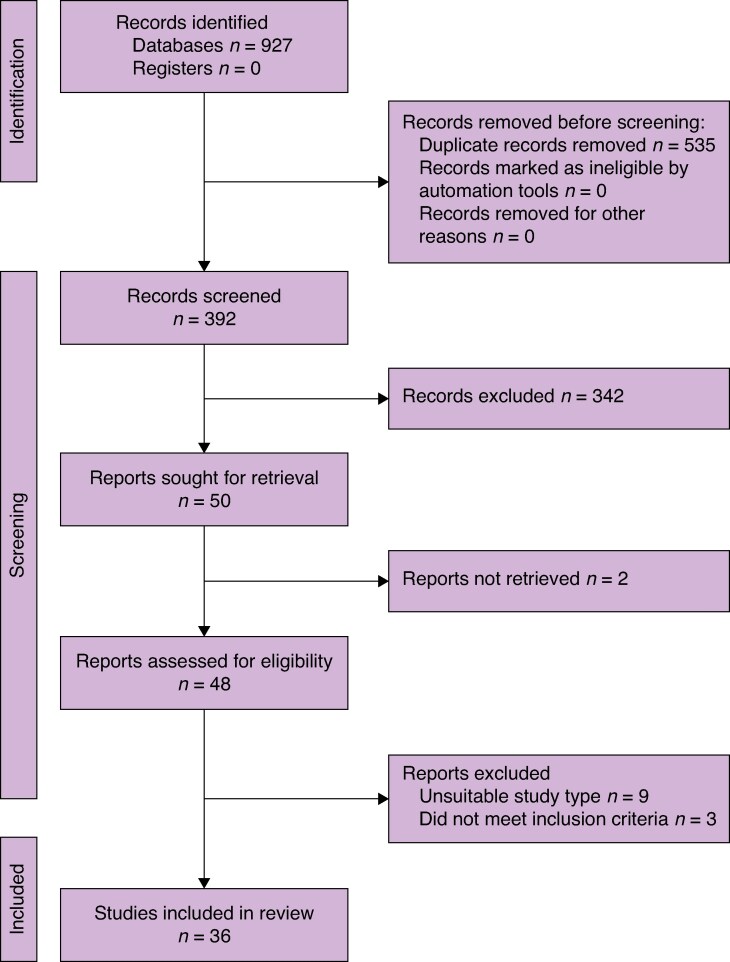 Figure 1
Peer Reviews
No public reviews on file for this paper yet. If you reviewed it on a platform where reviews are public (OpenReview, ICLR, NeurIPS, ICML), you can paste yours below so the community can read it here.
Videos
No videos yet. Explain this paper in a talk, walkthrough, or lecture? Add one.
Taxonomy
TopicsSurgical Simulation and Training · Diversity and Career in Medicine · Cardiac, Anesthesia and Surgical Outcomes
Live surgery has been a valuable educational tool since the anatomical demonstrations of more than 500 years ago^1^. Improvements in audiovisual and teleconferencing technology have facilitated the emergence of live surgical broadcasts (LSBs), which involve high-quality streaming of operating room procedures to both global audiences and the in-house conference hall viewership at live surgery events. Proponents highlight the interactive nature of LSBs, which allow participants to engage with expert surgeons as they demonstrate new techniques, manage complications, and navigate challenging steps in real time^2^. However, the practice has not been without controversy, raising ethical and safety concerns that challenge its continued implementation^3^.
A scoping review was conducted to provide a comprehensive overview of the research in this field. Inclusion and exclusion criteria are presented in Table S1. Studies written in English or with an available English translation were included; studies before 2005 were excluded. In all, 36 studies were included in the scoping review. The PRISMA diagram for study inclusion is shown in Fig. 1. Included studies were classified into four categories: the impact on patients, the impact on surgeons, the impact on the audience, and alternatives to live surgery. There was significant overlap between categories, as shown in Table S3. These impacts are summarised in Table S4.
LSBs provide an unfiltered educational experience, allowing observers to witness and interact with expert surgeons making decisions in real-time. Surveys indicated that live broadcasts are highly valued by attendees for their ability to enhance clinical and anatomical understanding. For example, 91% of urologists who attended LSBs reported the experience as a ‘great way’ to educate^4^. The reported benefits were learning new techniques^5^, avoiding complications, and improving surgical skills. LSBs fostered interaction between surgeons and audiences, increased engagement and provided knowledge^2^ that would otherwise be difficult to share.
The potential risks to patients remain key points of contention. Studies have generally found that complication rates for live surgeries are comparable to those of routine procedures, although some studies concerning bariatric and colorectal surgery have reported a higher complication rate, a longer operative time, and increased blood loss (Table S5).
Surveys of audience members and surgeons emphasised the additional pressures placed on surgeons, which may compromise performance (Table S6). Performing in unfamiliar environments, working with unfamiliar teams, and the need to narrate and interact with a live audience introduced additional challenges that could affect outcomes. Ethical concerns also arise regarding informed consent, confidentiality, and potential financial conflicts of interest, particularly when LSBs are sponsored by surgical device companies.
It has been suggested that a comparable educational benefit may be derived from alternatives to live surgery that focus on patient safety first and reduce the associated risks for the patient and the additional challenges faced by the surgeons and surgical team^6^. An ‘as-live’ surgical broadcast (ALSB) refers to the use of prerecorded unedited videos, where the interaction between surgeons is maintained without the element of distraction and with the ability to replay key parts of the operation, maximizing learning for the audience^6^.
Studies comparing LSBs and ALSBs have yielded mixed results^6,7^. Surveys suggested ALSBs provide similar educational value. ALSBs address several ethical concerns by enabling procedures to be performed in the surgeon’s home institution, minimizing unfamiliarity and ensuring continuity of care for patients.
The dilemma of live surgery is whether the educational benefit outweighs the potential for patient harm. The future of live surgical education will likely involve a blend of live and prerecorded approaches, balancing the educational benefits of LSBs with the safety and ethical advantages of alternatives. Advances in simulation technology and virtual reality may further enhance surgical training, providing immersive, risk-free environments that complement live and prerecorded broadcasts.
Supplementary Material
zraf051_Supplementary_Data
The reference list from the paper itself. Each links out to its DOI / PubMed record.
- 1Zampieri F, El Maghawry M, Zanatta A, Thiene G. Andreas Vesalius: celebrating 500 years of dissecting nature. Glob Cardiol Sci Pract 2015;2015:6628127546 10.5339/gcsp.2015.66PMC 4762440 · doi ↗ · pubmed ↗
- 2Itam S, Pakzad M, Hamid R, Ockrim J, Vashisht A, Cutner A et al Female urology and urogynecology: the outcome of patients participating in live surgical broadcasts. Urogynecology 2020;26:554–55710.1097/SPV.000000000000063430192256 · doi ↗ · pubmed ↗
- 3Khan SAA, Chang RTM, Ahmed K, Knoll T, van Velthoven R, Challacombe B et al Live surgical education: a perspective from the surgeons who perform it. BJU Int 2014;114:151–15824053660 10.1111/bju.12283 · doi ↗ · pubmed ↗
- 4Salami SS, Elsamra SE, Motato H, Leavitt DA, Friedlander JI, Paoli MA et al Performing in the surgical amphitheater of today: perception of urologists conducting live case demonstrations. J Endourol 2014;28:1121–112624854833 10.1089/end.2014.0094 · doi ↗ · pubmed ↗
- 5Ackermann J, Wedel T, Holthaus B, Bojahr B, Hackethal A, Brucker S et al Didactic benefits of surgery on body donors during live surgery events in minimally invasive surgery. J Clin Med 2020;9:291232917056 10.3390/jcm 9092912 PMC 7563950 · doi ↗ · pubmed ↗
- 6Phan YC, Segaran S, Wiseman O, James P, Clayman R, Smith A et al Which is better? ‘Live’ surgical broadcasts vs ‘as-live’ surgical broadcasts. J Endourol 2016;30:1022–102827268127 10.1089/end.2016.0165 · doi ↗ · pubmed ↗
- 7Schuettfort VM, Ludwig TA, Marks P, Vetterlein MW, Maurer V, Fuehner C et al Learning benefits of live surgery and semi-live surgery in urology—informing the debate with results from the International Meeting of Reconstructive Urology (IMORU) VIII. World J Urol 2021;39:2801–280733140166 10.1007/s 00345-020-03506-3PMC 8332562 · doi ↗ · pubmed ↗