Solvent Effect on Antimicrobial Hydrophilic Xerogel Coating of Medicinal Leathers in Simulated Industrial Finishing Process
Theofanis Bompotis, Eirini Karastergiou, Konstantinos Giannakopoulos, Evangelos P. Favvas, Marina Arvanitopoulou, Konstantinos Arvanitopoulos, Labros Arvanitopoulos, Georgia Kytherioti, Michail Vardavoulias, Dimitrios A. Giannakoudakis, Laura Castellsagués

TL;DR
This paper explores a new eco-friendly method to coat medical leathers with antimicrobial xerogel coatings using a simulated industrial process.
Contribution
The study introduces a novel dual solvent system for creating hydrophilic and antimicrobial xerogel coatings using silver nanoparticles and hyperbranched PEI.
Findings
The dual solvent system enhances the hydrophilicity and antimicrobial properties of medical leathers.
Silver ions spontaneously mineralize in the polymer's cavities, contributing to antimicrobial effects.
The treatment effectively resists fungal and bacterial infections without toxic byproducts.
Abstract
The hydrophilic character and the protection against pathogen proliferation are the most pivotal characteristics of leathers intended for medical purposes. To achieve these goals, dispersions of TiO2 particles incorporating three different formulations of biomimetically synthesized silica xerogels were tested. Emphasis has been given to the role of single and dual solvents employed. Microbiocide capability was induced by benzalkonium chloride along with silver nanoparticles. Particular emphasis should be given to hyperbranched poly(ethylene imine) multifunctional roles. Spontaneous mineralization of silver ions is realized in the dendritic cavities. The same polymer acts as a matrix that interacts with the hydrogen bonding network of orthosilicic acid directing and facilitating gel formation. Furthermore, it contributes to both hydrophilicity and antimicrobial properties. Gel formation…
Genes, proteins, chemicals, diseases, species, mutations and cell lines named across the full text — each resolved to its canonical identifier and authoritative record.
Click any figure to enlarge with its caption.
 Figure 1
 Figure 2
 Figure 3
 Figure 4
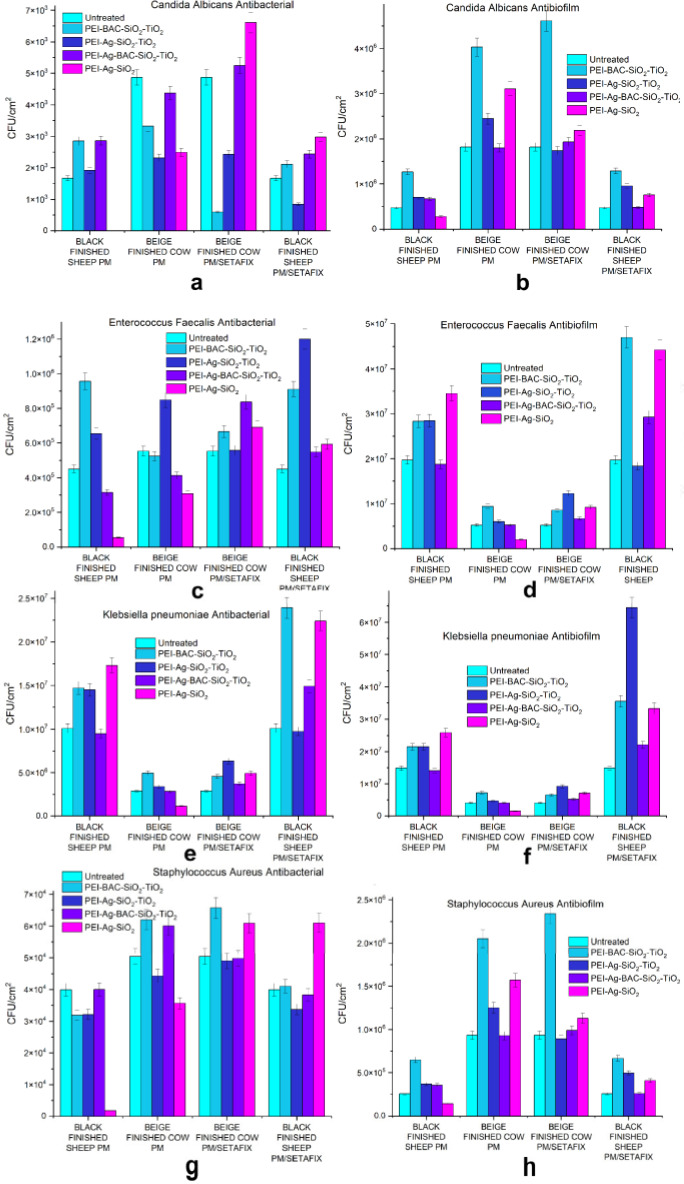 Figure 5
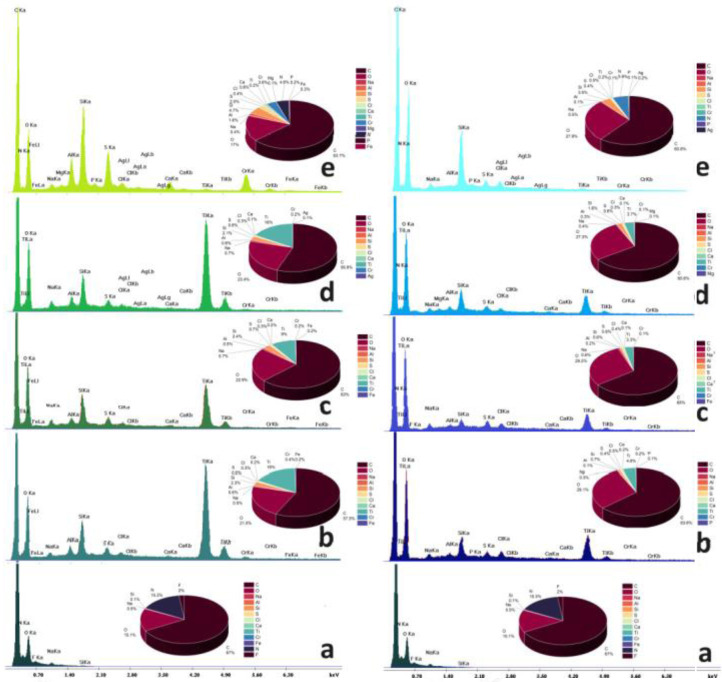 Figure 6
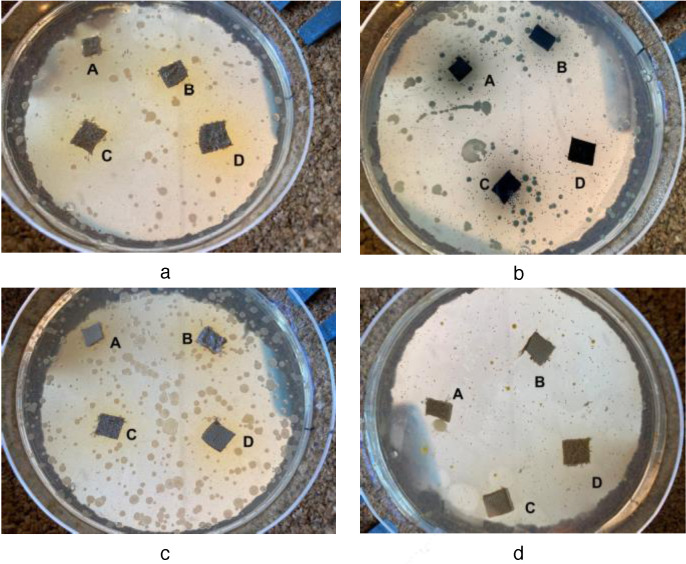 Figure 7
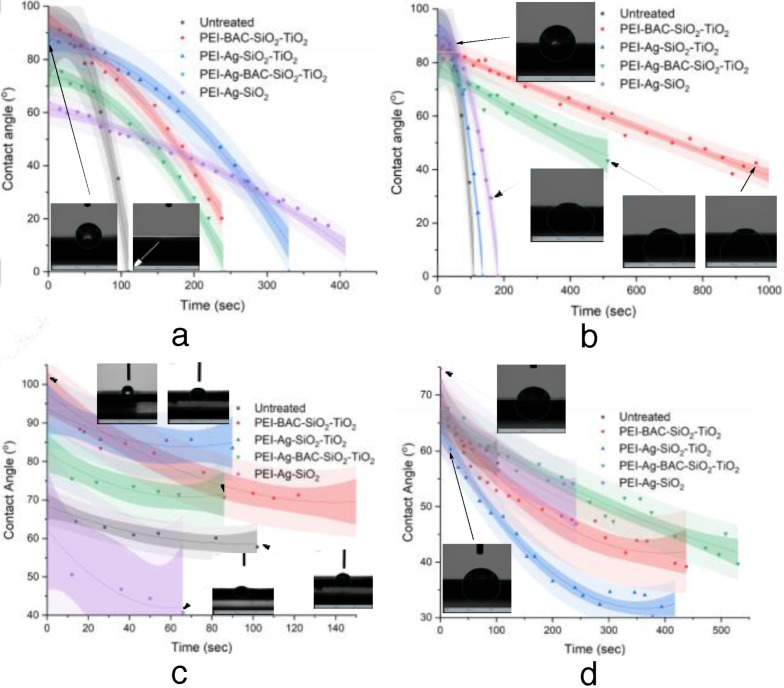 Figure 8
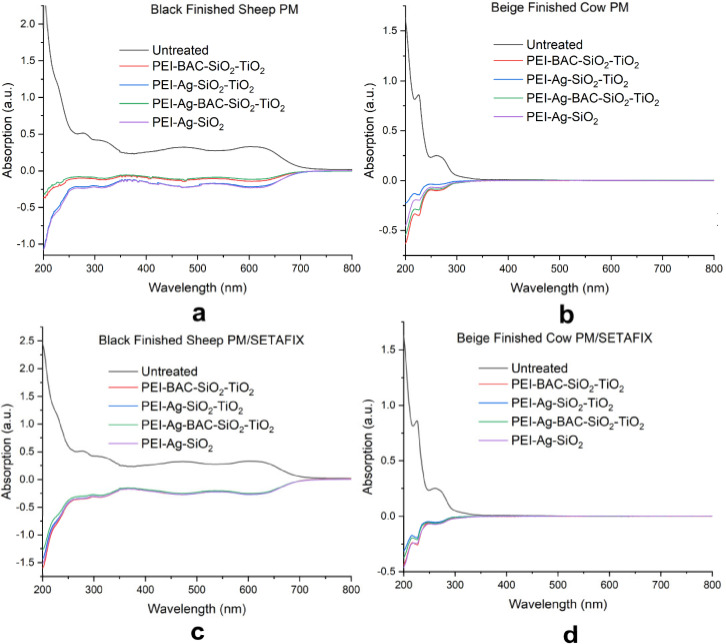 Figure 9
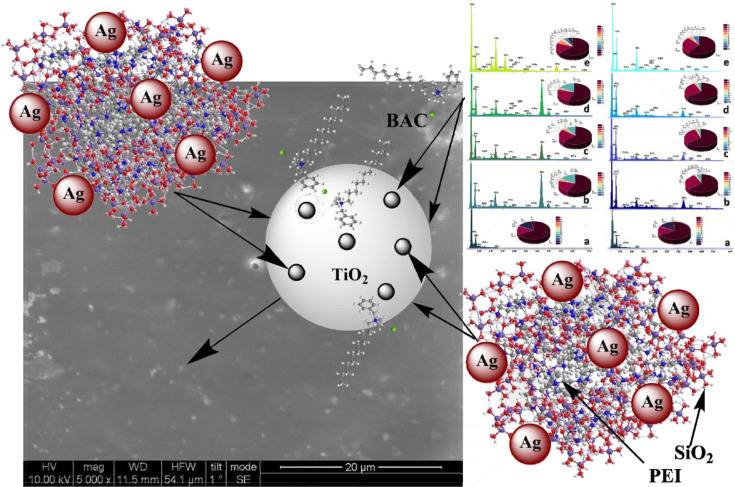 Figure 10
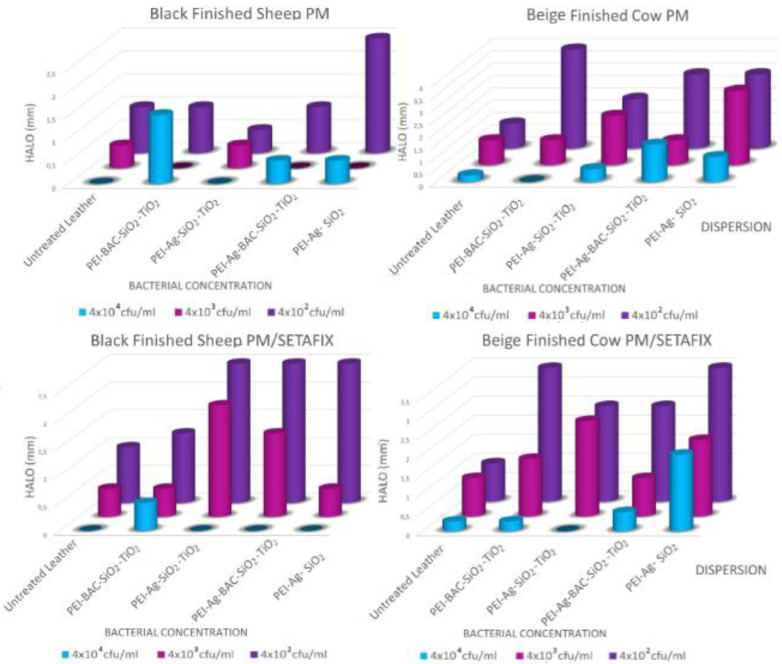 Figure 11
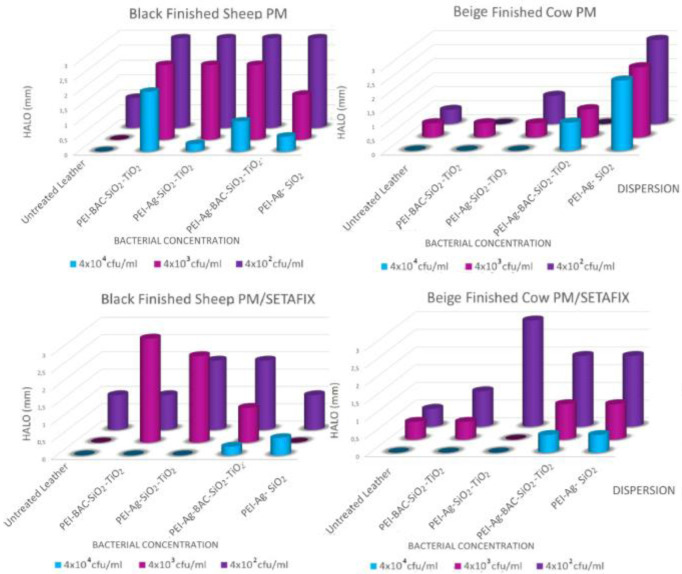 Figure 12
Peer Reviews
No public reviews on file for this paper yet. If you reviewed it on a platform where reviews are public (OpenReview, ICLR, NeurIPS, ICML), you can paste yours below so the community can read it here.
Videos
No videos yet. Explain this paper in a talk, walkthrough, or lecture? Add one.
Taxonomy
Topicsbiodegradable polymer synthesis and properties · Collagen: Extraction and Characterization