Adjunctive beneficial effect of c-di-GMP, a STING agonist, in enhancing protective efficacy of TLR4-adjuvanted tuberculosis subunit vaccine formulations
Kee Woong Kwon, Eunsol Choi, Hagyu Kim, Hyeong Woo Kim, Sangwon Choi, Seunghyun Lee, Sang-Jun Ha, Sung Jae Shin

TL;DR
Adding a STING agonist to TB vaccine adjuvants boosts immune responses and protection against tuberculosis in mice.
Contribution
The study demonstrates that combining a STING agonist with TLR4 adjuvants enhances protective immunity in TB subunit vaccines.
Findings
Combining ESAT6 antigen with TLR4 adjuvants and CDG boosts Th1-biased CD4+ T cells in lungs and spleen.
CDG inclusion reduces KLRG1 expression and increases lung-homing CD4+ T cells.
Vaccines with CDG show reduced bacterial loads after Mtb challenge compared to controls.
Abstract
Effective subunit vaccine development requires selecting appropriate adjuvant formulations to trigger desired adaptive immune responses. This study explores the immunogenicity and tuberculosis (TB) vaccine potential of antigens (Ags) combined with Toll-like receptor 4 (TLR4) adjuvants and a stimulator of interferon genes (STING) agonist. In this work, we investigated the combination of Ags with TLR4 adjuvants (monophosphoryl lipid A / dimethyldioctadecylammonium bromide; MPL/DDA or glucopyranosyl lipid adjuvant-stable emulsion; GLA-SE) and a STING agonist, c-di-GMP (CDG). Mice were immunized three times by intramuscular injections at 3-week intervals. The effects of integrating Ags in these adjuvant formulations on the immune response were evaluated, focusing on the generation of Th1-biased, polyfunctional Ag-specific CD4+ T cells and their localization in the lung and spleen. To…
Genes, proteins, chemicals, diseases, species, mutations and cell lines named across the full text — each resolved to its canonical identifier and authoritative record.
Click any figure to enlarge with its caption.
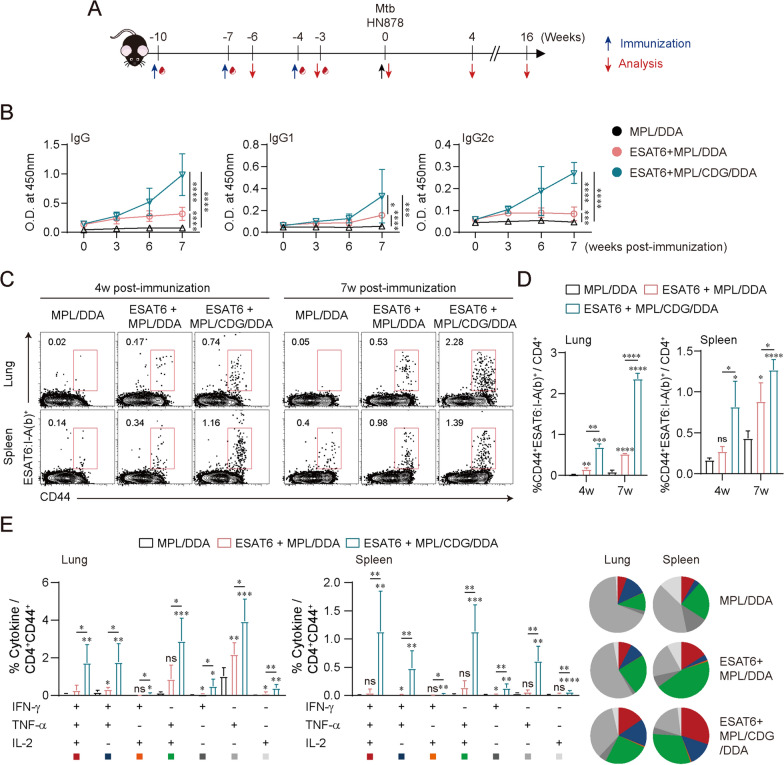 Figure 1
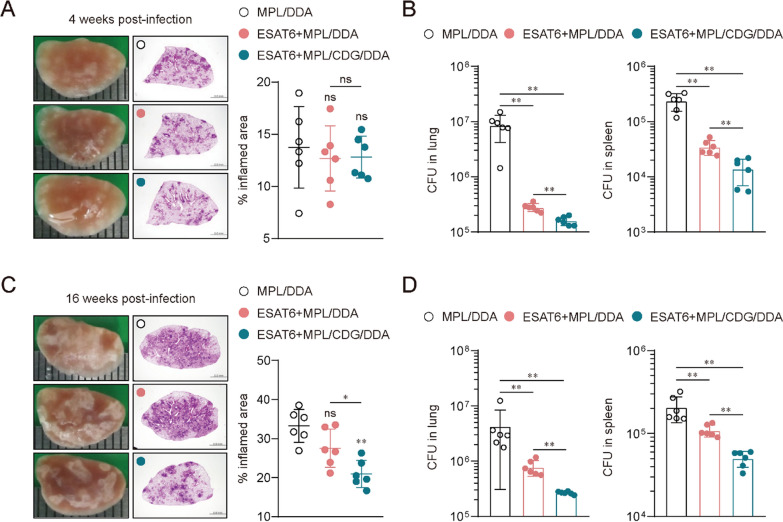 Figure 2
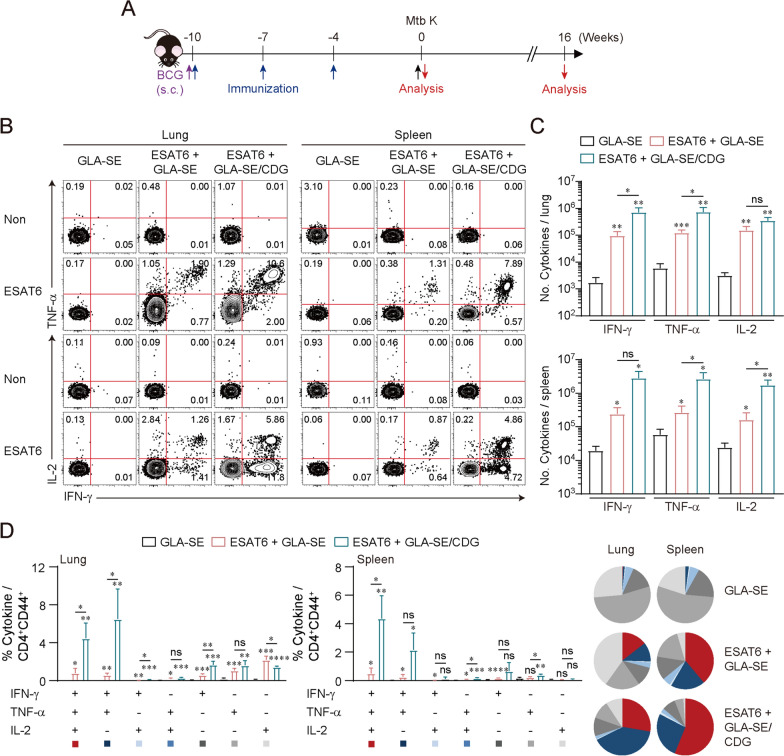 Figure 3
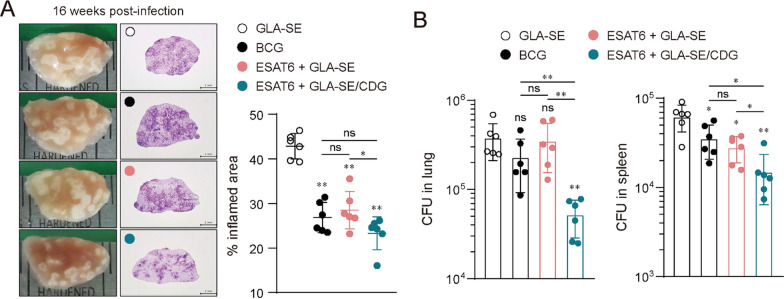 Figure 4
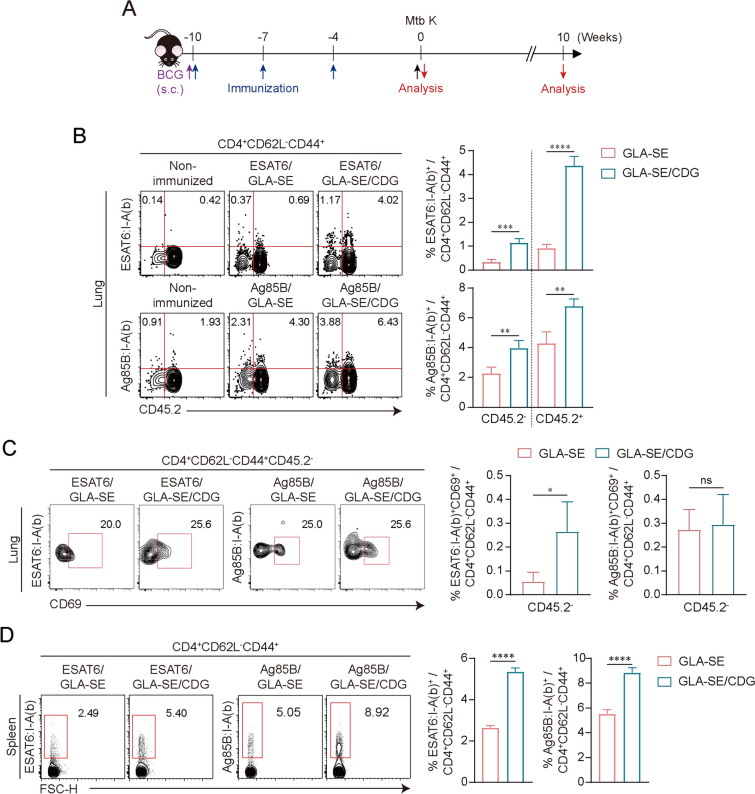 Figure 5
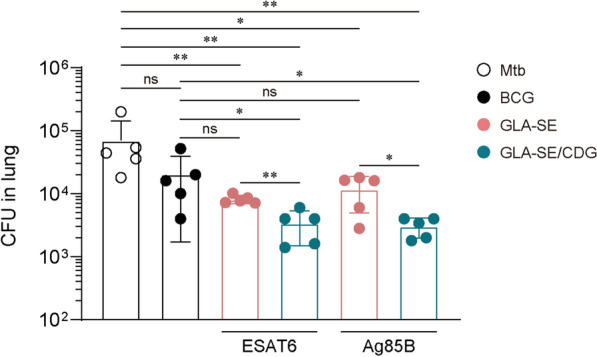 Figure 6
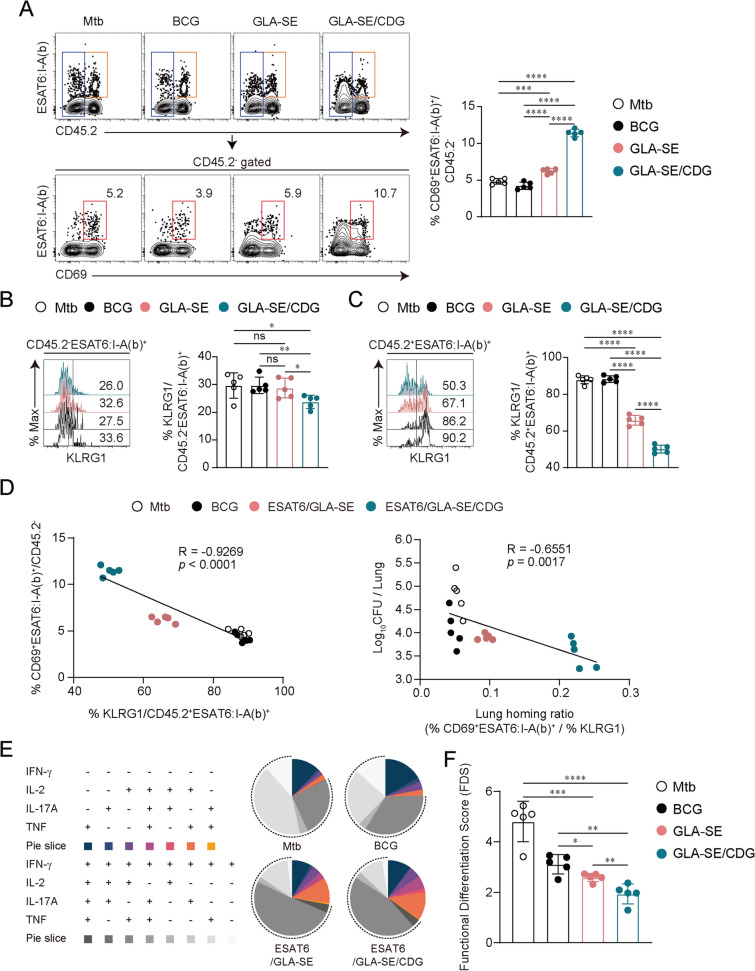 Figure 7
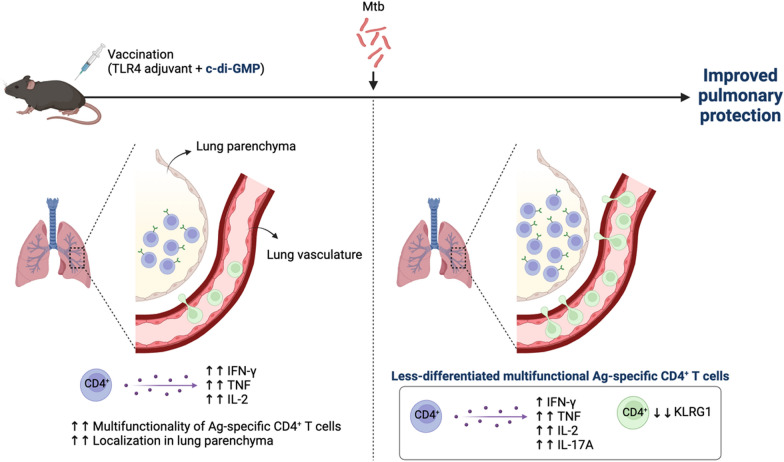 Figure 8
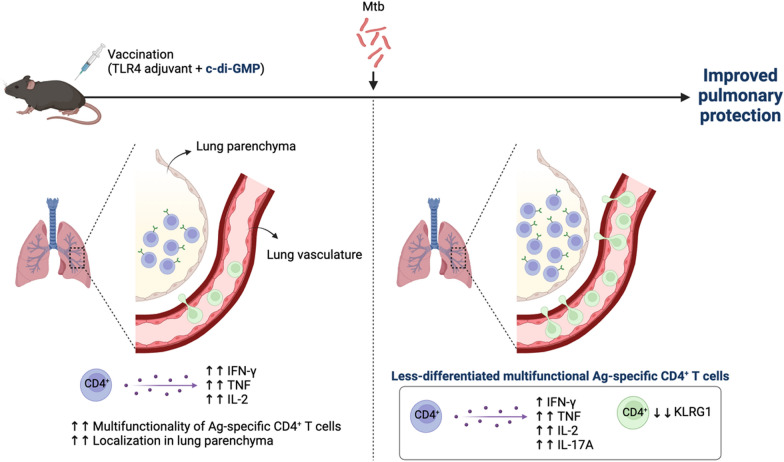 Figure 9
Peer Reviews
No public reviews on file for this paper yet. If you reviewed it on a platform where reviews are public (OpenReview, ICLR, NeurIPS, ICML), you can paste yours below so the community can read it here.
Videos
No videos yet. Explain this paper in a talk, walkthrough, or lecture? Add one.
Taxonomy
Topicsinterferon and immune responses · Immune Response and Inflammation · vaccines and immunoinformatics approaches