Effects of Repetitive Transcranial Magnetic Stimulation on Upper Limb Motor Function and Serum Lipid Metabolomics in Patients With Ischemic Stroke: A Randomized Controlled Study
Meng‐Meng Li, Fei‐Yang Jia, Peng‐Cheng Liu, Hong‐Ya Liu, Gui‐Juan Zhou, Xin‐Ke Peng, Jin‐Ling Wang, Shu‐Zhi Li, Jing Liu, Jun Zhou

TL;DR
This study shows that low-frequency rTMS improves upper limb motor function more than high-frequency rTMS in stroke patients, with changes in specific lipid metabolites.
Contribution
The study introduces lipid metabolomics to explore the mechanisms of rTMS effects in stroke recovery.
Findings
Low-frequency rTMS improved upper limb motor function more than high-frequency rTMS in ischemic stroke patients.
Lipid metabolomics revealed increased DAG-PI and TAG levels and reduced DAG levels after rTMS treatment.
Both low- and high-frequency rTMS improved self-care ability in stroke patients.
Abstract
Repetitive transcranial magnetic stimulation (rTMS) can reduce upper extremity motor dysfunction in patients with stroke. However, the optimal parameters and mechanisms of rTMS in stroke treatment remain unclear. Therefore, this study aimed to investigate the protective effect and mechanism of rTMS at different frequencies on the motor function of the upper limbs in patients with cerebral infarction using lipid metabolomics methods. A total of 102 participants were randomly assigned to receive sham rTMS, 1 Hz rTMS, and 10 Hz rTMS. All participants were assessed at baseline and 2 weeks later using the Fugl‐Meyer Assessment upper extremity (FMA‐UE), National Institutes of Health Stroke Scale (NIHSS), Barthel scales, and serum collection—lipid metabolomics analysis of serum samples by untargeted metabolomics. The improvement in FMA‐UE, NIHSS, and Barthel scores was more significant in 1…
Genes, proteins, chemicals, diseases, species, mutations and cell lines named across the full text — each resolved to its canonical identifier and authoritative record.
Click any figure to enlarge with its caption.
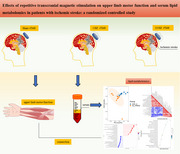 Figure 1
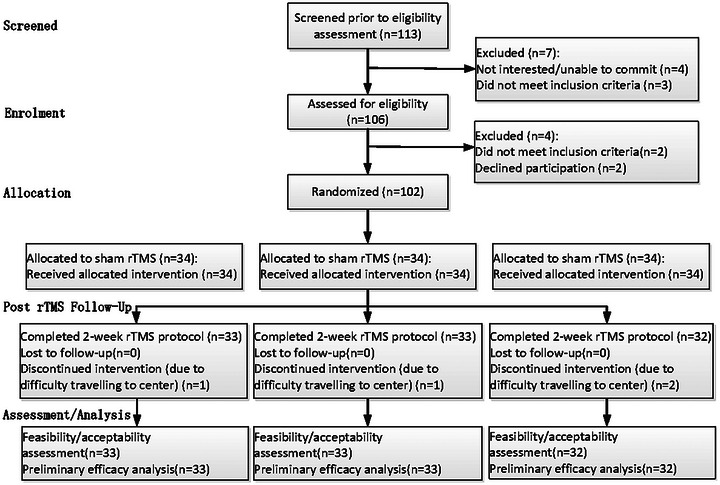 Figure 2
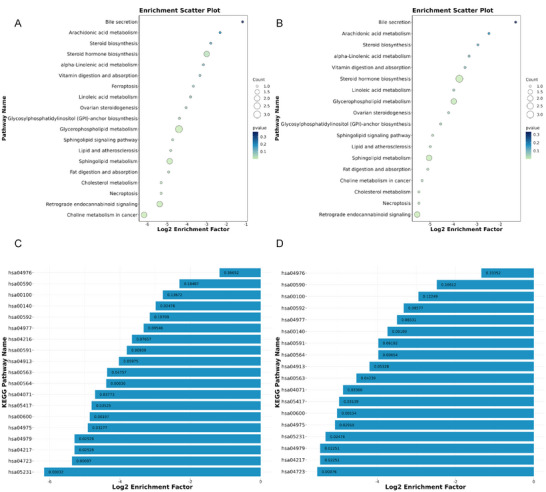 Figure 3
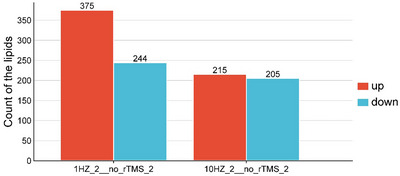 Figure 4
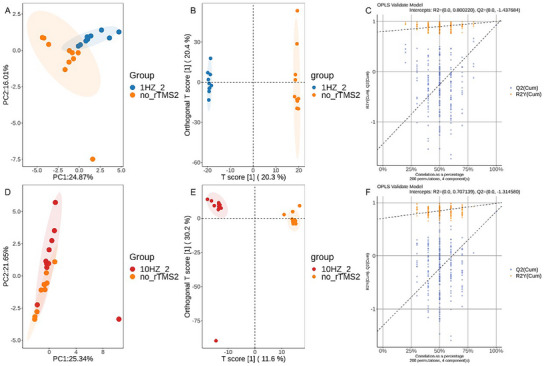 Figure 5
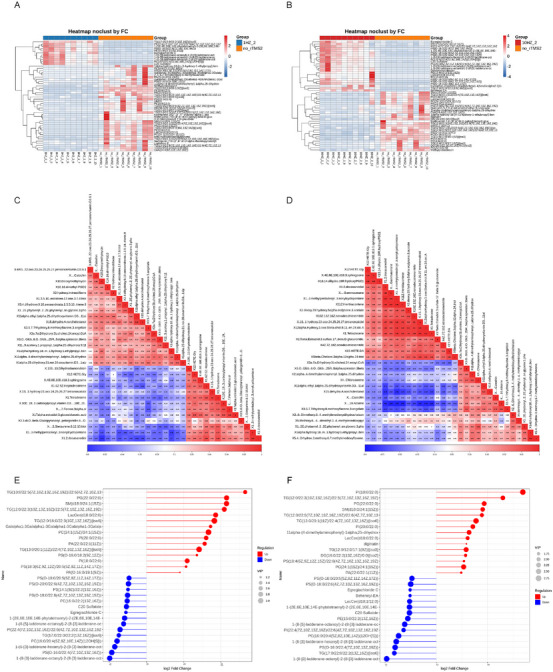 Figure 6
Peer Reviews
No public reviews on file for this paper yet. If you reviewed it on a platform where reviews are public (OpenReview, ICLR, NeurIPS, ICML), you can paste yours below so the community can read it here.
Videos
No videos yet. Explain this paper in a talk, walkthrough, or lecture? Add one.
Taxonomy
TopicsStroke Rehabilitation and Recovery · Transcranial Magnetic Stimulation Studies · Pain Management and Treatment