Strong Ferromagnetic Coupling between Co and Co2+ with Odd Electron (Anti)aromatic Radicals via Noncovalent Interaction
Muskan, Debojit Bhattacharya, Suranjan Shil

TL;DR
This paper explores how cobalt and its ions interact with certain radicals to form strong magnetic materials through noncovalent bonds.
Contribution
The study reveals that noncovalent interactions between cobalt and odd-electron radicals lead to strong ferromagnetic coupling.
Findings
Magnetic exchange coupling constants (J) calculated using DFT and CASSCF show strong ferromagnetic interactions.
Radicals stabilize when bound to cobalt or cobalt ions, behaving as transition-state structures without metal.
Aromaticity analysis using NICS, HOMA, and GIMIC reveals complex and multidimensional aromatic behavior.
Abstract
We have aimed to understand the interaction between odd electron aromatic or antiaromatic radicals with cobalt and their dipositive ion to understand the magnetic interaction between them. Density functional theory (DFT) along with the complete active space self consistent field (CASSCF) method has been used to calculate the magnetic exchange coupling constant (J) between the radical molecules and Co/Co2+. The DFT-calculated J ranging from 897 to 6060 cm–1 and 2534 to 18574 cm–1 for the CASSCF method signifies that the odd electron (anti)aromatic-based magnetic molecules could be useful as strong low-dimensional magnetic materials. Frequency analysis reveals that some of the radicals behave as a transition-state structure in the absence of metal but become stabilized upon the addition of Co or Co2+. The noncovalent interaction (NCI) and electron localization function (ELF) analysis…
Genes, proteins, chemicals, diseases, species, mutations and cell lines named across the full text — each resolved to its canonical identifier and authoritative record.
Click any figure to enlarge with its caption.
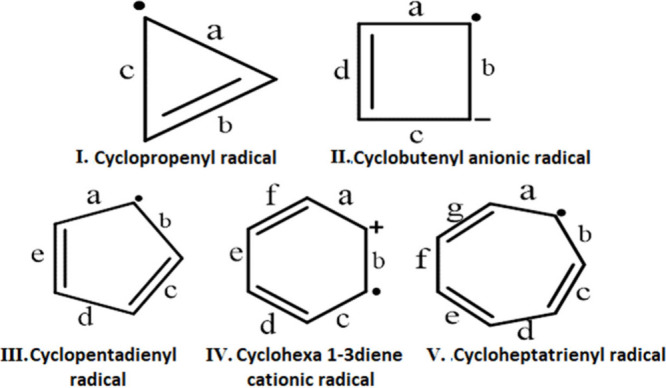 Figure 1
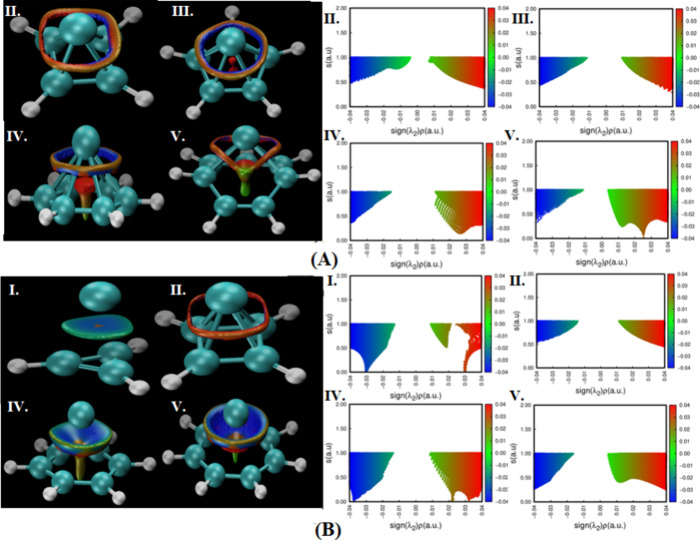 Figure 2
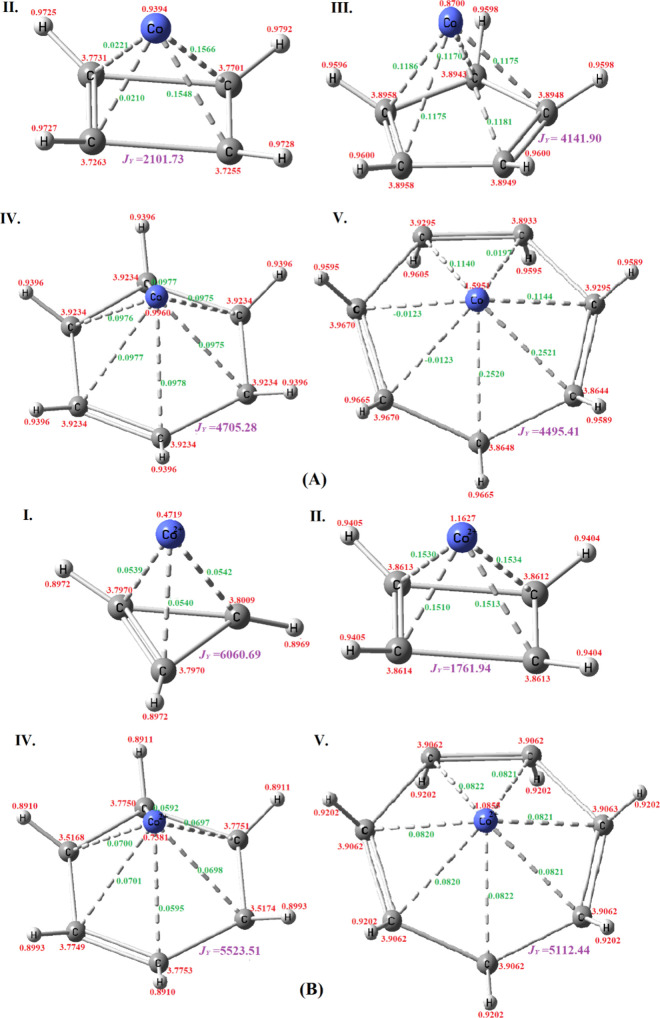 Figure 3
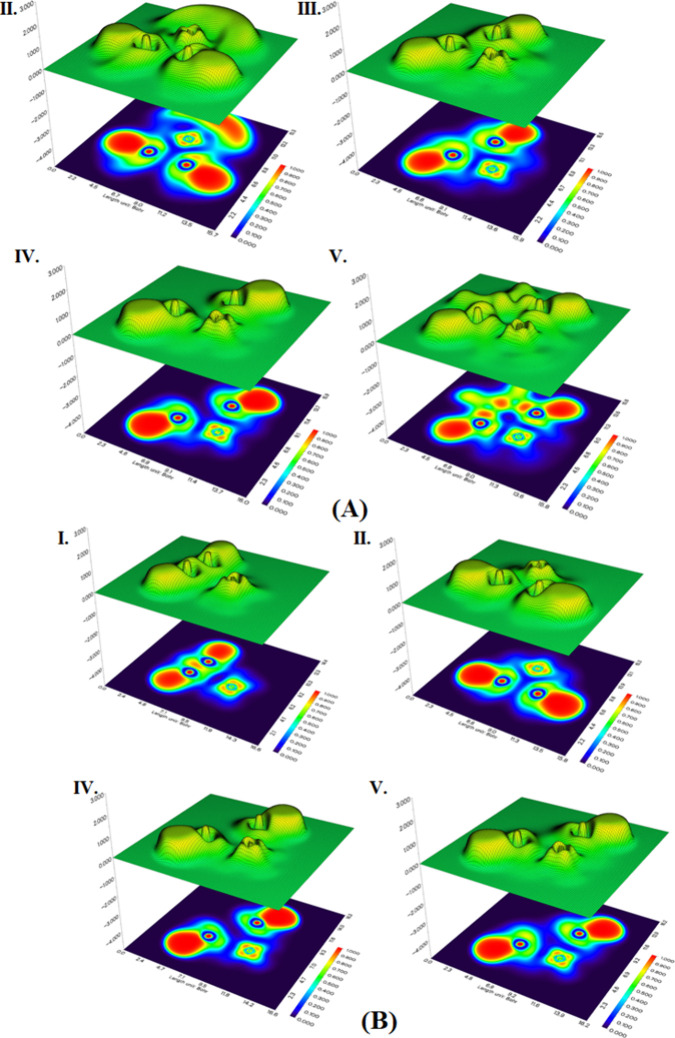 Figure 4
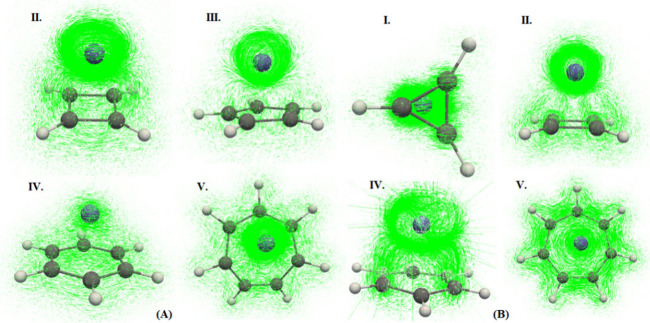 Figure 5
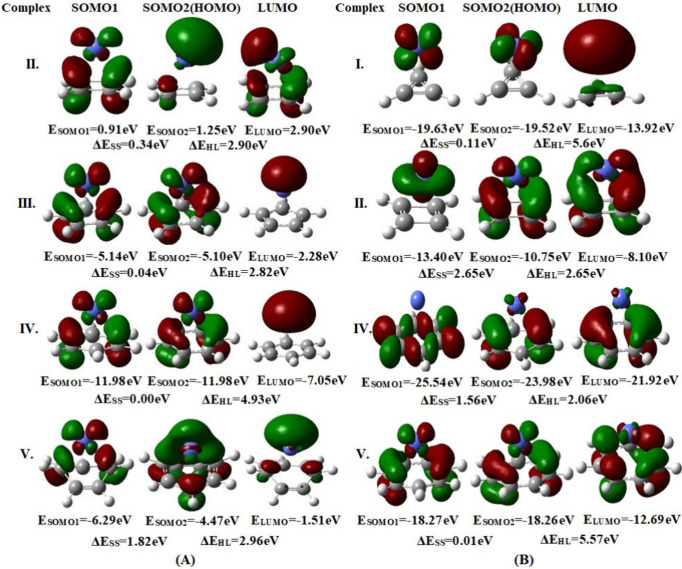 Figure 6
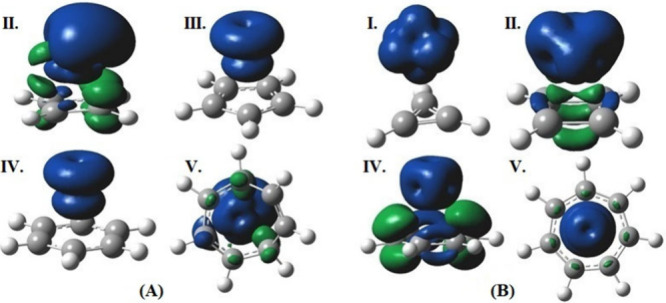 Figure 7
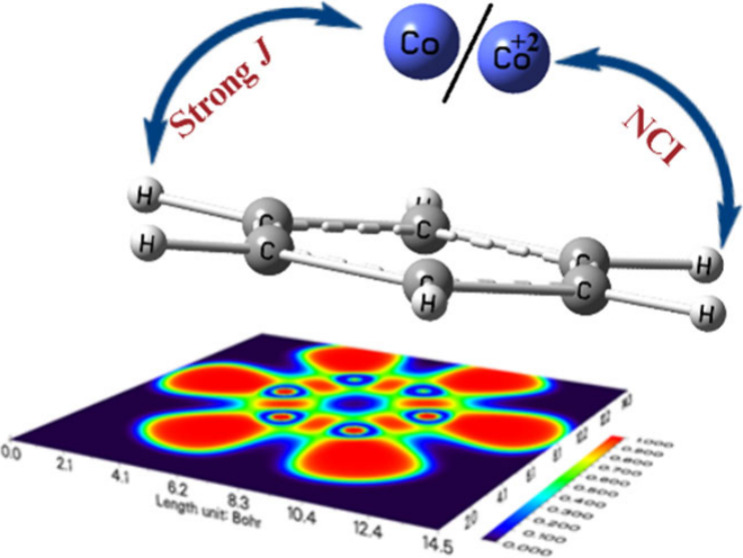 Figure 8
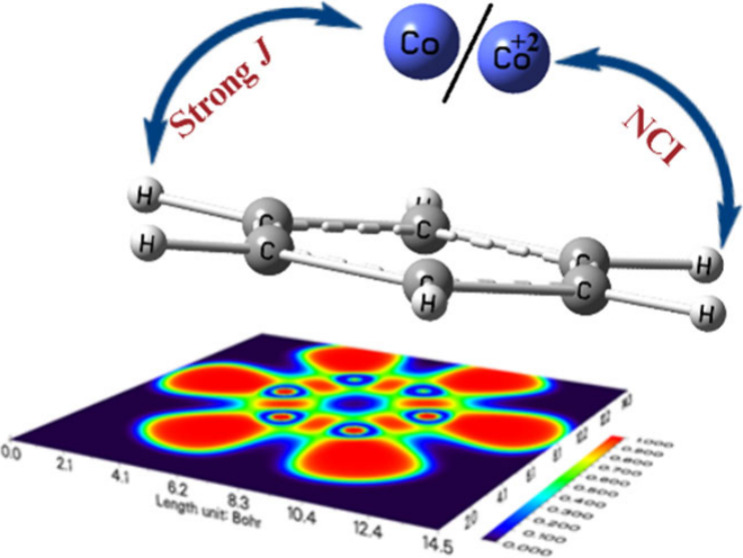 Figure 9
 Figure 10
 Figure 11
 Figure 12
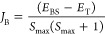 Figure 13
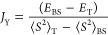 Figure 14
 Figure 15
Peer Reviews
No public reviews on file for this paper yet. If you reviewed it on a platform where reviews are public (OpenReview, ICLR, NeurIPS, ICML), you can paste yours below so the community can read it here.
Videos
No videos yet. Explain this paper in a talk, walkthrough, or lecture? Add one.
Taxonomy
TopicsSynthesis and Properties of Aromatic Compounds · Magnetism in coordination complexes · Advanced Chemical Physics Studies