Predicting the Activity Level of the Great Gerbil ( Rhombomys opimus ) via Machine Learning
Fan Jiang, Peng Peng, Zhenting Xu, Yu Xu, Ding Yang, Shouquan Chai, Shuai Yuan, Limin Hua, Dawei Wang, Xuanye Wen

TL;DR
This paper introduces a machine learning model to predict the activity of great gerbils, a pest species, to help manage their population and protect ecosystems.
Contribution
A novel PSO-ELM model is proposed for predicting the activity level of Rhombomys opimus with higher accuracy than traditional methods.
Findings
The PSO-ELM model achieved 91.67% accuracy in predicting fall activity levels of R. opimus.
Principal component analysis reduced data dimensionality from 92 to six components, improving model performance.
The PSO-ELM model outperformed the back propagation model in convergence and prediction accuracy.
Abstract
The great gerbil ( Rhombomys opimus ) is a pest rodent that is widely distributed in Eurasia, and assessing its outbreak risk and instituting timely population control are very important for protecting vegetation and human health. Because traditional assessment methods are difficult to monitor and cannot effectively predict the population growth trend of R. opimus , an R. opimus activity prediction model was constructed using the particle swarm optimization algorithm‐extreme learning machine (PSO‐ELM). First, data for 13 factors influencing R. opimus growth, such as those related to the environment, vegetation, and activity in the previous year, at 46 R. opimus monitoring sites in China from 2020 to 2022 were selected. Second, principal component analysis was used to reduce the dimensionality of the 92 sets of collected data to six principal components, thus eliminating the…
Genes, proteins, chemicals, diseases, species, mutations and cell lines named across the full text — each resolved to its canonical identifier and authoritative record.
Click any figure to enlarge with its caption.
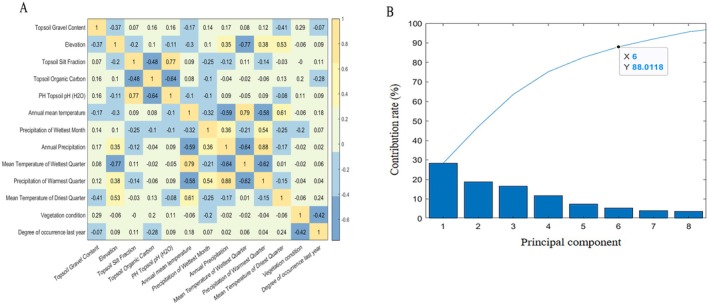 Figure 1
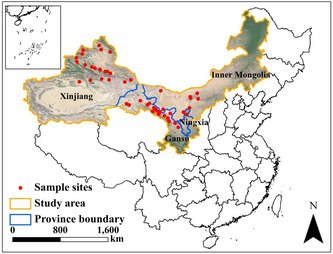 Figure 2
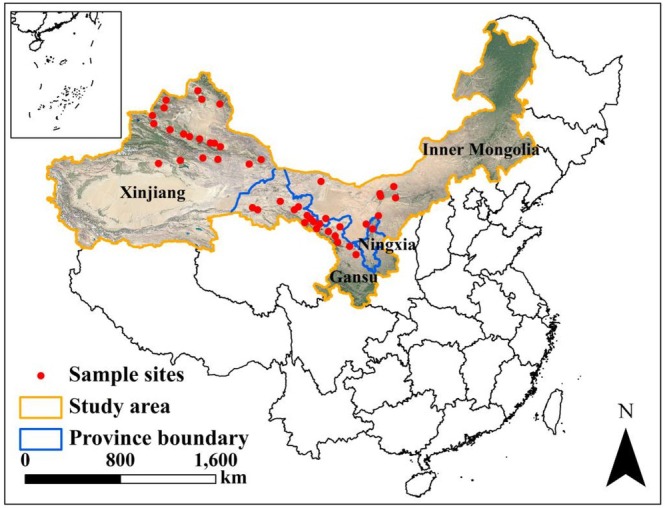 Figure 3
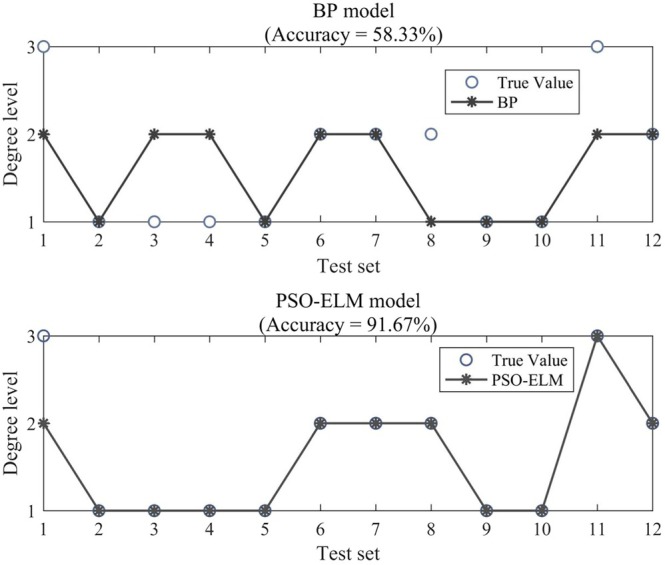 Figure 4
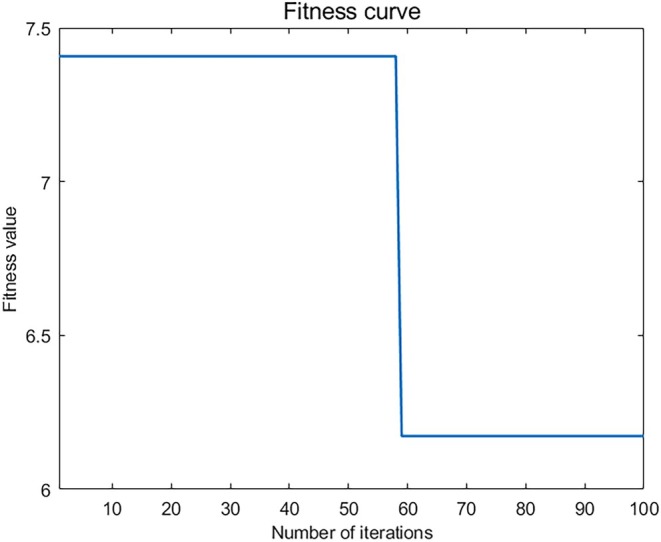 Figure 5
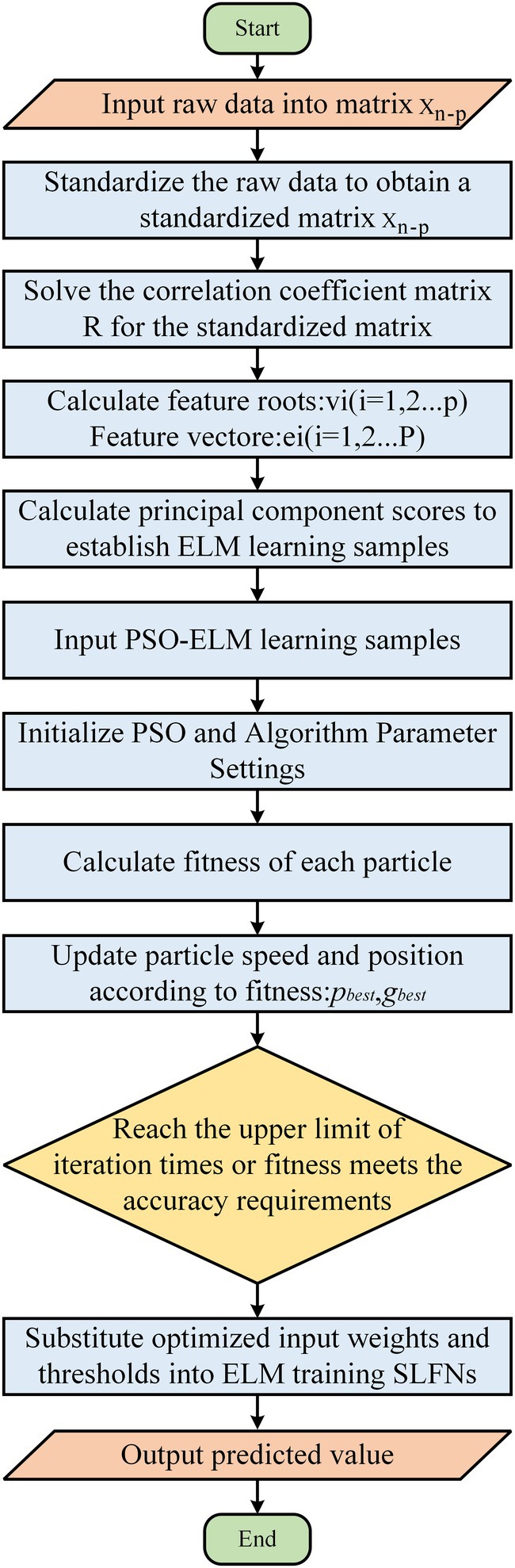 Figure 6
Peer Reviews
No public reviews on file for this paper yet. If you reviewed it on a platform where reviews are public (OpenReview, ICLR, NeurIPS, ICML), you can paste yours below so the community can read it here.
Videos
No videos yet. Explain this paper in a talk, walkthrough, or lecture? Add one.
Taxonomy
TopicsSpecies Distribution and Climate Change · Animal Ecology and Behavior Studies · Viral Infections and Vectors