CD248 deficiency promotes angiotensin II‐induced aortic lesion by attenuating receptor stability in smooth muscle cells
Tai‐Tzu Hsieh, Ya‐Chu Ku, Chu‐Jen Chen, Cheng‐Hsiang Kuo, Bi‐Ing Chang, Chien‐Hung Yu, Yi‐Heng Li, Pei‐Jane Tsai, Shu‐Wha Lin, Hua‐Lin Wu, Chwan‐Yau Luo, Yau‐Sheng Tsai

TL;DR
CD248 helps protect the aortic wall by stabilizing receptors for angiotensin II and PDGF, and its absence worsens aortic aneurysm development.
Contribution
CD248's role in stabilizing Ang II and PDGF receptors in VSMCs during aortic aneurysm is newly identified.
Findings
CD248 deficiency worsens aortic lesions and reduces collagen I and p38 activation.
Loss of CD248 destabilizes Ang II and PDGF receptors in vascular smooth muscle cells.
The C-terminal cytoplasmic tail of CD248 is crucial for receptor stability.
Abstract
Abdominal aortic aneurysm (AAA) is characterized by progressive dilation of the abdominal aorta that has a high prevalence of death due to aortic rupture. The hallmark of AAA is severe degeneration of the aortic media with the loss of vascular smooth muscle cells (VSMCs), the main source of extracellular matrix (ECM) proteins. CD248 was originally implicated in angiogenesis and tumourigenesis, but its role in the development of AAA remains unclear. Mice lacking CD248 (Cd248 −/−) were generated and evaluated for angiotensin II (Ang II) and high‐cholesterol diet feeding induced AAA. Loss‐of‐function approaches in A7r5 and C3H10T1/2 cells were used to study the involvement of CD248 in the Ang II signalling. CD248 expression was upregulated in the media and adventitia of patients and mice with aortic aneurysm. CD248 deficiency in mice exacerbates Ang II‐induced aortic lesion along with…
Genes, proteins, chemicals, diseases, species, mutations and cell lines named across the full text — each resolved to its canonical identifier and authoritative record.
Click any figure to enlarge with its caption.
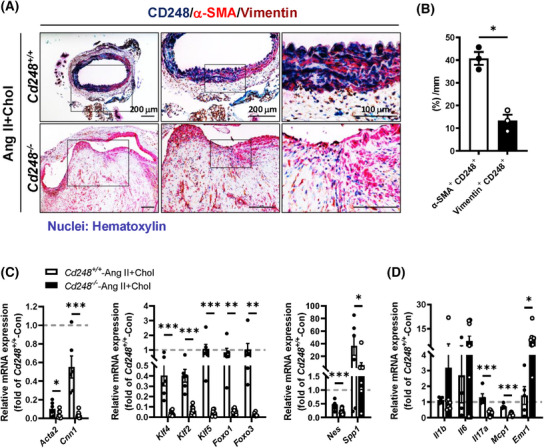 Figure 1
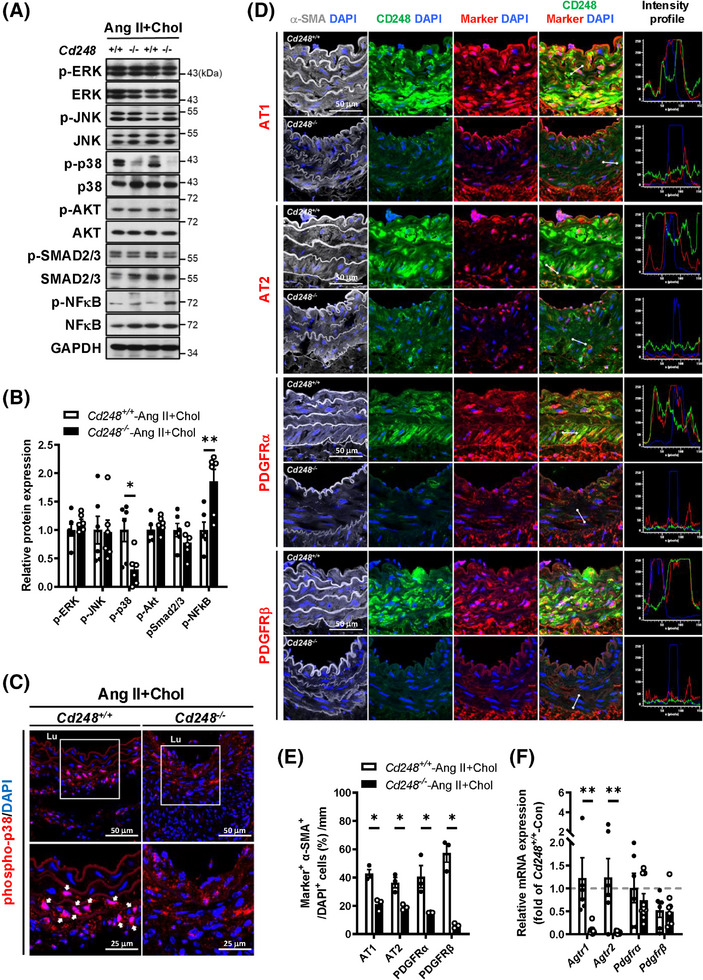 Figure 2
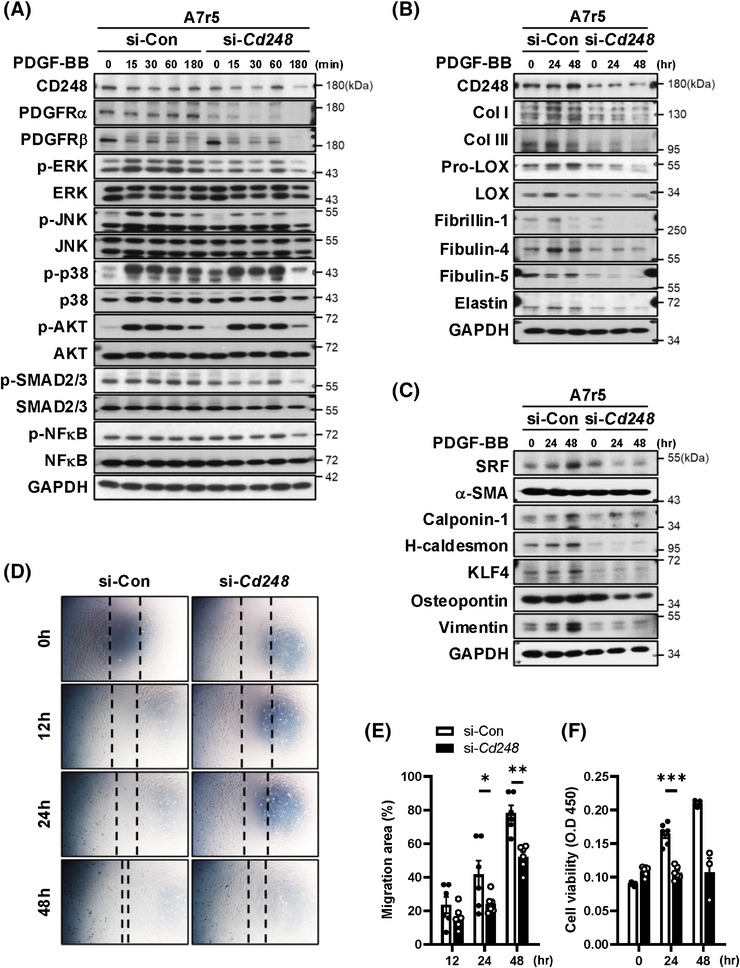 Figure 3
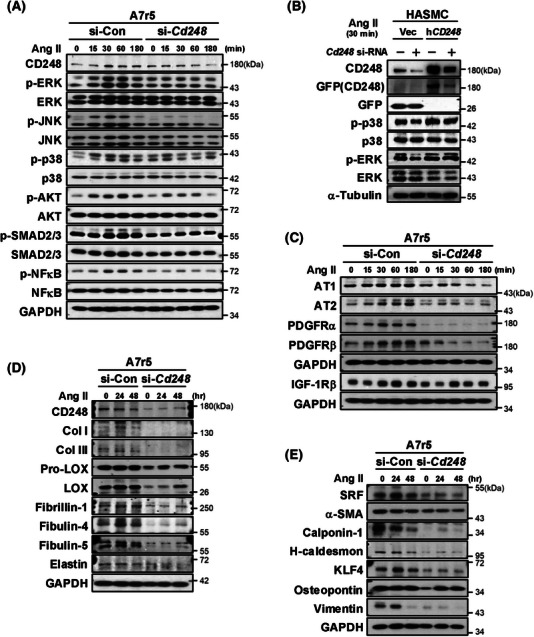 Figure 4
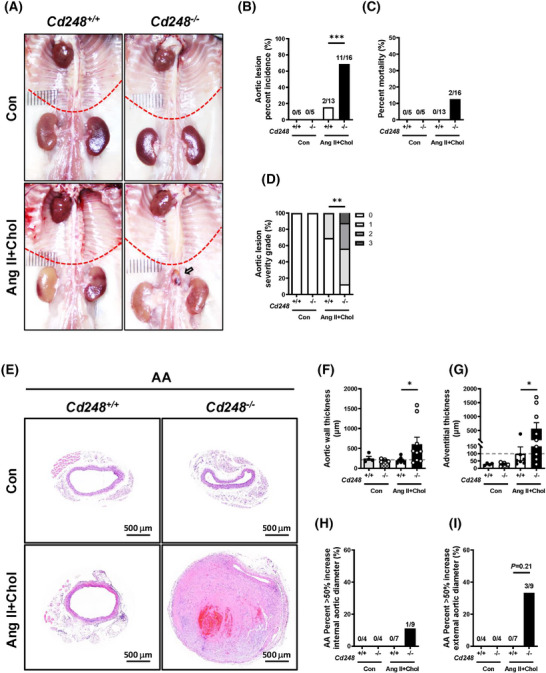 Figure 5
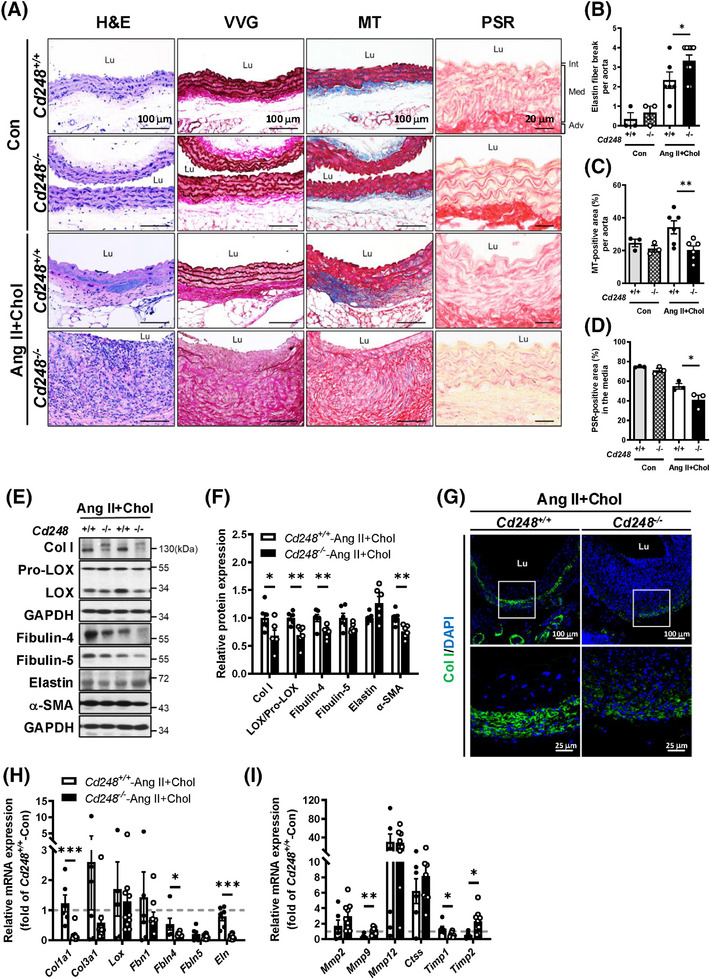 Figure 6
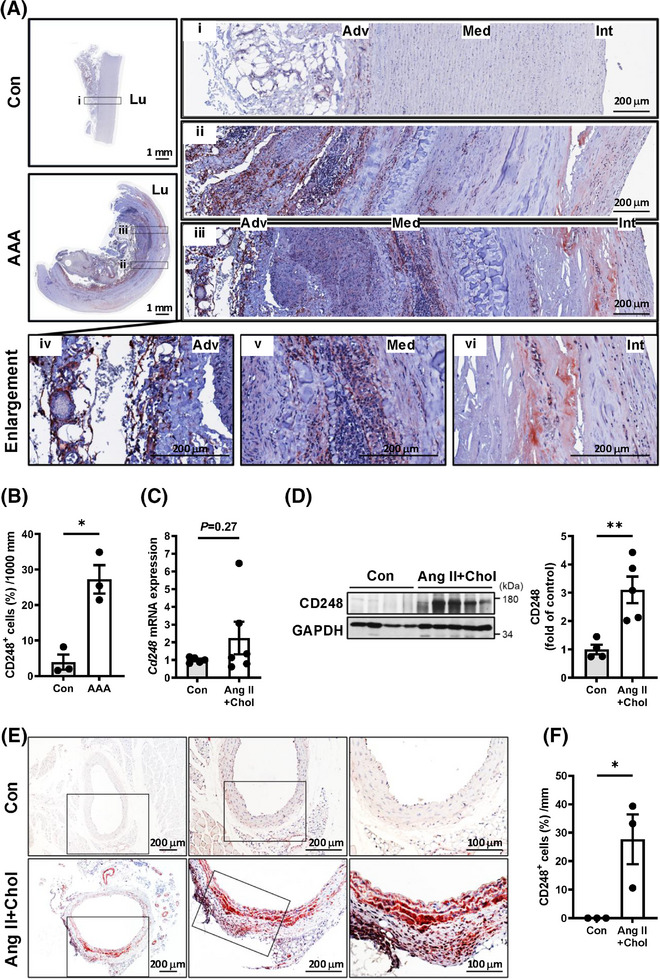 Figure 7
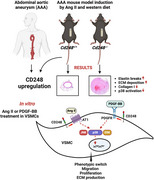 Figure 8
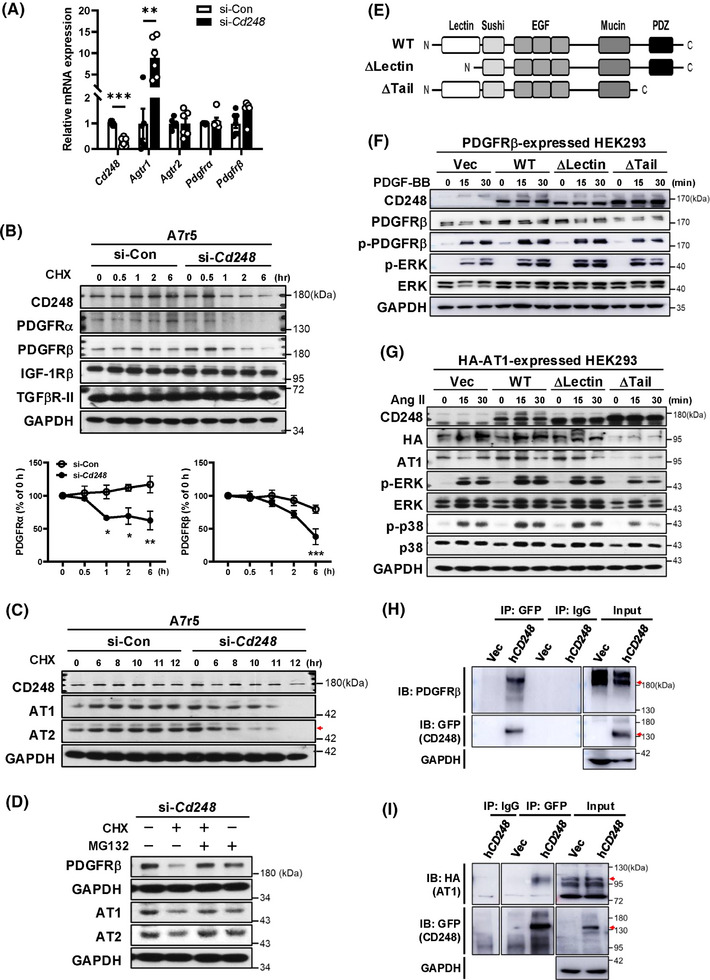 Figure 9
Peer Reviews
No public reviews on file for this paper yet. If you reviewed it on a platform where reviews are public (OpenReview, ICLR, NeurIPS, ICML), you can paste yours below so the community can read it here.
Videos
No videos yet. Explain this paper in a talk, walkthrough, or lecture? Add one.
Taxonomy
TopicsAortic aneurysm repair treatments · Aortic Disease and Treatment Approaches · Infectious Aortic and Vascular Conditions