Uncovering Novel Anti-Lung Cancer Compounds: Insights from Marine Sponge-Derived Agents: A Bibliometric Review
Afshin Zare, Alireza Afshar, Nadiar M. Mussin, Asset A. Kaliyev, Raisa A. Aringazina, Nader Tanideh, Mahdi Mahdipour, Farhad Rahmanifar, Zhanna Zhussupova, Beibyt Tlektesuly Baizakov, Amin Tamadon

TL;DR
This study explores marine sponge-derived compounds as potential new treatments for lung cancer, identifying promising candidates through bibliometric analysis and molecular docking.
Contribution
The study identifies specific marine sponge compounds with strong binding to apoptotic receptors in lung cancer cells, offering new drug development opportunities.
Findings
Alkaloids, sesquiterpenes, and quinones from marine sponges are highlighted as key anti-lung cancer compounds.
Dactyloquinone B-D, dysidavarone D, smenohamien F, and sollasin E showed strong binding to apoptotic receptors in lung cancer cells.
Pharmacological analyses suggest these compounds have promising effects and potential for further drug development.
Abstract
Lung cancer remains a leading cause of cancer-related mortality, necessitating improved treatment strategies. This study collectively highlights the valuable potential of marine sponges as a source for discovering new anti-tumor agents. We conducted a bibliometric analysis to identify anticancer compounds from marine sponges using PubMed (2018–2023). The search included keywords such as “marine sponge,” “cancer,” “neoplasm,” “proliferation,” “cytotoxicity,” “tumor,” “sesquiterpene,” “alkaloid,” and “quinones.” Inclusion criteria focused on studies related to lung cancer and marine sponge-derived compounds, excluding non-cytotoxic activities and unrelated species. Data were extracted in comma-separated values (CSV) format and analyzed via VOSviewer. Molecular docking identified compounds with strong binding to apoptotic receptors in lung cancer cells. PROTOX and Way2Drug tools predicted…
Genes, proteins, chemicals, diseases, species, mutations and cell lines named across the full text — each resolved to its canonical identifier and authoritative record.
Click any figure to enlarge with its caption.
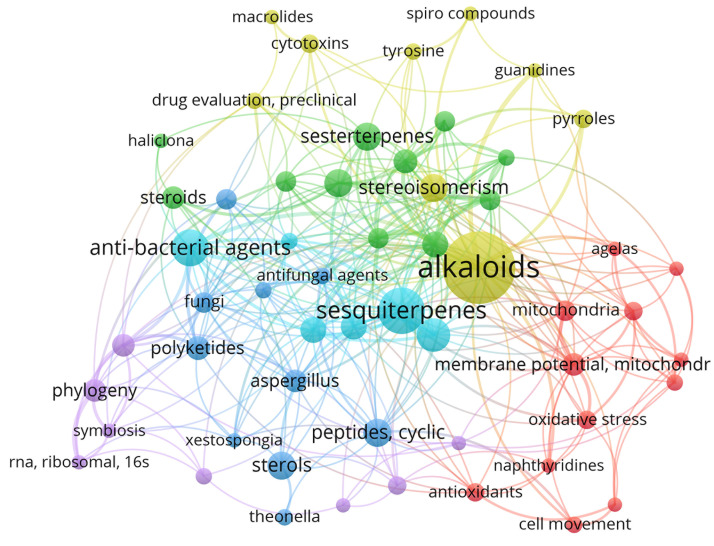 Figure 1
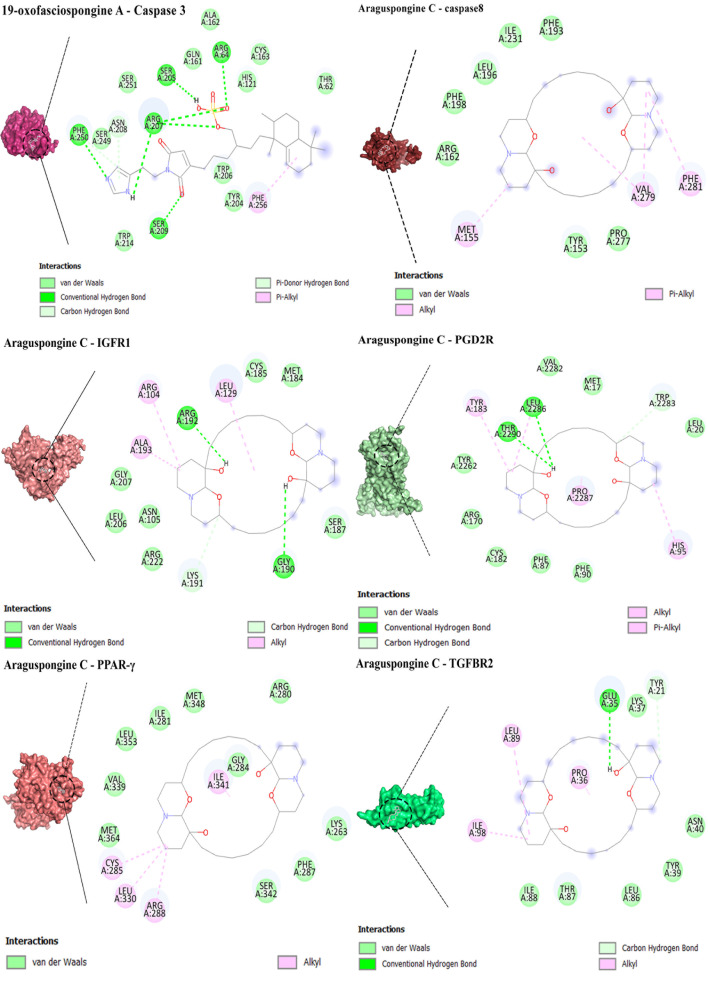 Figure 2
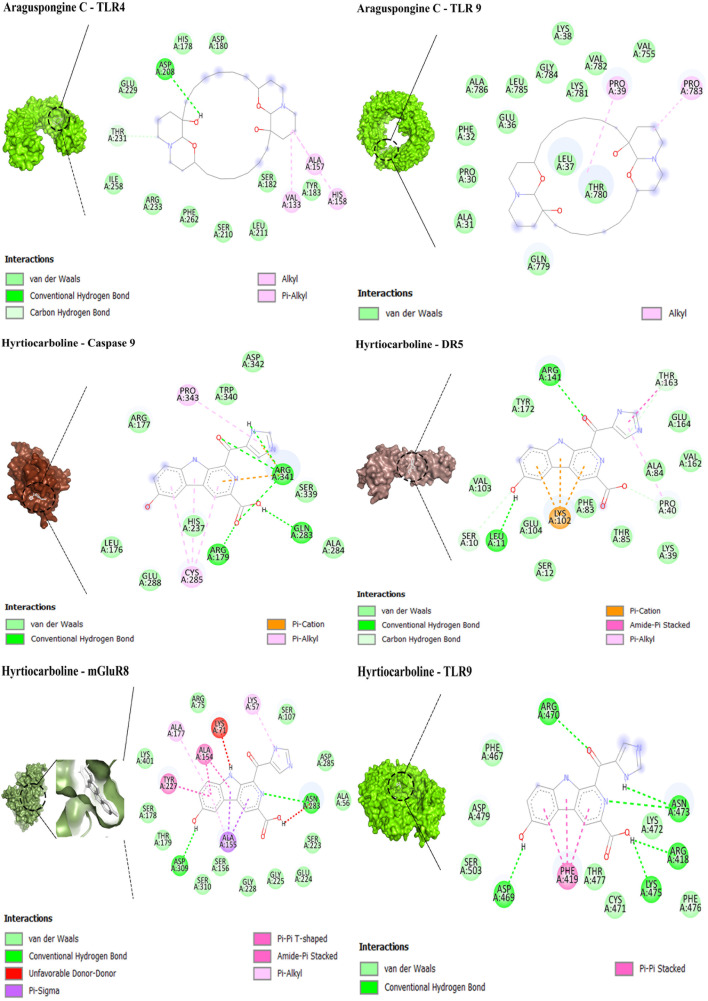 Figure 3
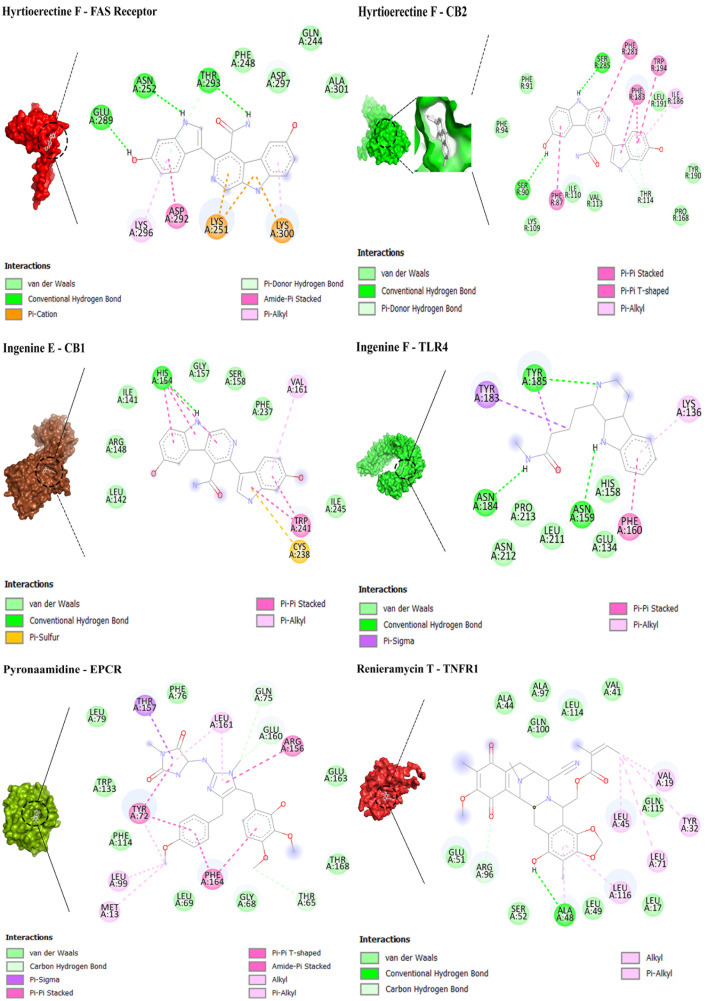 Figure 4
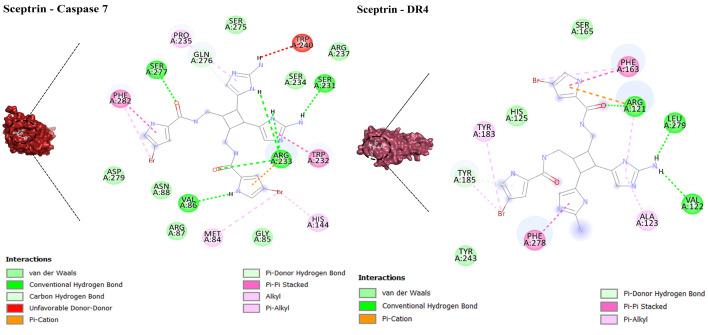 Figure 5
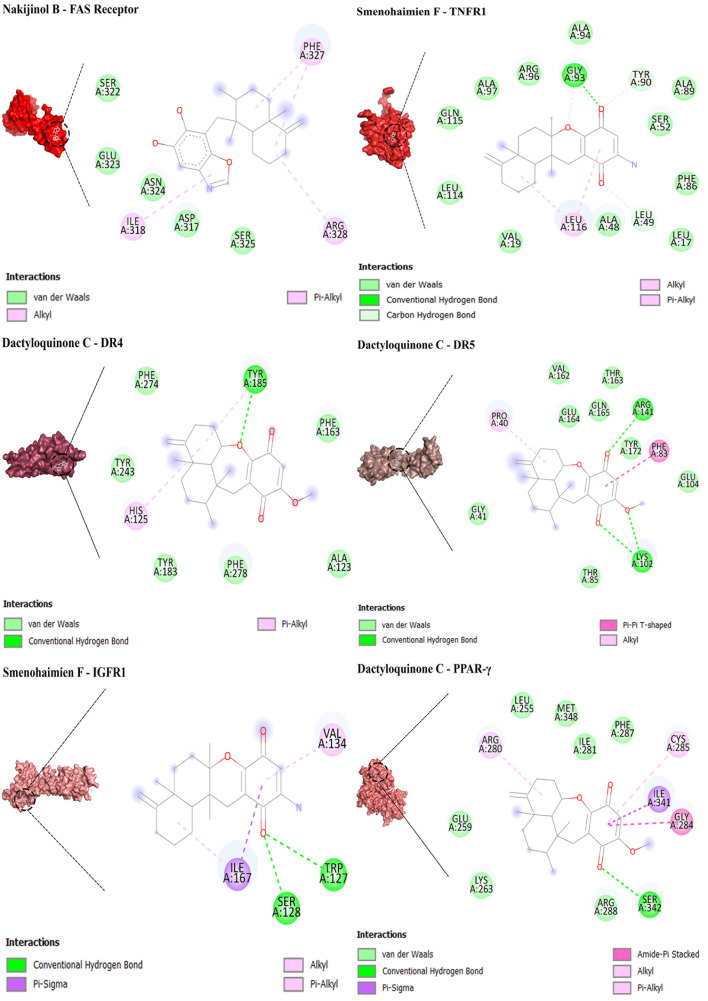 Figure 6
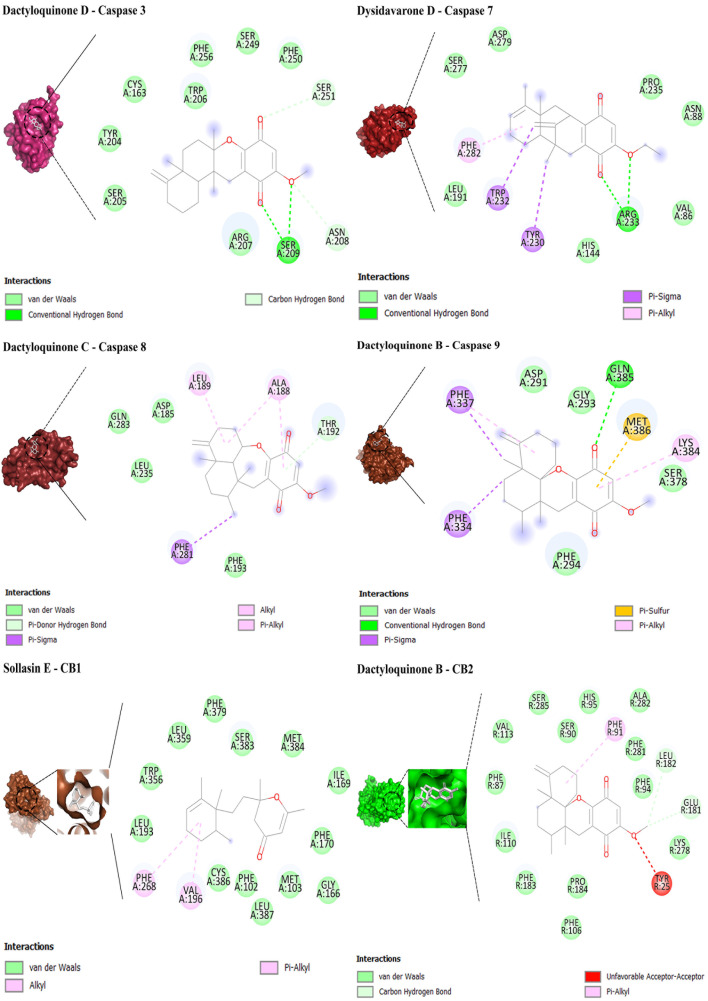 Figure 7
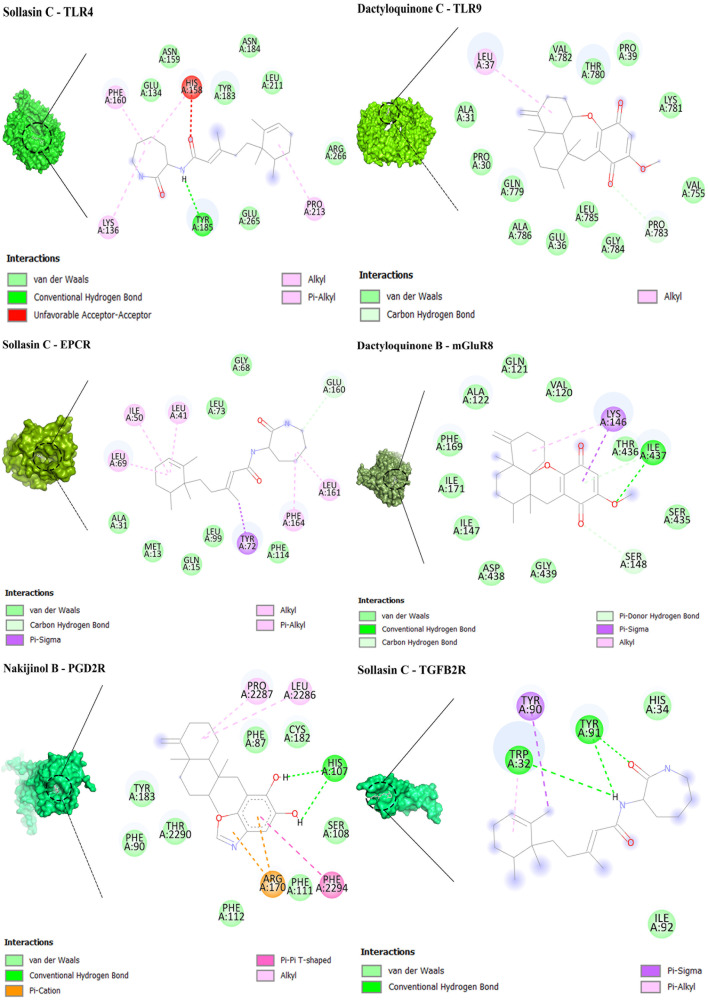 Figure 8
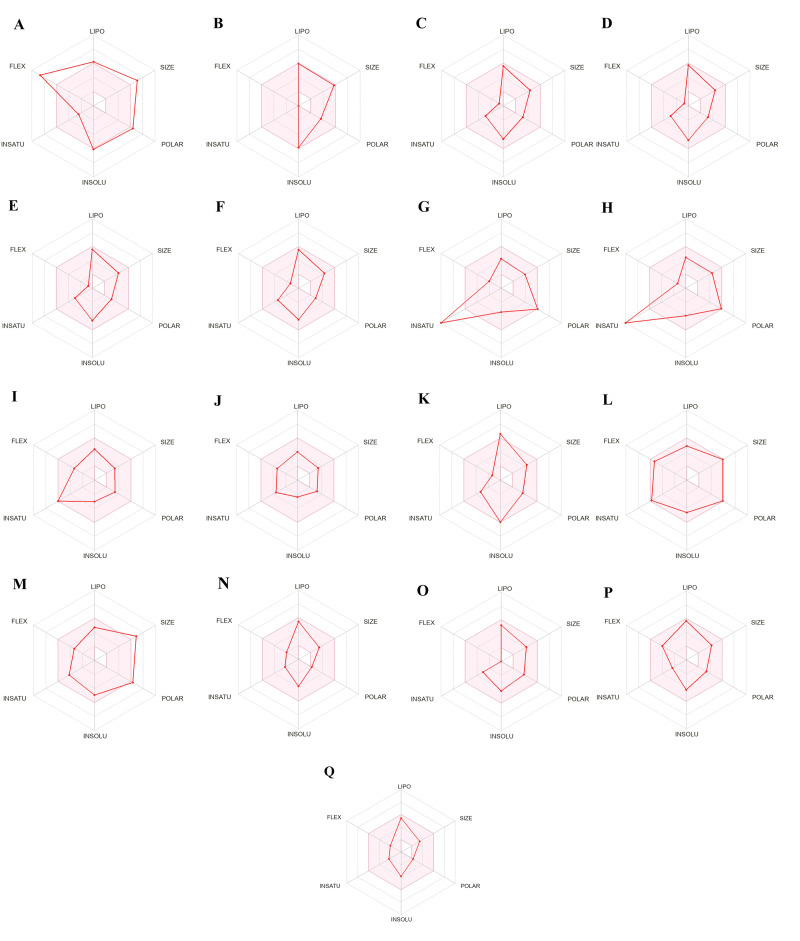 Figure 9
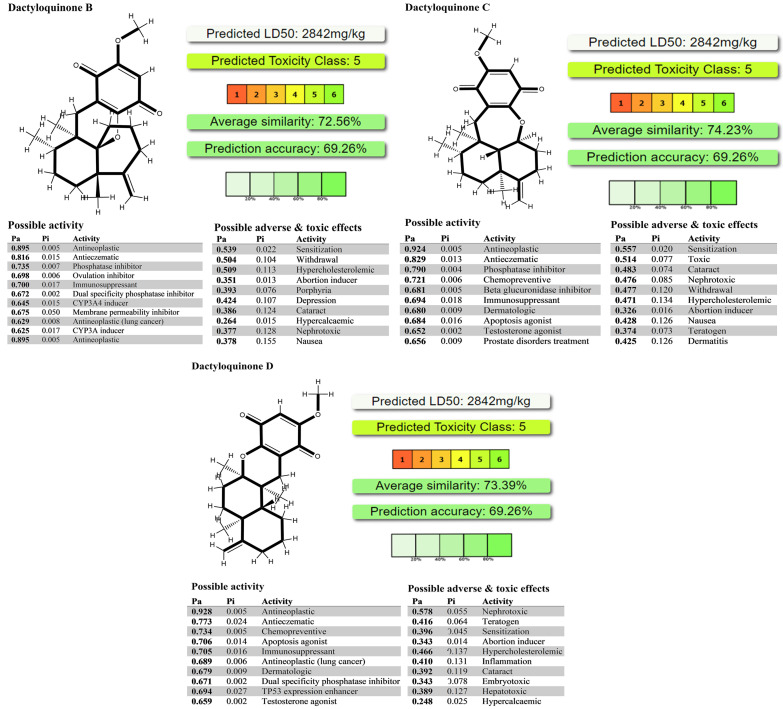 Figure 10
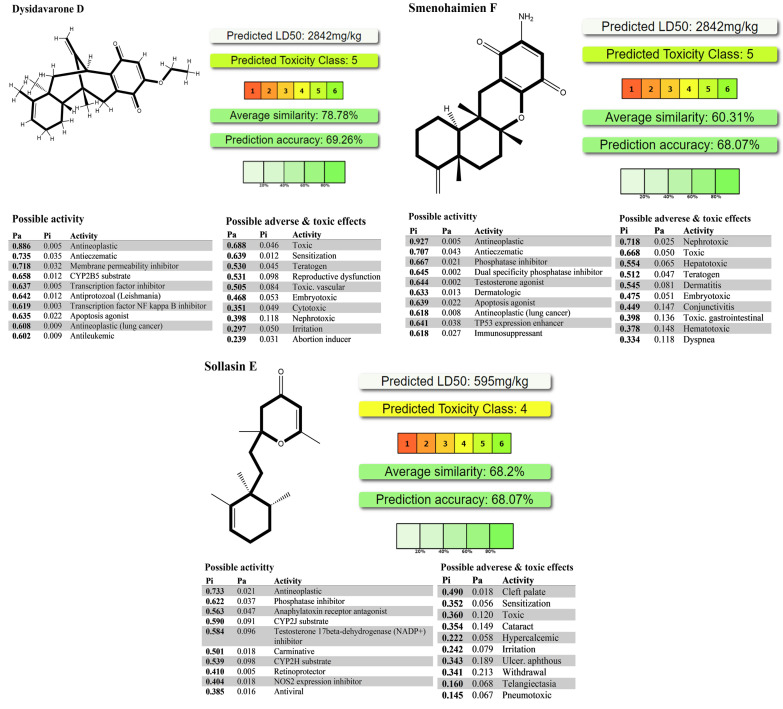 Figure 11
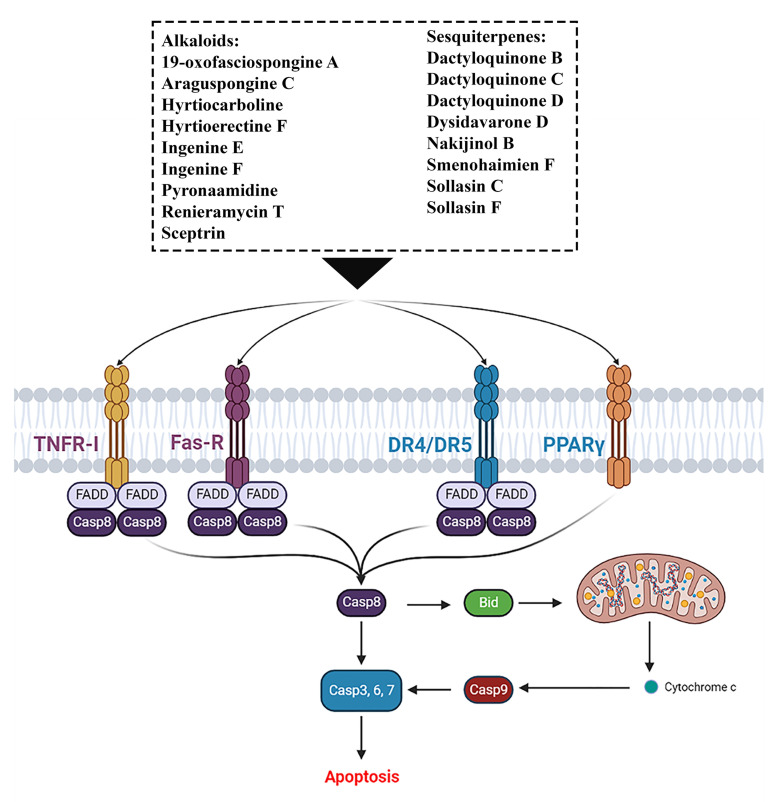 Figure 12
Peer Reviews
No public reviews on file for this paper yet. If you reviewed it on a platform where reviews are public (OpenReview, ICLR, NeurIPS, ICML), you can paste yours below so the community can read it here.
Videos
No videos yet. Explain this paper in a talk, walkthrough, or lecture? Add one.
Taxonomy
TopicsMarine Sponges and Natural Products