Neurocognitive Insights into Child Sexual Abuse Perpetrators: Understanding Cognitive and Emotional Profiles: A Case-Control Study
Mohsen Daneshvari, Mohammad Nami, Arsalan Ashrafi, Sayyed Hamid Najibi, Roohollah Zahedian Nasb, Ebrahim Moghimi Sarani

TL;DR
This study compares the neurocognitive and emotional profiles of individuals who commit child sexual abuse with a control group to better understand their cognitive and emotional differences.
Contribution
The study provides new neurocognitive and physiological insights into CSA perpetrators using functional near-infrared spectroscopy and polygraph data.
Findings
CSA perpetrators showed greater tendencies toward homosexuality and more cognitive distortions compared to the control group.
Cognitive performance during the Stroop task was poorer in CSA perpetrators.
CSA perpetrators exhibited less emotional control when viewing images of children, as indicated by polygraph data.
Abstract
Child sexual abuse (CSA) is one of the most sensitive crimes in the world. Some perpetrators of CSA suffer from paraphilic disorders, including pedophilia (PE). This research is designed and implemented with the aim of neurocognitive evaluation of CSA perpetrators. A case-control study was conducted over a period of 6 months from October 2022 to the end of March 2023 in Shiraz, Iran on the Experimental group (EG) (CSA perpetrators) (n=12) and the Control group (CG) (n=13). During these evaluations, information was obtained about sexual orientation, history of sexual activity, cognitive distortions, and cognitive performance of both groups. Physiological arousal factors were also measured using a polygraph device while participants viewed half-naked digital paintings of immature and adult individuals. Additionally, the study utilized functional near-infrared spectroscopy to measure…
Genes, proteins, chemicals, diseases, species, mutations and cell lines named across the full text — each resolved to its canonical identifier and authoritative record.
Click any figure to enlarge with its caption.
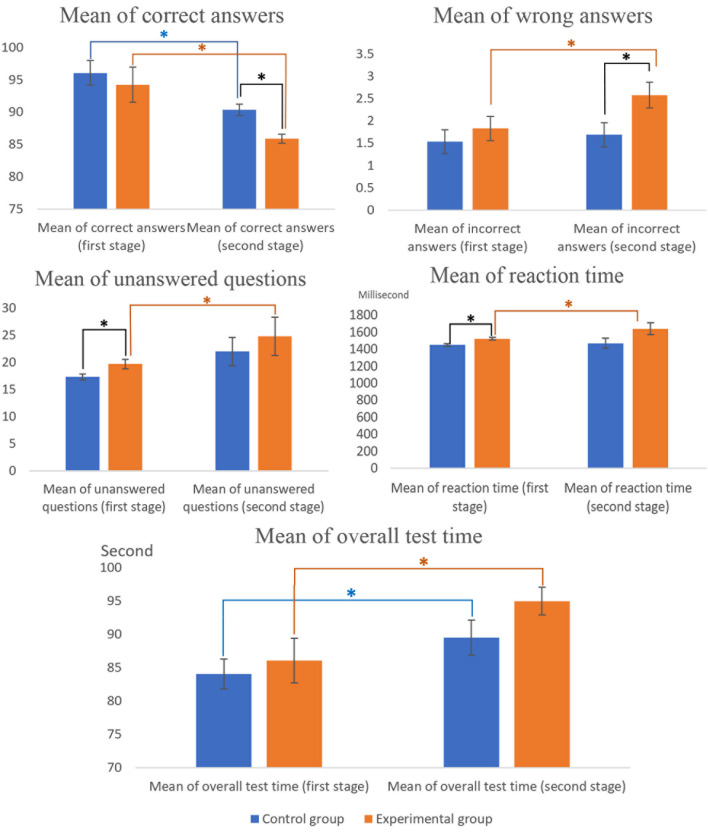 Figure 1
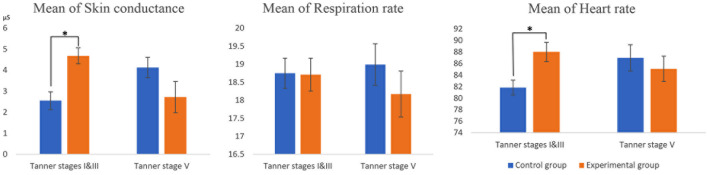 Figure 2
Peer Reviews
No public reviews on file for this paper yet. If you reviewed it on a platform where reviews are public (OpenReview, ICLR, NeurIPS, ICML), you can paste yours below so the community can read it here.
Videos
No videos yet. Explain this paper in a talk, walkthrough, or lecture? Add one.
Taxonomy
TopicsChild Abuse and Trauma · Early Childhood Education and Development · Educational and Psychological Assessments