On Using Standard Deviation or Standard Error of the Mean
Farrokh Habibzadeh

TL;DR
This paper explains the difference between standard deviation and standard error of the mean and their roles in scientific reporting.
Contribution
Clarifies the distinct purposes of standard deviation and standard error of the mean in statistical reporting.
Findings
Standard deviation reflects data dispersion in samples and populations.
Standard error of the mean indicates the precision of the mean estimate.
95% confidence intervals are commonly reported and based on SEM.
Abstract
The mean value is commonly used as a measure of central tendency. It is frequently reported along with either the standard deviation (SD) or the standard error of the mean (SEM). While the SD reflects the dispersion of the data in both the sample and population, SEM indicates the precision of the mean. SEM is not commonly used in reporting science; however, the 95% confidence interval, which is calculated based on SEM, is frequently reported in scientific literature.
Genes, proteins, chemicals, diseases, species, mutations and cell lines named across the full text — each resolved to its canonical identifier and authoritative record.
Click any figure to enlarge with its caption.
 Figure 1
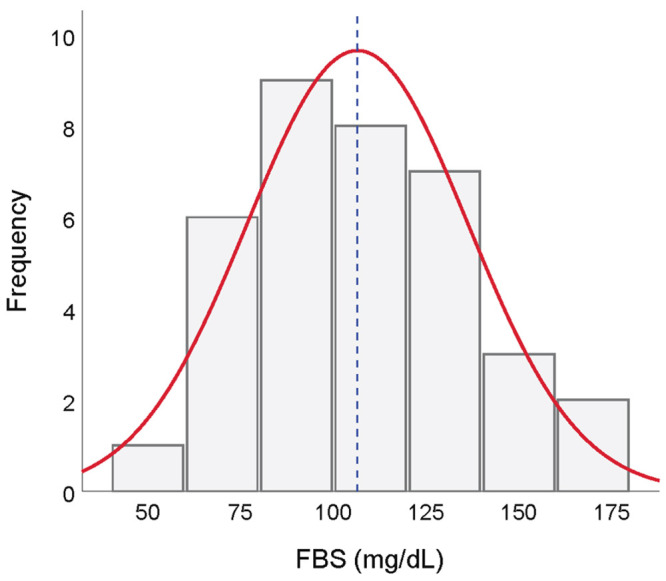 Figure 2
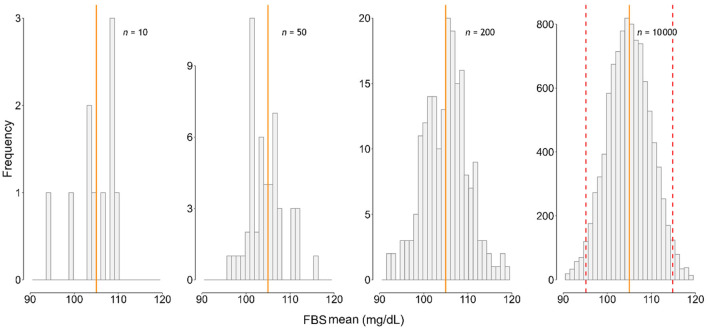 Figure 3
Peer Reviews
No public reviews on file for this paper yet. If you reviewed it on a platform where reviews are public (OpenReview, ICLR, NeurIPS, ICML), you can paste yours below so the community can read it here.
Videos
No videos yet. Explain this paper in a talk, walkthrough, or lecture? Add one.
Taxonomy
TopicsMeta-analysis and systematic reviews · Psychometric Methodologies and Testing · Reliability and Agreement in Measurement