Frequency-doubled chirped-pulse dual-comb generation in the near-UV: combined vs separated beam investigations of Rb atoms and NO2 near 420 nm
Jasper R. Stroud, David F. Plusquellic

TL;DR
Researchers developed a new method to generate near-UV optical frequency combs for high-resolution sensing and detection of pollutants like NO2.
Contribution
A novel dual-comb system using sum frequency generation in the near-UV for high-resolution spectroscopy and trace gas detection.
Findings
Combined beam configuration offers better phase stability and detection sensitivity compared to separated beams.
The system achieves near-UV bandwidths of ~4 cm−1 suitable for faint photonic sensing.
The method is effective for high-resolution column detection of NO2 and can be extended to other trace gases.
Abstract
We describe an electro-optic dual-comb system that operates in the near-infrared (near-IR) region to generate optical frequency combs in the near-UV by sum frequency generation in two configurations. The near-IR frequency combs are generated using chirped pulses that down convert the optical information into the radio frequency (RF) domain by a difference in the chirp bandwidths. Near-UV combs at twice the near-IR bandwidth are obtained by sum frequency generation in a nonlinear crystal and detected by a hybrid photon counting detection system. We compare the results of studies of Rb near 420 nm using two optical arrangements where the near-IR combs are mixed in the crystal as combined or as separated beams. While the latter method enables phase retrievals, the combined beam method is superior for phase stability, power throughput for detection, ease of alignment and detection…
Genes, proteins, chemicals, diseases, species, mutations and cell lines named across the full text — each resolved to its canonical identifier and authoritative record.
Click any figure to enlarge with its caption.
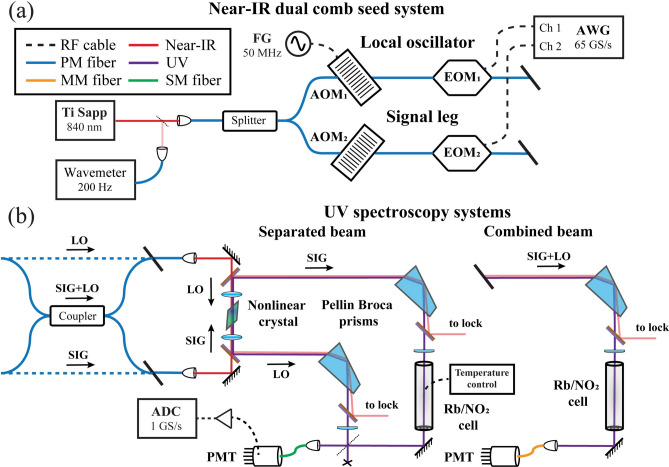 Figure 1
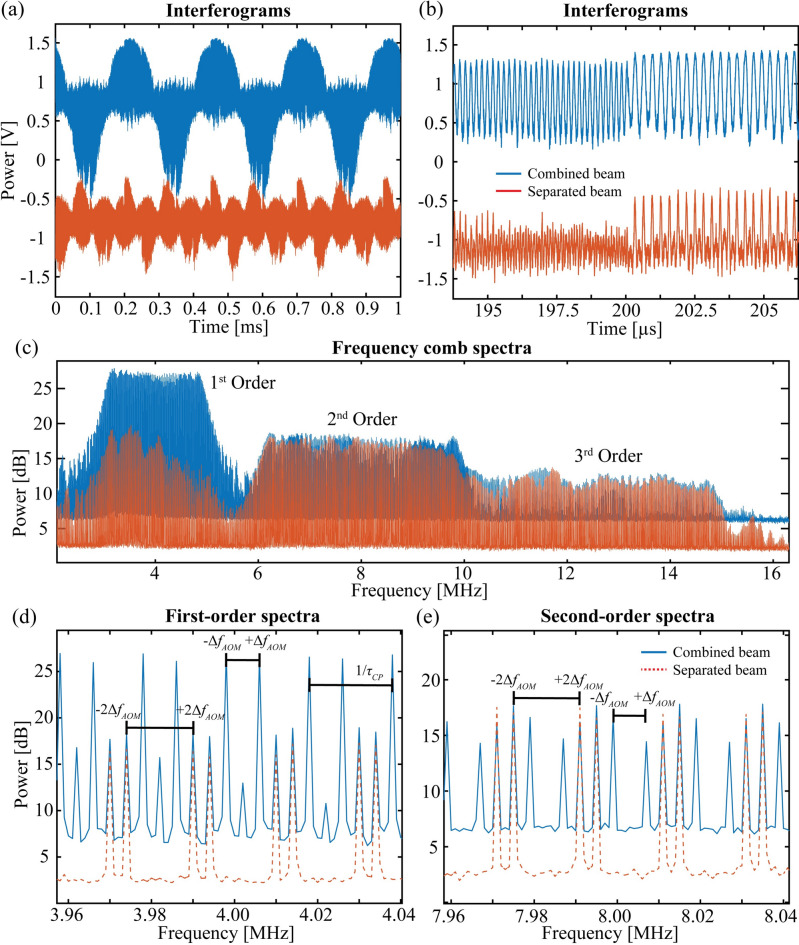 Figure 2
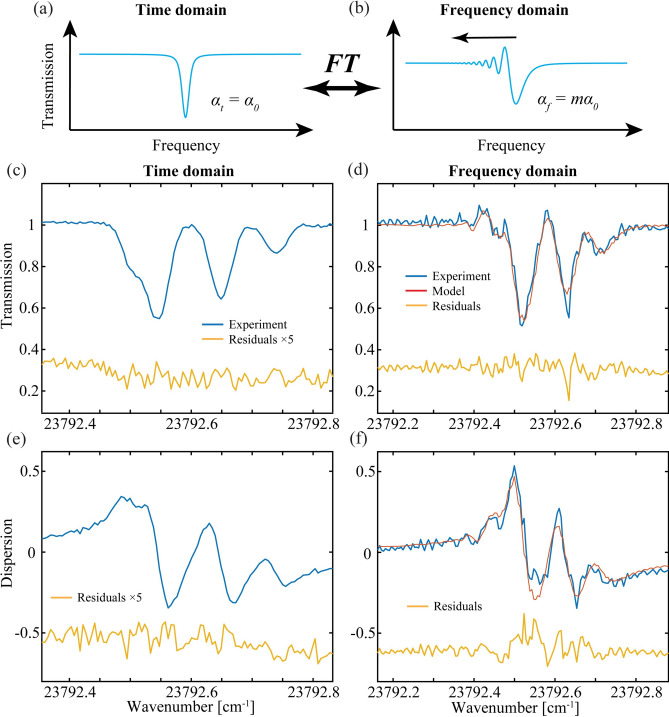 Figure 3
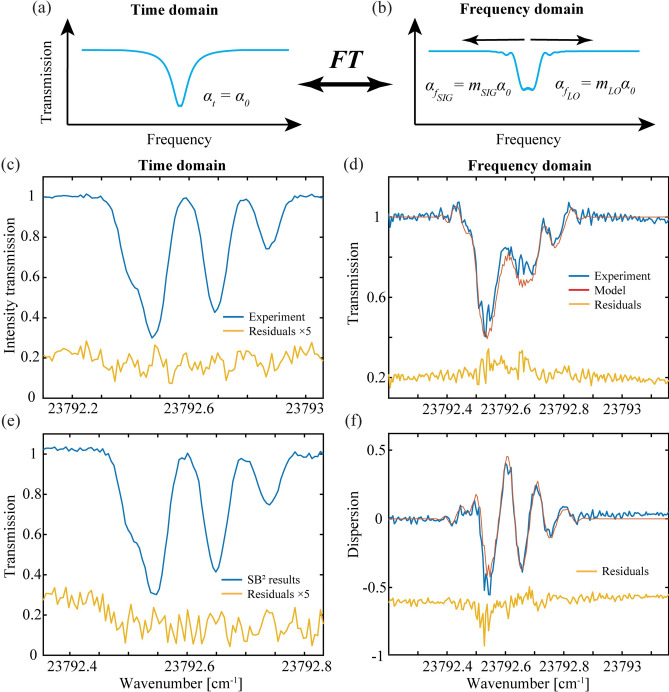 Figure 4
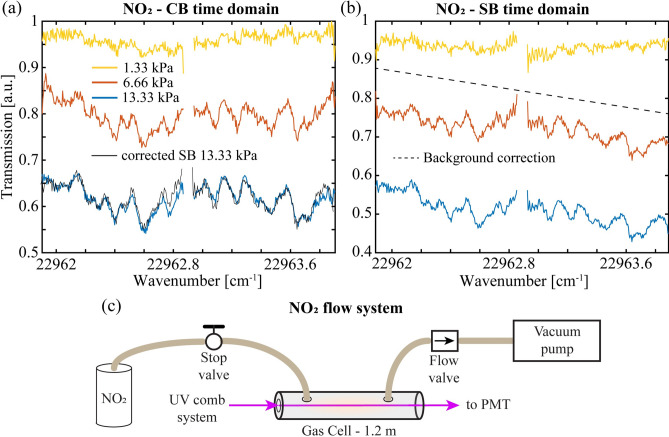 Figure 5
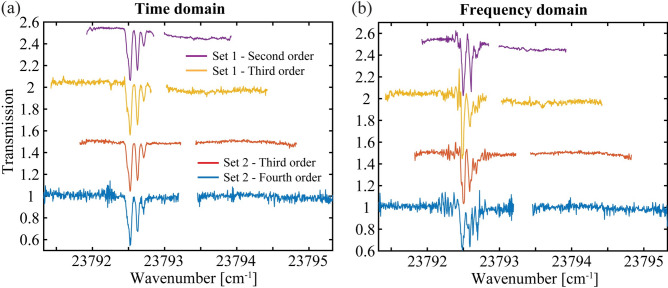 Figure 6
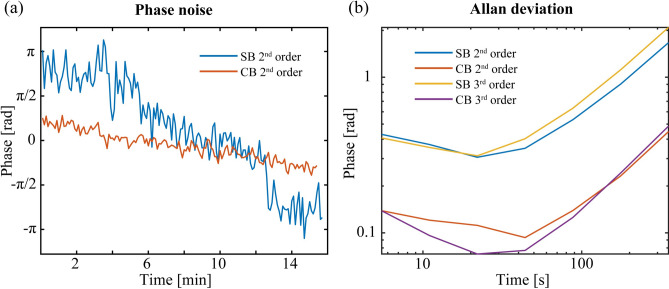 Figure 7
Peer Reviews
No public reviews on file for this paper yet. If you reviewed it on a platform where reviews are public (OpenReview, ICLR, NeurIPS, ICML), you can paste yours below so the community can read it here.
Videos
No videos yet. Explain this paper in a talk, walkthrough, or lecture? Add one.
Taxonomy
TopicsAdvanced Fiber Laser Technologies · Spectroscopy and Laser Applications · Laser-Matter Interactions and Applications