Transcriptional reprogramming in oral squamous cell carcinoma
Xianyang Cheng, Shan Shen

TL;DR
This study explores gene activity in oral cancer to find early biomarkers and potential treatment targets.
Contribution
The study identifies key genes and pathways in early oral cancer development using public sequencing data.
Findings
Key genes linked to the onset of oral squamous cell carcinoma were identified.
Molecular pathways involved in early OSCC development were uncovered.
Findings may guide future research on therapeutic targets for OSCC.
Abstract
Oral squamous cell carcinoma (OSCC) is a prevalent form of cancer globally. This disease is characterized by its complex genetic underpinnings, involving the intricate regulation of multiple genes. Genetic factors influence cellular processes such as growth, differentiation, and apoptosis of oral mucosal cells, thereby promoting or inhibiting tumor formation and progression. Furthermore, environmental factors—including smoking, alcohol consumption, and human papillomavirus (HPV) infection—can significantly increase the risk of developing OSCC. These external influences can impact the disease in several ways. Delayed clinical detection and the absence of specific biomarkers, coupled with expensive treatment alternatives, contribute to poor prognoses among OSCC patients. Thus, identifying OSCC biomarkers has become imperative. This study investigates publicly accessible sequencing data of…
Genes, proteins, chemicals, diseases, species, mutations and cell lines named across the full text — each resolved to its canonical identifier and authoritative record.
Click any figure to enlarge with its caption.
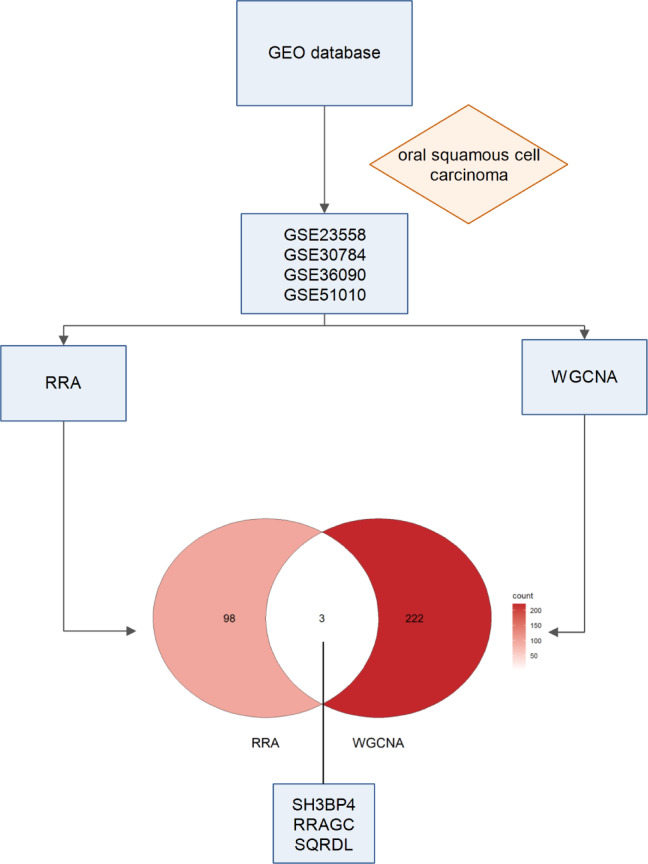 Figure 1
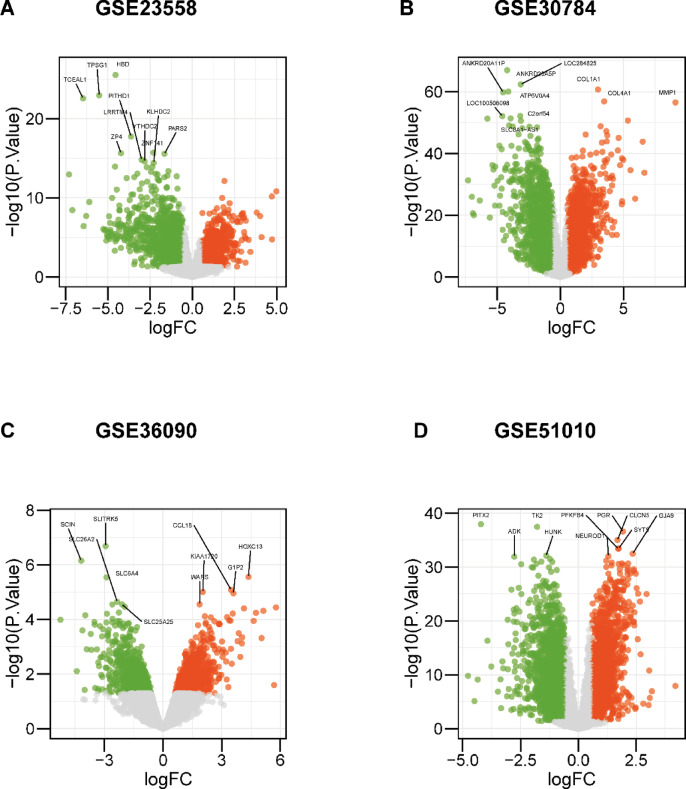 Figure 2
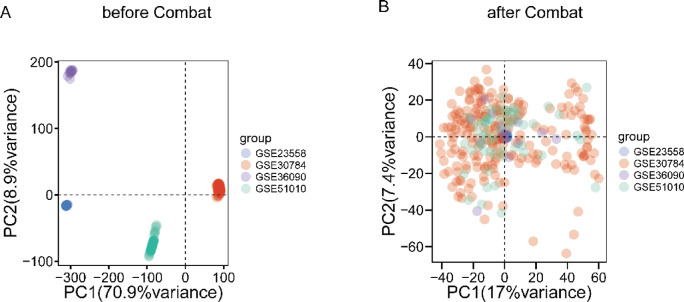 Figure 3
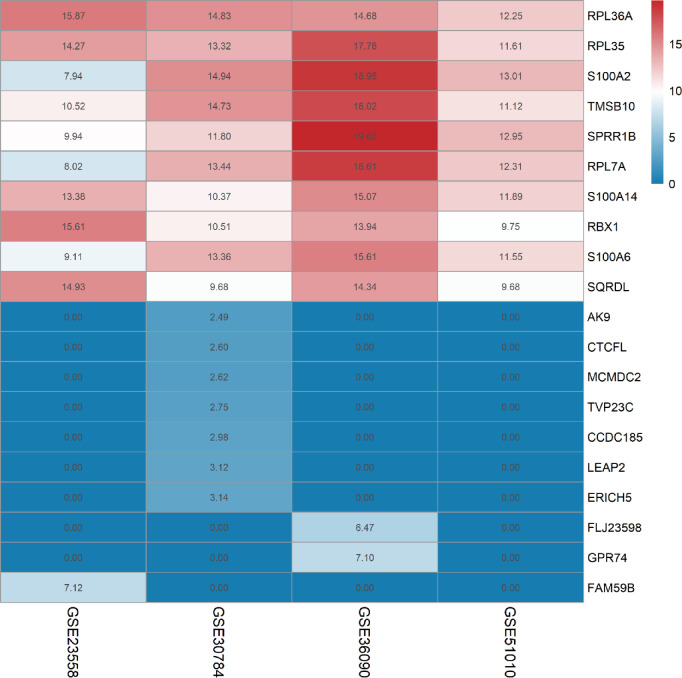 Figure 4
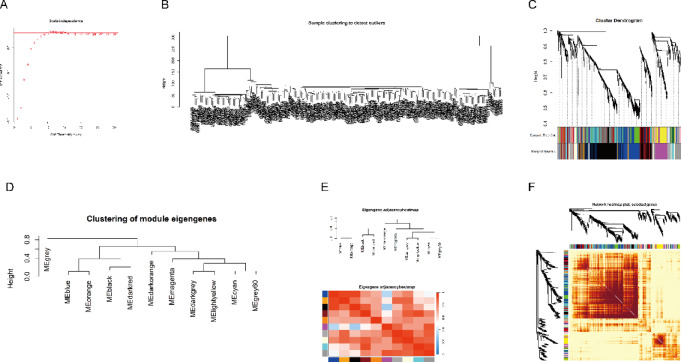 Figure 5
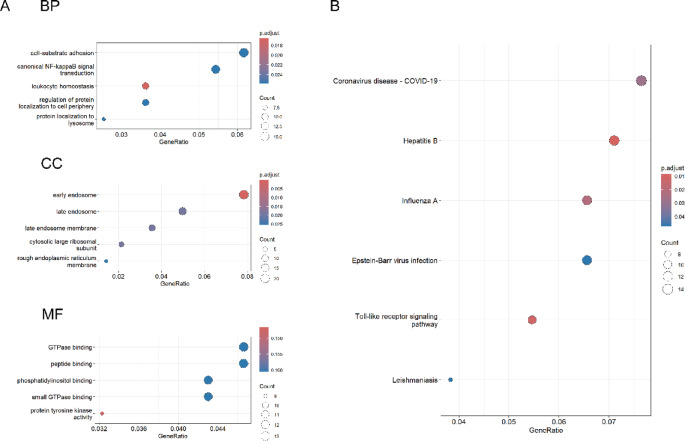 Figure 6
Peer Reviews
No public reviews on file for this paper yet. If you reviewed it on a platform where reviews are public (OpenReview, ICLR, NeurIPS, ICML), you can paste yours below so the community can read it here.
Videos
No videos yet. Explain this paper in a talk, walkthrough, or lecture? Add one.
Taxonomy
TopicsCancer-related molecular mechanisms research · RNA modifications and cancer · Head and Neck Cancer Studies