Bioinformatics and experimental validation of ferroptosis-related genes in steroid-induced osteonecrosis of the femoral head
Ming-gang Guo, Chen-fei Yang, Fa Yuan, Tao Yang, Ping-yuan Luo, Yu-bai He, Shuan Yang, Feng Chen, Wei Li, Zhi-wei Feng

TL;DR
This study identifies key genes linked to ferroptosis in steroid-induced osteonecrosis of the femoral head, validating them experimentally and suggesting potential therapeutic drugs.
Contribution
The study identifies and experimentally validates novel ferroptosis-related genes as potential biomarkers and drug targets for steroid-induced osteonecrosis.
Findings
Four core ferroptosis-related genes (GCLC, GABARAPL2, CISD2, NCOA4) were identified and validated in SONFH bone tissue.
A predictive nomogram model based on these genes showed strong diagnostic reliability and validity.
Potential drugs targeting these genes, such as Diethyl sulfate and Meloxicam, were predicted.
Abstract
Steroid-induced osteonecrosis of the femoral head (SONFH) is a progressive condition that causes increasing disability. It is thought to result from reduced blood flow and oxygen levels in the femoral head, with reactive oxygen species (ROS) playing a key role in triggering ferroptosis. However, the role of ferroptosis in SONFH progression remains underexplored. This study aimed to identify and validate key genes associated with ferroptosis in SONFH using bioinformatics. The study analyzed the SONFH dataset GSE123568, which includes data from 30 SONFH patients and 10 controls. Weighted gene co-expression network analysis (WGCNA) was used to identify differentially expressed genes (DEGs) between the SONFH and control groups. Core genes were identified by intersecting DEGs with ferroptosis-related genes retrieved from FerrDb V2. The diagnostic performance of the key genes was assessed…
Genes, proteins, chemicals, diseases, species, mutations and cell lines named across the full text — each resolved to its canonical identifier and authoritative record.
Click any figure to enlarge with its caption.
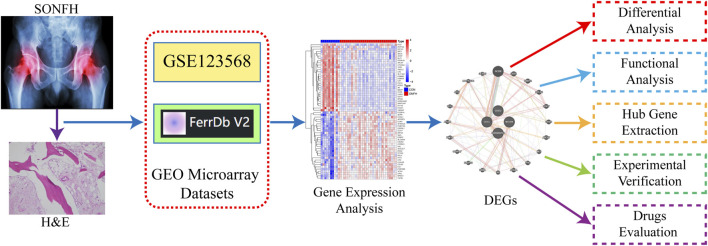 Figure 1
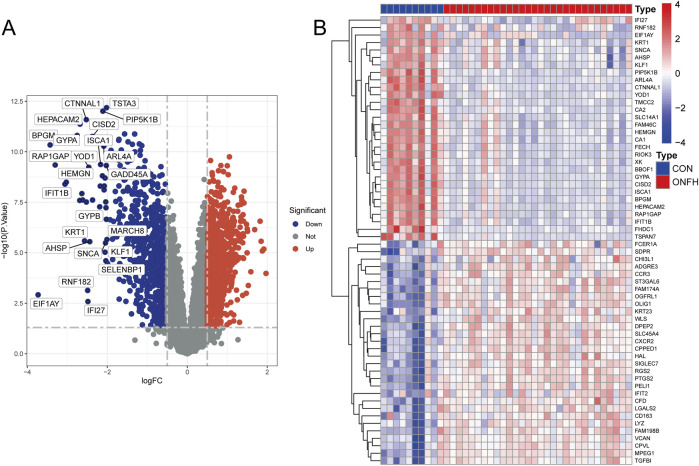 Figure 2
 Figure 3
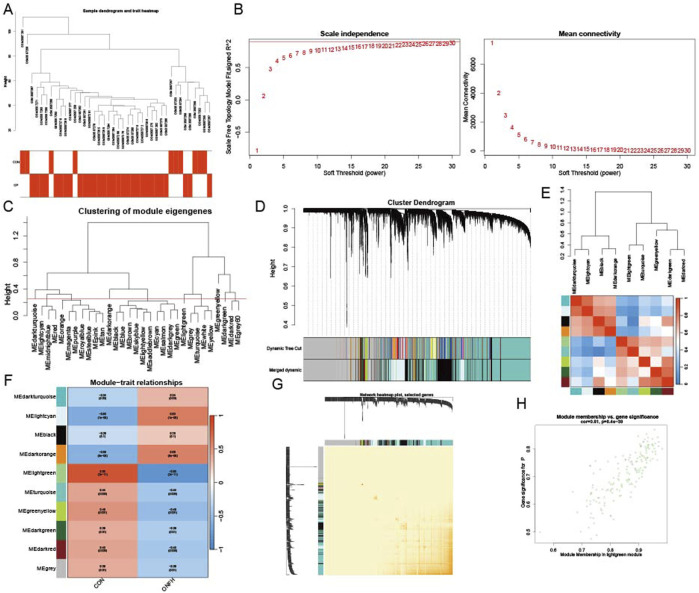 Figure 4
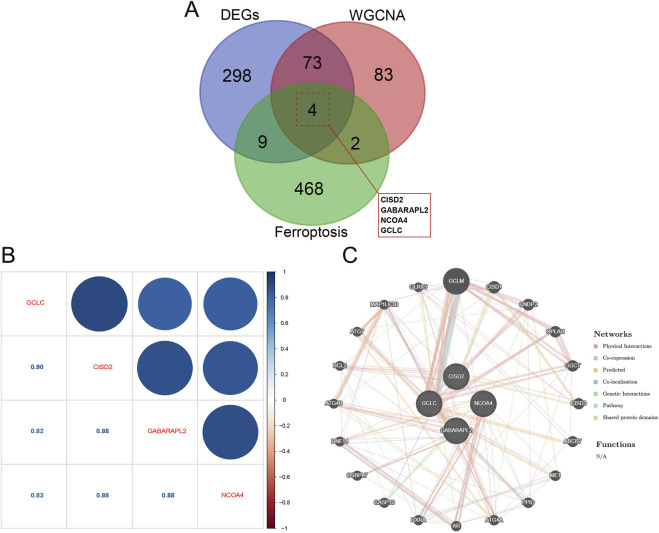 Figure 5
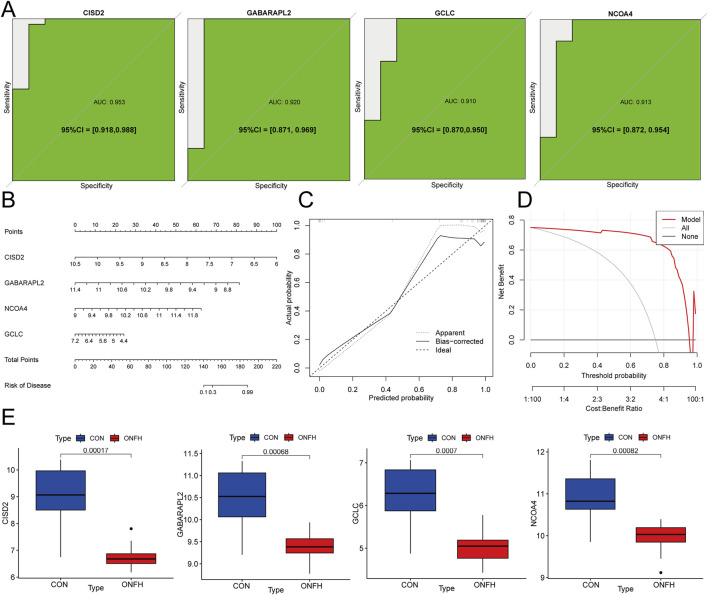 Figure 6
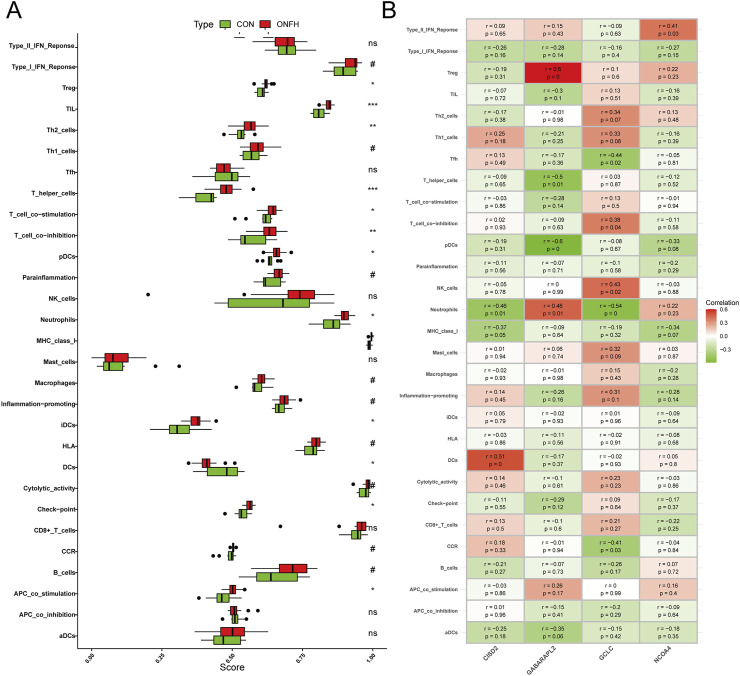 Figure 7
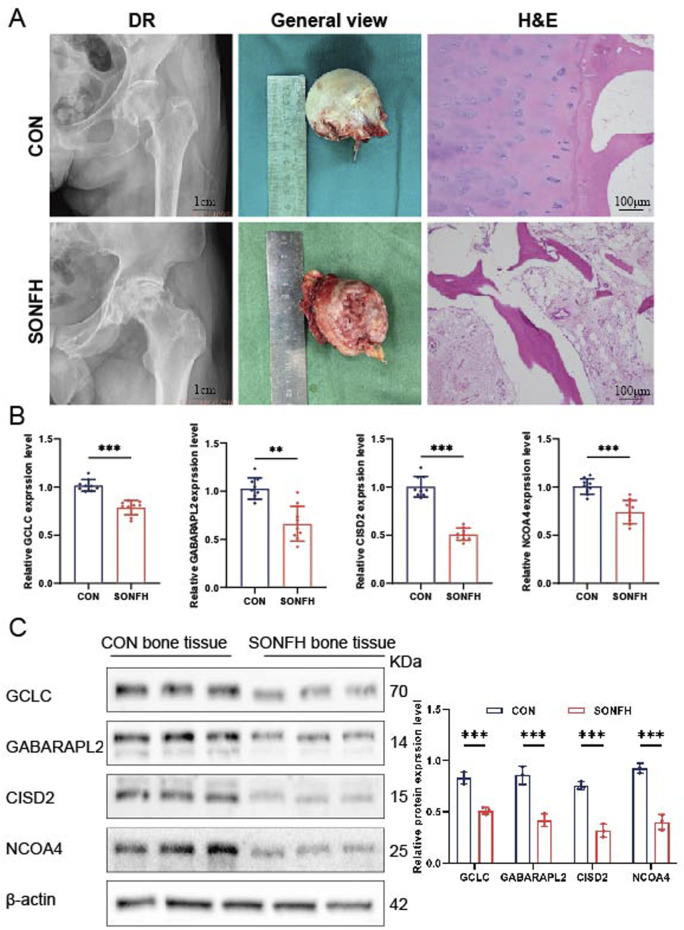 Figure 8
Peer Reviews
No public reviews on file for this paper yet. If you reviewed it on a platform where reviews are public (OpenReview, ICLR, NeurIPS, ICML), you can paste yours below so the community can read it here.
Videos
No videos yet. Explain this paper in a talk, walkthrough, or lecture? Add one.
Taxonomy
TopicsBone and Joint Diseases · Cancer-related molecular mechanisms research · RNA modifications and cancer