Gene expression profiling in pure neural leprosy: insights into pathogenesis and diagnostic biomarkers
Mariana Martins de Athaide, Thyago Leal-Calvo, Tatiana Pereira Da Silva, Thabatta Leal Silveira Andrezo Rosa, Helen Ferreira, Bernardo Miguel de Oliveira Pascarelli, Ana Caroline Siquara de Sousa, Marcia Rodrigues Jardim, Roberta Olmo Pinheiro

TL;DR
This study explores gene expression in pure neural leprosy to uncover insights into its causes and potential diagnostic markers.
Contribution
The study identifies novel transcriptomic alterations in pure neural leprosy, offering potential biomarkers for early diagnosis.
Findings
PCA of 500 differentially expressed genes clearly separated PNL samples from controls.
Downregulated genes were linked to neuronal development and autophagy, while upregulated genes were associated with immune responses.
Functional analysis revealed inflammasome activation and autophagy impairment in PNL.
Abstract
Leprosy may affect skin and nerves, leading to permanent disabilities and deformities. Pure neural leprosy (PNL) lacks skin lesions, complicating diagnosis. Moreover there is no a specific treatment to control neural damage. Transcriptomic profiling may reveals unique gene expression changes in PNL nerves, shedding light on immune response and pathogenesis. These findings may guide early diagnosis and improve patient outcome. In the present study, we investigated the gene profiling of nerve samples from patients with PNL and revealed significant transcriptomic alterations compared to non-leprosy controls. Principal Component Analysis (PCA) of the 500 most differentially expressed genes separated the groups, with 1,199 genes showing differential expression (|log2FC| ≥ 1, FDR ≤ 0.1). Downregulated genes included GAS2L2, TRIM67, IL1RAPL1, MAP1LC3B2, and NTNG1, implicated in neuronal…
Genes, proteins, chemicals, diseases, species, mutations and cell lines named across the full text — each resolved to its canonical identifier and authoritative record.
Click any figure to enlarge with its caption.
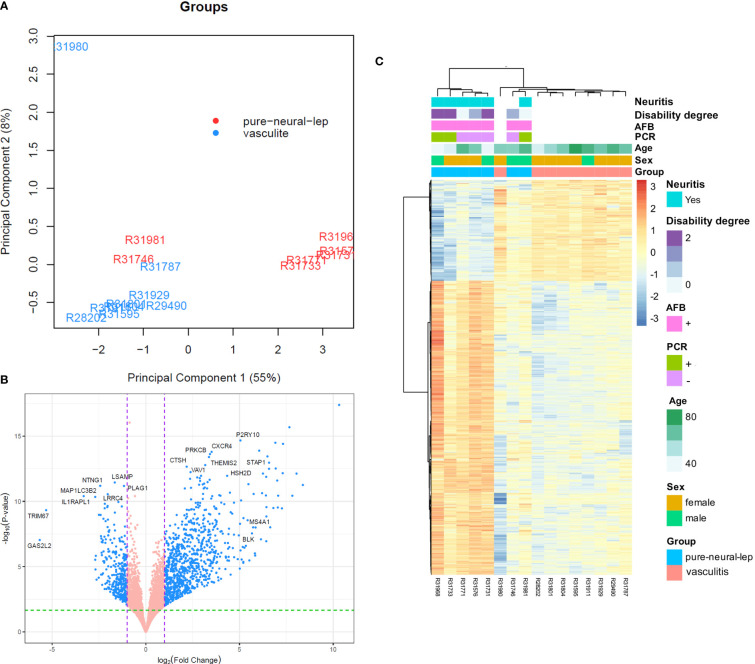 Figure 1
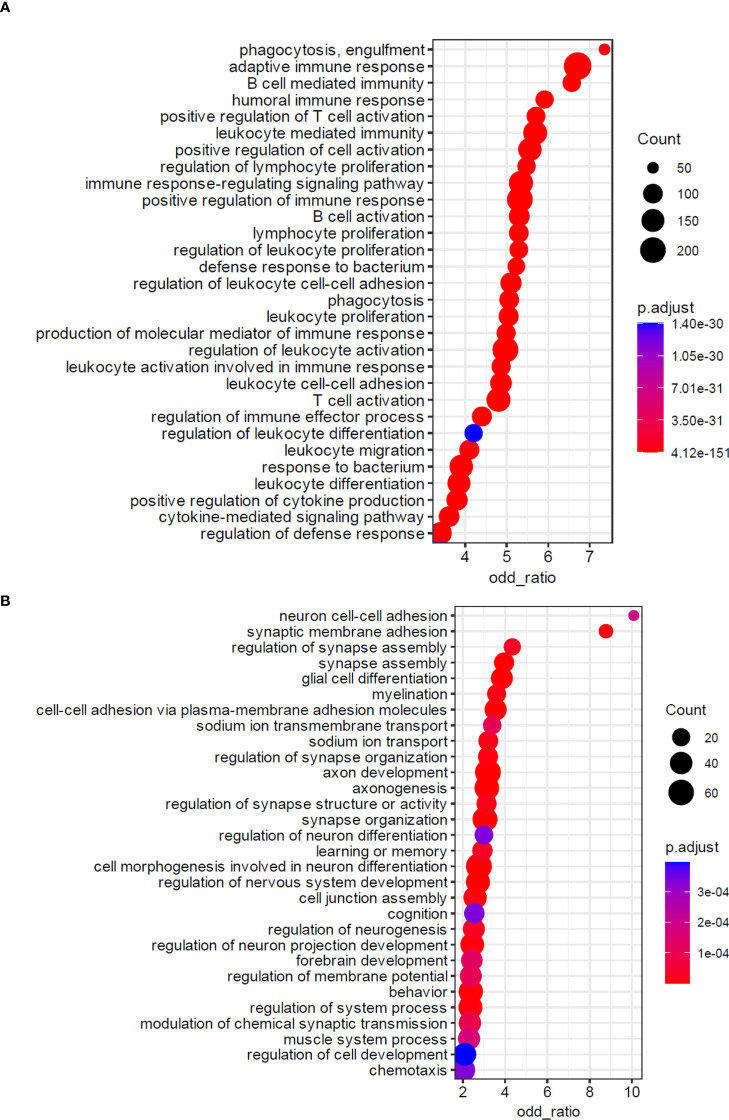 Figure 2
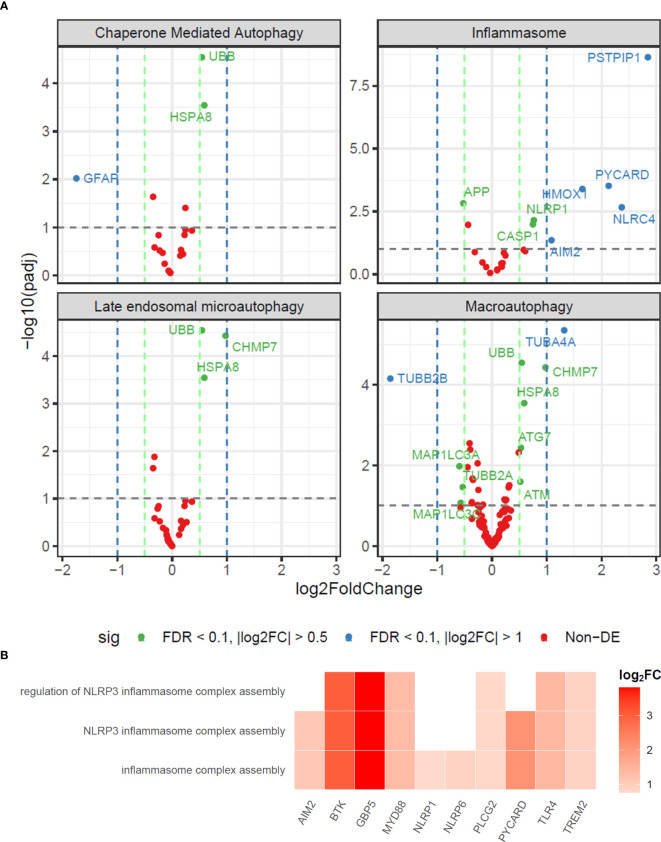 Figure 3
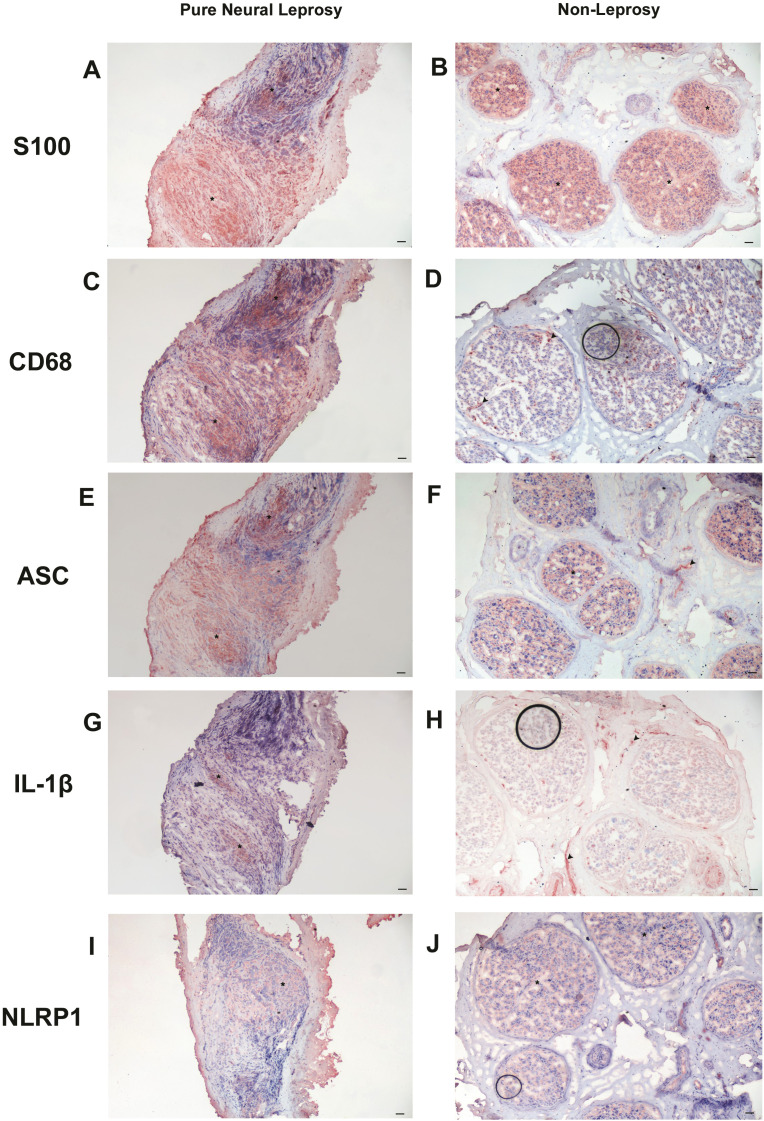 Figure 4
Peer Reviews
No public reviews on file for this paper yet. If you reviewed it on a platform where reviews are public (OpenReview, ICLR, NeurIPS, ICML), you can paste yours below so the community can read it here.
Videos
No videos yet. Explain this paper in a talk, walkthrough, or lecture? Add one.
Taxonomy
TopicsLeprosy Research and Treatment · Mycobacterium research and diagnosis · Infectious Diseases and Tuberculosis