Low Heterozygosity and Historical Bottleneck Effect Depicted From the Genome Assembly of the Indus River Dolphin ( Platanista minor )
Aamir Ibrahim, Simin Chai, Cuijuan Zhong, Kang Jieqiong, Ahsaan Ali, Sajjad Hussain, Hassan Ali, Tanveer Hussain, Umer Waqas, Guang Yang

TL;DR
This paper presents the genome of the endangered Indus River dolphin, revealing low genetic diversity and adaptations to freshwater life.
Contribution
The study provides the first genome assembly of the Indus River dolphin and identifies genes linked to freshwater adaptation and low heterozygosity.
Findings
The Indus River dolphin has very low heterozygosity (0.0218%) due to historical bottlenecks and inbreeding.
Genes related to skin adaptations and immune responses show signs of positive selection, suggesting freshwater adaptation.
The species diverged from other dolphins around 31.2 million years ago, placing it in a more basal evolutionary position.
Abstract
The Indus River dolphin ( Platanista minor ) is a highly endangered freshwater dolphin endemic to the Indus River system of the Indian subcontinent. We reported a de novo assembly and characterization of the draft genome of the Indus River dolphin by using Illumina short‐read sequencing technology. Based on this, for the first time, we conducted the comparative genomics study and identified a selection of genes and gene families that have undergone significant positive selection and expansion or contraction, indicating potential molecular mechanisms associated with freshwater adaptation, such as specialized skin features and their derivatives (e.g., hair loss) and immune adaptations. Additionally, this study estimated that the Indus River dolphin diverged nearly 31.2 million years ago from the most recent common ancestor of Delphinidae and Lipotidae, placing it in a more basal position…
Genes, proteins, chemicals, diseases, species, mutations and cell lines named across the full text — each resolved to its canonical identifier and authoritative record.
Click any figure to enlarge with its caption.
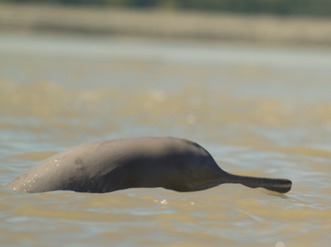 Figure 1
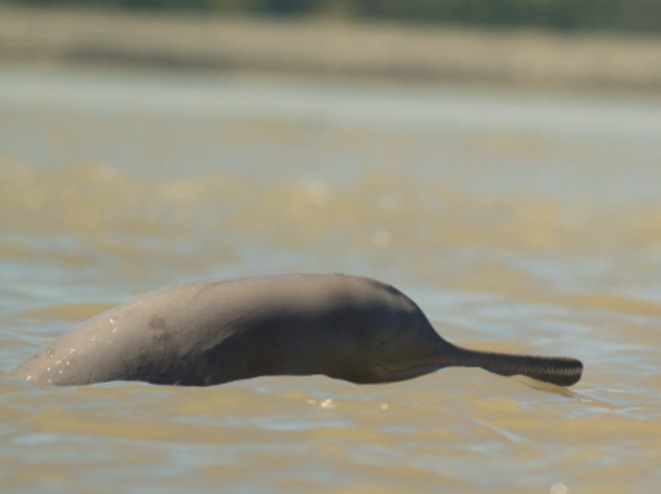 Figure 2
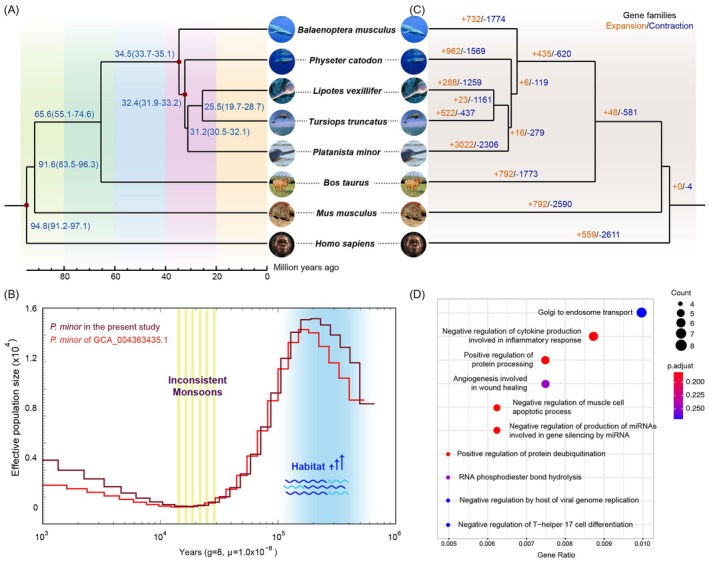 Figure 3
Peer Reviews
No public reviews on file for this paper yet. If you reviewed it on a platform where reviews are public (OpenReview, ICLR, NeurIPS, ICML), you can paste yours below so the community can read it here.
Videos
No videos yet. Explain this paper in a talk, walkthrough, or lecture? Add one.
Taxonomy
TopicsMarine animal studies overview · Aquaculture disease management and microbiota · Fish Ecology and Management Studies