Serum Mitsugumin-53 Level as a Diagnostic Marker in Patients With Acute Coronary Syndrome: A Case-Control Study
Sriram M Pattabi, Prashant S Adole, Kolar V Vinod

TL;DR
This study found that higher levels of a protein called Mitsugumin-53 in the blood may help diagnose acute coronary syndrome, a serious heart condition.
Contribution
The study introduces serum Mitsugumin-53 as a potential new diagnostic marker for acute coronary syndrome.
Findings
ACS patients had significantly higher serum Mitsugumin-53 and H-FABP levels than healthy controls.
Mitsugumin-53 levels were strongly correlated with other cardiac biomarkers like troponin-I and H-FABP.
Mitsugumin-53 showed 70% sensitivity and specificity in diagnosing ACS and was independently associated with ACS risk.
Abstract
Background: The high incidence of acute coronary syndrome (ACS) warrants the search for new cardiac biomarkers. Mitsugumin-53 (MG-53) is a myokine involved in cell membrane repair and essential for the function and survival of cardiomyocytes. Therefore, the study assessed the utility of serum MG-53 levels in ACS diagnosis and prognosis. Method: We enrolled 120 ACS patients as cases and 40 healthy controls as per the inclusion and exclusion criteria in this case-control study. The demographics, present and past history, and physical characteristics were recorded. The chemistry analyzer analyzed routine blood investigations. Serum MG-53 and heart-type fatty acid binding protein (H-FABP as a myocardial injury marker) levels were measured using enzyme-linked immunosorbent assay (ELISA) kits. The Statistical Package for the Social Sciences (SPSS) program (version 26.0, IBM Corp., Armonk,…
Genes, proteins, chemicals, diseases, species, mutations and cell lines named across the full text — each resolved to its canonical identifier and authoritative record.
Click any figure to enlarge with its caption.
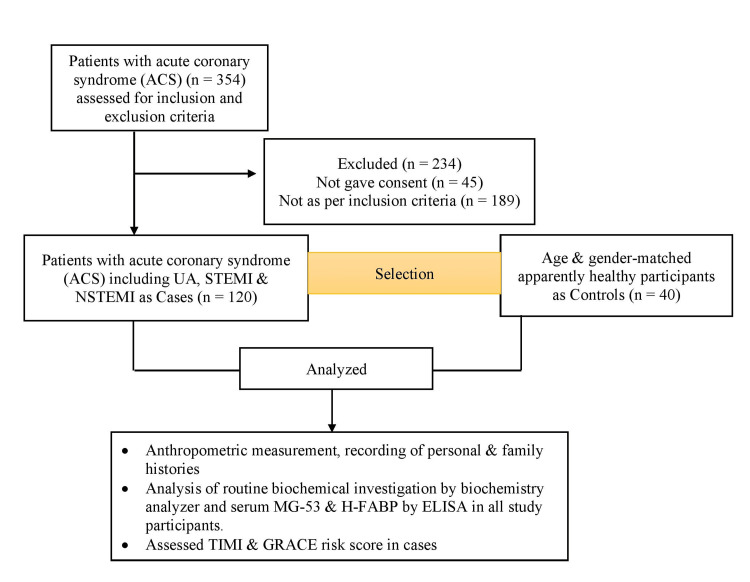 Figure 1
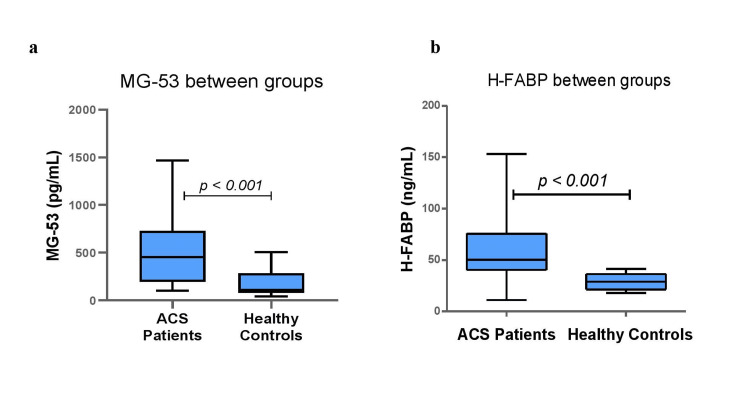 Figure 2
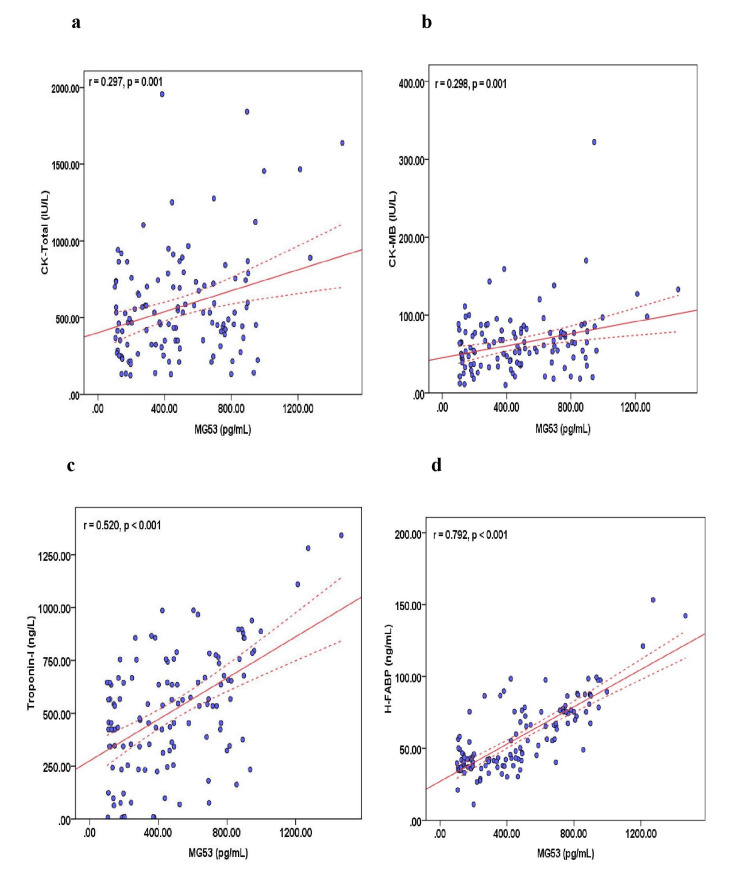 Figure 3
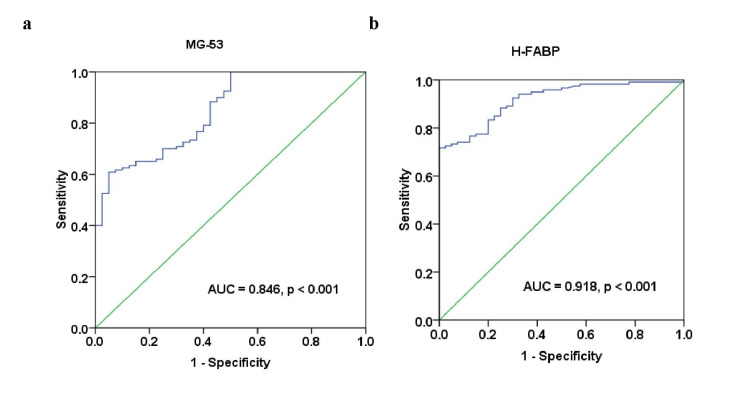 Figure 4
Peer Reviews
No public reviews on file for this paper yet. If you reviewed it on a platform where reviews are public (OpenReview, ICLR, NeurIPS, ICML), you can paste yours below so the community can read it here.
Videos
No videos yet. Explain this paper in a talk, walkthrough, or lecture? Add one.
Taxonomy
TopicsCardiovascular, Neuropeptides, and Oxidative Stress Research · Kawasaki Disease and Coronary Complications · Chemotherapy-induced cardiotoxicity and mitigation