Infant body composition in a randomised trial of a maternal nutritional supplement during preconception and pregnancy
Jaz Lyons-Reid, José G. B. Derraik, Leigh C. Ward, Timothy Kenealy, Benjamin B. Albert, Jose M. Ramos Nieves, Cathriona R. Monnard, Mya Thway-Tint, Heidi Nield, Sheila J. Barton, Sarah El-Heis, Elizabeth H. Tham, Keith M. Godfrey, Shiao-Yng Chan, Wayne S. Cutfield, Aristea Binea

TL;DR
A maternal nutritional supplement did not change infant body composition on average, but reduced rapid weight gain and high BMI, which are linked to higher body fat.
Contribution
The study clarifies that the supplement's effect was not on average body composition but on reducing risk factors for obesity.
Findings
No group-level differences in body composition except for higher fat-free mass in the control group at two years.
Rapid weight gain and high BMI were associated with increased fat mass percentage in both groups.
The supplement did not alter average body composition but reduced the incidence of rapid weight gain and high BMI.
Abstract
In a multinational randomized controlled trial, we previously showed that maternal supplementation with myo-inositol, probiotics, and micronutrients was associated with reduced incidence of rapid infant weight gain and high body mass index (BMI) at two years among offspring. It was unclear whether these differences in weight gain and body mass were due to reduced adiposity. Therefore, we aimed to determine whether there were any differences in body composition. Body composition was measured using bioelectrical impedance spectroscopy at six weeks, six months, one year, and two years among offspring born to mothers who received a nutritional intervention (n = 268) or control (n = 264) supplement preconception and during pregnancy. There were no group-level differences in body composition, except at two years, when fat-free mass was greater among control offspring [adjusted mean…
Genes, proteins, chemicals, diseases, species, mutations and cell lines named across the full text — each resolved to its canonical identifier and authoritative record.
Click any figure to enlarge with its caption.
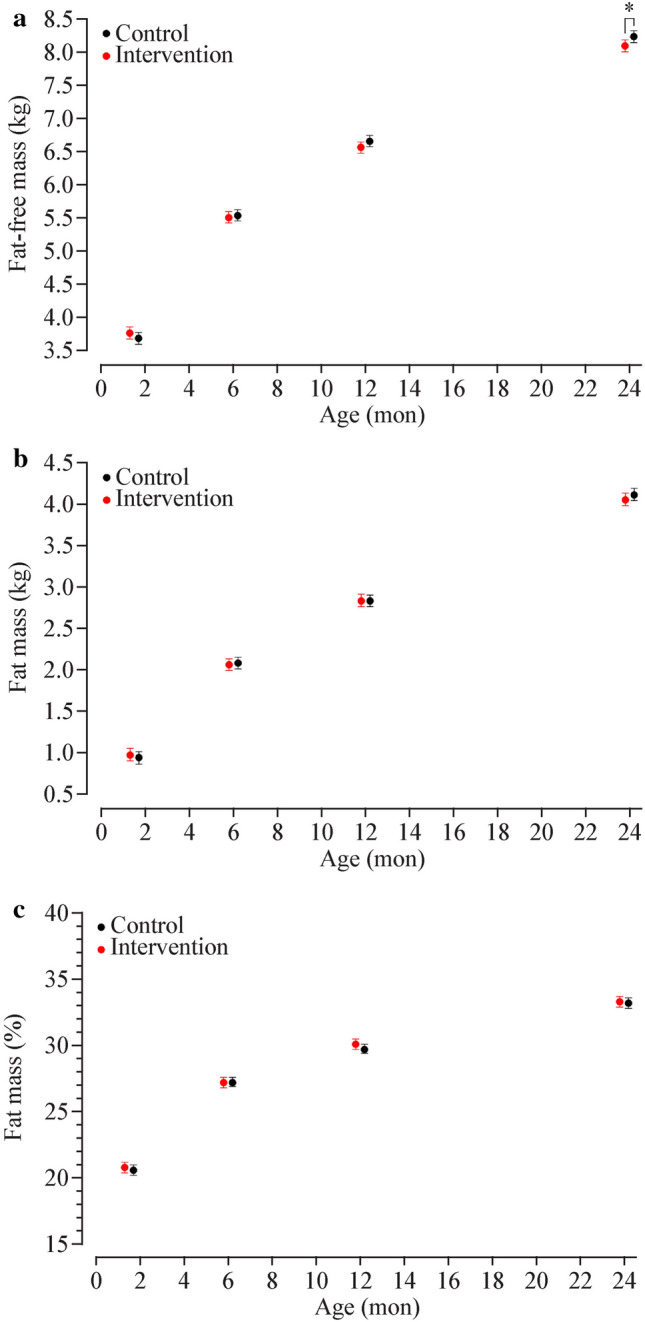 Figure 1
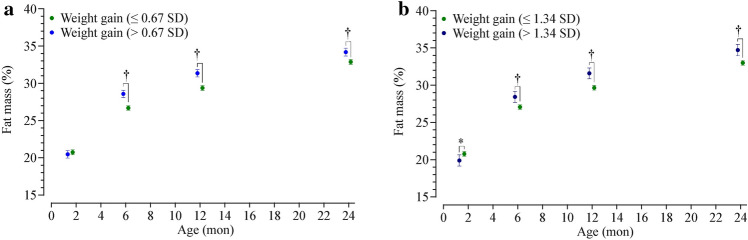 Figure 2
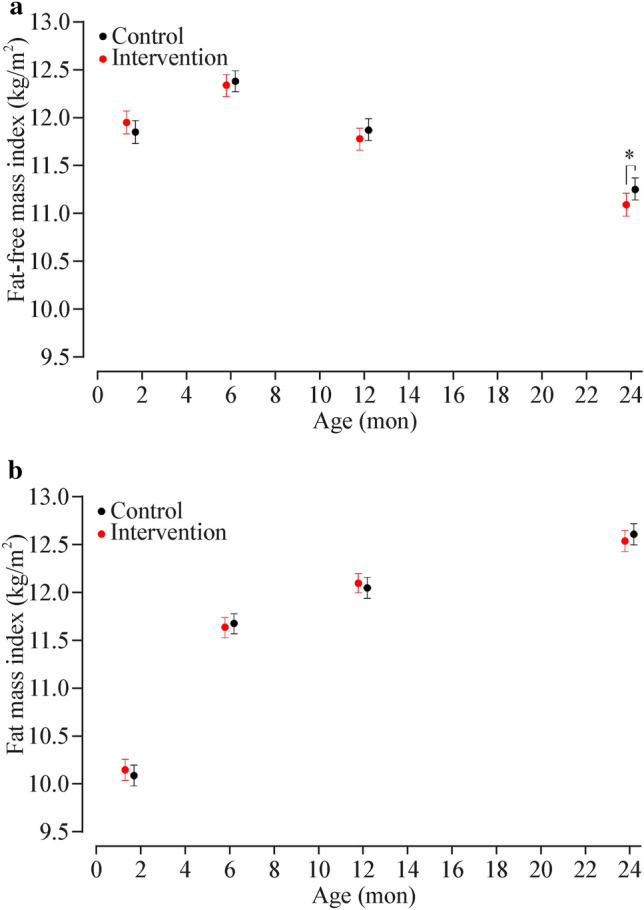 Figure 3
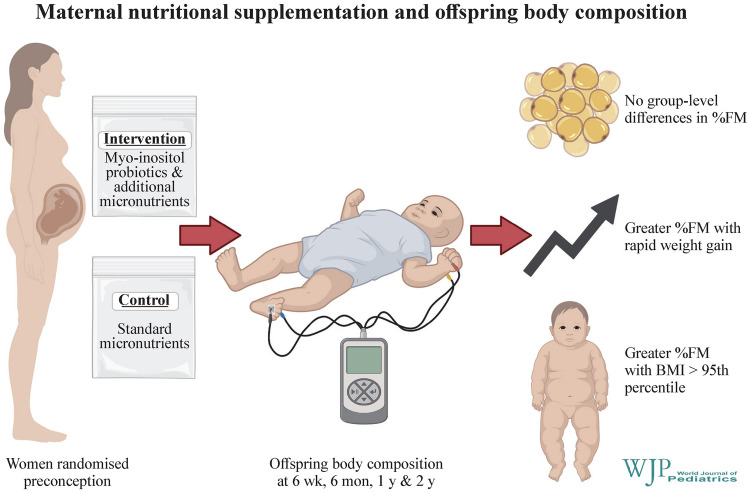 Figure 4
Peer Reviews
No public reviews on file for this paper yet. If you reviewed it on a platform where reviews are public (OpenReview, ICLR, NeurIPS, ICML), you can paste yours below so the community can read it here.
Videos
No videos yet. Explain this paper in a talk, walkthrough, or lecture? Add one.
Taxonomy
TopicsGestational Diabetes Research and Management · Birth, Development, and Health · Pregnancy and preeclampsia studies