Kinetic and analytical characterization of a new tropinone oxidase enzyme and its application to the simultaneous determination of the tropane alkaloids atropine and scopolamine
Mario Domínguez, Susana de Marcos, Javier Galbán

TL;DR
A new enzyme-based method was developed to measure two plant compounds, atropine and scopolamine, using their reaction with an enzyme and tracking the reaction through light absorption.
Contribution
A novel spectrophotometric enzymatic method for the simultaneous determination of atropine and scopolamine using tropinone reductase.
Findings
The method allows accurate determination of atropine and scopolamine in spiked chia samples with high recovery rates.
The simultaneous determination of both compounds was achieved by measuring absorbance at two different reaction times.
The method's sensitivity is lower than immunoassays but offers advantages like simultaneous detection of multiple compounds.
Abstract
A spectrophotometric enzymatic method for the determination of atropine (Atp) and scopolamine (Scp), two tropane alkaloids (TAs), has been developed. The method is based on a previous basic hydrolysis to tropine (Trp) and scopine (Sci) respectively, and a subsequent enzymatic oxidation catalyzed by a tropinone reductase 1 (TRase) using NAD as oxidant; the absorbance of NADH (340 nm) is monitored during the reaction. First, the enzyme kinetics of both substrates are studied; it is concluded that both TAs follow a compulsory order ternary complex mechanism and the Michalis-Menten constant is calculated. Then, an enzymatic method was optimized for Atp, allowing the determination of this substrate in the range from 1.1·10−5 M to 3.0·10−4 M (LoD = 3.5·10−6 M); it was applied to the determination of Atp in a spiked chia sample (96 ± 6% recovery). Interestingly, the equilibrium constant of the…
Genes, proteins, chemicals, diseases, species, mutations and cell lines named across the full text — each resolved to its canonical identifier and authoritative record.
Click any figure to enlarge with its caption.
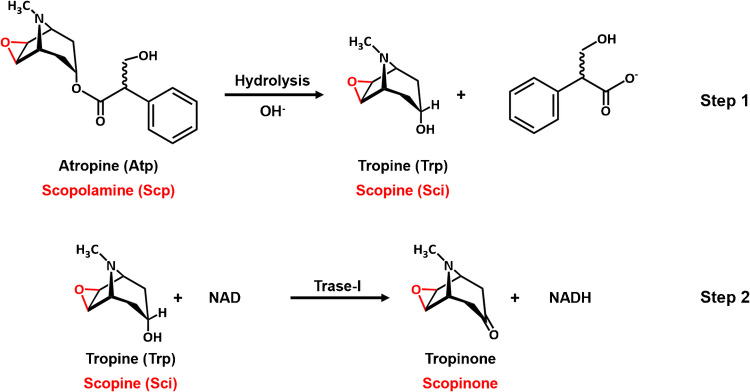 Figure 1
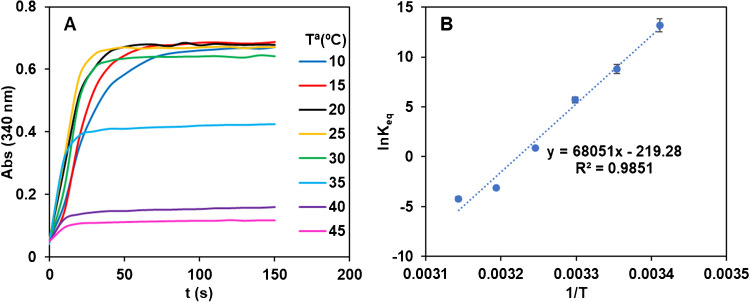 Figure 2
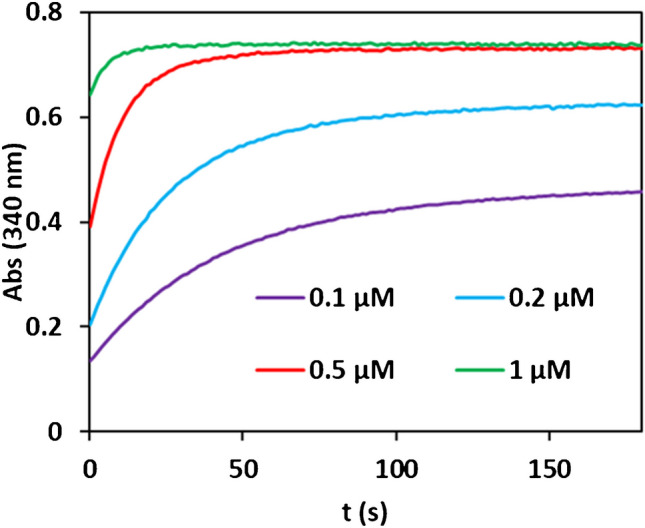 Figure 3
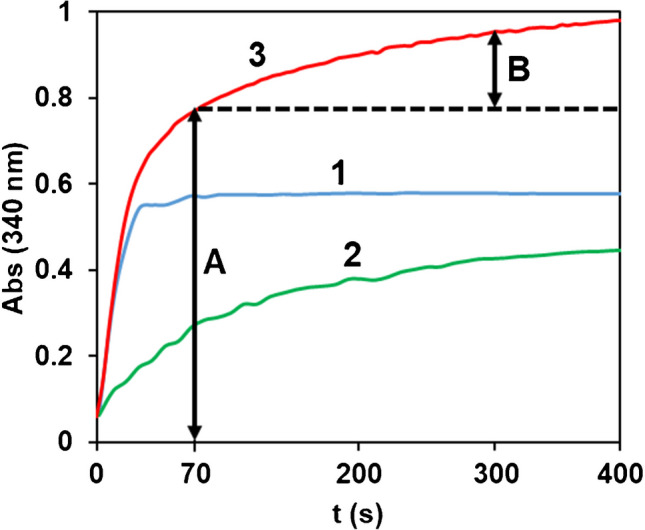 Figure 4
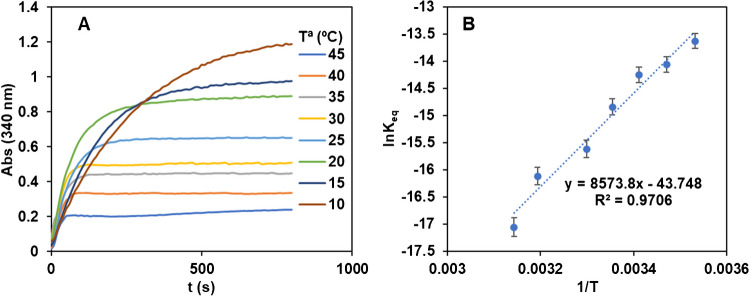 Figure 5
Peer Reviews
No public reviews on file for this paper yet. If you reviewed it on a platform where reviews are public (OpenReview, ICLR, NeurIPS, ICML), you can paste yours below so the community can read it here.
Videos
No videos yet. Explain this paper in a talk, walkthrough, or lecture? Add one.
Taxonomy
TopicsAnalytical Chemistry and Chromatography · Synthesis and Biological Evaluation · Chromatography in Natural Products