Mismatch Repair Deficiency in Esophageal Squamous Cell Carcinoma: An Underrecognized Biomarker for Immunotherapy Response
Carlos E Bonilla, Vaneza Ávila-Rodríguez, Paola Jiménez-Vásquez, Magda Jimena Vargas Diaz, Silvia Guerrero

TL;DR
A case shows that mismatch repair deficiency in esophageal squamous cell carcinoma can predict response to immunotherapy, suggesting broader testing may help personalize treatment.
Contribution
Highlights the underrecognized potential of dMMR/MSI-H as a biomarker in ESCC, especially in non-White populations.
Findings
A patient with dMMR ESCC showed significant response to chemoimmunotherapy.
dMMR/MSI-H may be more prevalent in ESCC than previously thought, particularly in non-White populations.
Routine dMMR/MSI-H testing in ESCC could identify candidates for immunotherapy.
Abstract
Mismatch repair deficiency (dMMR) and high microsatellite instability (MSI-H) are known predictors of response to immune checkpoint inhibitors in gastrointestinal malignancies, often seen in adenocarcinomas. Their role in esophageal squamous cell carcinoma (ESCC) is less studied, as these alterations were historically considered rare in this subtype. We report the case of a 74-year-old man with stage IVB proximal ESCC, presenting with bilateral lung metastases and mediastinal lymphadenopathy. Immunohistochemistry revealed dMMR with loss of PMS2 expression and a PD-L1 Combined Positive Score (CPS) of 1. After palliative radiotherapy for dysphagia, he received chemoimmunotherapy with 5-fluorouracil, cisplatin, and nivolumab. Within two months, he experienced symptom improvement, and imaging after four cycles demonstrated a partial response with marked reduction in pulmonary metastases.…
Genes, proteins, chemicals, diseases, species, mutations and cell lines named across the full text — each resolved to its canonical identifier and authoritative record.
Click any figure to enlarge with its caption.
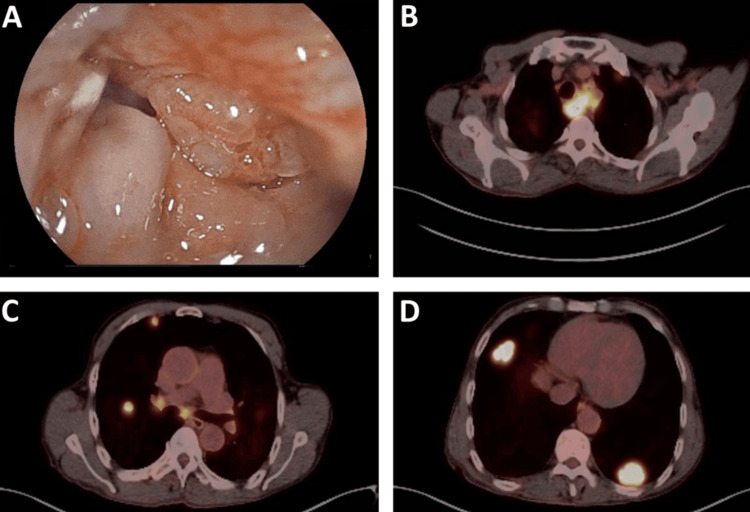 Figure 1
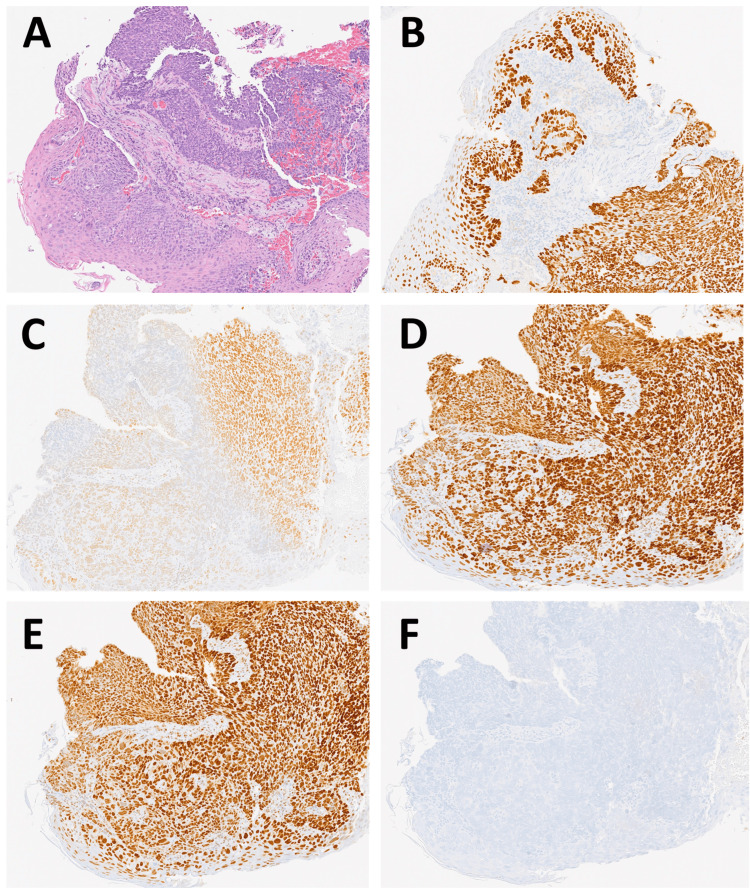 Figure 2
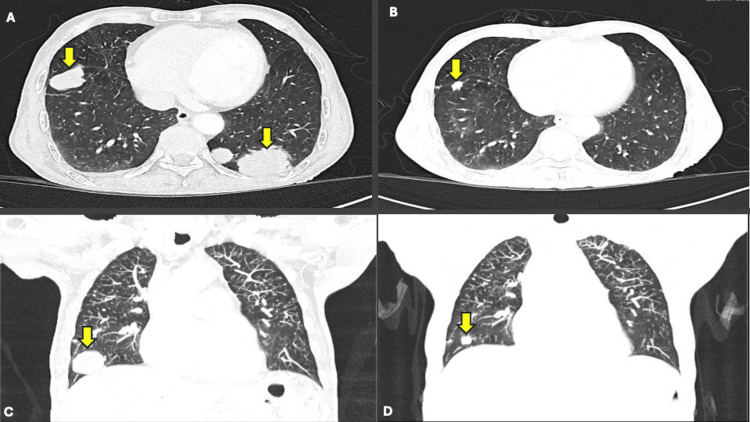 Figure 3
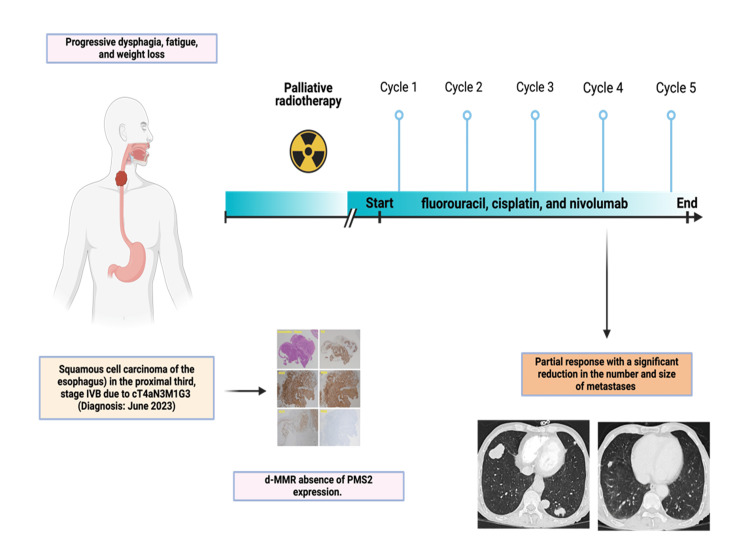 Figure 4
Peer Reviews
No public reviews on file for this paper yet. If you reviewed it on a platform where reviews are public (OpenReview, ICLR, NeurIPS, ICML), you can paste yours below so the community can read it here.
Videos
No videos yet. Explain this paper in a talk, walkthrough, or lecture? Add one.
Taxonomy
TopicsGenetic factors in colorectal cancer · DNA Repair Mechanisms · PARP inhibition in cancer therapy