Knowledge and Attitude of Malaysian Public Towards Blood Donation During COVID-19 Pandemic: A Cross-Sectional Study
Siti Solehah Abdullah Muzafar Shah, Ilie Fadzilah Hashim, Zarina Thasneem Zainudeen, Intan Juliana Abd Hamid

TL;DR
This study examined how Malaysians felt and what they knew about blood donation during the pandemic, finding that most had good knowledge and a positive attitude.
Contribution
The study identifies key demographic factors influencing blood donation knowledge and attitude during the pandemic in Malaysia.
Findings
About half of participants had good knowledge of blood donation.
71.2% of participants reported a positive attitude towards blood donation.
Gender, age, income, and donation experience were significantly related to the perception of blood need.
Abstract
This study aimed to determine the knowledge and attitude of the Malaysian public towards blood donation during the COVID-19 pandemic. This cross-sectional study utilised an online questionnaire to survey 409 Malaysians between 18 to 60 years old who were non-healthcare workers recruited via convenient snowball sampling. Data were analysed descriptively and via multiple logistic regression. About half (49.2%) of the participants have good knowledge of blood donation while 71.2% of them reported a positive attitude. Gender and blood donation experience were significantly associated with knowledge of blood donation. However, only gender was associated with attitude concerning blood donation. Gender, age, income and donation experience were significantly related to the perception of blood need. No factor was identified as significantly associated with the perception of blood donation…
Genes, proteins, chemicals, diseases, species, mutations and cell lines named across the full text — each resolved to its canonical identifier and authoritative record.
Click any figure to enlarge with its caption.
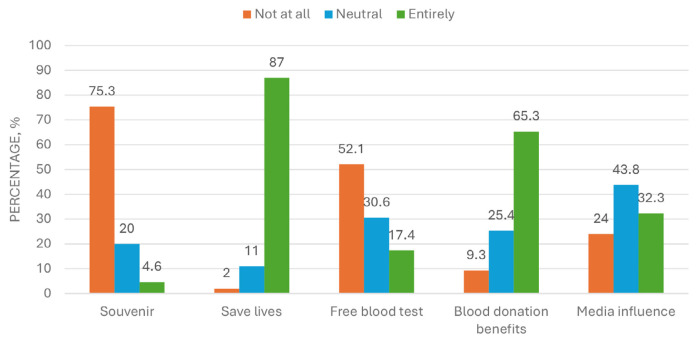 Figure 1
Peer Reviews
No public reviews on file for this paper yet. If you reviewed it on a platform where reviews are public (OpenReview, ICLR, NeurIPS, ICML), you can paste yours below so the community can read it here.
Videos
No videos yet. Explain this paper in a talk, walkthrough, or lecture? Add one.
Taxonomy
TopicsBlood donation and transfusion practices
Introduction
Blood transfusion services play a vital role in the healthcare system as blood products are needed in the treatment of certain blood diseases or acute and chronic conditions that require blood as part of the treatment regime. The blood supply shortage is a common issue as the blood banks rely on the public as the main source of blood donation (1). The COVID-19 pandemic has caused a massive impact on the healthcare sector and blood bank services are not spared. There have been no reported cases of the transmission of SARS-CoV-2 through blood transfusion, and hence the risk was considered to be minimal (2). Nevertheless, a significant reduction in the supply of blood products was reported, resulting in adverse effects on blood system activities in many countries (3). The pandemic has triggered other problems such as decreasing blood donation from the public due to travel restrictions during Movement Control Order (MCO), public fear of contracting COVID-19 infection from blood donation centres, and reduced blood donation drives during the pandemic (4, 5). In Malaysia, there was a drastic drop of about 40% of the blood supply in the first few months of the COVID-19 pandemic (6).
In view of this, there is an urgent need for blood donation services to conduct assessments and respond appropriately to maintain sufficient blood donors and blood products. The relevant stakeholders involved in blood transfusion and donation services must strive to improve the knowledge and attitude of the public in raising their awareness about the importance of blood donation (7). To overcome the crisis of declining blood supplies during critical periods such as disease outbreaks, public awareness of blood donation must be prioritised to ensure continuous recruitment of blood donors. However, there is a lack of study on the knowledge and attitude of the Malaysian public on blood donation during the COVID-19 pandemic. Thus, by evaluating the public’s knowledge and attitude toward blood donation during the pandemic, the facilitators and barriers can be identified to overcome the blood supply reduction during future pandemics.
Methods
A cross-sectional study was carried out via an online survey between March and May 2021. Inclusion criteria were Malaysians residing in the country, aged between 18–60 years old and non-healthcare workers. The sample size was estimated using the single proportion formula that gave rise to 402 participants (8). Convenient, snowball sampling was used to recruit participants via the survey link that was shared through social media such as WhatsApp, Facebook and Telegram. This study protocol was approved by the Human Research Ethics Committee USM (HREC), (USM/JEPeM/21010041). Participation in this study was voluntary and respondents’ details were ensured anonymous and confidential.
The research tool was adapted from a validated questionnaire by Ou-Yang et al. (8). The overall Cronbach’s alpha (0.73) showed an acceptable reliability. The questionnaire was in English and consisted of two sections and 34 items. Section one consisted of 10 items regarding sociodemographic characteristics. Section two contained 27 items related to the knowledge and attitude toward blood donation. However, three items were removed as they were related to the previous intervention of the study by Ou-Yang et al. (8). The reliability of the modified questionnaire was analysed, and the revised Cronbach’s alpha is 0.75, indicating good reliability across the 24 items. All items were scored on a Likert scale in which a higher score indicates more concern, positive attitudes and higher knowledge. The average time to answer the questionnaire was around 5 to 10 minutes.
Data entry and analysis were performed using Statistical Package for Social Sciences (SPSS) version 26.0. Descriptive and inferential analyses were performed. Descriptive statistics including mean (SD) for numerical variables, and frequency (percentage for categorical variables) were reported for sociodemographic characteristics. Simple and multiple logistic regressions were used to analyse the associated factors of demographic characteristics with knowledge and attitude status. The variables with p-value < 0.25 were selected for multivariate analysis and a forward and backward method were used for final model determination. Multiple logistic regression models contained six independent variables, i.e., gender, age, educational level, occupation, income and donation experience. Statistical significance was set at 0.05.
Results
A total of 409 participants answered the questionnaire. The participants’ sociodemographic data were summarised in Table 1.
Public Perceived Knowledge of Blood Donation During COVID-19 Pandemic
Table 2 outlines the perceived knowledge of blood donation among the study participants. For items Q6, Q7 and Q8, the score of 1, 2 and 3 on the Likert scale were categorised as having poor perceived knowledge, while scores 4 and 5 were deemed as good perceived knowledge. The majority of the participants reported poor perceived knowledge about blood donation policy (57.7%) and blood donation procedure (52.3%). In contrast, most of them had a good perceived knowledge of blood donation requirements (57.7%).
Table 3 shows the multiple logistic regression results for the perceived blood donation knowledge. Only female gender and donation experience were significantly associated with good perceived knowledge (p < 0.05). Females were more likely to have good perceived knowledge compared to males. However, the strongest predictor of having good perceived knowledge of blood donation was previous experience in donating blood. Blood donors were more likely to report a good perceived knowledge compared to those without blood donation experience.
Public Attitude on Blood Donation During COVID-19 Pandemic
Table 4 shows the study participants’ attitudes toward blood donation during the COVID-19 pandemic. Under the domain of concern regarding COVID-19 infection, most of them reported a good attitude by mean proportion ranging from 68.0% to 77.5% participants. Similarly, most of them (74.1% to 96.1%) had a good attitude toward blood needs during the pandemic. More than half (56.2% to 62.3%) believed that they would not contract COVID-19 either on the way, during or after blood donation, and almost two-thirds (65.5%) of them felt that the staff at the blood centres would ensure their safety during blood donation.
As shown in Tables 5a–?5c, there was a significant association between gender and concern about COVID-19 infection. Females were more likely to have a higher concern about COVID-19 infection during blood donation than males. Next, four independent variables showed statistically significant association with the perception of blood needs during the pandemic, including gender, age, income and donation experience. The strongest predictor of having a good perception of blood need during the pandemic was previous experience with blood donation. Blood donors were more likely to have a good perception than individuals who had never donated blood. Besides, females were more likely to report a good perception of blood needs than males. Individuals aged between 26 and 35 years old also had a better perception compared to other age groups. However, individuals from lower income groups (B40) had a lower probability of having a good perception of blood needs. On the other hand, the remaining sociodemographic characteristics were not significant predictors of the perception of the donation risk of COVID-19.
Public Reasons for Blood Donation
Figure 1 outlines the descriptive summary of the reasons for blood donation as stated by the study participants. Most of them quoted the reason as saving lives (87.0%), followed by other benefits of blood donation (65.3%). On the other hand, almost three-quarters (75.3%) of them donated blood for the souvenirs and another half (52.1%) for the free blood test. Media influence was the lowest reason for blood donation.
Discussion
According to the National Blood Centre, the declining blood supply in blood banks nationwide since the beginning of the COVID-19 pandemic could be attributed to the fear of being infected with COVID-19 through the blood donation process. Despite the implementation of the MCO, the Malaysian National Security Council permitted the National Blood Centre and blood banks to conduct blood donation campaigns. Blood donors were also allowed to donate blood and the safety of the blood donation process was ensured (11). However, the Malaysian public was found to demonstrate a high concern about the COVID-19 pandemic (9). Therefore, it is vital to determine the knowledge and attitude of the Malaysian public towards blood donation during the COVID-19 pandemic.
In this research, the majority of study participants were females, aged between 18 to 25 years old, single, students, and generally healthy with no underlying diseases. The age distribution was reflective of the population of Malaysia as the actual median age of the Malaysian population was 29.2 years old (10, 11). The percentage of Malaysians aged above 15 years old who used the internet has increased from 84.2% in 2019 to 89.6% in 2020, hence this could explain why the study participants of this online survey were mainly dominated by the younger population. Most of the participants had no previous experience in donating blood. According to the report by the National Blood Centre, only 0.50% or 118, 285 Malaysians have registered as new blood donors from the whole Malaysian adult population (23.6 million) in 2023 and mainly from the age of 17 to 24 years old (9). In addition, most of them also never had any family members or close friends who received a blood transfusion before or needed blood products. Hence, these factors might have led to a lower motivation to donate blood.
In previous literature, the knowledge of primary healthcare users towards blood donation was correlated with gender, educational level and previous blood donation (12). In two studies, even non-donors also demonstrated a good knowledge of blood donation (1, 13). However, a study among blood donors in Kelantan demonstrated poor knowledge regarding blood safety and permanently deferred criteria of blood donation, besides having misconceptions about the safety of blood donation (14). In contrast, university students demonstrated a good knowledge of blood donation (15). Apart from that, previous blood donors often reported a better knowledge of blood donation (16). Health science education background and mass media exposure were also associated with a higher level of knowledge (17, 18).
In this study, the majority of the participants were students. The high level of awareness among them might be a result of their voluntary participation in research revolving around blood donation. Furthermore, the potential sources of safe blood donors that meet the blood requirements are mostly young and healthy students (17). In comparison, Miah excluded healthcare workers as they were more likely to have good knowledge and attitude towards blood donation due to their higher awareness about blood donation from their working environment (7). However, in the actual setting, the knowledge of healthcare workers may vary depending on their workplaces, training countries where they did their undergraduate studies, qualification, years of service and availability of the transfusion policy (19, 20).
In the past, most studies showed that the Malaysian public has a good perception of blood needs. Even non-donors and university students demonstrated a good attitude toward blood donation despite having a poor practice of donating blood. Their attitude and practice towards blood donation were associated with education level, occupation, and field of study (13, 15). Elias et al. (16) discovered that the younger population (mean age 24.2 years old) reported high awareness, positive attitude and high intention to donate blood in the future. The level of knowledge, department, mass media exposure and social responsibility were significantly associated with a positive attitude toward blood donation among students (17). In Saudi Arabia, males were more likely to perceive blood transfusion as a high-risk procedure compared to previous blood recipients and donors who were likely to have a better perception of the benefits and overall risk of blood transfusion. In addition, the older population in the country showed a higher probability of having a negative perception of the benefits of blood transfusion (21).
In view of these findings, it is vital to raise public awareness about blood donation so that more potential blood donors can be recruited to maintain sufficient blood supply. To mitigate the risk of COVID-19, the standard donor management protocols including the practice of hand sanitisation, maintaining a safe distance between donation couches, wearing masks and temperature monitoring of both the donors and the blood bank staff must be implemented to safeguard the public confidence towards donating blood (22).
With regard to the reason for blood donation, the majority of the study participants claimed they did it to save lives. Sayed Ahmed et al. (5) found that the humanity factor was the most common motivation for first-time blood donors. This was echoed by another study that reported humanity as the main reason for donating blood among students (18). Another study in Kelantan attributed the practice of blood donation as a show of concern for the wellbeing of others (1). On the other hand, the commonest barrier to blood donation among non-donors was the refusal to give blood to other religions and races (13). Fear of needles, pain, or discomfort were the top barriers among non-donors from Hospital Universiti Sains Malaysia, Kelantan (1). Among students, concerns about sanitation and the risk of infection during donation were the barriers against blood donation (18). On a similar note, a study in Ethiopia depicted that the majority of the participants did not donate blood as they were not approached (23). More importantly, mobile blood donation vehicles were shown to be more popular than established centres (7). This finding supports the current shortage of blood donations as most mobile drives were suspended during the pandemic. To overcome a reduction in the number of blood donors, it is vital to improve the awareness of the importance of maintaining sufficient blood supply, besides providing mobile donation sites and sending regular invitations to the donors (5).
In addition, it is essential to ensure that blood donation sites are safe, pleasant and convenient to attract new donors and ensure returned donors (24). Improving knowledge of blood donation may result in better public awareness of the benefits and risks of blood donation. Nevertheless, knowledge concerning blood donation safety does not necessarily reduce the risk perception as many people still perceive blood transfusion as a risky procedure (21). To reinforce a positive attitude that facilitates blood donation practice, blood bank services should make more efforts to improve the donation experience and provide continuous medical education to allow the public to remove misconceptions about blood donation. Significant predictors identified in this study, including gender, age and donation experience should be considered during blood donation programme development.
Previously, a cross-sectional survey in Malaysia demonstrated television and the internet as the main media portals used by the Malaysian Ministry of Health and Malaysian National Security Council to disseminate important health information during the pandemic (25). The main source of information related to blood donation was from social media (13). These sources indirectly form the beliefs and perceptions of the general population, especially during the pandemic (25). This finding showed that rigorous efforts should be taken to select the best media to educate the public and raise their awareness about blood donation. Furthermore, different communication methods to motivate blood donors have also been studied previously with text messages being the most efficient reminder system, followed by emails. About 1.5% of the blood donors would donate blood within seven days after they receive the reminder. Furthermore, the time of blood donation campaigns can also affect the turnout rate of the donors (7). Ou-Yang et al. (8) stated that the number of blood donors significantly increased with a systematic communication measure. Both first-time and repeated donors perceived the same level of blood needs and donated blood to save lives. In addition, there was a greater intention to donate blood during the pandemic as blood donors perceived a higher level of blood needs and a lower level of COVID-19 infection risk related to blood donation (8).
Previously, a study involving Malaysian adults aged 18 to 60 years in Penang identified lifestyle-related factors such as working hours, family history and fear of the donation process as significant factors in blood donation. This study also suggested donor awareness programmes should focus on females, single, and individuals from lower socioeconomic backgrounds. In addition, donor retention strategies should be aimed at those with a previous family history of blood recipients (26). Based on these findings, blood banks have devised a targeted approach with several response plans, including call-outs for healthy repeat donors to visit the blood bank and donate blood whenever they are free. Proactive communication initiatives by blood banks including printed, electronic, and social media were also taken to ensure good public awareness about the donation process safety and blood needs (22).
A recent study utilising phone calls and interviews among blood donors found that the most common reason behind their lapse in blood donation was that they chose to stay home to avoid being infected with COVID-19. However, about 63.4% of the participants would return to donate if they received regular invitations while another 52.4% would like to return if the pandemic was under control (5).
Positive experiences of blood donation in the form of perceived support from peers and competent phlebotomists can also motivate repeated blood donation. However, individuals with negative experiences such as encountering incompetent phlebotomists and unappreciative blood bank staff would require certain mechanisms to convert their negative feelings into positive experiences (27). For instance, Mohammed and Essel suggested that public education that encourages regular donors to donate during blood supply shortages and the kind attitude of blood bank staff can potentially motivate donors and eliminate barriers to blood donation (28).
Most of the study participants with blood donation experience had a good knowledge of blood donation. They were also willing to donate in the future without expecting any post-donation reward. This finding suggests the need to educate young people on the importance of blood donation in saving lives and the relevant requirements for blood donation (16). Sharing information on appropriate public health measures taken in the community to ensure a safe environment for donors can maintain public confidence and motivate them to continue donating blood (4).
There were a few limitations to this study. The findings may not be inferred from the general Malaysian population because of the convenient sampling that resulted in mostly young participants. Other limitations included a short period of data collection, the use of the English language in the questionnaire, and the online distribution of the questionnaire due to the restrictions from the pandemic. Thus, the survey might not have reached the majority of the population and the lack of face-to-face interaction might also result in some misinterpretation of the questions. Future studies should consider adding more specific questions about factors that can lead to declined blood donation and shortage of blood supplies. Besides that, it is recommended to increase the number of respondents and broaden the target to a more diverse population in the country to gather a more representative sample.
Conclusion
In summary, this study reported a good level of perceived knowledge and attitude toward blood donation during the COVID-19 pandemic. There was generally a sufficient level of awareness of blood donation during the pandemic. However, reduced blood donation and temporary suspension of blood collection facilities have significantly affected the supply of blood products during the pandemic. Appropriate risk assessment and management must be taken to prevent recurrence. Future research is warranted to determine the specific facilitators and barriers influencing blood donation among Malaysians. Educational campaigns to promote blood donation should target male gender, non-donors, and lower income populations. Furthermore, blood services must adopt a rational approach to ensure public confidence in blood safety by weighing the situation of the extent of COVID-19 spread, the level of community cases transmission, local risk of transfusion transmission. By doing so, the quality of the health care system will be safeguarded without compromising the operational impacts and cost-effectiveness of the interventions.
The reference list from the paper itself. Each links out to its DOI / PubMed record.
- 1Chin CK Kueh YC Yusoff DM Knowledge, perceptions and barriers of blood donation among adults in Hospital Universiti Sains Malaysia Malays J Med Research 20182119
- 2World Health Organization Guidance on maintaining a safe and adequate blood supply during the coronavirus disease 2019 (COVID-19) pandemic and on the collection of COVID-19 convalescent plasma: interim guidance, 10 July 2020. [Internet]World Health Organization 2020 Available at: https://apps.who.int/iris/handle/10665/333182
- 3Stanworth SJ New HV Apelseth TO Brunskill S Cardigan R Doree C Effects of the COVID-19 pandemic on supply and use of blood for transfusion Lancet Haematol 2020710 e 756e 76410.1016/S 2352-3026(20)30186-132628911 PMC 7333996 · doi ↗ · pubmed ↗
- 4Sayed Ahmed AMS Ali KAM Ali SBS Ahmed HSM Shrif FSM Ali NAA Coronavirus disease (COVID-19) and decrease in blood donation: a cross-sectional study from Sudan ISBT Sci Ser 202015438138510.1111/voxs.12575 · doi ↗
- 5Wang C Pan R Wan X Tan Y Xu L Ho CS Ho RC Immediate psychological responses and associated factors during the initial stage of the 2019 Coronavirus disease (COVID-19) epidemic among the general population in China Cuiyan Int J Environ Res Public Health 2020113531131210.1093/qjmed/hcaa 110PMC 708495232155789 · doi ↗ · pubmed ↗
- 6Sarahan S Hamid AA Rahim RNR Peratusan derma darah rendah Metro TV 2020
- 7Miah M Study of blood donation campaign communication methods and attributes of donors: a data analytics approach Int J Healthc Manag 2020151172710.1080/20479700.2020.1836725 · doi ↗
- 8Ou-Yang J Li SJ Bei CH He B Chen JY Liang HQ Blood donor recruitment in Guangzhou, China, during the 2019 novel coronavirus (COVID-19) epidemic Transfusion 202060112597261010.1111/trf.1597132627205 PMC 7361411 · doi ↗ · pubmed ↗