Images of Inferior Vena Cava Injury Secondary to Lumbar Vertebral Fracture in Diffuse Idiopathic Skeletal Hyperostosis
Yushi Sakamoto, Hidetaka Takemura, Tomonori Ozaki, Dan Sugiki, Daisuke Yamazaki

Abstract
Genes, proteins, chemicals, diseases, species, mutations and cell lines named across the full text — each resolved to its canonical identifier and authoritative record.
Click any figure to enlarge with its caption.
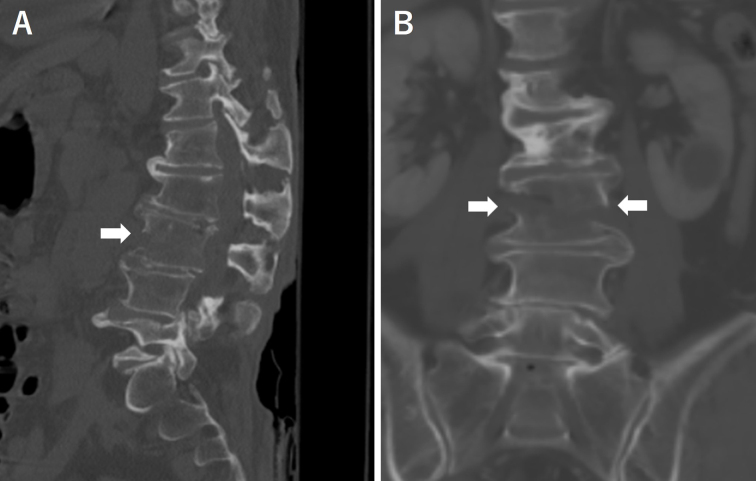 Figure 1
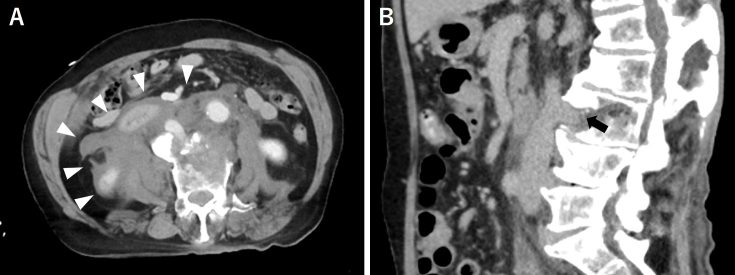 Figure 2
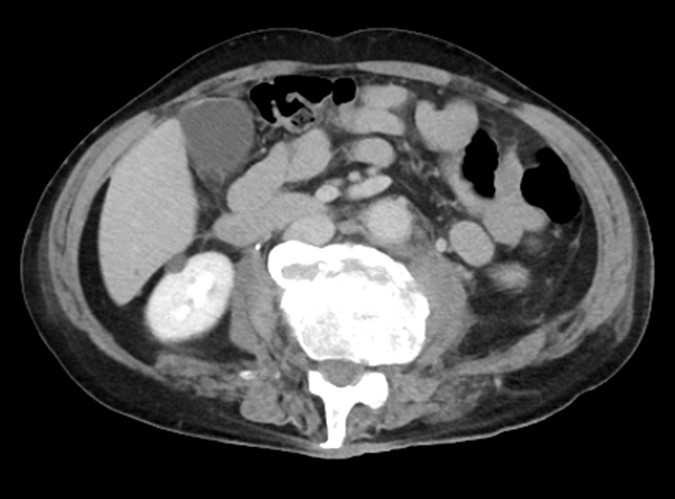 Figure 3
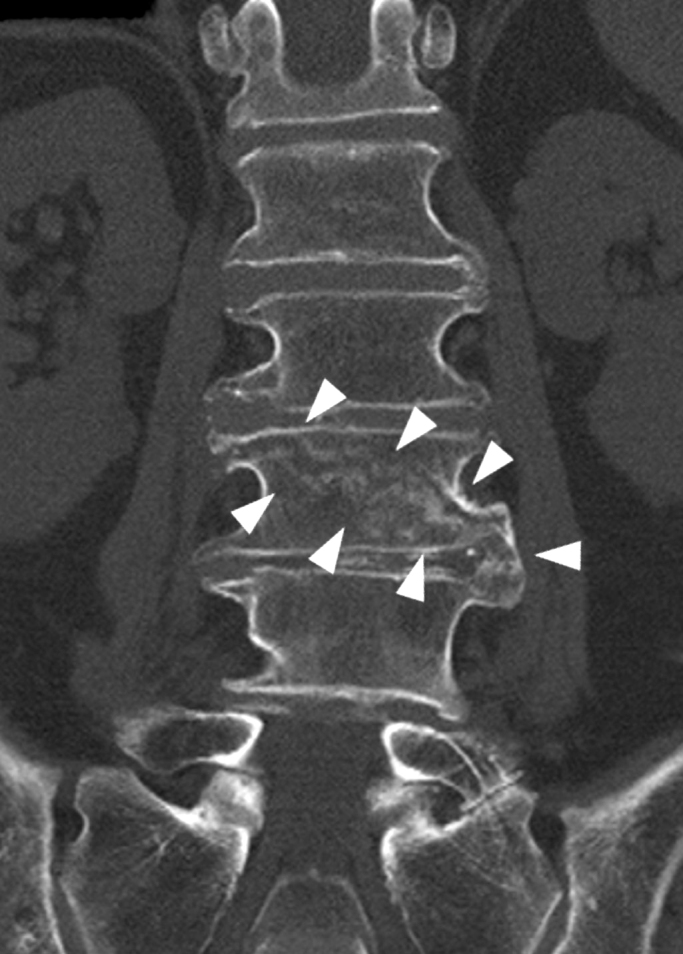 Figure 4
Peer Reviews
No public reviews on file for this paper yet. If you reviewed it on a platform where reviews are public (OpenReview, ICLR, NeurIPS, ICML), you can paste yours below so the community can read it here.
Videos
No videos yet. Explain this paper in a talk, walkthrough, or lecture? Add one.
Taxonomy
TopicsSpondyloarthritis Studies and Treatments · Osteomyelitis and Bone Disorders Research · Dermatological and Skeletal Disorders
A 71-year-old man was hit by a car while crossing the road and was rushed to our hospital. A plain computed tomography (CT) scan revealed a vertebral fracture of the third lumbar vertebra associated with diffuse idiopathic skeletal hyperostosis (Figure 1A and 1B arrow). A subsequent contrast-enhanced CT scan revealed a large hematoma in the abdominal cavity (Figure 2A arrow head), and the inferior vena cava was trapped at the fracture site (Figure 2B arrow) ^(1)^.
We considered surgery for the vertebral fracture but chose conservative treatment because of bleeding management issues. Three weeks after injury, the hematoma nearly disappeared, and bleeding in the inferior vena cava stopped (Figure 3). After 2 months of bed rest, a CT scan showed callus formation at the fracture site (Figure 4, arrowhead). Walking training was initiated with a corset. The patient started walking independently and was discharged 3 months after injury.
Article Information
Conflicts of Interest
None
Author Contributions
Yushi Sakamoto: care of patient and writing and editing manuscript
Hidetaka Takemura, Tomonori Ozaki, Dan Sugiki and Daisuke Yamazaki: care of patient
Informed Consent
The patient understood and consented to the anonymous submission of the case report to a medical journal.
The reference list from the paper itself. Each links out to its DOI / PubMed record.