Functional divergence of plant SCAR/WAVE proteins is determined by intrinsically disordered regions
Sabine Brumm, Aleksandr Gavrin, Matthew Macleod, Guillaume Chesneau, Annika Usländer, Sebastian Schornack

TL;DR
This study shows how disordered regions in SCAR/WAVE proteins lead to different functions in plant development, such as root hair and leaf trichome formation.
Contribution
The paper identifies specific intrinsically disordered regions in SCAR/WAVE proteins that determine functional divergence in plant development.
Findings
Two central intrinsically disordered regions in SCAR/WAVE proteins determine their role in root hair and trichome formation.
A 42-amino acid sequence within one IDR affects protein stability and contributes to functional differences.
The study provides a molecular basis for the functional diversity of SCAR/WAVE proteins in plants.
Abstract
Dynamic actin cytoskeleton reorganization enables plant developmental processes requiring polarized transport such as root hair and leaf trichome formation. The SCAR/WAVE complex plays a crucial role in regulating these dynamics through ARP2/3-mediated actin branching. SCAR/WAVE genes occur as small families across a wide range of plant species, but whether and how they fulfill different functions remains unclear. We use a systematic chimera approach to define the differential functionality of two closely related Medicago truncatula SCAR proteins in plant development. We show that SCAR/WAVE contribution to M. truncatula root hair or Arabidopsis thaliana trichome formation is dependent on two central intrinsically disordered regions (IDRs). Differential functionalities of M. truncatula SCAR proteins were furthermore associated with the presence/absence of a 42–amino acid sequence within…
Genes, proteins, chemicals, diseases, species, mutations and cell lines named across the full text — each resolved to its canonical identifier and authoritative record.
Click any figure to enlarge with its caption.
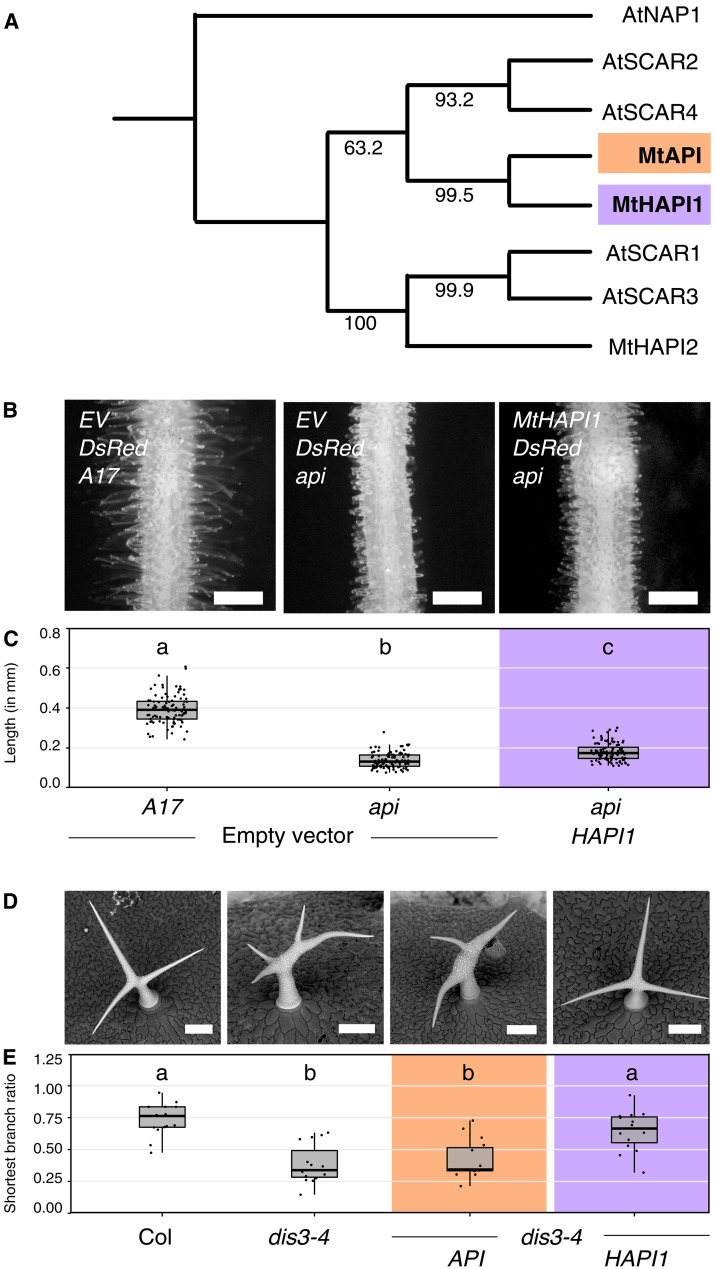 Figure 1
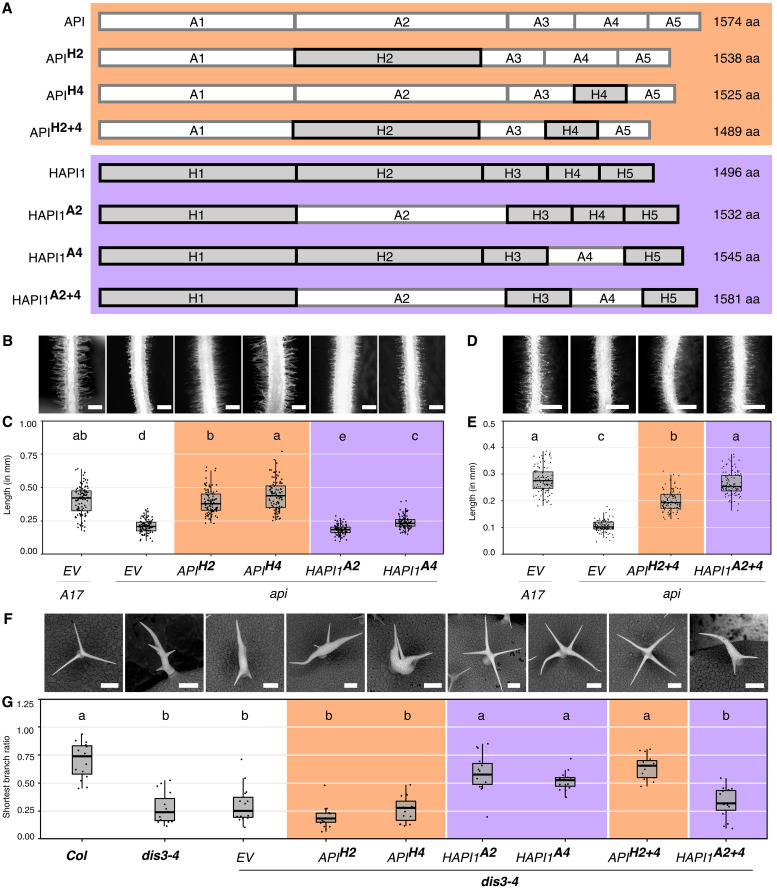 Figure 2
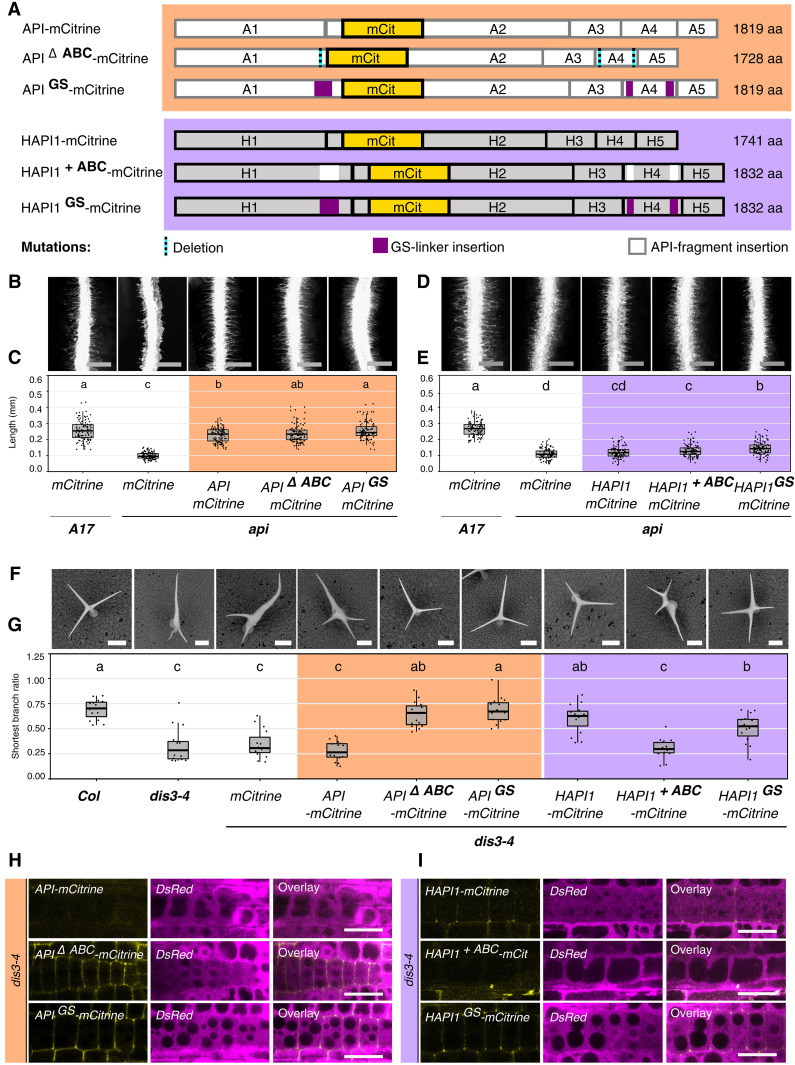 Figure 3
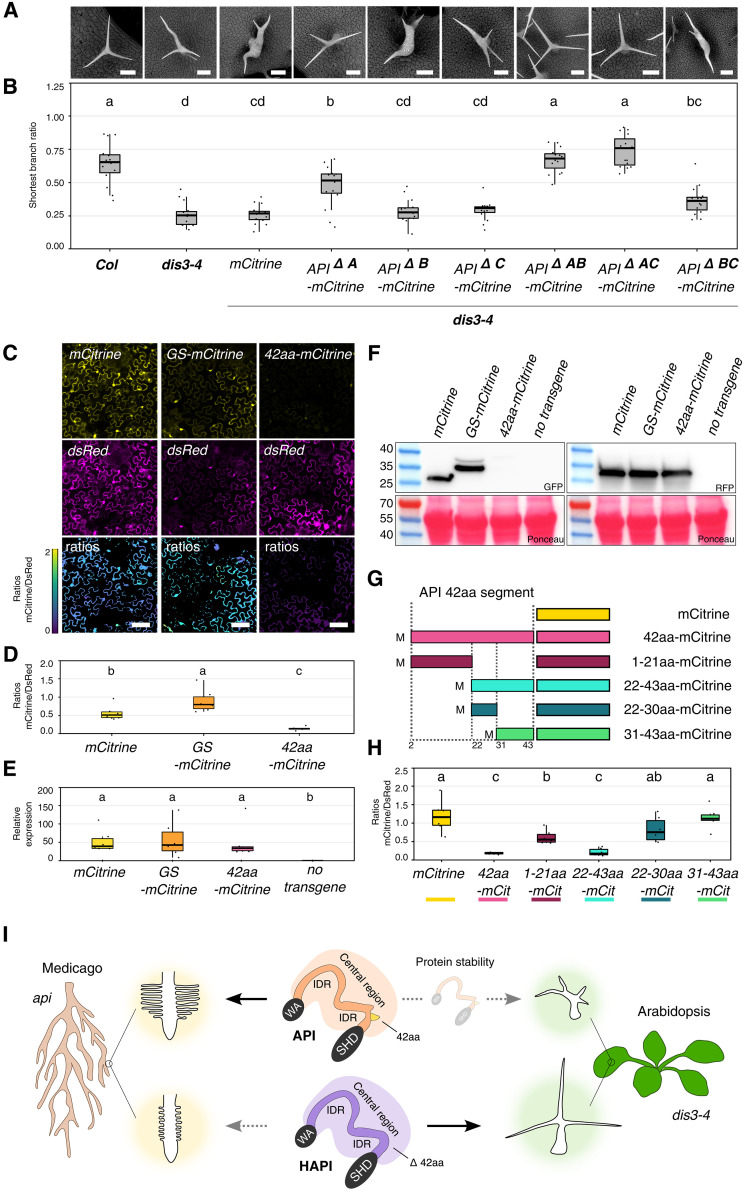 Figure 4
Peer Reviews
No public reviews on file for this paper yet. If you reviewed it on a platform where reviews are public (OpenReview, ICLR, NeurIPS, ICML), you can paste yours below so the community can read it here.
Videos
No videos yet. Explain this paper in a talk, walkthrough, or lecture? Add one.
Taxonomy
TopicsPlant Reproductive Biology · Fungal and yeast genetics research · Cellular Mechanics and Interactions