ELAVL1 promotes ferroptosis via the TRIM21/HOXD8 axis to inhibit osteogenic differentiation in congenital pseudoarticular tibia‐derived mesenchymal stem cells
Weihua Ye, Zheng Liu, Yaoxi Liu, Han Xiao, Qian Tan, An Yan, Guanghui Zhu

TL;DR
This study shows how ELAVL1 promotes cell death in stem cells, which hinders bone development in a rare bone condition.
Contribution
The novel finding is that ELAVL1 promotes ferroptosis via TRIM21/HOXD8 interactions to inhibit osteogenic differentiation in CPT MSCs.
Findings
ELAVL1 and TRIM21 are upregulated, while HOXD8 is downregulated in CPT MSCs.
ELAVL1 promotes ferroptosis by stabilizing TRIM21, which ubiquitinates and degrades HOXD8.
Knockdown of ELAVL1 or TRIM21 inhibits ferroptosis and promotes osteogenic differentiation.
Abstract
Osteogenic differentiation of mesenchymal stem cells (MSCs) was strongly correlated with the progression of congenital tibial pseudoarthrosis (CPT). Activation of ferroptosis inhibited osteogenic differentiation of MSCs. ELAV‐like RNA binding protein 1 (ELAVL1) is a key factor in promoting ferroptosis. This study aimed to elucidate the mechanism of ELAVL1 in the osteogenic differentiation of CPT periosteum‐derived MSCs. Osteogenic differentiation of CPT periosteum‐derived MSCs was detected by ARS and ALP staining. Fe2+ content and lipid reactive oxygen species content were measured using commercial kits. Molecular interactions were verified using RIP, RNA pulldown, and Co‐IP. The ubiquitination level of homeobox gene D8 (HOXD8) was detected using Co‐IP. Expression of ELAVL1 and tripartite motif containing 21 (TRIM21) was upregulated in CPT periosteum‐derived MSCs, whereas HOXD8…
Genes, proteins, chemicals, diseases, species, mutations and cell lines named across the full text — each resolved to its canonical identifier and authoritative record.
Click any figure to enlarge with its caption.
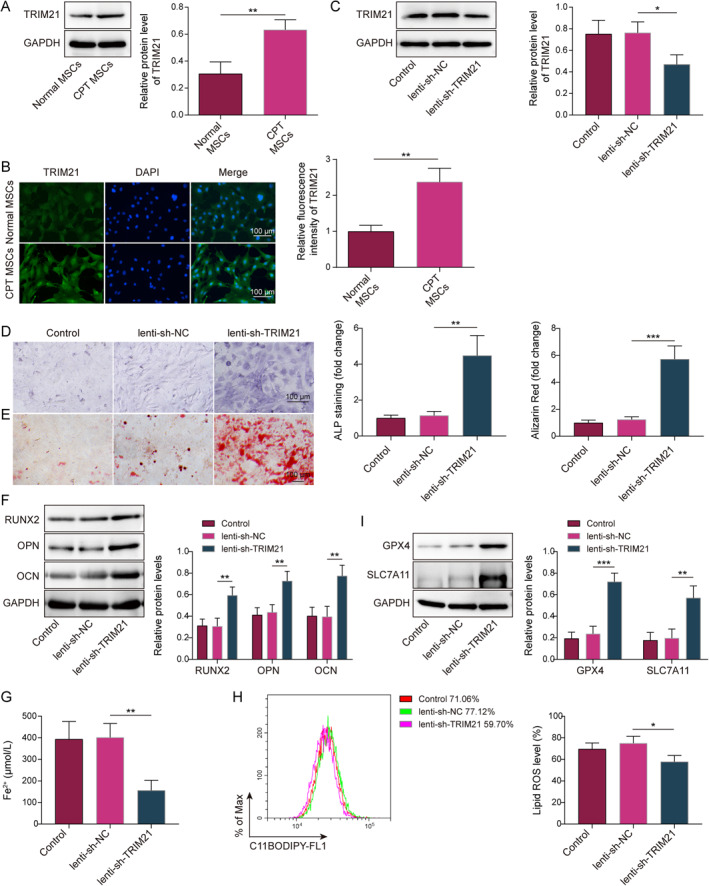 Figure 1
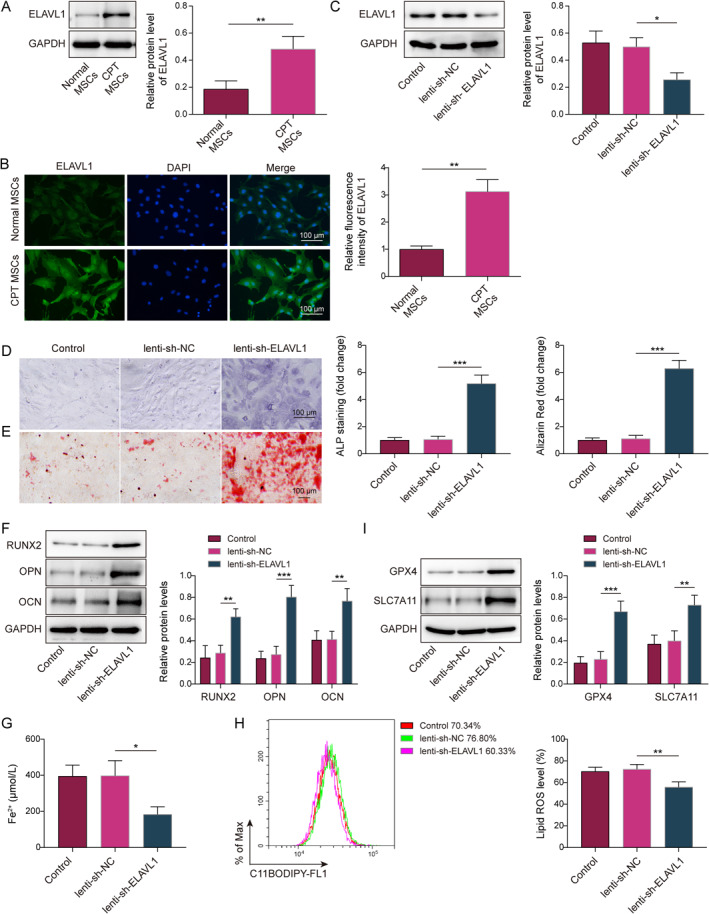 Figure 2
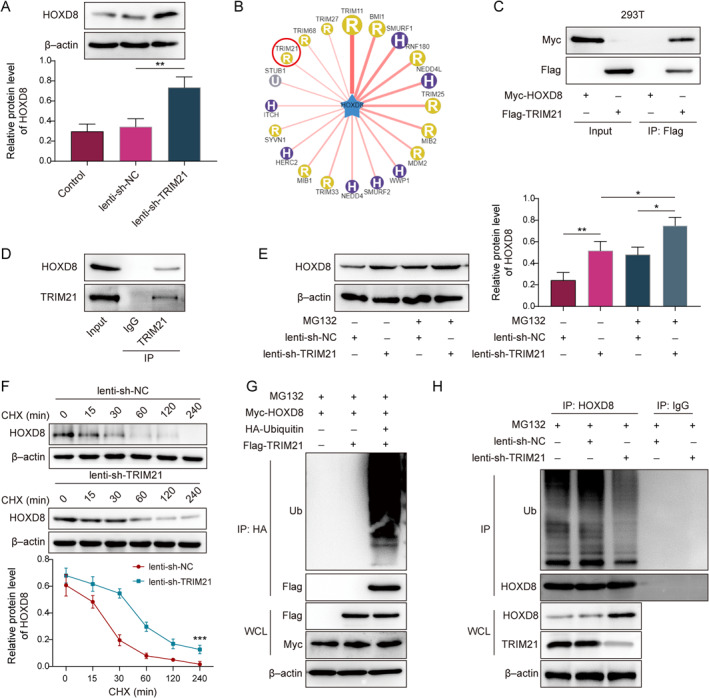 Figure 3
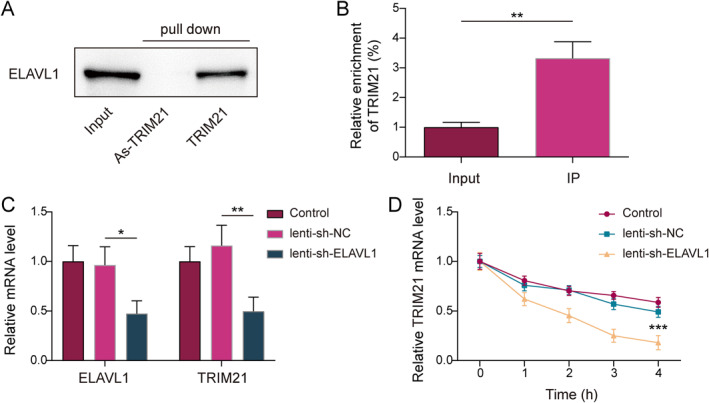 Figure 4
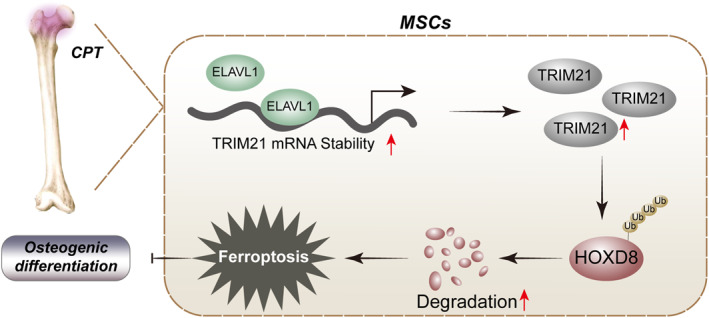 Figure 5
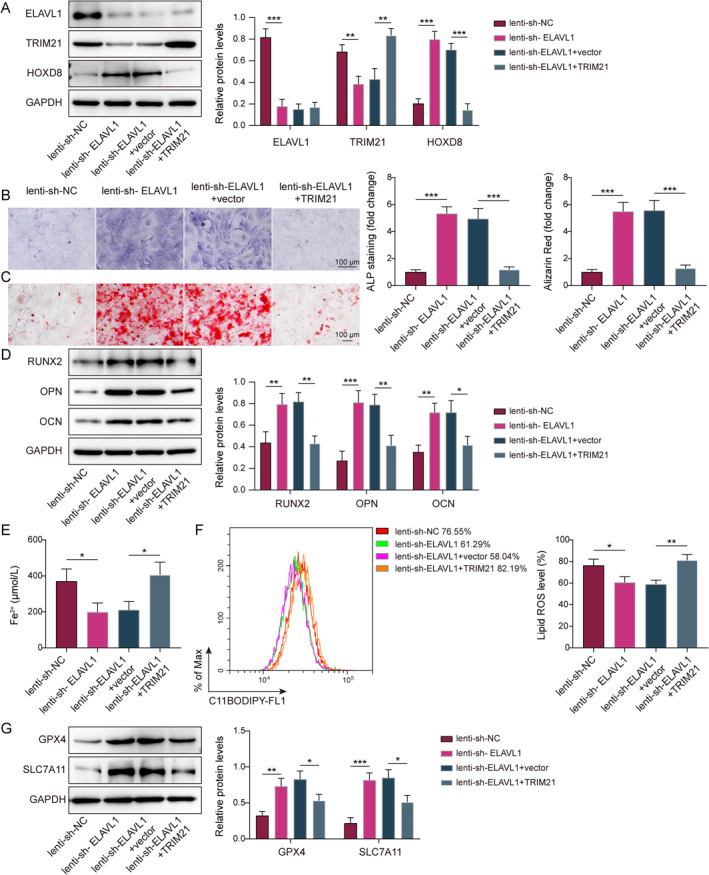 Figure 6
Peer Reviews
No public reviews on file for this paper yet. If you reviewed it on a platform where reviews are public (OpenReview, ICLR, NeurIPS, ICML), you can paste yours below so the community can read it here.
Videos
No videos yet. Explain this paper in a talk, walkthrough, or lecture? Add one.
Taxonomy
TopicsRNA modifications and cancer · Cancer-related molecular mechanisms research · Circular RNAs in diseases