Seasonal dynamics and nutrient controls of biogenic silica in Baltic Sea surface microplankton and picoplankton communities
Yelena Churakova, Anabella Aguilera, Evangelia Charalampous, Daniel J. Conley, Daniel Lundin, Jarone Pinhassi, Hanna Farnelid

TL;DR
This study explores how microplankton and picoplankton contribute to silica cycling in the nutrient-rich Baltic Sea, revealing seasonal patterns and the role of phosphorus in picoplankton.
Contribution
The first study to report seasonal dynamics of biogenic silica in both microplankton and picoplankton in the silica-replete Baltic Sea.
Findings
Microplankton bSi dynamics were linked to changes in community composition and biomass.
Picoplankton consistently contributed to bSi, with phosphorus additions increasing their bSi accumulation.
Results highlight the importance of phytoplankton shifts for carbon and silica cycling under climate change.
Abstract
In recent years, new contributors to the marine silica cycle have emerged, including pico-sized phytoplankton (<2–3 µm in size) such as Synechococcus and picoeukaryotes. Their contribution and relevance to silica cycling are still under investigation. Field studies reporting the biogenic silica (bSi) standing stock in the pico-sized fraction are limited to silica-poor oligotrophic environments, and the mechanism of bSi accumulation in picoplankton remains unknown. We investigated the variability of bSi standing stocks in two size fractions (picoplankton, 0.22–3 µm and microplankton, >3 µm) in the dissolved silica-replete Baltic Sea via biweekly time series samplings spanning 2 years. Time series data showed that the large changes in bSi standing stock in the Baltic Proper were primarily related to microplankton biomass and community composition. Meanwhile, picoplankton were, at times,…
Genes, proteins, chemicals, diseases, species, mutations and cell lines named across the full text — each resolved to its canonical identifier and authoritative record.
Click any figure to enlarge with its caption.
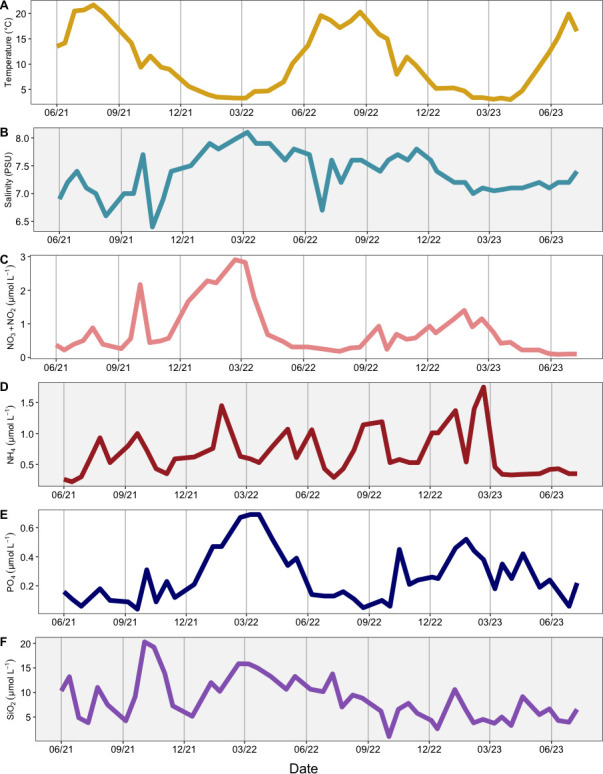 Figure 1
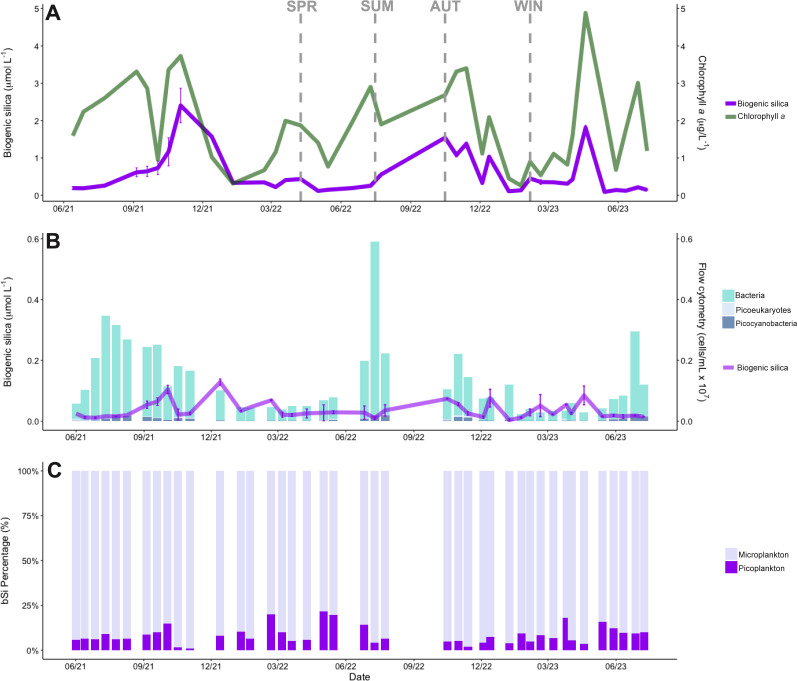 Figure 2
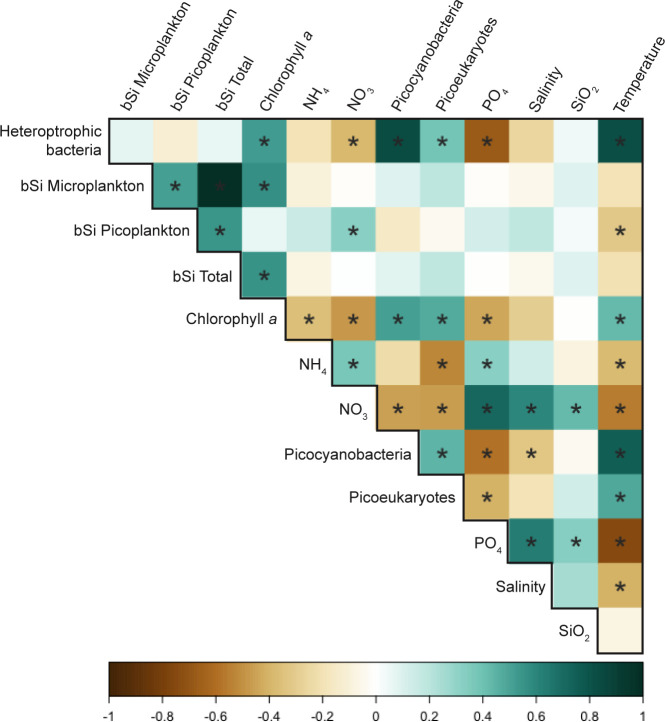 Figure 3
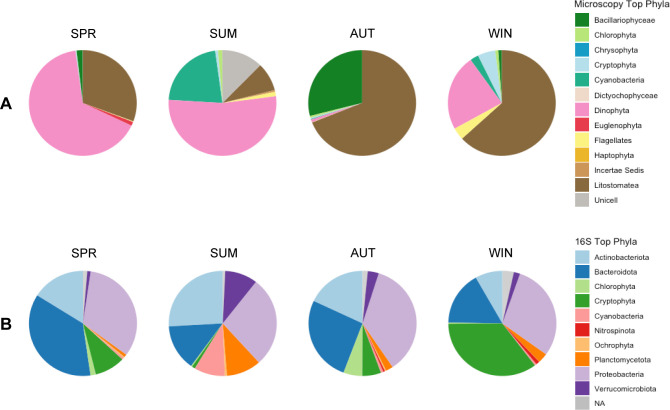 Figure 4
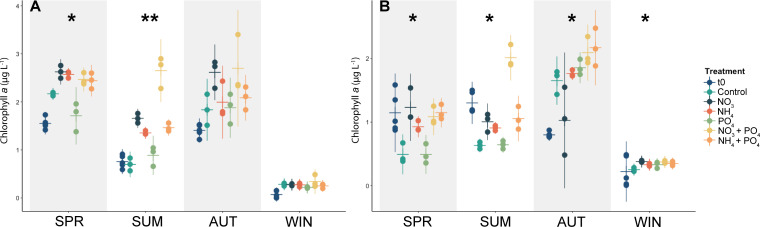 Figure 5
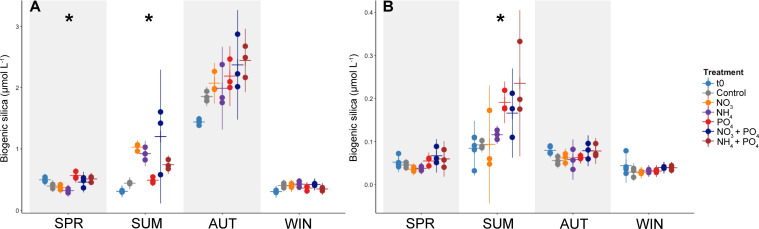 Figure 6
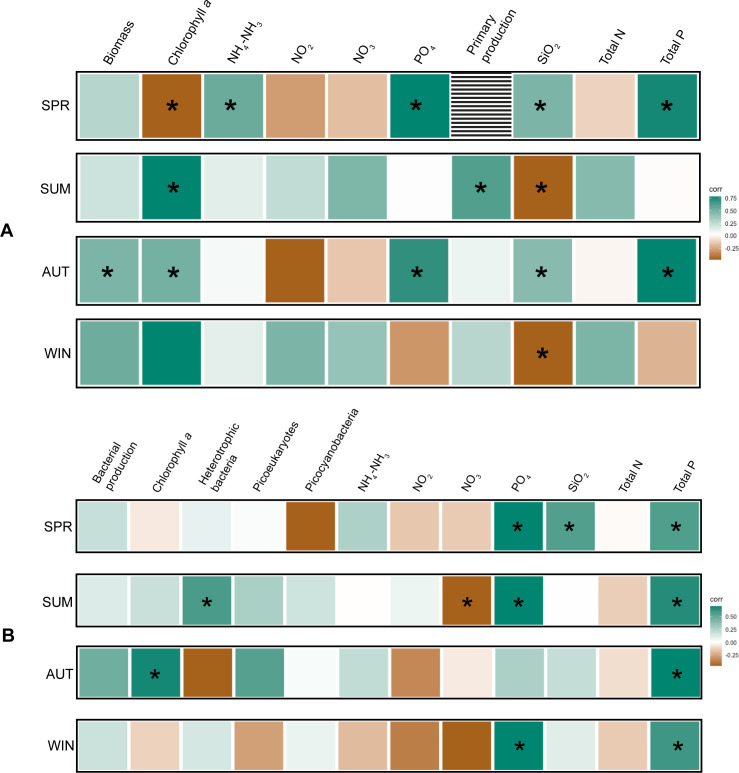 Figure 7
Peer Reviews
No public reviews on file for this paper yet. If you reviewed it on a platform where reviews are public (OpenReview, ICLR, NeurIPS, ICML), you can paste yours below so the community can read it here.
Videos
No videos yet. Explain this paper in a talk, walkthrough, or lecture? Add one.
Taxonomy
TopicsMarine and coastal ecosystems · Microbial Community Ecology and Physiology · Protist diversity and phylogeny