Modeling of mold inactivation via cold atmospheric plasma (CAP)
Pavel Demo, Filip Přeučil, Petra Tichá, Mária Domonkos, Eliška Lokajová, Jana Jirešová

TL;DR
This paper introduces a mathematical model to predict how cold atmospheric plasma can eliminate mold, using a nonlinear equation and comparing results with real data.
Contribution
The novelty is modeling mold extinction using a nonlinear logistic equation with a density-dependent inactivation rate.
Findings
The model shows mold colonies can become extinct if plasma inactivation rate matches the maximum growth rate.
Growth curves calculated from the model align with experimental data for Aspergillus brasiliensis.
The model can predict mycelium surface coverage at any time, offering faster insights than real experiments.
Abstract
During their reproduction cycles, the omnipresent pathogens produce a broad class of mycotoxins responsible for serious health problems in living organisms. To reduce (or even to eradicate) the microorganisms from the invaded system, various conventional methods are applied in practice, sometimes with counterproductive effects. To overcome these challenges, the cold atmospheric plasma (CAP) is applied to terminate mold proliferation within the system. The paper presents a mathematical model for the elimination of microscopic filamentous types of fungi, specifically molds, by using the CAP. The evolution of mold population is described by a nonlinear logistic equation with a density-dependent inactivation rate. Exactly calculated growth curves are compared with experimental data for Aspergillus brasiliensis obtained for two plasma operating times. The results show that if the plasma…
Genes, proteins, chemicals, diseases, species, mutations and cell lines named across the full text — each resolved to its canonical identifier and authoritative record.
Click any figure to enlarge with its caption.
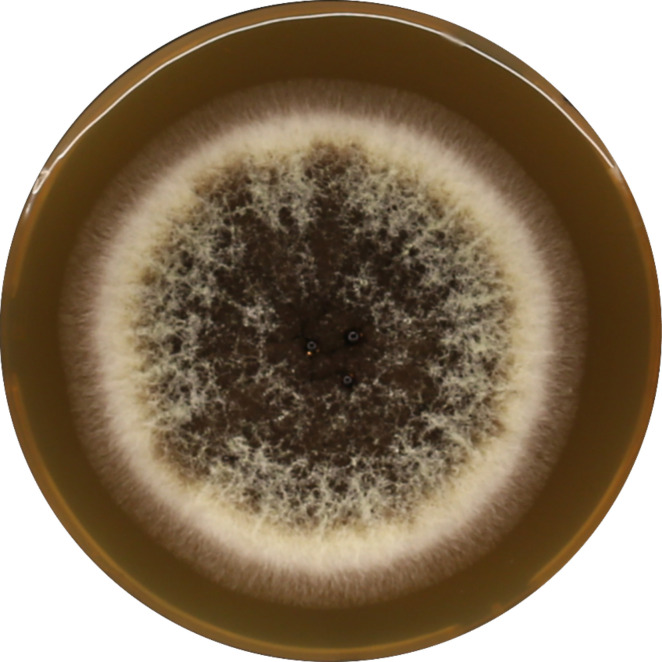 Figure 1
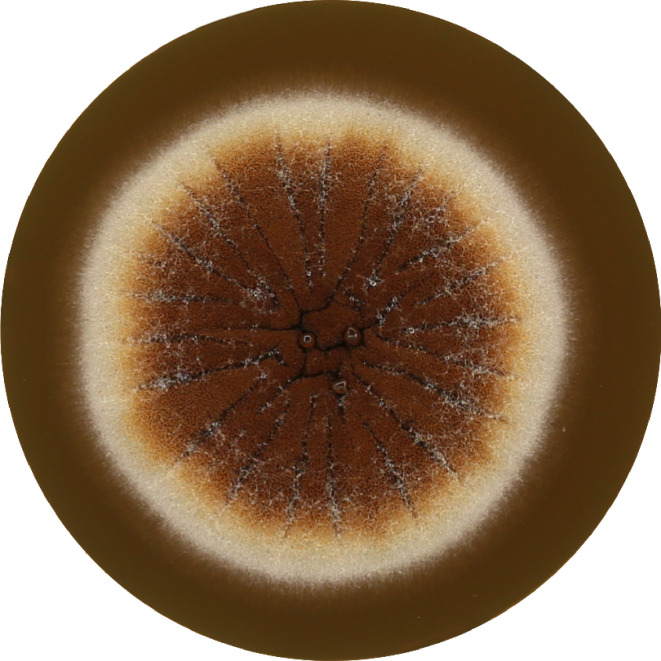 Figure 2
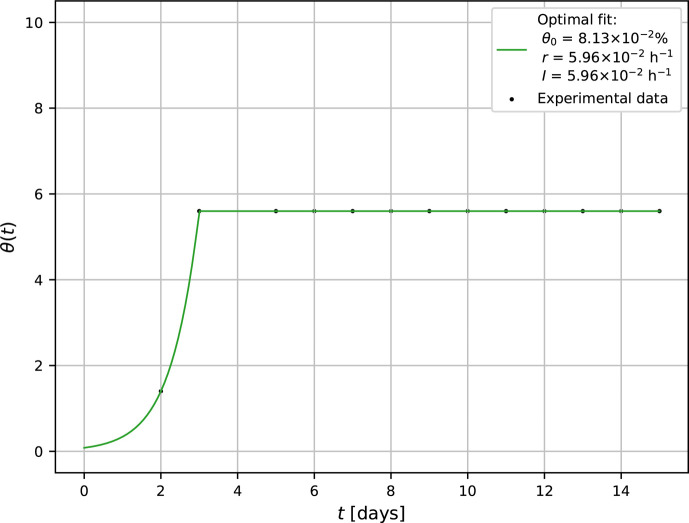 Figure 3
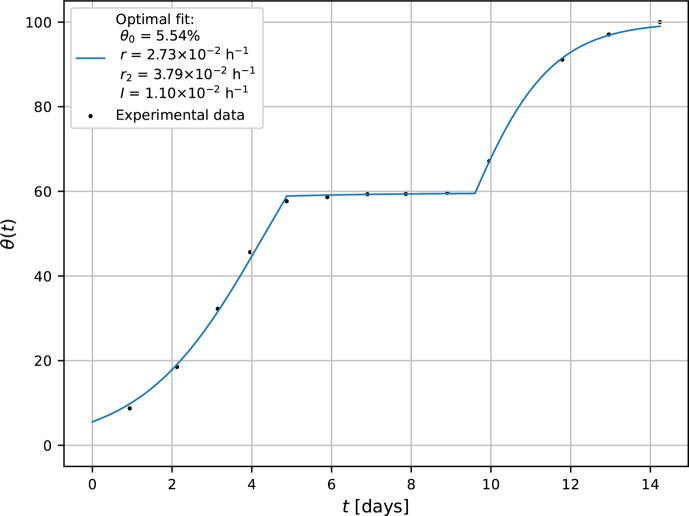 Figure 4
 Figure 5
 Figure 6
 Figure 7
 Figure 8
 Figure 9
 Figure 10
 Figure 11
 Figure 12
 Figure 13
 Figure 14
 Figure 15
 Figure 16
 Figure 17
 Figure 18
 Figure 19
 Figure 20
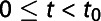 Figure 21
 Figure 22
 Figure 23
 Figure 24
 Figure 25
 Figure 26
 Figure 27
 Figure 28
 Figure 29
 Figure 30
 Figure 31
 Figure 32
 Figure 33
 Figure 34
 Figure 35
 Figure 36
 Figure 37
 Figure 38
 Figure 39
 Figure 40
 Figure 41
 Figure 42
 Figure 43
 Figure 44
 Figure 45
 Figure 46
 Figure 47
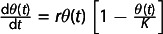 Figure 48
 Figure 49
 Figure 50
Peer Reviews
No public reviews on file for this paper yet. If you reviewed it on a platform where reviews are public (OpenReview, ICLR, NeurIPS, ICML), you can paste yours below so the community can read it here.
Videos
No videos yet. Explain this paper in a talk, walkthrough, or lecture? Add one.
Taxonomy
TopicsPlasma Applications and Diagnostics · Microbial Inactivation Methods · Indoor Air Quality and Microbial Exposure