Functional disparities of malonyl-ACP decarboxylase between Xanthomonas campestris and Xanthomonas oryzae
Mingfeng Yan, Yonghong Yu, Lizhen Luo, Jingtong Su, Jincheng Ma, Zhe Hu, Haihong Wang

TL;DR
This study compares the functions of a similar protein in two related plant bacteria, showing how slight differences lead to distinct effects on their growth and disease-causing abilities.
Contribution
The study reveals functional divergence of homologous MadB proteins in closely related Xanthomonas species, linking biochemical differences to physiological roles.
Findings
Xoo MadB has higher decarboxylase activity and a distinct role in fatty acid synthesis compared to Xcc MadB.
Xoo MadB operates independently of FabH in fatty acid synthesis, while Xcc MadB serves a supplementary role.
EPS synthesis in Xoo MadB mutants can be restored by sodium acetate, unlike in Xcc mutants.
Abstract
Xanthomonas campestris pv. campestris (Xcc) and X. oryzae pv. oryzae (Xoo) are crucial plant pathogenic bacteria, causing crucifer black rot and rice leaf blight, respectively. Both bacterial species encode a protein containing the YiiD_C domain, designated MadB, which exhibits an 87.5% sequence identity between their MadBs. The madB genes from either Xoo or Xcc successfully restored the growth defect in Ralstonia solanacearum and Escherichia coli fabH mutants in vivo. In vitro assays demonstrated that MadB proteins possess malonyl-ACP decarboxylase activity, although Xcc MadB exhibited lower activity compared with Xoo MadB. Mutation of madB in both Xoo and Xcc strains led to decreased pathogenicity in their respective host plants. Interestingly, the Xoo madB mutant exhibited a significant increase in branched-chain fatty acid production, whereas the Xcc madB mutant showed only minor…
Genes, proteins, chemicals, diseases, species, mutations and cell lines named across the full text — each resolved to its canonical identifier and authoritative record.
Click any figure to enlarge with its caption.
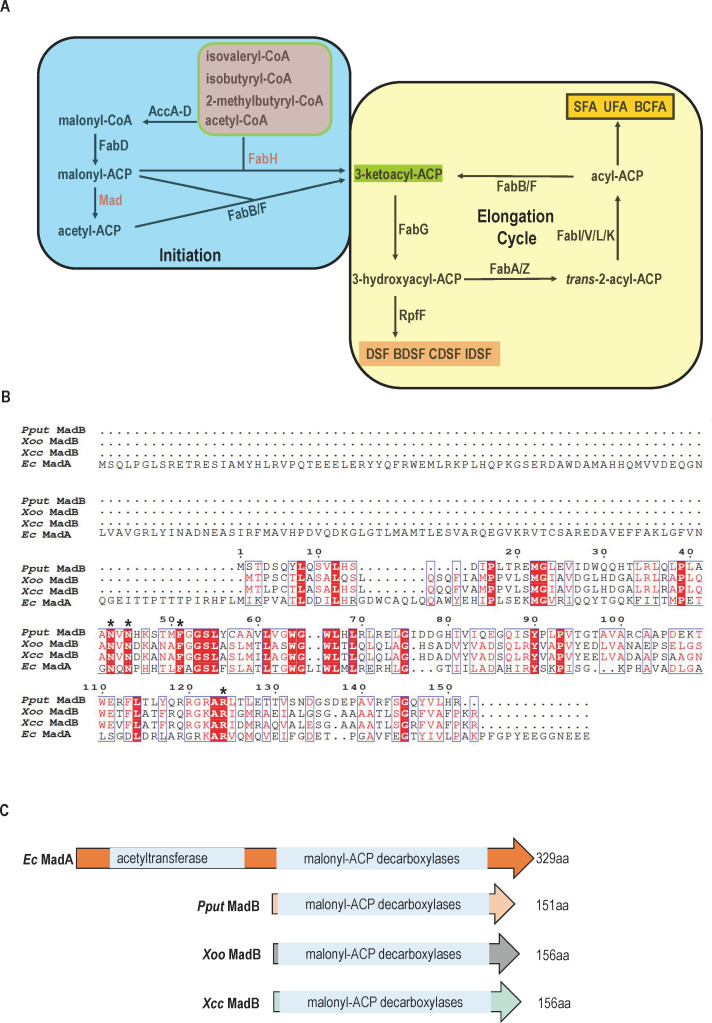 Figure 1
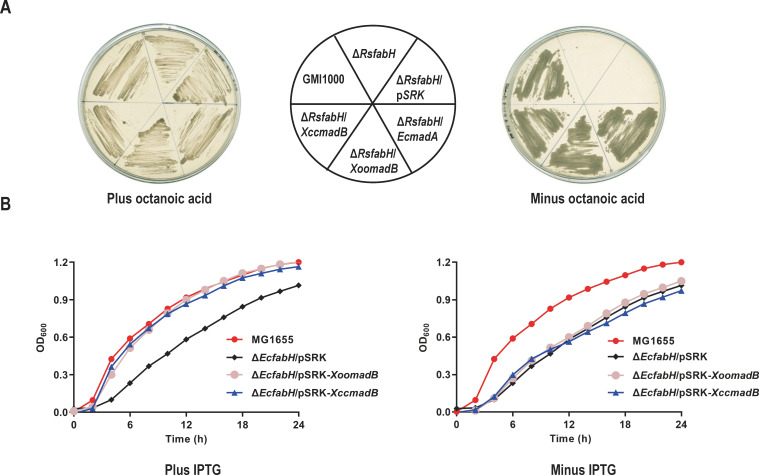 Figure 2
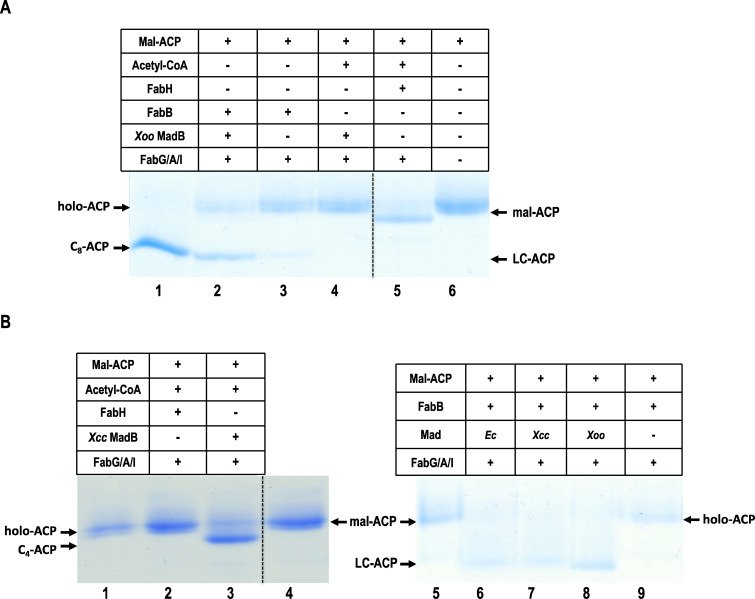 Figure 3
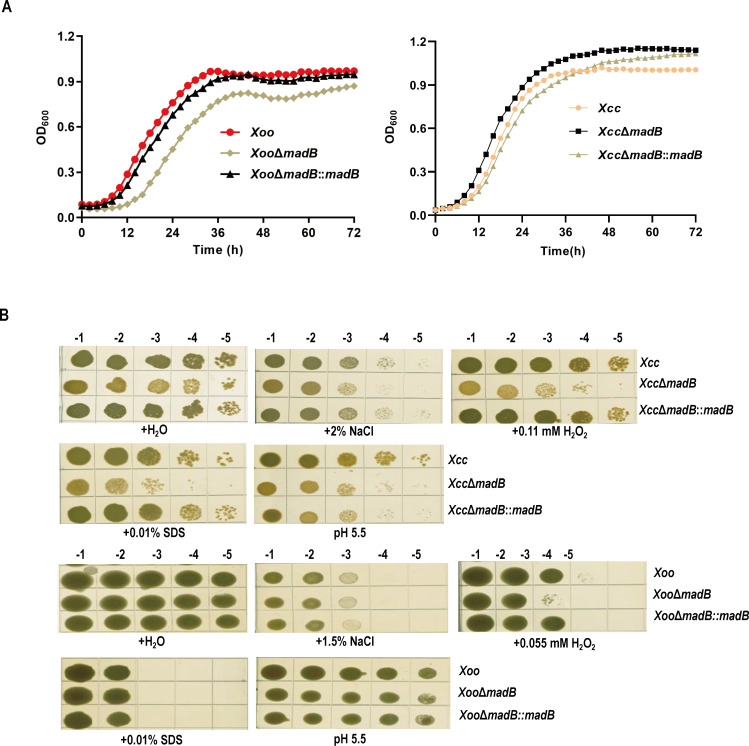 Figure 4
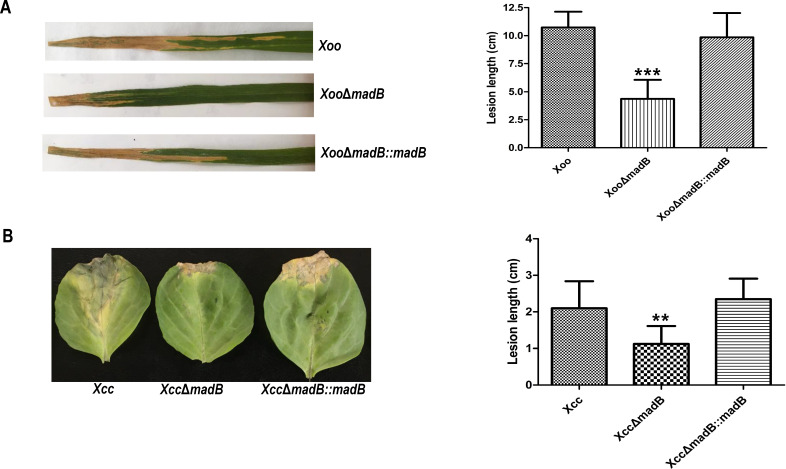 Figure 5
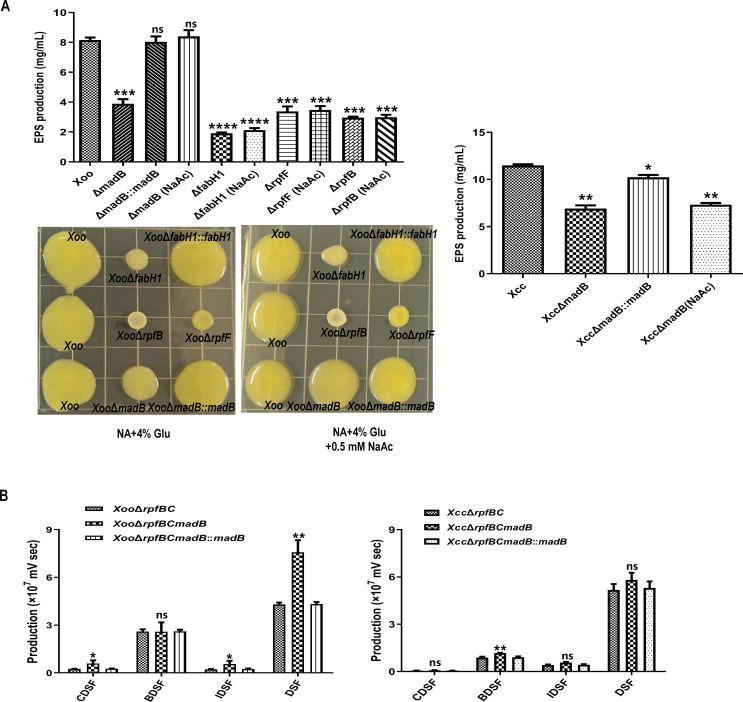 Figure 6
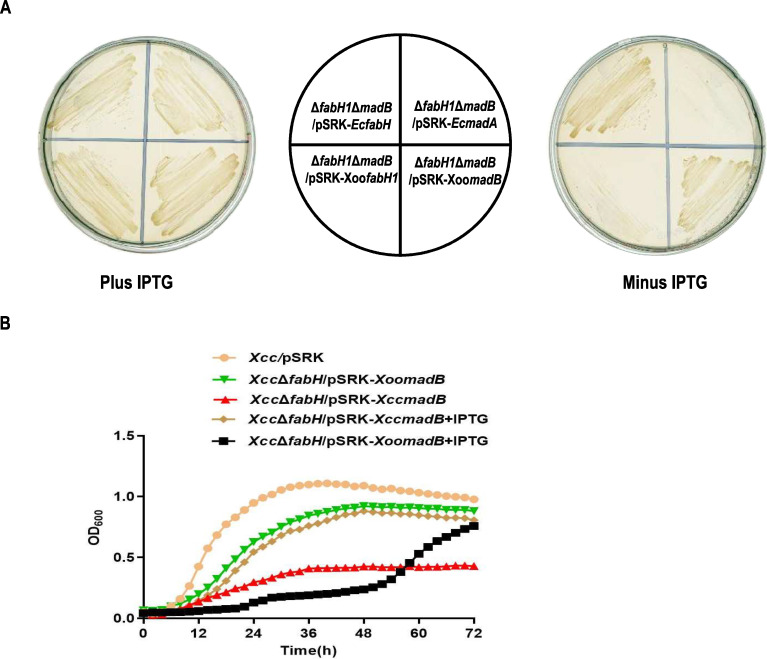 Figure 7
 Figure 8
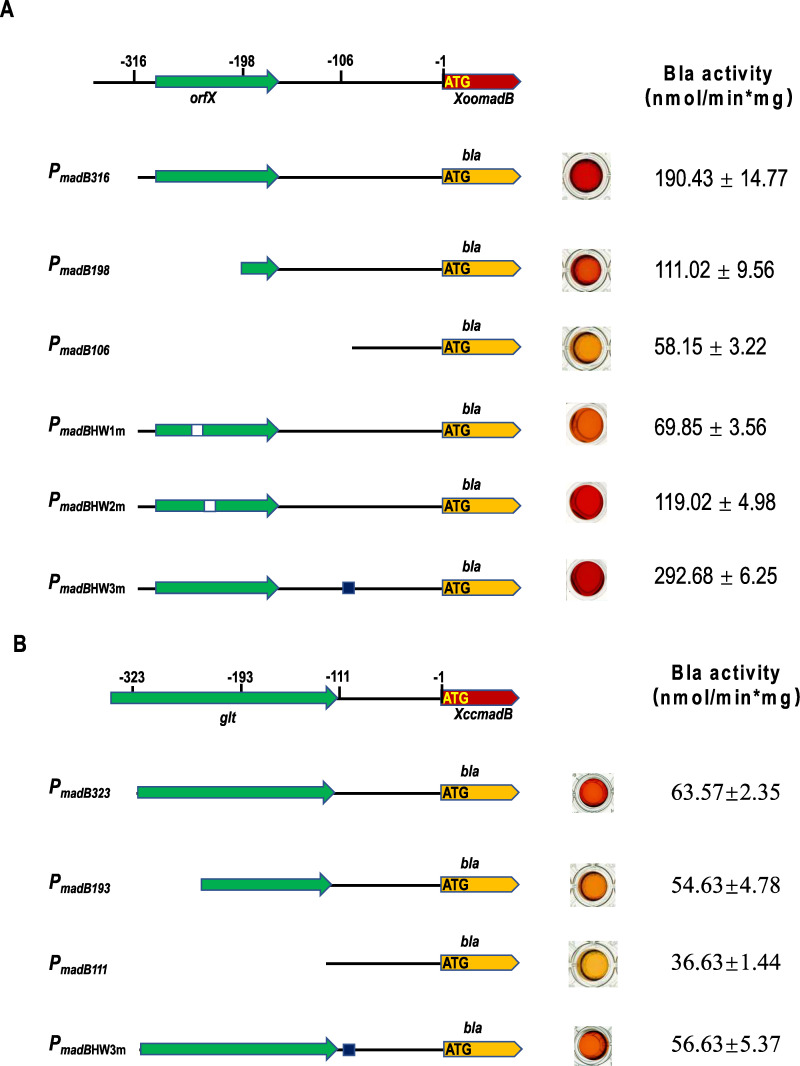 Figure 9
Peer Reviews
No public reviews on file for this paper yet. If you reviewed it on a platform where reviews are public (OpenReview, ICLR, NeurIPS, ICML), you can paste yours below so the community can read it here.
Videos
No videos yet. Explain this paper in a talk, walkthrough, or lecture? Add one.
Taxonomy
TopicsPlant Pathogenic Bacteria Studies · Plant-Microbe Interactions and Immunity · Legume Nitrogen Fixing Symbiosis