Small-Molecule Models of Hydrogen-Evolving MX2 (M = Mo, W; X = S, Se) Bulk Solids: Composition–Activity Relationships
Saikat Mishra, Gayathri Ragunathan, Atahar Rabby, Jimmy Martinez, Xiaodong Zhang, Joel T. Mague, Alex McSkimming, Russell H. Schmehl, James P. Donahue

TL;DR
Researchers studied small-molecule models of hydrogen-evolving materials and found that certain combinations of metals and ligands improve hydrogen production efficiency.
Contribution
The study identifies composition–activity relationships in triangular metal chalcogenide clusters as molecular analogs of MX2 catalysts.
Findings
Clusters with all-sulfide cores and Mo produce higher H2-turnovers than all-selenide cores.
Dichalcogenocarbamate ligands enhance catalytic activity compared to dialkyldithiophosphate ligands.
Electron-donating ligands like iBu2NCS2– improve H2-evolution performance.
Abstract
Triangular metal chalcogenide clusters of the form [M3Q7L3]An (M = Mo or W; Q = S or Se; L = iBu2NCS2–, (CF3CH2)2NCS2–, iBu2NCSe2–, or iBu2PS2–; An = Cl– or I–) have been investigated as molecular analogues of layered metal dichalcogenide (MX2) H2-evolution catalysts. These clusters have been evaluated for their relative H2-evolving ability under a common photolysis protocol implementing [Ru(bpy)3]2+ as chromophore and Et3N as sacrificial electron donor. With M constant as Mo and with constant supporting ligand, clusters with an all-sulfide core enable greater H2-TON than clusters with an all-selenide core. A more active catalyst is produced by [Mo3S7(S2CNiBu2)3]+I– than its W3 analogue with the same core sulfide composition and supporting dithiocarbamate ligands. Dichalcogenocarbamate ligands provide more active catalysts than dialkyldithiophosphate ligated clusters, and within the…
Genes, proteins, chemicals, diseases, species, mutations and cell lines named across the full text — each resolved to its canonical identifier and authoritative record.
Click any figure to enlarge with its caption.
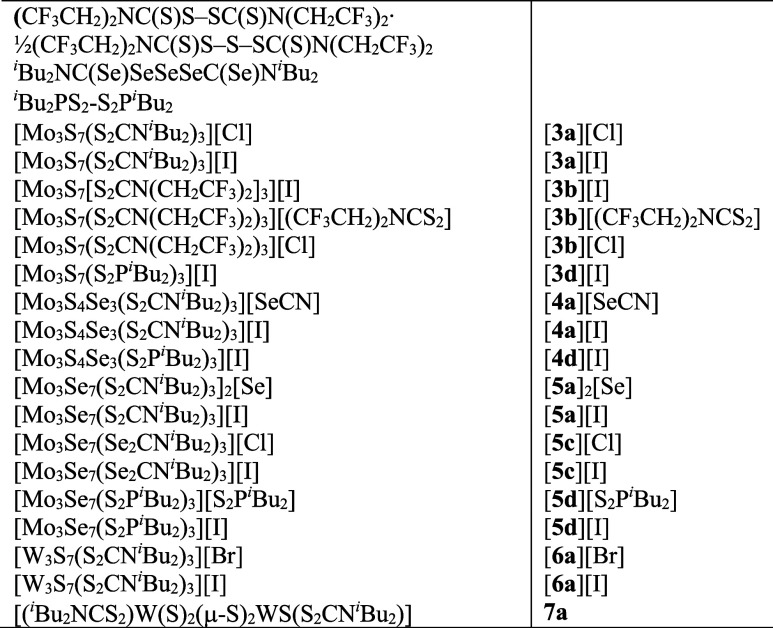 Figure 1
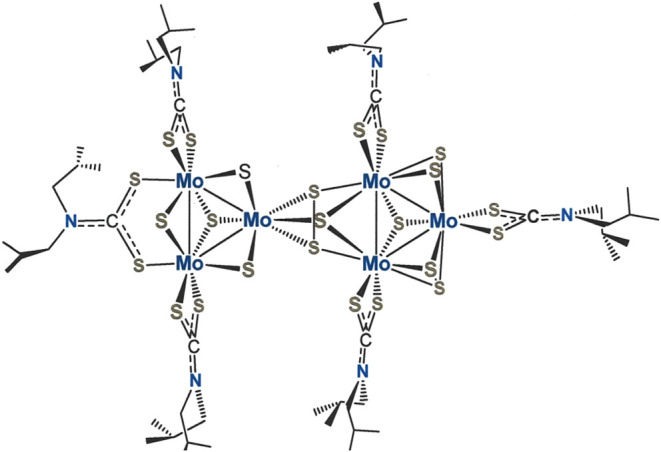 Figure 2
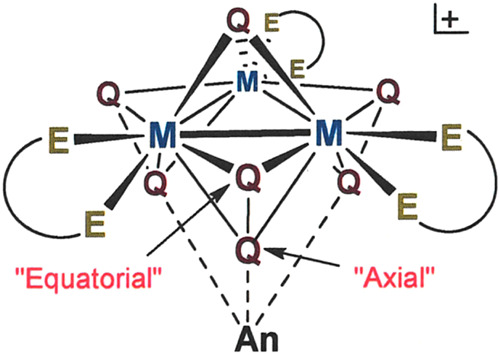 Figure 3
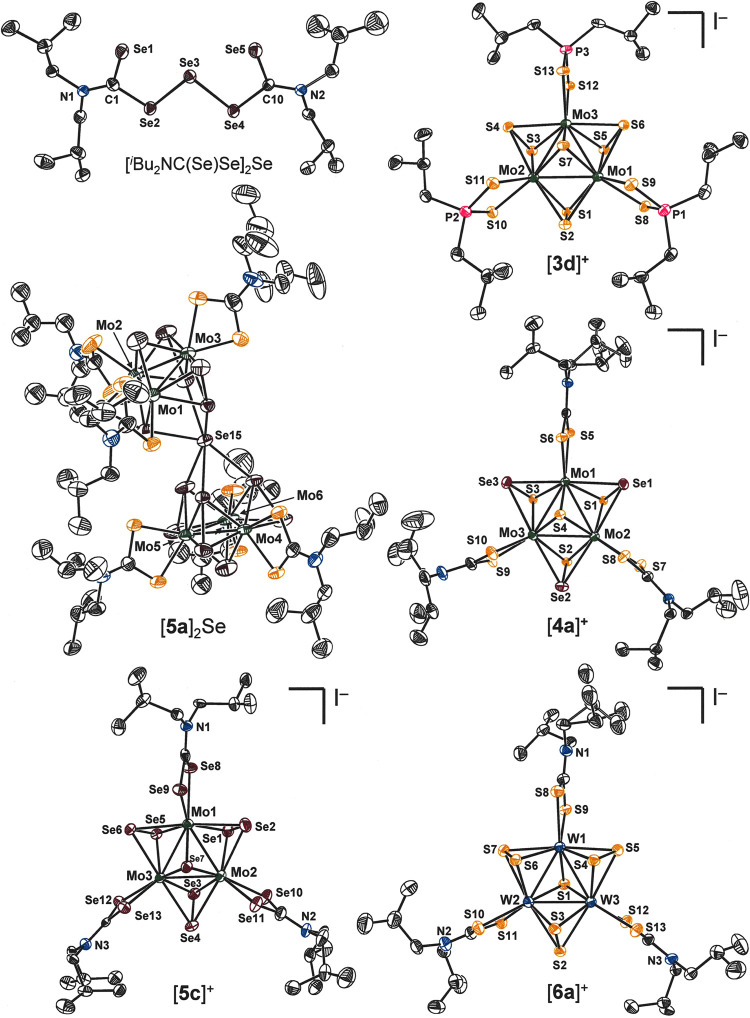 Figure 4
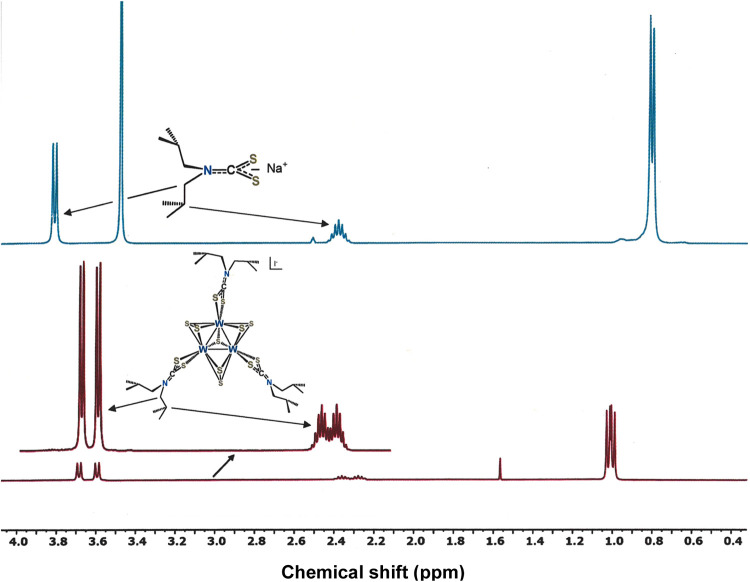 Figure 5
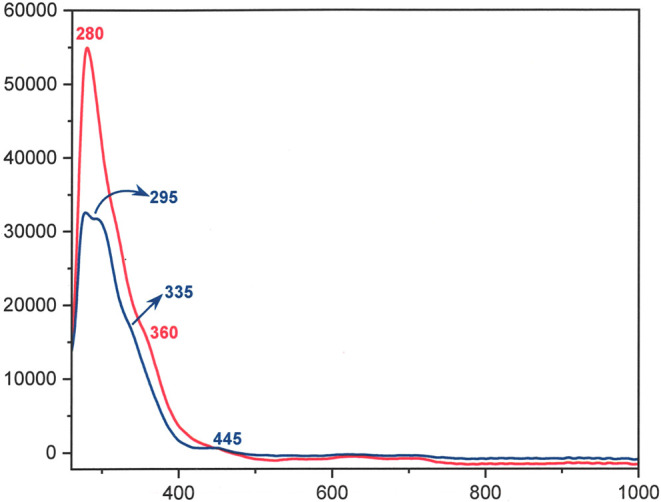 Figure 6
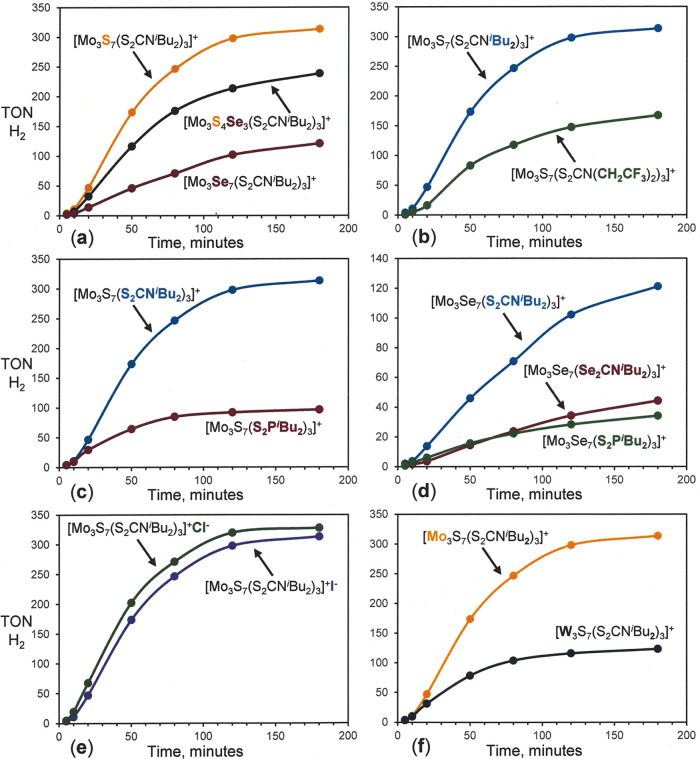 Figure 7
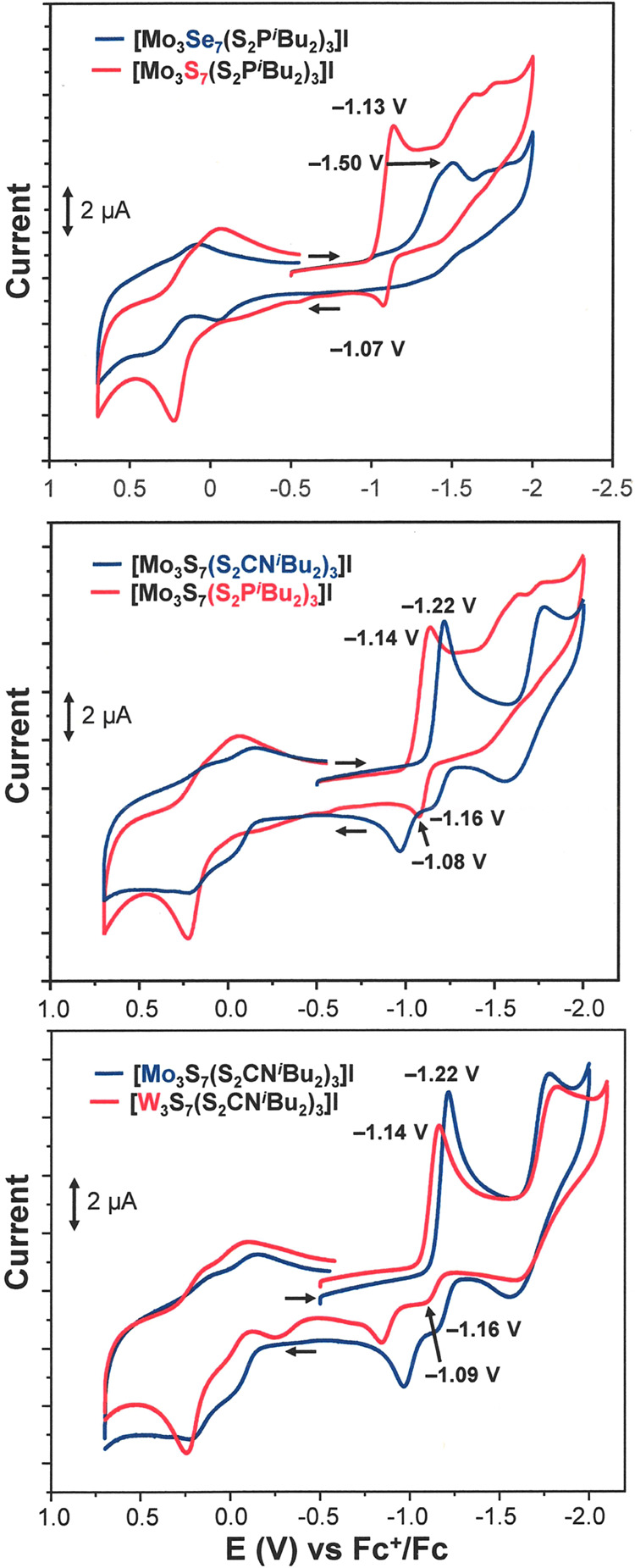 Figure 8
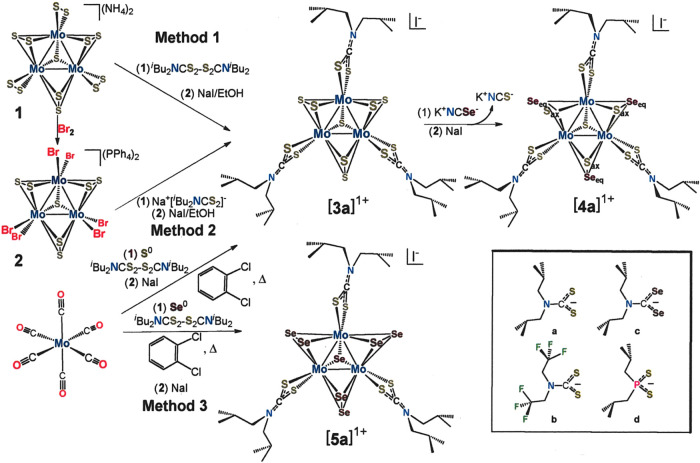 Figure 9
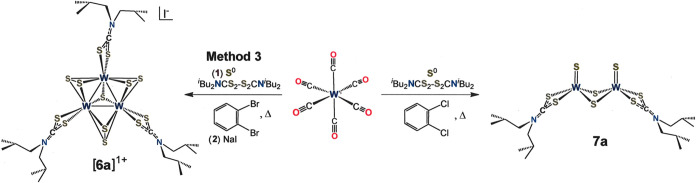 Figure 10
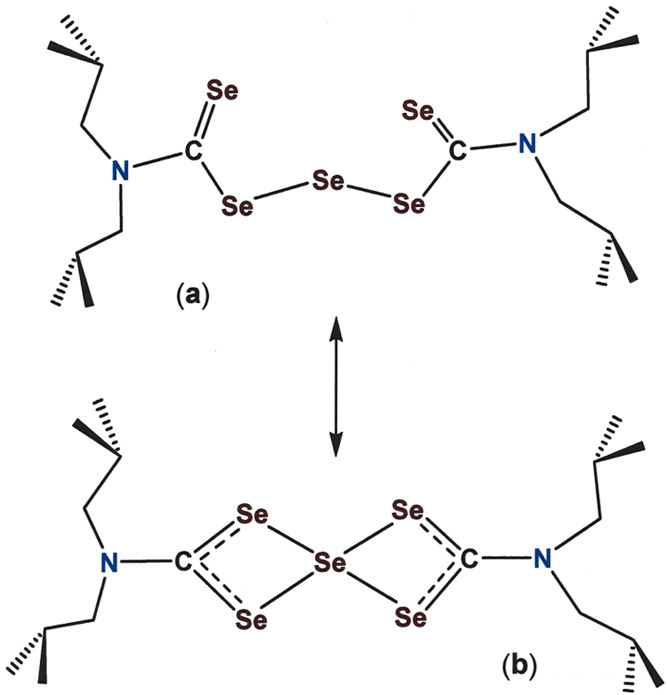 Figure 11
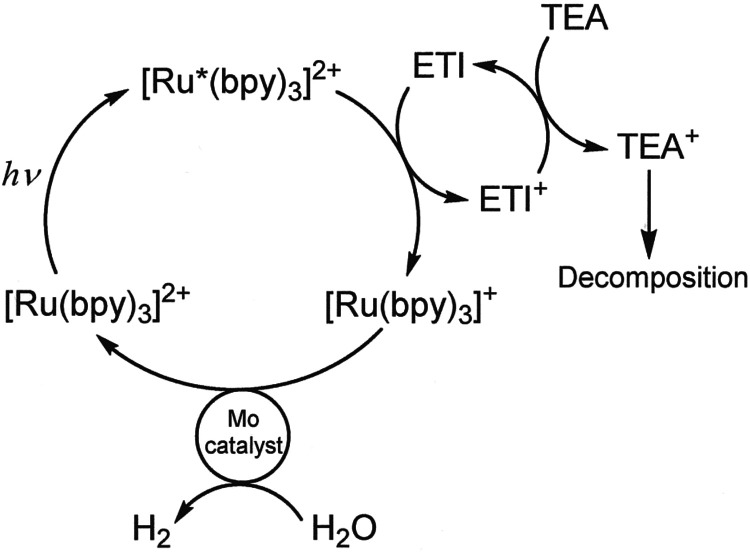 Figure 12
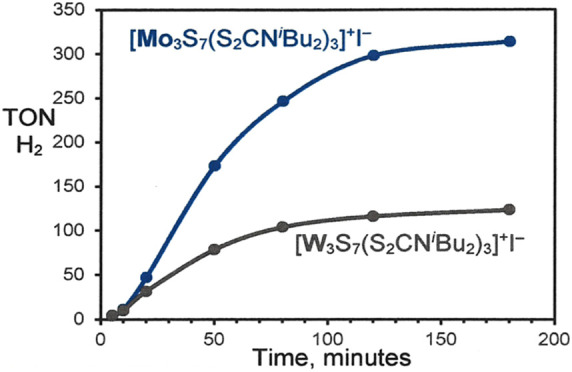 Figure 13
Peer Reviews
No public reviews on file for this paper yet. If you reviewed it on a platform where reviews are public (OpenReview, ICLR, NeurIPS, ICML), you can paste yours below so the community can read it here.
Videos
No videos yet. Explain this paper in a talk, walkthrough, or lecture? Add one.
Taxonomy
TopicsMetalloenzymes and iron-sulfur proteins · Nanocluster Synthesis and Applications · Inorganic Chemistry and Materials